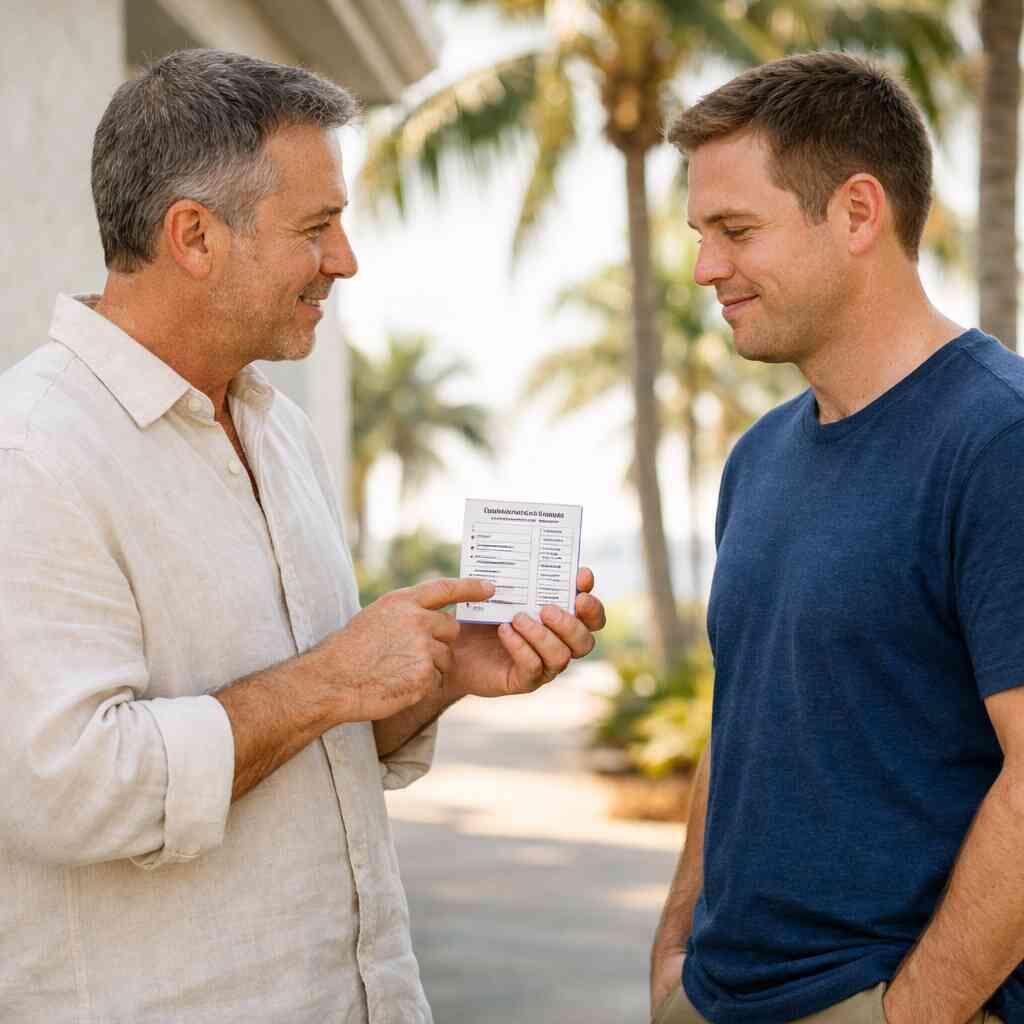
Comparing TMS Therapy to ECT for Depression in 2026
The ECT Question: Why Depression Treatment Is Evolving in 2026 The conversation about treatment-resistant depression has shifted in powerful ways. More patients now refuse to accept memory loss as the price of feeling better. Family members ask harder questions about what really happens during ECT sessions. Clinicians wrestle with difficult conversations when older adults fear […]
The ECT Question: Why Depression Treatment Is Evolving in 2026
The conversation about treatment-resistant depression has shifted in powerful ways. More patients now refuse to accept memory loss as the price of feeling better. Family members ask harder questions about what really happens during ECT sessions. Clinicians wrestle with difficult conversations when older adults fear anesthesia more than their own despair. The landscape changed because people stopped settling for answers that felt incomplete. And right at the center of this shift sits a quieter question: what if we had a gentler option that worked just as well?
What ECT Actually Does to the Brain
Electroconvulsive therapy triggers a controlled seizure through electrical stimulation. This seizure causes widespread neuronal firing across cortical and subcortical regions. Scientists believe this cascade resets abnormal brain circuits linked to severe depression. The process takes about thirty seconds under general anesthesia with muscle relaxants. Patients wake up disoriented, often with a splitting headache and no memory of the procedure itself. Recovery typically requires monitoring in a hospital setting for several hours afterward.
The biological mechanism remains only partially understood after decades of use. We know ECT increases neuroplasticity and boosts certain neurotransmitters like serotonin and dopamine. It also raises brain-derived neurotrophic factor, which supports neuron growth and survival. But the same electrical current that produces therapeutic benefit also damages surrounding tissue through heat and unintended stimulation. This dual effect explains why ECT works quickly for some people yet carries such troubling side effects.
The Memory Loss Problem Nobody Warned You About
Retrograde amnesia strikes hardest when ECT targets the dominant hemisphere for depression. Patients describe losing entire months or years of personal history after completing a full treatment course. Some forget major life events like weddings, graduations, or the birth of a child. Others struggle to recall conversations from just last week. The medical literature calls this predictable and common rather than rare.
Anterograde amnesia creates even more daily frustration for many individuals. Difficulty forming new memories persists for weeks or months after the final ECT session. Simple tasks like remembering a grocery list or following a TV plot become exhausting mental work. Some patients never fully recover their baseline cognitive function despite stopping treatment. The National Institute of Mental Health has funded studies showing measurable hippocampal shrinkage in people who received bilateral ECT. These findings understandably frighten patients who already feel vulnerable.
Why Patients and Psychiatrists Are Looking for Alternatives
Psychiatrists began questioning ECT’s role when better options entered clinical practice. The emergence of noninvasive brain stimulation offered a path forward without the same risks. Patients started seeking second opinions after hearing horror stories from online support groups. Family members grew uneasy watching loved ones return from hospital appointments confused and tearful.
The demand for safer interventions pushed research funding toward newer technologies. Major medical centers now offer multiple neuromodulation therapies instead of defaulting to ECT. Private practices like RECO Integrated Psychiatry built their models around these modern approaches. Patients increasingly refuse ECT referrals unless all other avenues fail completely. This cultural shift reflects genuine progress rather than anti-treatment sentiment.
How TMS Therapy Fits Into the Modern Treatment-Resistant Depression Picture
Transcranial magnetic stimulation delivers focused magnetic pulses to specific brain regions without inducing a seizure. The outpatient procedure takes about twenty minutes per session with no anesthesia required. Patients drive themselves to appointments, sit in a comfortable chair, and return to work immediately after. The treatment targets the left dorsolateral prefrontal cortex, which controls mood regulation and executive function. Studies show TMS therapy produces comparable remission rates to ECT for nonpsychotic depression.
The real advantage shows up in safety data and quality of life measures. TMS therapy vs ECT for depression in Delray Beach outcomes reveal far fewer cognitive complaints with magnetic stimulation. Patients report improved concentration rather than worse memory during treatment. The absence of anesthesia risk makes TMS suitable for elderly patients and those with medical comorbidities. Research continues exploring whether TMS could replace ECT entirely for certain depression subtypes. The evidence so far suggests we are headed in that direction.
TMS Therapy vs ECT: A Side-by-Side Look at What Matters Most
How Each Treatment Works in the Brain
ECT uses electricity to overwhelm neural circuits with a seizure-inducing current. The generalized response affects the entire brain without precision targeting. This brute-force approach explains why some patients improve dramatically while others suffer severe cognitive decline. The seizure threshold varies between individuals, making dosing unpredictable. Clinicians must guess the right electrical intensity based on age, gender, and previous response.
TMS applies magnetic fields through a coil placed against the scalp. These pulses generate electrical currents only in superficial cortical layers beneath the coil. The magnetic field passes through tissue without resistance, creating focal stimulation rather than global activation. Treatment protocols can target specific regions linked to depression, like the prefrontal cortex. Advanced systems now include functional MRI guidance for even more precise coil placement.
Session Count and Time Commitment: TMS vs ECT
TMS requires between thirty and thirty-six sessions over six to nine weeks. Each appointment lasts about twenty minutes with no recovery time needed afterward. Patients schedule treatments during lunch breaks or before work without disrupting their daily routine. The cumulative effect builds gradually, with improvement often noticeable after the second week.
ECT demands six to twelve sessions across three to four weeks for an acute course. Each session requires hospital admission, anesthesia induction, and post-procedure monitoring lasting several hours. Patients cannot drive themselves or return to work on treatment days. The total time commitment including travel and recovery exceeds fifty hours compared to TMS, which totals around twelve hours of active treatment.
Anesthesia, Hospitalization, and Daily Life
ECT patients face general anesthesia risks including allergic reactions and respiratory complications. The hospital requirement forces patients to arrange transportation and time off work repeatedly. Many individuals find the pre-procedure anxiety worse than the depression itself. The sterile hospital environment feels cold and isolating for people already struggling.
TMS therapy requires no sedation or hospitalization. Patients walk into an outpatient psychiatry office fully alert and leave feeling normal. They can eat before appointments and take their regular medications without adjustment. The clinic atmosphere feels supportive rather than clinical, with nurses who remember your name. This difference transforms treatment from an ordeal into a manageable part of your week.
Cognitive Side Effects: What the Research Shows
Studies consistently demonstrate ECT’s significant impact on memory and executive function. One major meta-analysis found nearly half of patients experienced measurable cognitive decline lasting months. Bilateral electrode placement produced worse outcomes than unilateral, but both caused problems. Children and older adults proved especially vulnerable to persistent deficits.
TMS research documents no evidence of cognitive harm in thousands of clinical trials. Some studies actually show slight improvements in processing speed and working memory. The magnetic pulses enhance neuroplasticity without damaging surrounding tissue. Patients maintain their ability to work, parent, and engage in therapy during treatment.
Insurance Coverage and Outpatient Access
Both treatments receive insurance coverage for treatment-resistant depression under FDA protocols. ECT requires prior authorization with strict documentation of failed medication trials. TMS also needs authorization, but most plans accept a simpler proof of prior treatment attempts. Medicare covers both options, though reimbursement rates favor outpatient TMS.
Outpatient TMS for bipolar depression and unipolar depression is widely available through specialty clinics. RECO Integrated Psychiatry offers this service alongside medication management and psychotherapy. ECT remains limited to hospital-based programs requiring physician referrals and psychiatric clearance. The convenience gap continues widening as more TMS providers open across Florida.
When TMS Makes More Sense Than ECT for Specific Populations
TMS for Bipolar Depression Without Triggering Mania
Bipolar depression presents a clinical challenge because antidepressants often trigger manic episodes. ECT carries the same risk of inducing mania in vulnerable patients. The electrical stimulation can destabilize mood circuits just like medications do. Clinicians must weigh therapeutic benefit against the possibility of sending someone into a dangerous manic state.

TMS offers a safer alternative because it targets depression-related circuits without affecting broader mood regulation systems. The magnetic pulses focus on the left prefrontal cortex, which governs mood downregulation. Research shows TMS for bipolar I and II depression produces comparable response rates to unipolar depression. The risk of triggering mania drops significantly compared to ECT or standard antidepressants.
Postpartum Depression and Perinatal Mental Health: No Anesthesia Needed
New mothers face unique pressures when considering depression treatment. The demands of infant care make hospitalization nearly impossible for many families. Breastfeeding mothers worry about anesthetic medications passing through breastmilk. The cognitive fog of ECT would interfere with bonding and safe childcare.
TMS for postpartum depression without anesthesia addresses every one of these concerns. Mothers can bring their babies to appointments or schedule treatments during naptime. The absence of sedation means no interruption to nursing or pumping routines. Treatment does not affect milk supply or infant behavior in any known way.
Geriatric Depression: Avoiding ECT Risks in Older Adults
Older patients tolerate anesthesia poorly compared to younger populations. Cardiovascular complications rise sharply with age during ECT procedures. Cognitive decline hits harder when the brain already shows signs of aging. Many geriatric patients refuse ECT outright, fearing the memory loss more than the depression itself.
TMS for geriatric patients avoiding ECT offers relief without those same risks. The treatment requires no sedation, making it safe for patients with heart disease or diabetes. Cognitive function stays intact, allowing older adults to continue managing their own medications. The gradual improvement timeline works well for patients who need stable symptom relief rather than crisis intervention.
Adolescent Psychiatry and TMS as a First-Line Option
Teens with depression face developmental vulnerability during ECT. The effect on developing brains remains poorly studied, creating ethical concerns. Parents understandably resist treatments that could impair learning and memory during critical school years. Hospitalization for adolescents also disrupts education and social development at a formative time.
TMS for adolescent depression treatment offers an evidence-based alternative gaining rapid acceptance. Studies show excellent safety profiles with no negative impact on academic performance or social function. Teenagers tolerate the procedure well and appreciate the autonomy of outpatient treatment. RECO Integrated Psychiatry now offers this service for appropriate adolescent candidates.
Panic Disorder and OCD With Depression Comorbidity
Depression rarely travels alone in clinical practice. Comorbid anxiety conditions complicate treatment planning because ECT can worsen panic symptoms. The seizure itself triggers intense fear responses in patients prone to anxiety. OCD rituals may intensify during the post-treatment recovery period.
TMS addresses both depression and anxiety through targeted dorsolateral prefrontal cortex stimulation. The same protocol that lifts mood also reduces rumination and intrusive thoughts. Panic disorder TMS treatment shows particular promise in early research. Patients with overlapping conditions avoid the complexity of managing multiple separate treatment protocols.
Building a Treatment Plan That Goes Beyond TMS or ECT
Combining TMS With Medication Management and MAOIs for Severe Cases
Monoamine oxidase inhibitors remain powerful weapons against refractory depression. Many patients avoid them due to dietary restrictions and interaction risks. TMS therapy enhances medication efficacy by increasing neurotransmitter sensitivity in target brain regions. The combination of MAOIs and TMS often breaks through depression that resisted either treatment alone.
TMS and MAOIs synergy for severe depression represents a frontier in psychiatric care. Patients who failed four or five antidepressant trials finally find relief. RECO Integrated Psychiatry integrates these approaches within one treatment team. Your psychiatrist adjusts medications while your TMS technician monitors your mood trajectory.
When Spravato Esketamine or Ketamine Therapy Fills the Gap
Some patients require faster relief than standard TMS sessions provide. Suicidal ideation demands immediate intervention before hope returns. Ketamine therapy offers rapid symptom reduction within hours of the first dose. The dissociative experience helps some individuals break out of rigid negative thought patterns.
Spravato esketamine as ECT replacement works well for patients who need quick stabilization before starting TMS. The FDA-approved nasal spray fits into office visits without anesthesia or hospitalization. Patients often complete a brief induction period then transition to maintenance TMS. This combination covers both acute crisis management and long-term mood stability.
Integrated Psychiatric Care: TMS, Psychotherapy, and Genetic Testing
Treatment plans work best when every component supports the others. Psychotherapy helps patients develop coping strategies while TMS changes brain function. Cognitive behavioral therapy teaches skills that magnetic stimulation enables patients to learn. Genetic testing identifies medication metabolizer status, reducing trial-and-error prescribing.
Integrated psychiatric care for depression at RECO combines these elements into one coordinated plan. Your therapist, psychiatrist, and TMS technician share notes and adjust approaches together. The model eliminates fragmented care where different providers work from separate playbooks.
Second Opinion Psychiatry for Patients Considering ECT
Patients referred for ECT deserve to explore every alternative before proceeding. The procedure carries risks that many general psychiatrists understate during consultation. Second opinions from specialists in neuromodulation often reveal better options. TMS therapy works for many patients who were told ECT was their only choice.
Second opinion psychiatry for ECT refusal in Delray Beach offers hope to patients who felt trapped. RECO Integrated Psychiatry provides thorough evaluations reviewing prior treatment history and medication trials. Many individuals discover they qualify for TMS, Spravato, or ketamine instead. The conversation shifts from resignation to possibility.
What Recovery Looks Like When You Choose Outpatient TMS
Patients arrive at our Delray Beach clinic anxious but hopeful on their first day. The intake process reviews your history, goals, and expectations for treatment. Our team explains what each session feels like and how we monitor progress. You sit back while the magnetic coil delivers gentle pulses targeting your prefrontal cortex.
By week three, many patients notice their morning dread lifting slightly. Small tasks feel less exhausting by week five of the standard protocol. Memories remain intact through every stage of treatment. You continue working, parenting, and living your life while your brain heals quietly.
The full thirty-session course transforms how you experience the world. Depression symptoms recede without requiring the cognitive sacrifices of older treatments. Your relationships improve because you show up present and engaged. Recovery feels like gradual awakening rather than waking from anesthesia disoriented and confused. That clarity is exactly what modern psychiatric care should provide for treatment-resistant depression.
Frequently Asked Questions
Question: In your blog post Comparing TMS Therapy to ECT for Depression in 2026, you highlight that TMS therapy offers noninvasive brain stimulation for treatment-resistant depression without memory loss. As a patient who has been told ECT is my only option, how certain are you that TMS can work for me as an ECT alternative without memory loss?
Answer: At RECO Integrated Psychiatry, our experience shows that TMS therapy vs ECT for depression is not a one-size-fits-all comparison, but for many patients, TMS is a highly effective alternative. While ECT triggers a seizure that can lead to cognitive side effects like memory loss, TMS uses focused magnetic pulses to stimulate mood-regulating areas of the brain without affecting memory or executive function. In our Delray Beach practice, we have helped many individuals with treatment-resistant depression achieve remission through TMS and medication management combined. We recommend a thorough evaluation to confirm your candidacy, but the evidence is clear: TMS provides a safer, noninvasive brain stimulation for treatment-resistant depression that can replace ECT without sacrificing efficacy. Our integrated psychiatric care for depression means we will work with you to explore this option thoroughly before considering more invasive treatments.
Question: I suffer from bipolar depression and have been advised to consider ECT, but I worry about memory loss. Can TMS for bipolar depression be just as effective, and how does RECO manage this safely?
Answer: Yes, TMS for bipolar I and II depression is a cornerstone of our treatment-resistant depression protocols at RECO Integrated Psychiatry. Unlike ECT, which can destabilize mood and increase the risk of mania, TMS for bipolar depression targets the left prefrontal cortex specifically to lift depression without triggering manic episodes. This makes it a preferred ECT alternative without memory loss in our outpatient psychiatry setting. We combine TMS with mood stabilizers and close monitoring through our integrated psychiatric care for depression, ensuring safety and efficacy. Many patients who previously feared ECT have found lasting relief through our TMS and medication management combined approach. We also offer TMS for ADHD and depression overlap, panic disorder TMS treatment, and TMS for OCD and depression comorbidity, all within a single coordinated care team.
Question: As a new mother experiencing postpartum depression, I am terrified of anesthesia and hospitalization. Is TMS for postpartum depression without anesthesia a realistic option for me, and how soon could I start?
Answer: Absolutely. TMS for postpartum depression without anesthesia is one of our most in-demand services at RECO Integrated Psychiatry. Because TMS requires no sedation or hospitalization, you can receive treatment while caring for your baby. Our outpatient TMS for bipolar depression and unipolar depression is performed here in Delray Beach, and many mothers find they can schedule sessions during naptime or with a support person. For perinatal mental health, TMS is an ideal alternative to ECT because it does not affect breastfeeding or require any recovery time. We often combine this with medication management using SSRIs or SNRIs that are compatible with nursing, as part of our integrated psychiatric care for depression. You can begin your evaluation quickly-often within a week-and start treatment immediately once cleared, giving you a path to recovery without disruption to your family life.
Question: I am a senior undergoing evaluation for depression and am terrified of ECT risks compared to TMS safety. What specific advantages does TMS offer for geriatric depression TMS versus ECT, and is it covered by Medicare?
Answer: For geriatric depression TMS versus ECT, the advantages are substantial. ECT risks compared to TMS safety are stark: ECT requires general anesthesia and can worsen memory in an aging brain, while TMS for geriatric patients avoiding ECT is performed without sedation, has no cognitive side effects, and is safe for those with heart disease or diabetes. At RECO Integrated Psychiatry, we have successfully treated older adults who previously refused ECT. TMS is covered by Medicare for treatment-resistant depression, and our team handles all insurance coordination. Our integrated psychiatric care for depression also incorporates genetic testing to personalize medication management, ensuring the best outcomes. Many seniors find TMS a comfortable, effective way to regain quality of life without the hospital stays or amnesia that often come with ECT.
Question: I have treatment-resistant depression along with panic disorder and OCD. Would TMS for panic disorder with depression and TMS for OCD and depression comorbidity be covered under one treatment plan at RECO?
Answer: Yes, that is precisely the purpose of integrated psychiatric care for depression. At RECO Integrated Psychiatry, we specialize in treating complex cases where depression co-occurs with other conditions. Our TMS therapy for depression also effectively addresses anxiety and OCD symptoms through targeted stimulation of the dorsolateral prefrontal cortex-the same region involved in rumination and intrusive thoughts. We offer panic disorder TMS treatment, TMS for ADHD and depression overlap, and TMS for OCD and depression comorbidity, all tailored to your unique needs. Our model combines TMS with medication management (including MAOIs, SNRIs, or mood stabilizers), psychotherapy, and genetic testing under one roof. This integrated approach not only helps you avoid the cognitive risks of ECT but also streamlines your care, reducing office visits and improving consistency. Many patients achieve full symptom relief for both depression and anxiety without needing separate treatments.
Question: What is the typical timeline for recovery when choosing outpatient TMS for treatment-resistant depression in Delray Beach, and how does RECO support patients who might need faster relief, like ketamine therapy versus TMS for mood disorders?
Answer: Outpatient TMS for treatment-resistant depression in Delray Beach typically involves 30 to 36 sessions over six to nine weeks, with many patients noticing mood improvement by week three or four. At RECO Integrated Psychiatry, we believe that recovery should adapt to your needs, not the other way around. For patients requiring immediate stabilization-especially those with suicidal ideation or who cannot wait for TMS’s gradual effect-we offer Spravato esketamine as ECT replacement or ketamine therapy versus TMS for mood disorders. This allows us to start with rapid-acting treatments to lift acute symptoms, then transition to TMS for long-term maintenance. Our integrated psychiatric care for depression coordinates these seamlessly, and we also provide second opinion psychiatry for ECT refusal for patients who are unsure about older approaches. Whether you choose TMS, Spravato, or a combination, your care plan is personalized, evidence-based, and supported by our entire team of specialists.