Schizophrenia & Psychotic Disorders Treatment
Understanding Schizophrenia & Psychotic Disorders
Schizophrenia is a serious but treatable psychiatric condition affecting approximately 1% of the population worldwide. With proper treatment, many individuals achieve meaningful stability and lead fulfilling lives.
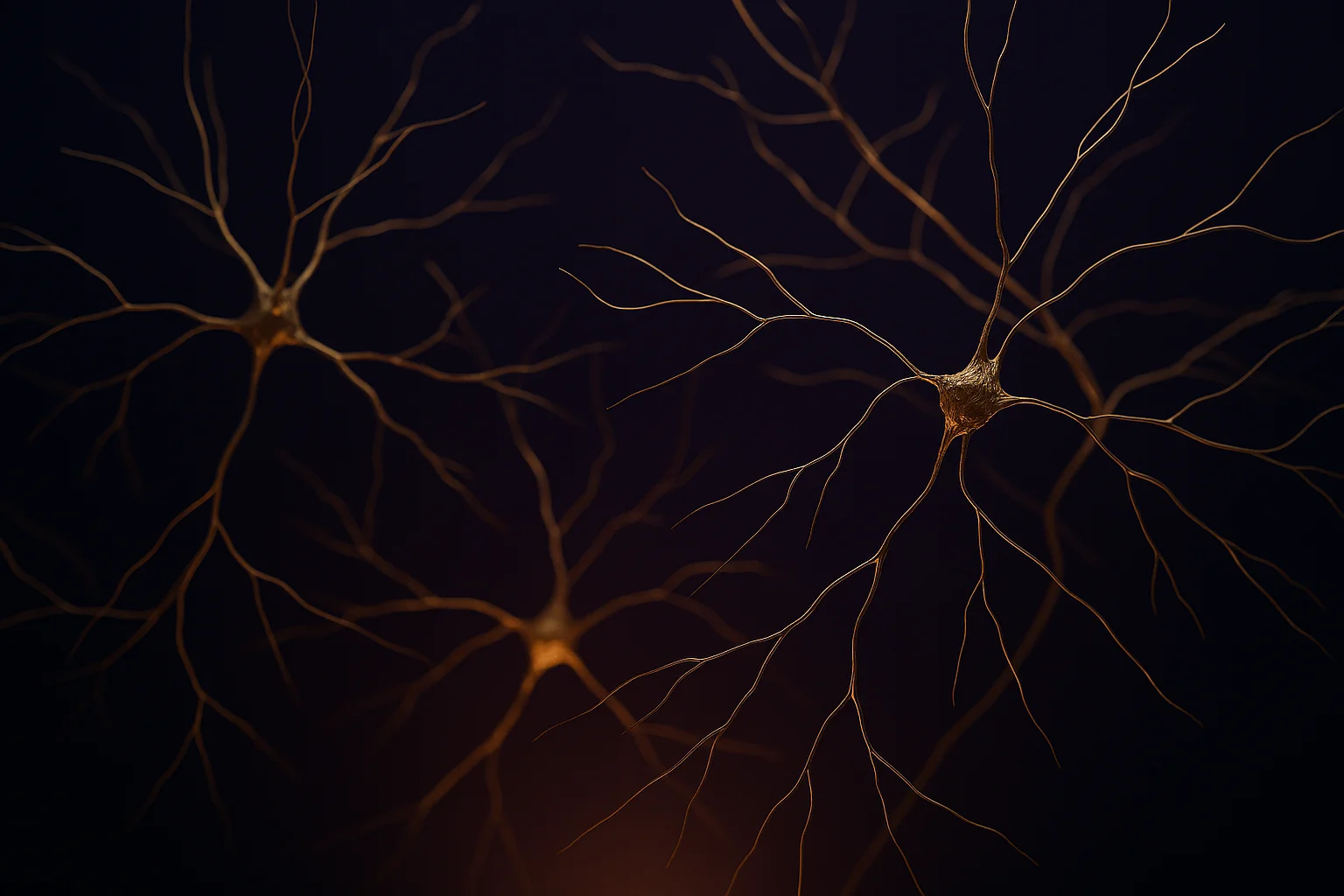
Schizophrenia is among the most complex psychiatric conditions, involving fundamental disruptions in thinking, perception, emotion, and behavior. It is a disorder of neurodevelopment and neurotransmitter function, primarily involving dysregulation of dopamine pathways in the brain -- particularly the mesolimbic pathway (associated with positive symptoms like hallucinations and delusions) and the mesocortical pathway (associated with negative symptoms and cognitive deficits). Neuroimaging reveals structural brain differences including enlarged ventricles, reduced cortical gray matter volume, and altered connectivity between brain regions.
At RECO Integrated Psychiatry, we approach schizophrenia with the seriousness and compassion it requires. We understand that a diagnosis of schizophrenia can feel overwhelming for patients and families alike, and we are committed to providing education, support, and evidence-based treatment that maximizes functioning and quality of life. Modern antipsychotic medications, combined with psychosocial interventions, have transformed outcomes for individuals with schizophrenia. While the condition is chronic, many patients achieve significant symptom control and meaningful recovery with consistent, comprehensive care.
It is critical to challenge the stigma surrounding schizophrenia. Individuals with schizophrenia are far more likely to be victims of violence than perpetrators, and with proper treatment, the vast majority live safely in the community. Early intervention is particularly important -- the first five years after onset represent a critical treatment window during which aggressive, comprehensive care can significantly alter the long-term trajectory of the illness. Our coordinated specialty care approach is designed to provide this level of intensive, early support.
Types We Treat
Schizophrenia
The primary diagnosis involves a combination of positive symptoms (hallucinations, delusions, disorganized speech), negative symptoms (diminished emotional expression, reduced motivation, social withdrawal, poverty of speech), and cognitive symptoms (impaired working memory, attention, and executive function). Symptoms must be present for at least six months, with at least one month of active-phase symptoms. Schizophrenia follows a variable course, with some individuals experiencing episodic psychosis with periods of relative stability and others experiencing a more continuous course.
Schizoaffective Disorder
Schizoaffective disorder combines features of schizophrenia (psychotic symptoms) with a major mood episode (either major depression or mania) that is present for the majority of the illness. It is divided into depressive type and bipolar type. Treatment requires addressing both the psychotic and mood components simultaneously, often with a combination of antipsychotics and mood stabilizers or antidepressants.
Brief Psychotic Disorder & Other Psychotic Conditions
Brief psychotic disorder involves sudden onset of psychotic symptoms (delusions, hallucinations, disorganized speech) lasting between one day and one month, with full return to premorbid functioning. Other conditions in the schizophrenia spectrum include schizophreniform disorder (symptoms lasting 1-6 months) and delusional disorder (persistent delusions without other prominent psychotic symptoms). Each requires careful evaluation and targeted treatment.
Causes & Risk Factors
Schizophrenia results from a complex interaction of genetic vulnerability, neurodevelopmental factors, and environmental triggers. The heritability of schizophrenia is approximately 80%, and having a first-degree relative with the condition increases risk to approximately 10% (compared to 1% in the general population). Environmental risk factors include prenatal infection or stress, obstetric complications, childhood adversity, cannabis use during adolescence, urbanicity, and migration. The dopamine hypothesis remains central to our understanding, but glutamate, GABA, serotonin, and neuroinflammatory mechanisms also play significant roles.
Signs & Symptoms
Positive Symptoms
- ✓ Hallucinations (most commonly auditory -- hearing voices, but can involve any sense)
- ✓ Delusions (fixed false beliefs: paranoid, grandiose, referential, or bizarre)
- ✓ Disorganized thinking and speech (loose associations, tangential responses, word salad)
- ✓ Grossly disorganized or catatonic behavior
- ✓ Agitation, unpredictable emotional responses
Negative & Cognitive Symptoms
- ✓ Flat or blunted affect (diminished emotional expression)
- ✓ Avolition (loss of motivation to initiate and sustain activities)
- ✓ Alogia (reduced speech output, brief or empty responses)
- ✓ Anhedonia (inability to experience pleasure)
- ✓ Social withdrawal and isolation
- ✓ Cognitive deficits: impaired attention, working memory, processing speed, and executive function
Our Treatment Approach
Antipsychotic Medication
Antipsychotic medications are the foundation of schizophrenia treatment. Second-generation (atypical) antipsychotics such as risperidone, olanzapine, quetiapine, aripiprazole, paliperidone, and clozapine are typically preferred due to their broader efficacy and different side effect profiles. Clozapine is the gold standard for treatment-resistant schizophrenia, offering superior efficacy when two or more other antipsychotics have failed. Long-acting injectable antipsychotics (LAIs) provide consistent medication delivery and are particularly beneficial for patients who struggle with daily medication adherence. Our psychiatrists carefully monitor metabolic parameters, extrapyramidal symptoms, and other side effects.
Learn MoreCBT for Psychosis (CBTp)
Cognitive Behavioral Therapy for Psychosis is an evidence-based intervention that helps patients develop coping strategies for persistent symptoms, challenge delusional beliefs through guided questioning, reduce distress associated with hallucinations, and improve overall functioning. CBTp does not aim to eliminate symptoms entirely but rather to change the patient's relationship with their symptoms, reducing their impact on daily life.
Learn MoreCoordinated Specialty Care
Our coordinated specialty care model provides comprehensive, team-based treatment that includes psychiatric medication management, individual and group therapy, family psychoeducation and support, case management, supported education and employment services, and crisis intervention. This model has been shown to significantly improve outcomes, particularly for individuals experiencing their first episode of psychosis.
Learn MoreFamily Support & Psychoeducation
Family involvement is a critical component of schizophrenia treatment. Our family psychoeducation program helps loved ones understand the illness, recognize early warning signs of relapse, develop effective communication strategies, manage their own stress and emotions, and create a supportive home environment that promotes recovery. Research consistently shows that family involvement in treatment reduces relapse rates and improves long-term outcomes.
Learn MoreWhen to Seek Help
If you or a loved one is experiencing hallucinations, delusions, disorganized thinking, significant personality changes, or social withdrawal, a professional evaluation is essential. Early intervention dramatically improves long-term outcomes for psychotic disorders.
Seek immediate help if you experience:
- ! Active psychotic symptoms (hearing voices, severe paranoia, delusional beliefs)
- ! Risk of harm to self or others
- ! Inability to care for basic needs (eating, hygiene, safety)
- ! Significant disorganization preventing daily functioning
Crisis Resources: Call 988 (Suicide & Crisis Lifeline), text HOME to 741741, or go to your nearest emergency room. These services are available 24/7.
Frequently Asked Questions
Related Conditions
Bipolar Disorder
Schizoaffective disorder bridges schizophrenia and bipolar disorder. Accurate differentiation between these conditions is essential for treatment.
Depression
Depression commonly co-occurs with schizophrenia and significantly impacts quality of life. Integrated treatment addresses both conditions.
Insomnia
Sleep disturbance is common in schizophrenia and can exacerbate psychotic symptoms. Proper sleep management is part of comprehensive care.
Personality Disorders
Certain personality disorders can present with features that overlap with psychotic conditions, requiring careful differential diagnosis.