What to Expect From RECO Intensive Rehab in 2026 Delray
If you are reading this because rehab feels urgent, confusing, or a little terrifying, that reaction makes sense. The hardest part is often not admitting there is a problem. It is figuring out what happens next, who will judge you, and whether treatment will fit your life. At RECO Integrated Psychiatry in Delray Beach, people […]

If you are reading this because rehab feels urgent, confusing, or a little terrifying, that reaction makes sense. The hardest part is often not admitting there is a problem. It is figuring out what happens next, who will judge you, and whether treatment will fit your life.
At RECO Integrated Psychiatry in Delray Beach, people usually arrive carrying more than one concern. They may need help with signs of addiction, depression and addiction, or anxiety that has been growing for months. Some are searching for a Delray Beach rehab after trying to manage on their own. Others are comparing Florida addiction treatment options and trying to avoid another false start.
What people in Delray Beach are really walking into when they arrive at RECO Intensive
Why a beachside recovery setting can feel calmer without making the work any easier
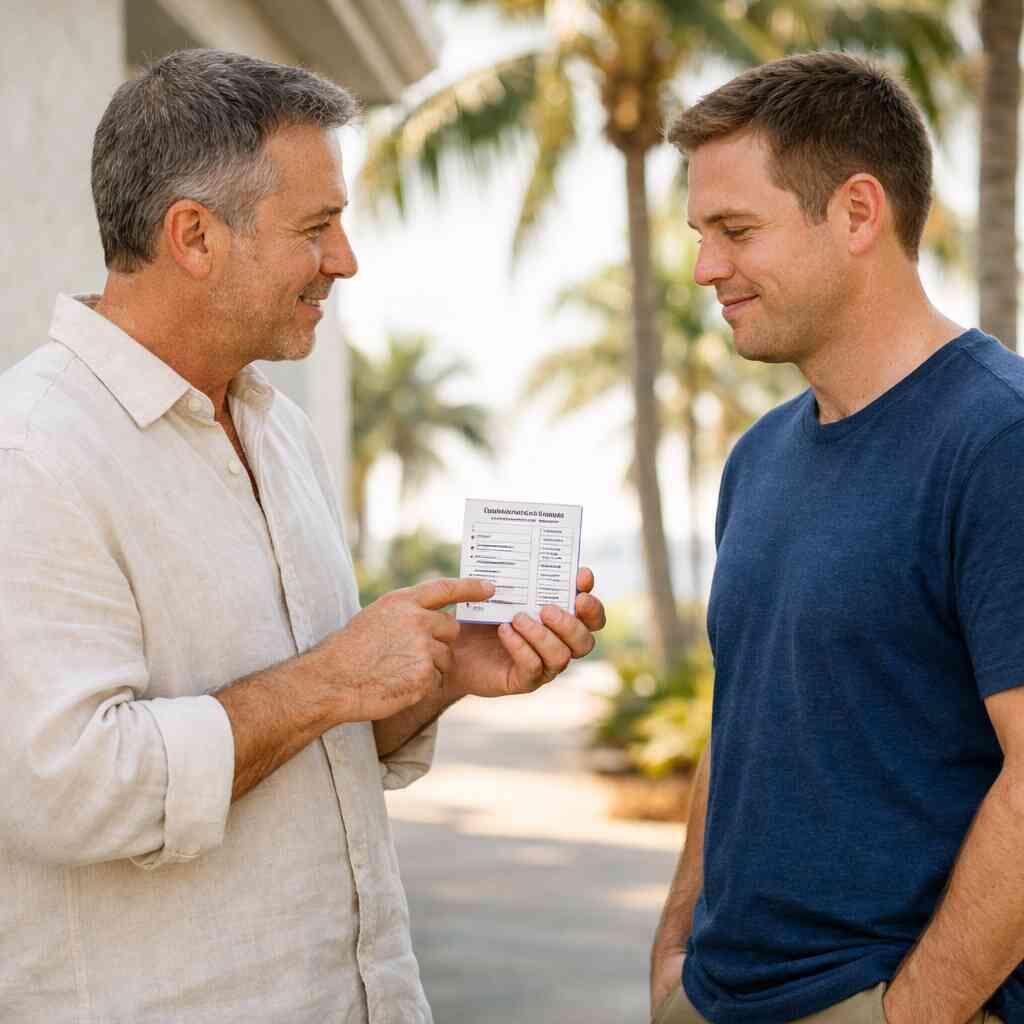
A coastal setting can soften the edge of a hard decision. Palm trees, bright air, and the walkability around Atlantic Avenue can make the first day feel less clinical. Still, a calm setting does not make the work easier. Recovery remains honest, structured, and demanding.
That balance matters in what to expect from RECO Intensive rehab in Delray Beach in 2026. People often think the setting will do the healing for them. It will not. What it can do is help you stay present long enough to do the work, especially if fear, shame, or exhaustion have been running the show.
One client in a nearby Palm Beach County neighborhood once said the hardest part was simply getting through the parking lot. That is common. Once inside, the question shifts from “Can I do this?” to “What do I need today?” That change sounds small. It is not.
“I had a wonderful, powerful, exceptional experience in recovery at RECO Integrated psychiatry/intensive,as well as all around mental,emotional and addictive therapy. The staff is wonderful , it is a safe space clean and modern . The exercises in mental health therapy was an amazing opportunity and full whole person addiction mental, physically and emotionally treatment. Very structured program, each day has a specific direction that follows a wonderful whole person treatment plan. Great therapist,peer to peer work as well . I enjoyed one on one and group sessions. I personally took part in PHP,IOP and they offer OP as well . The facility took us to meetings and groups almost every night except the day(s) they brought the meeting to the sober house I stayed in. We had outings and activities every week , equine therapy too. I can’t say enough about this facility,program and staff . I would recommend to anyone any age to consider RECO for a complete and thorough treatment facility. I have remained sober after coming home ,I am regaining confidence, lost relationships and a sober community since treatment . RECO gave me skills and realized dreams to stay clean and sober .”- Alisha S., a 5 star review from our business on Google Business Reviews
What the intake process looks like when insurance verification, clinical screening, and travel plans all happen fast
The intake process should feel organized, not chaotic. For many families, the first worry is insurance verification. That is followed quickly by questions about clinical fit, travel, work obligations, and how to get here without making everything worse. If you are coordinating from outside Delray Beach, timing matters.
A solid intake usually includes a medical and psychiatric screening, a review of current medications, and a look at safety concerns. If alcohol, fentanyl, heroin, prescription pill addiction, cocaine detox in Florida, or benzodiazepine withdrawal are part of the picture, the team needs clear facts. If you are comparing insurance verification for Florida rehab and treatment planning, ask directly about in-network and out-of-network benefits, Aetna, Cigna, Blue Cross Blue Shield, and self-pay options. That conversation should happen early.
Here is the part most people miss: speed matters, but accuracy matters more. A rushed fit can lead to a poor experience, while a careful screen can prevent an unsafe placement. If travel is a barrier, ask about how to coordinate travel to a South Florida rehab center before you assume distance will block care.
How RECO Intensive fits inside a larger South Florida care network with PHP, intensive outpatient, and aftercare support
RECO Intensive is not a stand-alone idea. It sits inside a broader South Florida care network that may include detox, residential treatment facility support, a partial hospitalization program, intensive outpatient, and aftercare planning. That matters because recovery rarely moves in a straight line. People may need more structure first, then less structure later.
The day-to-day path often depends on symptoms, safety, and real-life demands. Some people need Florida rehab programs in Delray Beach with PHP and IOP support. Others are a better fit for an outpatient program Delray Beach residents can attend while rebuilding work and family routines. The goal is not to place you in the most intense level possible. It is to place you where progress can actually happen.
What we have seen in 2026 specifically is that families ask smarter questions. They want to know about aftercare support, case management, and sober living resources before discharge arrives. That is healthy. Long-term recovery depends on what happens after the structured days end.
The part most families misunderstand about intensive rehab and dual diagnosis care
What changes when substance use and mental health are treated as co-occurring disorders instead of separate problems
A lot of families still treat addiction and mental health as separate lanes. That split misses how co-occurring disorders actually work. The person using alcohol, cocaine, opioids, or pills may also be trying to quiet panic, trauma, bipolar swings, or deep depression. If you treat only one side, the other side keeps driving relapse.
That is why Delray Beach addiction treatment and dual diagnosis care in South Florida can be so important. The co-occurring disorder model looks at the full pattern, not just the substance use. NIDA has long supported integrated care for dual diagnosis because symptoms often feed each other. Anxiety can drive drinking. Drinking can worsen anxiety. The loop keeps turning.
This is especially true in alcoholism treatment center settings and opioid rehab Delray programs, where shame can hide what is really going on. People may describe drug rehab near me searches as if they are shopping for a service. Often, they are really looking for relief from a mind that will not settle down. That distinction changes treatment planning.
How depression and addiction, anxiety treatment, bipolar disorder therapy, PTSD treatment, and trauma therapy South Florida often overlap in real life
Depression and addiction often arrive together. So do anxiety treatment needs, bipolar disorder therapy, PTSD treatment, and trauma therapy South Florida residents may need after years of coping alone. The clinical picture can look messy because it usually is. Sleep changes, irritability, panic, cravings, and low motivation often overlap.
A young adult from Boca Raton once came in insisting the main issue was “just stress.” By the second session, the pattern was clearer. Sleep loss, cannabis use, missed classes, and periods of intense energy had all been covering a mood disorder. That kind of overlap is common. It is also why a careful assessment matters more than a quick label.
The right plan should account for both body and mind. If someone is seeking fentanyl treatment, heroin recovery, or prescription pill addiction support, the team should also ask about trauma, mood shifts, and prior treatment attempts. That is the difference between surface-level care and true dual diagnosis treatment.
Where CBT, DBT, EMDR trauma therapy, group therapy activities, and family therapy fit into a grounded treatment plan
Evidence-based treatment works best when it is matched to the problem in front of you. Cognitive behavioral therapy, or CBT, helps people notice and change unhelpful thoughts and habits. Dialectical behavior therapy, or DBT, helps with emotion regulation, distress tolerance, and relationship skills. EMDR trauma therapy can help some people process traumatic memories without getting stuck in them.
These methods are most useful when they are part of a bigger structure. That structure may include group therapy activities, mindfulness meditation, art therapy, yoga therapy, and family therapy. If family patterns have been shaped by drinking, fear, or silence, family therapy can change the tone at home quickly. Not overnight. But enough to matter.
Here is a simple way to think about it:
- CBT helps you catch thought traps.
- DBT helps you stay steady under stress.
- EMDR helps process trauma material.
- Group therapy builds accountability and shared language.
- Family therapy reduces mixed messages at home.
The best plans do not force one tool on every problem. They match tools to symptoms, then adjust as the person changes.
What medication-assisted treatment can mean in practice with options such as Suboxone maintenance and Vivitrol injections when clinically appropriate
Medication-assisted treatment, or MAT, can be a stabilizing part of care for some people. It is not a shortcut. It is a medical tool that can reduce withdrawal risk, lower cravings, and create enough stability for therapy to work. In opioid use disorder, options may include Suboxone maintenance or Vivitrol injections when clinically appropriate. Those medications are not right for everyone. They also do not replace counseling, structure, or relapse prevention. But for many patients, they can make the difference between repeated crisis and workable progress. That is especially relevant for people dealing with fentanyl treatment, heroin recovery, or repeated relapse after detox. SAMHSA guidance supports evidence-based medication use when indicated, and that matters. The point is not to choose between medicine and therapy. The point is to use both wisely, with licensed clinicians who keep the plan grounded in the patient’s actual life. If you are comparing the difference between detox and rehab in South Florida, this is one of the biggest distinctions. 
The decisions that shape long-term recovery after the program ends
What aftercare planning should include from sober living resources to case management and life skills training
Discharge should never feel like a cliff. Good aftercare planning starts before the last week of treatment. It should include sober living resources, follow-up appointments, case management, and life skills training. Those pieces help recovery survive contact with real life.
The strongest plans also address sleep, nutrition, transportation, and work stress. If someone leaves treatment without a routine, they are walking into risk. That is why nutritional counseling, vocational support, and coping skills practice matter more than many families expect. Recovery is not only about stopping a substance. It is about rebuilding daily structure.
Our team often sees people do better when planning begins early. That may mean linking to best 5 aftercare planning steps for sober living in 2026 or asking directly how case management will continue after discharge. Planning is not busywork. It is relapse prevention in practical form.
How alumni support, 12-step alternatives, SMART Recovery, and relapse prevention keep recovery connected after discharge
Long-term recovery usually needs connection. That connection may come through alumni support, peer groups, or therapy follow-up. Some people use 12-step alternatives because the traditional model does not fit their beliefs or learning style. Others like SMART Recovery because it feels more skills-based and practical.
What matters most is consistency. A weekly group can anchor a person during a hard month. Alumni programming can reduce isolation when the novelty of treatment fades. If you want a broader menu of support groups and 12-step alternatives for recovery in South Florida, ask about fit, not just availability.
One common mistake is waiting for a crisis before re-engaging care. That delay can cost weeks. Relapse prevention works best when it is boring, repetitive, and honest. Trigger plans, sponsor or peer contact, and routine check-ins are not glamorous. They are effective.
When a family should look at an outpatient program Delray Beach, mental health IOP, or partial hospitalization program instead of waiting for a crisis
Many families wait too long to step care up. They hope things will settle. Sometimes they do. Often they do not. If symptoms are growing, sleep is breaking down, or substance use is returning, the better move is to ask about a partial hospitalization program in Delray Beach for structured recovery or an intensive outpatient program.
PHP is more structured. IOP gives more room for work, school, or home duties. An intensive outpatient program in Delray Beach for ongoing treatment may be the right fit when someone needs support without round-the-clock care. If the issue is mostly mood, anxiety, or medication follow-up, an outpatient program Delray Beach patients can attend may be enough.
Here is what almost no online guide mentions: the wrong level of care can feel like failure. It is not failure. It is a mismatch. A careful step up or step down often prevents a bigger crisis later.
How to choose a rehab in Palm Beach County when you are comparing private rehab options, insurance plans, and the recovery fit that matters most
Choosing a rehab is partly clinical and partly personal. You should ask about licensure, dual diagnosis capability, aftercare, and how families are included. You should also ask about the setting, the schedule, and whether the program feels respectful. The right fit is not always the fanciest brochure.
If you are comparing private rehab options, ask for clear answers on insurance, out-of-network benefits, and self-pay options. If you are looking at first appointment and intake process for private rehab in Delray Beach, ask how fast the review happens and who will guide next steps. Florida rehabs that take insurance should explain coverage plainly. No jargon. No pressure.
A simple comparison can help:
What to askWhy it mattersIs dual diagnosis treatment available?Mental health and substance use often overlap.What levels of care are offered?PHP, IOP, and outpatient should connect cleanly.How is family involved?Family systems affect outcomes.What happens after discharge?Long-term recovery needs a plan.If you are in Delray Beach, Palm Beach County treatment centers, Broward County rehab searches, or even Miami addiction help and Fort Lauderdale detox comparisons, keep the same standard. Ask who will treat you, how they will treat you, and what happens after treatment ends. Then trust the place that answers clearly.
Frequently Asked Questions
How long does detox last at a Delray Beach rehab?
Detox length varies by substance, health history, and withdrawal severity. Alcohol and benzodiazepine withdrawal often need close medical oversight. Opioids may stabilize sooner, but symptoms can still linger. A clinical screen should guide the plan. Never guess on your own.
Does RECO Intensive take my insurance?
Coverage depends on your plan, benefits, and level of care. Ask for insurance verification before admission. Many families check Aetna, Cigna, and Blue Cross Blue Shield first. Out-of-network benefits and self-pay options may also matter. A clear admissions call can save time.
What is the difference between PHP and IOP?
PHP, or partial hospitalization program, gives more structure and clinical contact. IOP, or intensive outpatient, offers fewer weekly hours and more flexibility. PHP often fits people who need heavier support. IOP often fits those stepping down. The right level depends on symptoms and stability.
Can I bring my phone to treatment?
Policies vary by program and level of care. Some settings limit phone use early on to protect focus and reduce outside stress. Others allow more access with boundaries. Ask before admission so expectations are clear. That conversation can reduce a lot of anxiety.
Is family involved in the program?
Family involvement is often helpful, especially when trust has been damaged. Programs may offer family therapy, education, or scheduled family weekend support. Families learn how to respond without rescuing or shaming. That shift can support both recovery and home life.
What if I need help for depression but not addiction?
That is still a valid reason to seek care. Depression, anxiety, bipolar disorder, and PTSD can be treated on their own or alongside substance use concerns. RECO Integrated Psychiatry also supports outpatient psychiatric care and telepsychiatry for Florida residents. If you are unsure, a clinical evaluation can clarify the best path.
How can I start if I feel overwhelmed right now?
Start with one call and one honest conversation. Ask about intake, insurance, and the right level of care. If Delray Beach feels too far, ask about travel coordination and telepsychiatry follow-up. Small, concrete action helps more than trying to solve everything tonight.
{
  "faqPage": [
    {
      "question": "How long does detox last at a Delray Beach rehab?",
      "answer": "Detox length varies by substance, health history, and withdrawal severity. Alcohol and benzodiazepine withdrawal often need close medical oversight. Opioids may stabilize sooner, but symptoms can still linger. A clinical screen should guide the plan."
    },
    {
      "question": "Does RECO Intensive take my insurance?",
      "answer": "Coverage depends on your plan, benefits, and level of care. Ask for insurance verification before admission. Many families check Aetna, Cigna, and Blue Cross Blue Shield first. Out-of-network benefits and self-pay options may also matter."
    },
    {
      "question": "What is the difference between PHP and IOP?",
      "answer": "PHP, or partial hospitalization program, gives more structure and clinical contact. IOP, or intensive outpatient, offers fewer weekly hours and more flexibility. PHP often fits people who need heavier support. IOP often fits those stepping down."
    },
    {
      "question": "Can I bring my phone to treatment?",
      "answer": "Policies vary by program and level of care. Some settings limit phone use early on to protect focus and reduce outside stress. Others allow more access with boundaries. Ask before admission so expectations are clear."
    },
    {
      "question": "Is family involved in the program?",
      "answer": "Family involvement is often helpful, especially when trust has been damaged. Programs may offer family therapy, education, or scheduled family weekend support. Families learn how to respond without rescuing or shaming."
    },
    {
      "question": "What if I need help for depression but not addiction?",
      "answer": "That is still a valid reason to seek care. Depression, anxiety, bipolar disorder, and PTSD can be treated on their own or alongside substance use concerns. RECO Integrated Psychiatry also supports outpatient psychiatric care and telepsychiatry for Florida residents."
    }
  ]
}

If you are comparing options tonight, open your notes, list the substances or symptoms involved, and call for an intake review tomorrow. You do not have to figure this out alone, and you do not have to solve everything today. Start with one conversation, then let the plan become clearer from there.