
Anxiety treatment for Lantana — SSRI dosing done right, CBT that works.
A specialist outpatient program for clients in Lantana. PHP, IOP, in-house psychiatry, sober-living network, family programming. Same admissions team, 24/7.
Start the conversation Or call directly — (561) 421-4107Local options exist. This is the clinical specialist.
RECO Integrated Psychiatry is 18 minutes south of Lantana via Federal Highway or A1A and is in-network with Florida Blue, Aetna, Cigna, UnitedHealthcare, Humana, and BCBS. The anxiety practice targets SSRI trials at anxiety-appropriate doses — sertraline 150–200 mg, escitalopram 20 mg, fluoxetine above 60 mg for OCD — and pairs medication with disorder-specific CBT: exposure and response prevention for OCD, interoceptive exposure for panic, in-vivo exposure for social anxiety. Follow-ups are available by telepsychiatry for Florida-resident patients between in-person visits.
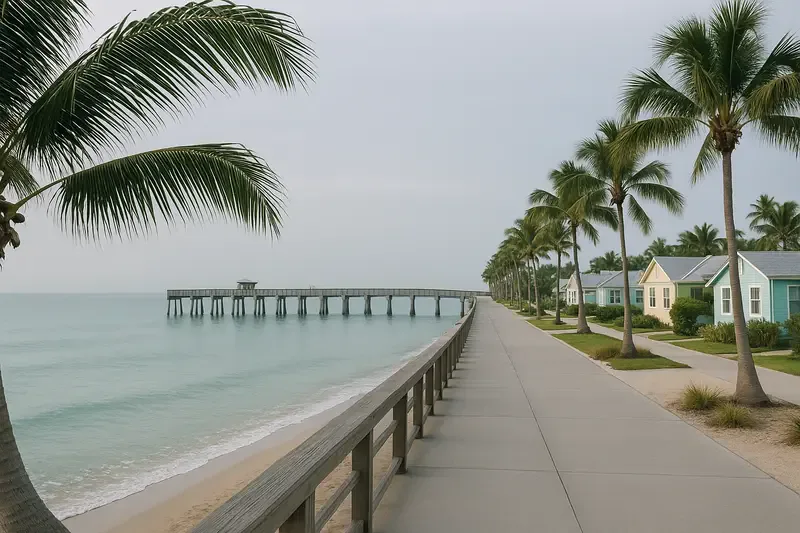
Lantana and Hypoluxo Island sit on the barrier-island stretch between Delray Beach and West Palm Beach, roughly 18 minutes south of RECO Integrated Psychiatry’s Delray Beach office via Federal Highway. For adults in Old Town Lantana, Manalapan, and Ocean Ridge, the practice provides specialist-led outpatient psychiatry — medication management, TMS, Spravato, and telepsychiatry — for anxiety disorders that primary care has already attempted to treat and been unable to resolve. The clinical emphasis is on getting the diagnosis specific, getting the medication dose correct, and pairing pharmacotherapy with the right structured psychotherapy for the disorder in front of the patient.
The disorder distinctions that change treatment
Generalized anxiety disorder, panic disorder, social anxiety disorder, and obsessive-compulsive disorder are routinely grouped under the single word “anxiety” in casual conversation and in many primary care encounters. They are not the same condition. They respond to different psychotherapy protocols, they require different medication dose targets, and they carry different comorbidity patterns. Treating them as interchangeable is one of the most common reasons outpatient anxiety treatment stalls before it reaches remission.
RECO’s intake uses validated scales to distinguish them. The GAD-7 screens generalized anxiety severity. The Panic Disorder Severity Scale (PDSS) tracks panic frequency and phobic avoidance. The Liebowitz Social Anxiety Scale (LSAS) separates performance-only social anxiety from the generalized subtype. The Y-BOCS quantifies obsessive-compulsive symptom burden and monitors treatment response over time. Each intake note names a DSM-5-TR primary diagnosis rather than a symptomatic label.
Comorbid anxiety disorders are the rule rather than the exception — GAD with social anxiety, panic with agoraphobia, OCD with major depressive disorder. The treatment plan sequences these by severity, functional impairment, and which condition is driving the others. That sequencing determines the choice of medication, the referral for structured therapy, and the timeline for measuring response.
SSRI dosing for anxiety versus depression
Effective SSRI doses for anxiety disorders typically sit at the upper end of the depression range, and often above it. Sertraline for GAD or OCD is targeted at 150–200 mg. Escitalopram is titrated to 20 mg. Paroxetine, when tolerated, reaches 40–60 mg. Fluoxetine for OCD may exceed 60 mg. Prescribing 50 mg of sertraline for six weeks and calling the trial a failure is a common but avoidable outcome — the trial was not adequate.
Anxious patients are typically started at half the usual starting dose. Initiation activation — jitteriness, increased worry, restless sleep — can worsen anxiety before symptoms improve. Starting at 12.5 mg of sertraline or 5 mg of escitalopram for the first week reduces early dropout. Titration is deliberately slower. Full response can take 8–12 weeks at the target dose, and longer for OCD.
Getting the SSRI dose and the trial duration correct is one of the highest-yield interventions in outpatient anxiety psychiatry. Before adding a second medication, RECO confirms that the first-line agent was pushed to its evidence-supported target and held there long enough to be evaluated. That decision point is where many outpatient anxiety regimens quietly fail.
Augmentation and second-line options
When an SSRI produces partial response in GAD, buspirone at 20–60 mg per day is a first-choice augmentation — non-sedating, non-habit-forming, and supported by the strongest augmentation evidence base for generalized anxiety. Duloxetine and venlafaxine XR are appropriate SNRI alternatives when an SSRI is not tolerated or has failed at adequate dose. Hydroxyzine and gabapentin cover PRN symptomatic needs without benzodiazepine-class dependence risk.
For panic disorder, partial responders benefit more from adding structured CBT with interoceptive exposure than from further medication changes. Panic symptoms extinguish when the patient learns that the physical sensations of panic — tachycardia, dyspnea, derealization — are not dangerous. That extinction learning is a behavioral process; medication alone rarely completes it.
For OCD, the augmentation evidence favors low-dose atypical antipsychotics — aripiprazole at 5–15 mg or risperidone at 0.5–2 mg added to an adequate SSRI trial. The evidence base for antipsychotic augmentation in refractory OCD is stronger than for switching among SSRIs or moving to an SNRI. Situational performance anxiety responds to propranolol 10–40 mg taken 30–60 minutes before the triggering event, dosed to the patient’s resting heart rate and blood pressure.
Benzodiazepines — when we do and don’t prescribe
Benzodiazepines have a defined and narrow role in anxiety treatment. They are appropriate for short-term crisis stabilization while an SSRI reaches therapeutic effect, and for select cases of panic disorder that have failed adequate SSRI trials and structured CBT. They are not appropriate as open-ended maintenance treatment for generalized anxiety, social anxiety, or OCD.
The pharmacologic argument against chronic benzodiazepine use in anxiety disorders is that they blunt the extinction learning that exposure-based CBT relies on. A patient on standing lorazepam does not fully experience the interoceptive cues that panic-focused CBT targets, and habituation does not occur. The clinical result is symptomatic quiet without durable improvement, alongside tolerance, dependence, and cognitive effects that accumulate over years.
For any patient with a history of alcohol use disorder, opioid use disorder, or sedative use disorder, RECO’s default is not to prescribe benzodiazepines. When they are clinically appropriate, the plan is written with a defined taper timeline and non-benzodiazepine alternatives — hydroxyzine, gabapentin, propranolol, and structured skills work — identified from the start rather than negotiated after dependence has formed.
What to expect on the first visit
The initial evaluation is a 60-minute appointment with a psychiatrist or psychiatric nurse practitioner. It covers current symptoms with validated measures such as the GAD-7, PHQ-9, and disorder-specific instruments (Y-BOCS, PDSS, LSAS), prior medication trials at their actual doses and durations, psychotherapy history, medical comorbidities that affect prescribing (thyroid, cardiac, and hepatic function), family psychiatric history, and substance use screening.
The visit ends with a written DSM-5-TR diagnostic impression, a specific medication plan or change, and a therapy referral pathway matched to the diagnosis: exposure and response prevention for OCD, interoceptive exposure for panic, in-vivo exposure for social anxiety, and cognitive-behavioral therapy or acceptance and commitment therapy for GAD. Telepsychiatry follow-ups are available for Florida-resident patients between in-person visits.
Insurance and admissions from Lantana
RECO Integrated Psychiatry is in-network with Florida Blue, Aetna, Cigna, UnitedHealthcare, Humana, and BCBS. Verification of benefits is completed before the first appointment, and the specialist copay, coinsurance, and remaining deductible are quoted in advance rather than after the visit. Self-pay rates are published for patients using out-of-network benefits or paying directly.
The Delray Beach office is 11 miles south of Lantana — approximately 18 minutes via Federal Highway or slightly less along A1A through Manalapan and Gulf Stream. Same-week new-patient evaluations are typically available, and established patients on stable regimens can complete follow-ups by telepsychiatry from home.
Serving residents of: Hypoluxo Island, Manalapan, Ocean Ridge, Old Town Lantana.
If it's any of these, we can help.
From Lantana callers, most asked.
Does RECO Integrated Psychiatry accept my insurance if I'm coming from Lantana?
How long does outpatient anxiety treatment usually take?
What happens at the first psychiatric evaluation?
Will RECO prescribe a benzodiazepine for my anxiety?
How do I get to RECO Integrated Psychiatry from Lantana?
Can my family be involved in treatment, and how is my privacy handled?
Other lantana-area communities we serve.

Confidential. No commitment.
Tell us a little and a real human from admissions will call you back. We verify insurance benefits within minutes and tell you honestly whether RECO Integrated Psychiatry is the right fit — including if we should refer you elsewhere.