
Bipolar disorder treatment for Wellington — the diagnosis primary care misses.
A specialist outpatient program for clients in Wellington. PHP, IOP, in-house psychiatry, sober-living network, family programming. Same admissions team, 24/7.
Start the conversation Or call directly — (561) 421-4107Local options exist. This is the clinical specialist.
RECO Integrated Psychiatry sits 38 minutes east of Wellington in Delray Beach — close enough for the in-person evaluation bipolar disorder actually requires, and close enough for quarterly lithium levels without disrupting a working month. Our practice runs the full evidence base: lithium with baseline and quarterly monitoring, lamotrigine with slow titration, second-generation antipsychotics with metabolic surveillance, and the structured diagnostic workup that distinguishes bipolar II depression from unipolar depression. Wellington clients from Olympia, Versailles, Aero Club, and Palm Beach Polo see a board-certified psychiatrist, not a rotating panel.
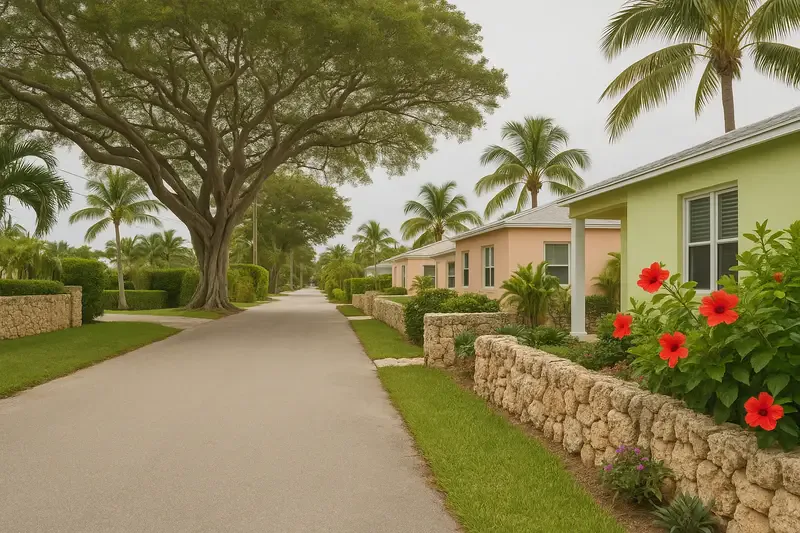
Wellington sits 28 miles west of RECO Integrated Psychiatry’s Delray Beach office — roughly 38 minutes by car through the equestrian corridor and the gated communities of Olympia, Versailles, Aero Club, Palm Beach Polo, and Wellington View. That drive time matters for bipolar disorder specifically: mood stabilizer titration, lithium level draws, and metabolic monitoring depend on a clinic clients can actually reach on a predictable cadence. Our practice is structured around that reality — specialist psychiatric care a Wellington resident can build into a working month without a residential stay.
Bipolar I versus bipolar II versus bipolar spectrum
Bipolar I requires at least one manic episode — seven days of elevated or irritable mood with functional impairment, psychosis, or hospitalization. Bipolar II requires a hypomanic episode (four days, no psychosis, no marked impairment) plus a major depressive episode. Bipolar spectrum presentations — BP-NOS, cyclothymia, subthreshold bipolarity, and antidepressant-induced hypomania — carry clear cyclicity without meeting full DSM criteria, and are the presentations primary care most reliably misses.
The distinction is not academic. Bipolar I responds to a mood stabilizer plus a second-generation antipsychotic, with lithium and valproate as first-line options for mania and quetiapine, lurasidone, or cariprazine for depressive episodes. Bipolar II depression responds well to lamotrigine and quetiapine but poorly to lithium alone as an acute antidepressant. Bipolar spectrum requires the most careful hand — antidepressants without mood stabilizer cover in this group frequently precipitate hypomania, mixed states, or rapid cycling.
RECO’s diagnostic evaluation runs the Mood Disorder Questionnaire (MDQ), the Hypomania Checklist-32 (HCL-32), a structured lifetime hypomania timeline with collateral history where the client consents, and prospective mood charting across the first several weeks of treatment. Misdiagnosis of bipolar depression as unipolar depression drives the majority of “treatment-resistant depression” referrals we see from Wellington and the western Palm Beach corridor.
Lithium: the treatment we take seriously when others don’t
Lithium remains the single most effective long-term mood stabilizer in bipolar disorder and the only psychiatric medication with robust evidence for suicide prevention. The tradeoff is monitoring burden — baseline TSH, creatinine, calcium, CBC, and pregnancy testing where relevant; target serum level 0.6-1.0 mEq/L for maintenance; quarterly levels for the first year and semi-annually thereafter; and ongoing surveillance for weight gain, hypothyroidism, tremor, polyuria, and renal function decline.
Many clinicians avoid lithium because the monitoring cadence feels burdensome inside a fifteen-minute follow-up. Our protocol builds it in. Labs are ordered at the visit, results are reviewed the same week, and dose adjustments are made before the next appointment rather than at it. For clients who tolerate lithium, twenty-year outcome data on relapse prevention, hospitalization rates, and all-cause mortality justify the monitoring burden. For clients who cannot tolerate it — nephrotoxicity, thyroid dysfunction, tremor at therapeutic levels, or drug interactions with NSAIDs, ACE inhibitors, or thiazides — we transition rather than persist.
Second-generation antipsychotics and where they fit
Every second-generation antipsychotic used in bipolar disorder has FDA approval in specific phases. Quetiapine is approved for bipolar depression, acute mania, and maintenance and is often the most versatile single agent. Lurasidone is approved for bipolar I depression and carries a comparatively favorable metabolic profile. Aripiprazole and cariprazine are approved for mania and maintenance; olanzapine and the olanzapine-fluoxetine combination are approved for bipolar depression and mania but carry the largest metabolic footprint in the class. Risperidone is used primarily for mania.
Choice is driven by episode phase, prior response history, and metabolic risk. Standard monitoring includes weight and waist circumference at each visit, HbA1c and fasting lipids at baseline and at three months then annually, blood pressure at each visit, and screening for extrapyramidal symptoms and tardive dyskinesia with the AIMS scale. A Wellington client stabilized on quetiapine 300 mg for maintenance looks different clinically from a client on olanzapine 15 mg with rapid weight gain — both are common, and the second is the one that needs a plan.
Lamotrigine, valproate, and the anticonvulsant options
Lamotrigine has the strongest evidence for bipolar II depression and for maintenance where the depressive pole predominates. Titration is deliberately slow — 25 mg daily for two weeks, 50 mg for two weeks, 100 mg for one week, 200 mg maintenance — because rapid titration raises the risk of Stevens-Johnson syndrome and toxic epidermal necrolysis. Clients are counseled explicitly on rash presentation and instructed to hold the medication and call the on-call line at the first sign of mucosal involvement or a spreading rash.
Valproate (divalproex) is effective for acute mania, mixed states, and maintenance. Monitoring includes baseline LFTs, CBC with platelets, and pregnancy testing; serum levels are drawn to a target of 50-125 mcg/mL; teratogenicity — neural tube defects and reduced IQ in exposed children — makes it a poor choice in women of childbearing potential without a documented contraception plan. Carbamazepine is a second-line mood stabilizer with a meaningful drug interaction burden through CYP3A4 induction and its own monitoring protocol. Each of these medications is a standard part of our practice, and clients starting them leave with a written monitoring schedule rather than a verbal one.
What to expect on your first visit
The intake is 60-90 minutes with a board-certified psychiatrist or psychiatric nurse practitioner. Structured assessment covers mood history with a full hypomania timeline, family psychiatric history, prior medication trials and responses, substance use with a CIWA or COWS screen where relevant, sleep architecture, and current functional impairment measured with the PHQ-9 and MDQ at minimum. GAD-7, ASRS, and YBOCS are added where the presentation warrants, and adjunctive therapy modalities with evidence in bipolar disorder — interpersonal and social rhythm therapy, family-focused therapy, and CBT adapted for bipolar — are discussed as part of the plan.
Labs are ordered at the first visit: CMP, CBC, TSH, HbA1c, fasting lipid panel, vitamin D, B12, folate, and a urine drug screen. A treatment plan is written the same day and shared with the client, including which medication, why, what the monitoring schedule looks like, what to expect in the first two weeks, and what constitutes a call to the on-call line. Follow-up is at two weeks for most medication starts, then every four to six weeks once stable.
RECO offers bipolar disorder treatment in-person at our Delray Beach office and by secure telepsychiatry for follow-ups, which many Wellington clients use to eliminate the drive after the initial in-person evaluation.
Insurance and admissions from Wellington
RECO Integrated Psychiatry is in-network with Florida Blue, BCBS, Aetna, Cigna, UnitedHealthcare, and Humana. Verification of benefits runs before the first appointment; clients receive a written estimate of copay, deductible, and coinsurance responsibility before they arrive rather than a bill after. For plans that require prior authorization for TMS or Spravato, the practice manages the authorization submission directly.
The drive from Wellington to Delray Beach is 28 miles via Southern Boulevard to Florida’s Turnpike southbound, or via Forest Hill Boulevard and Military Trail — 38 minutes without traffic. First appointments are scheduled in-person; subsequent medication management visits can be conducted by secure video from a private location in Wellington. New client intake is typically within five to seven business days.
Serving residents of: Olympia, Versailles, Aero Club, Palm Beach Polo, Wellington View.
If it's any of these, we can help.
From Wellington callers, most asked.
Does RECO Integrated Psychiatry accept insurance for Wellington residents?
How long does bipolar disorder treatment take?
What happens at the first psychiatric evaluation?
How does RECO distinguish bipolar depression from unipolar depression?
How do I get to RECO Integrated Psychiatry from Wellington?
Can family be involved in bipolar disorder treatment?
Other wellington-area communities we serve.


Confidential. No commitment.
Tell us a little and a real human from admissions will call you back. We verify insurance benefits within minutes and tell you honestly whether RECO Integrated Psychiatry is the right fit — including if we should refer you elsewhere.