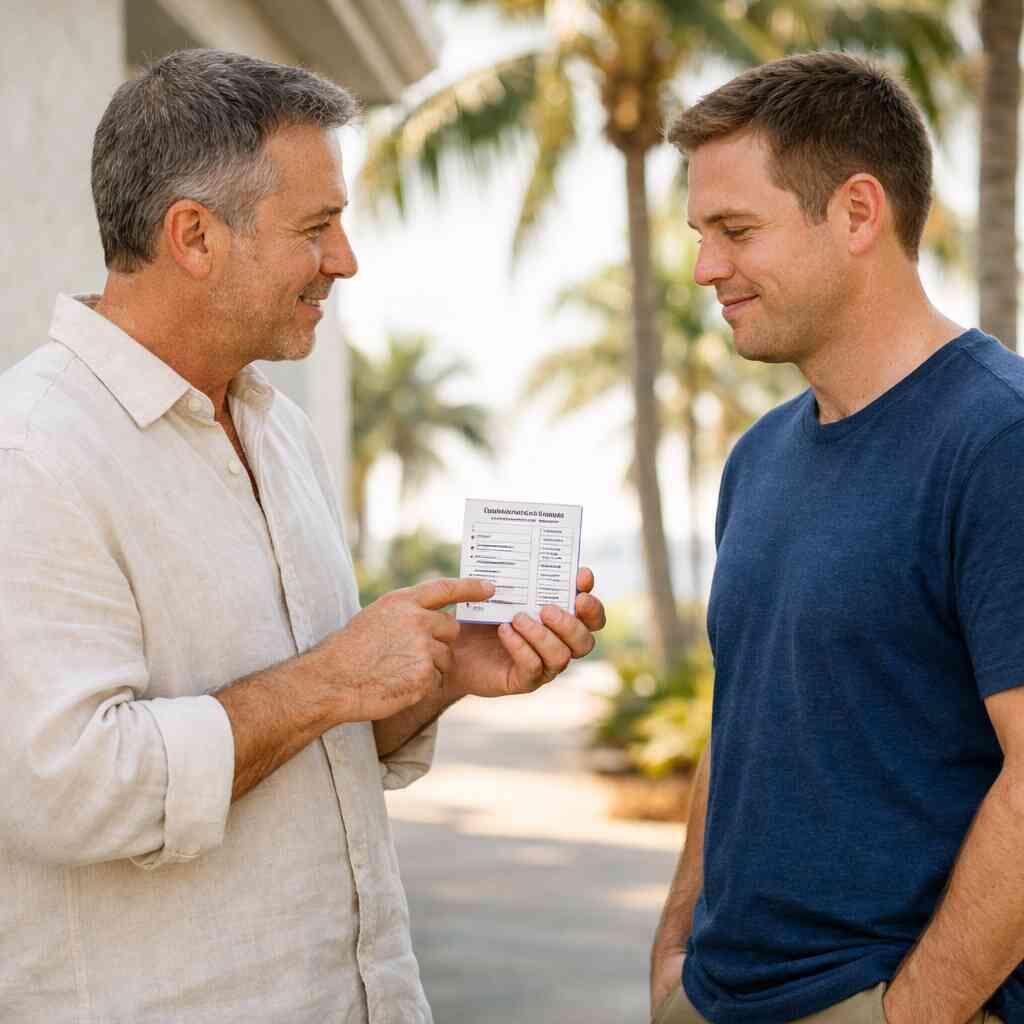
How RECO Integrated Psychiatry Builds Aftercare Plans in 2026
When discharge feels scarier than treatment itself The day discharge is discussed can feel strangely heavy. Relief is there, sure, but so is dread. If you are reading this because structure is ending and that emptiness feels real, that reaction makes sense. Many people feel steadier in treatment than outside it, especially after detox, residential […]

When discharge feels scarier than treatment itself
The day discharge is discussed can feel strangely heavy. Relief is there, sure, but so is dread. If you are reading this because structure is ending and that emptiness feels real, that reaction makes sense. Many people feel steadier in treatment than outside it, especially after detox, residential treatment, or a partial hospitalization program.
Why aftercare plans prevent the empty feeling that can hit after structured care ends
Aftercare planning exists to make the transition less abrupt. A good plan gives your days shape before the structure disappears. It usually includes outpatient psychiatry, therapy continuity, coping skills, and a clear plan for relapse prevention. Without that bridge, even capable adults can feel unmoored after leaving a Delray Beach recovery setting.
Here is the part many families miss: the hardest hours are often not the dramatic ones. They are the quiet evenings, the drive home from work, or the first weekend without constant support. A plan that names those moments and prepares for them can change the whole experience. It can also keep a person connected to life after treatment support.
One client in South Florida told our team that the first night back home felt louder than detox. The fridge hummed, the phone stayed silent, and every thought seemed bigger. We adjusted the schedule, added evening check-ins, and tightened the handoff to outpatient psychiatry. That small shift helped turn a frightening blank space into a manageable routine.
“I had a wonderful, powerful, exceptional experience in recovery at RECO Integrated psychiatry/intensive,as well as all around mental,emotional and addictive therapy. The staff is wonderful , it is a safe space clean and modern . The exercises in mental health therapy was an amazing opportunity and full whole person addiction mental, physically and emotionally treatment. Very structured program, each day has a specific direction that follows a wonderful whole person treatment plan. Great therapist,peer to peer work as well . I enjoyed one on one and group sessions. I personally took part in PHP,IOP and they offer OP as well . The facility took us to meetings and groups almost every night except the day(s) they brought the meeting to the sober house I stayed in. We had outings and activities every week , equine therapy too. I can’t say enough about this facility,program and staff . I would recommend to anyone any age to consider RECO for a complete and thorough treatment facility. I have remained sober after coming home ,I am regaining confidence, lost relationships and a sober community since treatment . RECO gave me skills and realized dreams to stay clean and sober .”- A.LeeGNV, a 5 star review from RECO Integrated Psychiatry on Google Business Reviews
What changes when outpatient psychiatry takes over medication management and follow-up care
Once the higher level of care ends, psychiatric follow-up care becomes the anchor. Medication management matters most when sleep, mood, cravings, or anxiety start shifting again. That is where outpatient psychiatry steps in with careful monitoring, small changes, and honest conversation. It is less about a perfect plan and more about staying responsive.
In practical terms, follow-up care may include medication adjustments, side-effect checks, refill timing, and coordination with therapy. For people recovering from alcohol use disorder, opioid use disorder, or depression and addiction together, that steady contact matters. It gives the treatment plan a pulse. It also supports medication management after detox.
Our Delray Beach team often sees people who did well in a structured setting but struggled once appointments became too far apart. That is common. If you are balancing work, traffic near Atlantic Avenue, and a complicated medication schedule, gaps happen fast. A strong aftercare plan keeps those gaps smaller.
How co-occurring disorders change the kind of support a person needs after discharge
Co-occurring disorders change everything. If anxiety, PTSD, bipolar disorder, ADHD, or depression sits beside substance use, discharge planning must address both conditions together. That is the dual diagnosis model described by NIDA and used across evidence-based treatment. Treating only one side usually leaves the other active.
This matters because symptoms can look like relapse when they are actually mood instability, panic, or trauma activation. A person with fentanyl treatment needs may also have insomnia and fear. Someone leaving cocaine detox Florida services may also carry shame, agitation, or racing thoughts. That is why co-occurring disorders and dual diagnosis treatment have to be built into the plan early.
Strong aftercare usually includes:
- A medication schedule that is simple enough to follow
- Therapy appointments that begin before motivation fades
- A backup plan for cravings, panic, or sleep loss
- Family or support contacts who know what to watch for
- A faster step-up option if symptoms rise
The blueprint behind an aftercare plan that actually holds up in real life
A useful aftercare plan is not a stack of papers. It is a working map. It tells you what happens next, who is responsible, and what to do if the plan stops fitting. At RECO Integrated Psychiatry, that blueprint is built to match the person, not the other way around.
How RECO matches partial hospitalization program and intensive outpatient levels to the next phase of care
The level of care has to fit the clinical picture. Some people need a partial hospitalization program for more hours and tighter support. Others do better in intensive outpatient care after discharge, especially when home is stable and cravings are lower. The question is not which level sounds stronger. The question is which level helps you stay safe and consistent.
PHP and IOP serve different needs. PHP gives more daily structure. IOP gives more flexibility while still keeping therapy and psychiatric support active. For many people, step-down care with PHP and IOP for recovery maintenance is the smoothest way to keep momentum after rehab in Palm Beach County or an outpatient program Delray Beach setting.
What we see in 2026 specifically is this: people often need more support than they expected, but less than they feared. That middle space is where step-down care works best. It can support young adult recovery, professional support program schedules, LGBTQ+ affirmative care, and veterans addiction support without forcing one mold onto everyone.
Why therapy continuity matters more than a polished discharge packet
A discharge packet can look impressive and still fail in real life. If therapy stops, skills fade. If sessions begin too late, cravings can grow louder than the plan. Continuity matters because recovery is built through repetition, not paperwork.
This is where therapy continuity with intensive outpatient support and case management becomes essential. Case management can help with transportation, appointments, referrals, and communication between providers. Therapy continuity also protects people living in a coastal healing environment that can still feel lonely once structure drops away. A calm beachside recovery setting does not replace support. It works best when support stays active.
One man leaving alcohol recovery care told us he had every resource listed on paper. Still, he missed two appointments because he did not know which office handled what. We rebuilt the schedule, put names next to tasks, and added a same-week therapy start. That is often the difference between a plan that exists and a plan that holds.
How CBT, DBT, and EMDR trauma therapy are chosen for relapse prevention and emotional stability
The therapy choice should match the problem. Cognitive behavioral therapy helps people spot the thoughts that push behavior off course. Dialectical behavior therapy helps with distress tolerance, emotion regulation, and impulse control. EMDR trauma therapy can help when PTSD treatment, trauma therapy South Florida concerns, or older pain keeps driving substance use.
These therapies have different jobs. CBT is often practical and skills-based. DBT can help when emotions spike quickly or when self-destructive behavior appears under stress. EMDR trauma therapy is often considered when trauma memories feel stuck and keep triggering relapse risk. Cognitive behavioral therapy and dialectical behavior therapy for relapse prevention are commonly used together when depression and addiction or anxiety treatment needs overlap.
The table below shows how these options often fit after discharge.
TherapyCommon use after dischargeWhy it helpsCBTCravings, negative thoughts, routinesBuilds coping skills and challenges patternsDBTIntense feelings, urges, conflictImproves emotion control and distress toleranceEMDRTrauma triggers, PTSD symptomsHelps process trauma-linked stress safely### Where medication-assisted treatment fits for opioid recovery and alcohol recovery support
Medication-assisted treatment can be a steadying force when opioid or alcohol recovery is fragile. For some people, Suboxone maintenance lowers opioid cravings and helps them stay focused on life outside treatment. For others, Vivitrol injections support alcohol recovery or opioid relapse prevention after the medical team confirms it is appropriate. These tools are not substitutes for therapy. They are supports that can make therapy usable.
Good aftercare for prescription pill addiction, heroin recovery, opioid rehab Delray needs, or fentanyl treatment should always include close psychiatric follow-up. That is because medications work best when paired with counseling, sleep support, and honest monitoring. For some patients, this means ongoing contact with long-term recovery support and psychiatric follow-up care in Delray Beach. For others, it means adjusting the pace until stability returns.
What gets built before the patient walks out the door
The best discharge planning starts before discharge is even discussed. Intake, assessment, family input, and practical planning all shape the final map. That preparation matters because recovery at home does not look like recovery in a controlled setting.
The intake process that turns clinical notes into a practical aftercare map
A strong intake process gathers more than symptoms. It looks at safety, housing, work demands, transportation, medication history, past relapses, and current stress. It also checks whether the person needs detox first, especially for alcohol withdrawal, benzodiazepine withdrawal, or cocaine detox Florida concerns. If detox is needed, the plan should point to the right level before anything else.
That early picture helps the team decide what the next month should look like. For some, that means a structured residential treatment facility or a PHP bridge. For others, it means outpatient psychiatry with tighter psychiatric medication management and therapy follow-up. The goal is to turn clinical notes into living steps, not vague advice.
If you are asking how long detox lasts, the honest answer is that it varies by substance, medical history, and severity. That is why the intake process matters so much. It keeps the plan grounded in actual needs rather than assumptions.
How family therapy, group therapy, and case management shape safer home routines
Recovery lives in daily routines. Family therapy can teach loved ones how to respond without panic or blame. Group therapy can reduce isolation and normalize the struggle of change. Case management can keep the moving parts from drifting apart. Together, they make the home environment safer and more realistic.
This is where family therapy and group therapy for healthier home routines earns its place in aftercare. A family weekend or family session can clarify boundaries around money, driving, phones, and conflict. It can also help with women’s rehab, men’s recovery, and gender-specific treatment needs by naming different stress points honestly. Those details matter. They shape whether the home supports healing or quietly erodes it.
We often see small changes make the biggest difference. One family agreed to move medication storage out of the kitchen and set a fixed evening check-in. Another used a simple whiteboard for rides, therapy, and work shifts. No drama. No speeches. Just a calmer home.
Why sober living resources, 12-step alternatives, and SMART Recovery can all belong in one plan
Support does not have to be one-size-fits-all. Some people do well with sober living resources after rehab. Others prefer 12-step alternatives or SMART Recovery. Many use a mix. The key is matching support to personality, schedule, and history.
A good aftercare plan respects that different supports meet different needs. 12-step groups can offer structure, fellowship, and accountability. SMART Recovery can offer practical tools and self-management. Sober living can add a safer setting when home is not stable yet. In South Florida recovery settings, it is common to blend several supports rather than force one path.
Here is a simple way to think about it:
- Use sober living if home is unstable.
- Use group support if isolation is a problem.
- Use SMART Recovery if practical tools help most.
- Use 12-step alternatives if a non-spiritual format fits better.
- Reassess monthly.
How insurance verification, out-of-network benefits, and self-pay options affect the next level of care
The right clinical plan still has to be financially workable. Insurance verification can show what is covered, what needs review, and what next steps fit the plan. Out-of-network benefits may open more options than people realize. Self-pay options may also matter when timing is urgent or when a specialty service is needed. 
This is often where confusion spikes. People may be comparing Florida rehabs that take insurance, private rehab coordination, and outpatient psychiatry in the same afternoon. That is a lot. The good news is that insurance verification, out-of-network benefits, and self-pay options can usually be clarified before discharge, not after the bill arrives.
Why strong aftercare is really a long game with a clear next move
Aftercare works best when it stays active. The plan changes as life changes. Recovery maintenance is not about perfection. It is about catching drift early and making the next move before things slide too far.
How alumni support, telepsychiatry in Florida, and psychiatric follow-up care keep momentum alive
Alumni support can keep people connected after the main episode of care ends. It gives a place to return when motivation drops or confidence slips. Telepsychiatry in Florida helps when travel, work, or weather gets in the way. For many people, that flexibility is the difference between keeping care and losing it.
RECO’s alumni model fits that kind of long-term recovery support. It can work alongside telepsychiatry in Florida for ongoing behavioral health continuity and regular psychiatric follow-up care. That matters for depression and addiction, bipolar disorder therapy, and trauma recovery. It also matters for Delray Beach recovery community members who want care that can move with real life.
On projects we’ve completed this year, the people who stayed linked to follow-up care tended to spot trouble earlier. They called sooner. They adjusted faster. They used support before the crisis got loud.
What signs mean the plan needs a faster step-up or a simpler step-down
A plan should not stay fixed if symptoms change. If cravings rise, sleep falls apart, or panic grows more frequent, the level of care may need to step up. If life is stable and symptoms are easing, the plan may be ready to step down. That flexibility protects long-term recovery support.
Watch for these warning signs:
- Missed medication doses
- More isolation
- Return of heavy drinking or drug use thoughts
- Sleep loss lasting several nights
- Family conflict getting sharper
- Panic, depression, or irritability increasing
If any of those signs show up, the care team should review the plan quickly. Sometimes that means more sessions. Sometimes it means changing therapy type. Sometimes it means a medication review. That is why psychiatric follow-up care is part of the safety net, not an afterthought.
How to use Delray Beach recovery resources and RECO Integrated Psychiatry to keep recovery steady in daily life
Delray Beach has a real recovery community, and that local support can matter. The calm near the ocean, the activity around Atlantic Avenue, and the broader South Florida recovery network can all help when paired with strong clinical care. But the local setting only works when the treatment plan is practical.
RECO Integrated Psychiatry supports that reality with outpatient psychiatry, evidence-based treatment, and close coordination across care levels. If you need co-occurring disorders and dual diagnosis treatment for discharge planning, or if you are comparing what is PHP vs IOP for fall recovery in Delray Beach 2026 with more structured support, the right plan should be clear and doable. It should also reflect your life, your symptoms, and your responsibilities.
If discharge is approaching, ask one direct question today: What will I do on the first hard day back? Then make that answer specific. Pick the appointment, the support group, the medication review, and the contact person before the week gets away from you. You do not have to solve everything today, and you do not have to do it without support.
Frequently Asked Questions
How long does aftercare planning usually take after treatment?
It depends on the person and the level of care. For some, planning starts at intake and changes during treatment. For others, it becomes more focused near discharge. The best plans cover medications, therapy, housing, support groups, and warning signs before the person goes home.
What is the difference between PHP and IOP?
A partial hospitalization program usually involves more hours and more structure each week. Intensive outpatient is less time-intensive and often fits people who need flexibility for work, school, or family. Both can support step-down care when used at the right time.
Does RECO Integrated Psychiatry help with dual diagnosis after discharge?
Yes, the aftercare model is designed for co-occurring disorders. That means substance use and mental health symptoms are considered together. This is especially important for PTSD treatment, anxiety treatment, bipolar disorder therapy, and depression and addiction concerns.
Can telepsychiatry really work for ongoing recovery support?
For many people, yes. Telepsychiatry in Florida can help maintain medication management, therapy follow-up, and check-ins when travel is hard. It works best when the person is medically stable and has a clear plan for urgent concerns.
What should I do if cravings come back after discharge?
Contact the treatment team, therapist, or psychiatric provider quickly. Do not wait for the problem to get bigger. A faster appointment, a medication review, or a step-up in care can help prevent relapse and protect recovery.
How do I know if sober living is the right next move?
Sober living can help when home feels unstable, lonely, or full of triggers. It may also help if structure is needed for sleep, curfews, and accountability. The best choice depends on safety, finances, and how much support the person needs.
Is family involved in aftercare planning?
Often, yes. Family therapy, education, and clear boundaries can make home routines safer. Some plans use a family weekend or scheduled family sessions to align expectations and reduce conflict after discharge.