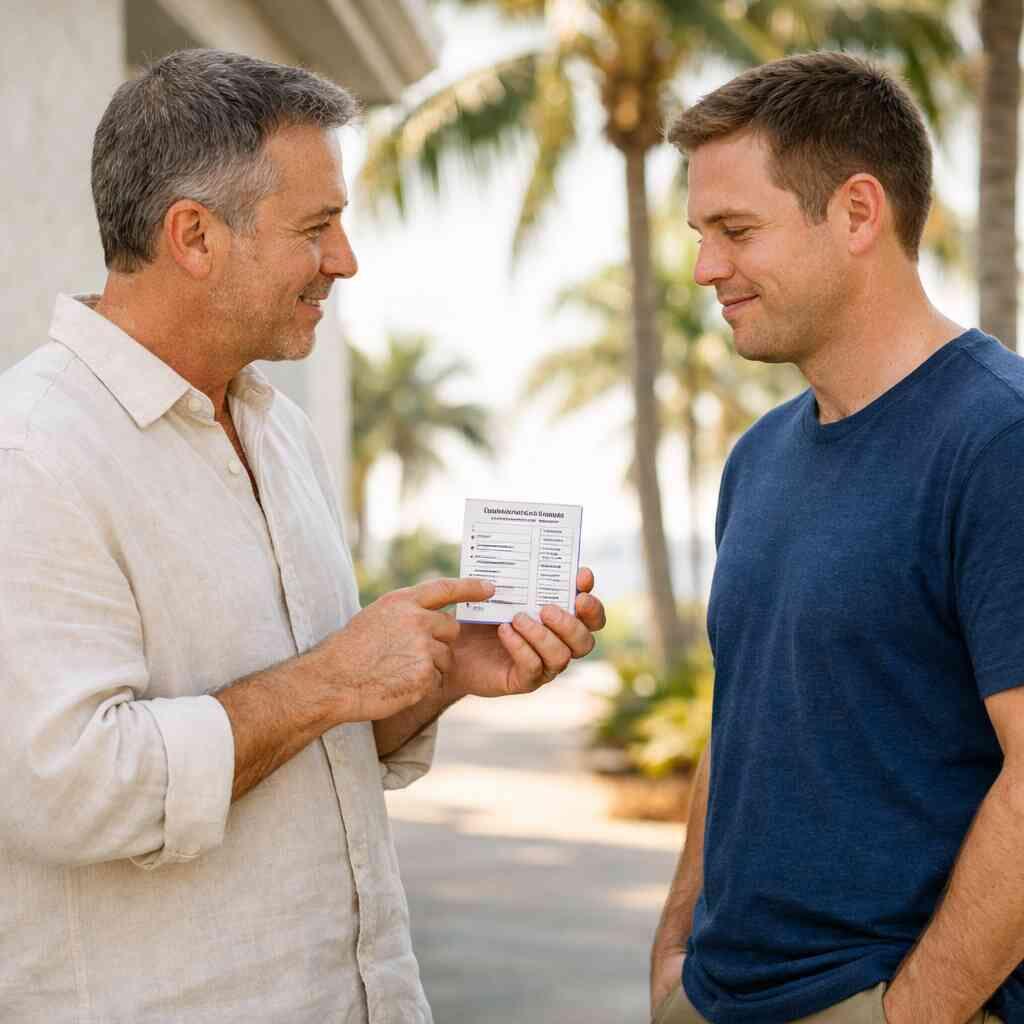
How to Find Insurance Friendly Rehab Near Palm Beach County
Why an insurance-friendly rehab in Palm Beach County is harder to spot than it should be The call usually starts the same way. A family has coverage, but they still feel stuck because the hard part is not having a plan. The hard part is finding a program that can actually use it without confusion, […]


Why an insurance-friendly rehab in Palm Beach County is harder to spot than it should be
The call usually starts the same way. A family has coverage, but they still feel stuck because the hard part is not having a plan. The hard part is finding a program that can actually use it without confusion, surprise bills, or delays. If you are reading this late at night, worried about detox, judgment, or a bill you cannot carry, that stress makes sense.
Here is the part most people miss: covered does not always mean admitted. A plan may help with some levels of care, but not others. It may pay differently for insurance-friendly rehab near Palm Beach County in Florida depending on medical need, network status, and authorization rules. In Palm Beach County, that gap can feel especially frustrating because many centers look similar from the outside.
The hidden gap between being covered and being admitted
A plan can look generous on paper and still leave you with barriers. Some facilities accept your carrier, but only for certain services. Others need prior authorization before detox, PHP, or IOP begins. That is why a place can advertise Florida addiction treatment and still not fit your needs.
The hidden gap often shows up in the intake process. You may have a card, a deductible, and a hope that treatment will be simple. Then the questions start: Is this a residential treatment facility, or an outpatient program Delray Beach? Is the bed for South Florida detox, or is it for step-down care after withdrawal has stabilized? Those details matter because the billing rules change with the level of care.
I saw this confusion in a family near Boca Raton. They had strong Blue Cross Blue Shield coverage, but the first center only handled outpatient services. The person needed fentanyl treatment support and a higher level of care right away. Once they matched the clinical need to the right setting, the process became clearer.
What to check before you assume a plan will pay for detox, PHP, or IOP
Start with the basics. Ask whether the program offers detox, partial hospitalization program, and intensive outpatient treatment under the same umbrella. Then ask how your carrier views each service. Aetna rehab coverage, Cigna rehab benefits, and Blue Cross Blue Shield rehab policies often differ in their authorization steps, copays, and out-of-pocket limits.
You should also ask about diagnosis support. If the intake team is treating alcohol use, prescription pill addiction, benzodiazepine withdrawal, or cocaine detox Florida, they should explain how medical necessity is documented. If there is depression and addiction together, the plan may require a dual diagnosis treatment note. That is not red tape for its own sake. It is how payers decide what they will fund.
A strong admissions team should be able to explain:
- What your deductible and out-of-pocket max mean
- Whether the facility is in network or uses out-of-network benefits
- Whether preauthorization is needed
- Which level of care is clinically recommended
- Whether medication-assisted treatment is part of the plan
Why Delray Beach rehab options can look similar but bill very differently
Two programs may sit near the same stretch of road in Delray Beach and still bill in very different ways. One may be a private rehab with a psychiatric arm, while another is a basic group model. One may include licensed clinicians, case management, and family therapy. Another may offer fewer services and rely on outside referrals.
That difference matters when you are trying to compare an alcoholism treatment center, a drug rehab near me search result, or a mental health rehab with insurance. It also matters if you want trauma therapy South Florida families trust. A program that offers EMDR trauma therapy, cognitive behavioral therapy, dialectical behavior therapy, and psychiatric medication management may bill differently than a stand-alone counseling center. On the beach side of town, the setting can feel calm. The billing structure may not be calm at all.
What we have seen in 2026 specifically is this: families often assume the nicest building means the best fit. It does not. The better question is whether the center can support both the clinical need and the insurance plan without forcing shortcuts.
“My experience at Reco Psychiatry was truly life-changing. From the moment I walked in, the psychiatrist made me feel heard and understood. They took the time to really dive into my concerns and tailored their approach to fit my unique needs. The support staff was also amazing—always friendly, attentive, and genuinely caring. It’s clear that everyone at Reco is dedicated to creating a warm, supportive environment. I’m so grateful for the positive impact they’ve had on my mental health journey.”- Diana Y., a 5 star review from RECO Integrated Psychiatry on Google Business Reviews
The paper trail that tells you whether treatment will fit your plan
Insurance verification sounds dull until you are the one waiting for an answer. Then it becomes urgent. The paper trail tells you whether a rehab stay will be realistic, or whether you will spend days chasing approvals. That is especially true for how to verify insurance coverage for rehab when time matters and emotions are running high.
The goal is not to become an insurance expert. The goal is to ask the right questions fast. If you know how to read the plan, you can compare private rehab, out-of-network benefits, and self-pay options with much less panic. You can also tell whether a mental health IOP near Palm Beach County might be a better fit than a higher-cost setting.
How to read Aetna, Cigna, and Blue Cross Blue Shield benefits without getting lost
Read the summary of benefits first. Look for behavioral health, substance use disorder, and mental health sections. Then note the deductible, copay, coinsurance, and out-of-pocket maximum. Those four numbers shape almost everything else.
If the plan uses a behavioral health carve-out, the rehab benefit may run through a separate administrator. That surprises many families. It is also where delays happen. For Aetna, Cigna, and Blue Cross Blue Shield, ask whether detox, PHP, and IOP each need separate authorization. Then ask whether the plan covers a Florida addiction treatment in Delray Beach program at the same rate as an in-network hospital-based unit.
A useful way to think about it is this:
- Confirm the behavioral health benefit.
- Confirm the level of care.
- Confirm network status.
- Confirm authorization.
- Confirm your share of the cost.
When out-of-network benefits still make private rehab workable
Out-of-network benefits are not ideal, but they are not useless. If a program is the right clinical match, those benefits can still soften the cost. This matters when a facility offers more individualized support, more psychiatric care, or a stronger step-down pathway than the nearest in-network option.
Families often overlook this because the phrase sounds expensive. Sometimes it is. Sometimes it is not. If your plan has a higher out-of-network deductible but a reasonable reimbursement rate, a private rehab can still work. That can be especially true when the person needs co-occurring disorders care, since dual diagnosis treatment often requires both addiction services and psychiatric oversight.
One client from West Palm Beach came in assuming private care was impossible. The family had not checked the out-of-network clause because they expected a flat denial. Once the benefits were mapped out, they found a path that covered more than they expected. The key was matching the right program to the right plan, not guessing.
What admission teams need from you to verify coverage fast and accurately
Good verification starts with accurate details. Admissions teams need the full name on the insurance card, date of birth, subscriber information, and the plan ID. They may also need the diagnosis, the likely level of care, and the name of the referring clinician. If the person is stepping down from South Florida detox, that information helps the team request the correct authorization.
You should also share any recent care history. Has the person used an inpatient rehab Palm Beach County center before? Are there prior stays, relapse concerns, or active medications such as Suboxone maintenance or Vivitrol injections? Those details affect medical necessity. They also shape how quickly a case manager can confirm coverage.
If you are contacting RECO Integrated Psychiatry, our team can help with how to compare insurance plans for rehab in Florida in plain language. That matters because insurance language is built to confuse. Clear answers save time.
Why a mental health IOP or outpatient program Delray Beach may be the better financial fit for some families
Not everyone needs round-the-clock care. Some people need structure, therapy, and medication support while they keep working or attending school. In those cases, a mental health IOP or outpatient program Delray Beach can be a smarter financial choice. It may cost less, and it may still offer the intensity needed for stable progress.
This is especially true after detox. Once withdrawal has settled, the next need is often coping skills, relapse prevention, and psychiatric follow-up. A good outpatient model can support anxiety treatment, bipolar disorder therapy, and depression and addiction at the same time. It can also connect families to sober living resources, vocational support, and aftercare planning without locking them into a full residential setting.
The question is not which option sounds strongest. The question is which level of care matches the real problem. That answer often saves both money and momentum.
When the right level of care matters more than the lowest cost
Some families start with price, then realize the real cost is delay. Others choose the cheapest option and discover it was too light for the situation. If someone is shaking, vomiting, using heavily, or in emotional crisis, the level of care matters more than the sticker price. That is where clinical judgment protects both health and finances.
On the coast, people often want the calmest possible path back to stability. That is understandable. Still, the right setting depends on symptoms, safety, and support at home. A Delray Beach rehab can look welcoming and still be the wrong intensity. The best program is the one that fits the person in front of you.
How to tell if someone needs South Florida detox, inpatient rehab Palm Beach County, or a partial hospitalization program
Detox is for acute withdrawal. Inpatient rehab Palm Beach County is for people who need a protected setting with 24-hour support. A partial hospitalization program in Delray Beach is more structured than standard outpatient care, but it lets the person sleep elsewhere. Those differences sound small until you are the one deciding. 
Look at the signs. Severe shaking, seizures, hallucinations, heavy alcohol use, fentanyl use, or benzodiazepine withdrawal can all call for medical detox. A person with repeated relapse, unsafe home conditions, or unstable mood may need residential treatment facility support. If the person can stay safe and wants strong daily treatment, PHP may be enough.
Here is a simple comparison:
Level of careBest forTypical structureSouth Florida detoxAcute withdrawalMedical monitoring, stabilization, medication supportInpatient rehab Palm Beach CountyHigh-risk situations24-hour support, therapy, routinePartial hospitalization programStrong support without overnight stayFull-day programming, return home at nightIntensive outpatientStep-down or moderate needsSeveral therapy sessions weekly### What PHP vs IOP really means for a working adult or student
PHP is usually more intensive. IOP is usually more flexible. That simple difference shapes daily life. A working adult in Boca Raton may not be able to step away for full-day care. A student may need treatment that leaves room for classes. A parent may need time around school pickup and evening duties.
PHP can help when symptoms are still active and a person needs more structure. IOP can help when progress is steady but support still matters. If you want a clearer breakdown, what is PHP versus IOP for recovery explains the practical differences. That kind of decision is not just clinical. It is financial, emotional, and logistical.
A man we saw from Fort Lauderdale had been trying to manage everything at once. He worked days, cared for an older parent, and kept missing appointments. Moving him from the idea of “more treatment” to a realistic IOP schedule made participation possible. That mattered more than choosing the most expensive option.
How dual diagnosis treatment changes the plan for depression and addiction, anxiety treatment, or bipolar disorder therapy
Substance use rarely shows up alone. NIDA and SAMHSA both recognize the co-occurring disorder model, where addiction and mental health symptoms affect each other. That is why dual diagnosis treatment is not a luxury. It is often the real treatment.
If someone has depression and addiction, or anxiety treatment needs alongside alcohol use, the plan has to address both. The same goes for bipolar disorder therapy and substance use, where mood instability can raise relapse risk. A center that treats only the addiction may miss the psychiatric driver. A center that treats only the mood disorder may miss the chemical part. That is why integrated care matters.
At RECO Integrated Psychiatry, psychiatric evaluation, medication management, and therapy can work alongside recovery services. That approach supports depression and addiction support and anxiety treatment for recovery in a coordinated way. It is especially useful when the person has failed before in a siloed system.
Where evidence-based care fits with CBT, DBT, EMDR trauma therapy, group therapy, and family therapy
Evidence-based treatment means the care is backed by research, not just tradition. CBT helps people notice and change the thoughts that drive use. DBT helps with distress tolerance, emotion regulation, and impulsive behavior. EMDR can help process trauma that still feels present in the body. Group therapy activities and family therapy add practice, feedback, and connection.
This matters for trauma therapy South Florida families often ask about, especially when PTSD treatment overlaps with substance use. It also matters for people who need holistic recovery without losing clinical rigor. Yoga therapy, mindfulness meditation, and art therapy can support regulation, but they should sit beside, not replace, stronger therapies. That balance is the point.
A practical treatment menu may include:
- Cognitive behavioral therapy
- Dialectical behavior therapy
- EMDR trauma therapy
- Group therapy activities
- Family therapy
- Medication-assisted treatment
- Case management
- Life skills training
- Nutritional counseling
What recovery support should look like after discharge, including aftercare planning, sober living resources, SMART Recovery, and alumni program follow-up
Treatment does not end at discharge. That is where the real test begins. Good aftercare planning should include relapse prevention, coping skills, follow-up psychiatry, and help with housing or work if needed. If the program is serious, it will also talk about sober living resources, 12-step alternatives, and SMART Recovery.
This is where an alumni program can matter. Ongoing contact gives people a place to return when stress rises. It also supports consistency, which is one of the strongest predictors of long-term recovery. A strong aftercare plan might include RECO Intensive alumni support, family weekend, vocational support, and regular check-ins with licensed clinicians.
If you are comparing options near Atlantic Avenue or near the coastal recovery community, ask about what to expect in a mental health IOP near Palm Beach County. If your concern is family support, ask about our family support resources. And if you want to know whether the program can meet your insurance, ask for a real verification call, not a vague promise.
A clear next move is simple: gather the insurance card, the diagnosis if you have it, and a list of current medications, then call one trusted program today. If you want a team that treats psychiatric needs and recovery together in Delray Beach, RECO Integrated Psychiatry can help you sort the options without pressure. You do not have to solve the whole thing tonight. Start with one call, and ask for a benefits review tied to the right level of care.
Frequently Asked Questions
How long does detox last at a Delray Beach rehab?
Detox length varies by substance, health history, and recent use. Alcohol and benzodiazepine withdrawal can require close monitoring. Opioid detox may be shorter, but symptoms can still feel intense. A medical team should decide the right timeline based on safety, not a preset clock. If you need details, ask whether the program offers medical detox, medication support, and step-down care after stabilization.
Does RECO Intensive take my insurance?
Coverage depends on your specific plan, network status, and level of care. The safest move is to request a benefits check with your card in hand. RECO Integrated Psychiatry and the RECO network can help clarify whether your plan supports detox, PHP, IOP, or outpatient psychiatry. A real verification call is better than guessing from a website.
What is the difference between PHP and IOP?
PHP is more intensive and usually takes more of the day. IOP is less intensive and leaves more room for work, school, or family duties. Both can help with substance use and mental health. The right choice depends on safety, symptom severity, and home support. A clinician should help match the level of care to the need.
Can I bring my phone to treatment?
Policies vary by program and level of care. Some programs limit phones during parts of the day to help focus and reduce triggers. Others allow limited use after clinical hours. Ask about electronics before admission so you can plan for work, childcare, and family contact.
Is family involved in the program?
Often, yes. Family therapy can improve communication, reduce conflict, and support follow-through after discharge. Many programs also offer education about relapse prevention, boundaries, and warning signs. If family relationships are strained, a good program can still include them in a structured, healthy way.
What if I need help for depression but not addiction?
That is still a valid reason to seek care. Depression, anxiety, bipolar symptoms, OCD, and trauma can all deserve treatment on their own. RECO Integrated Psychiatry focuses on outpatient psychiatry, medication management, and innovative therapies when appropriate. If substance use is also present, the team can assess for co-occurring disorders and adjust the plan.
Is insurance verification hard?
It should not be. A good admission team will ask for your card details, explain in-network and out-of-network benefits, and tell you what prior authorization is needed. The process is faster when you share accurate information up front. If anything feels unclear, ask for a plain-English explanation before you commit.