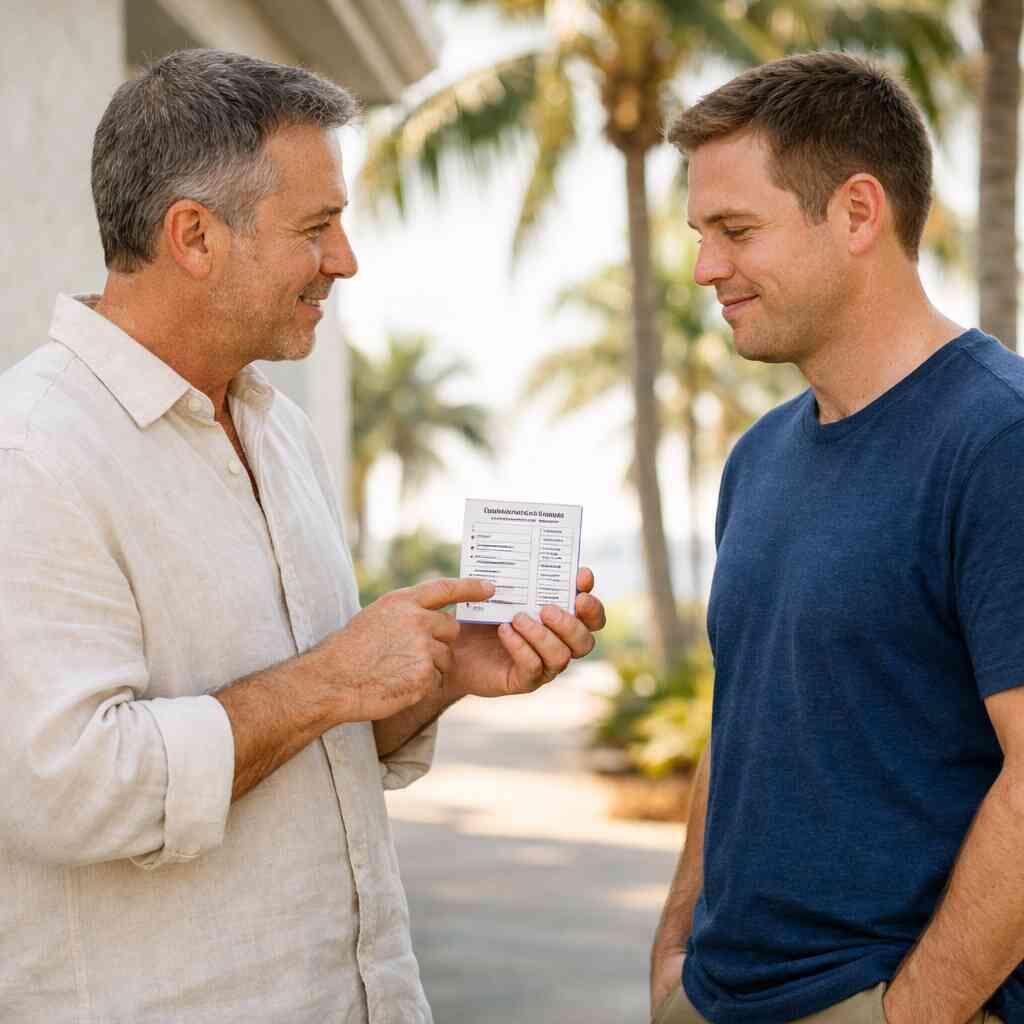
RECO Integrated Psychiatry Guide to Family Therapy for Recovery
What families in Delray Beach miss when addiction and mental health start reshaping the home The call usually starts with a feeling, not a diagnosis. You notice missed work, hidden bottles, sleeping all day, or a sudden edge in every conversation. If you are reading this because home feels tense and unfamiliar, that dread makes […]

What families in Delray Beach miss when addiction and mental health start reshaping the home
The call usually starts with a feeling, not a diagnosis. You notice missed work, hidden bottles, sleeping all day, or a sudden edge in every conversation. If you are reading this because home feels tense and unfamiliar, that dread makes sense. Addiction and mental health can change a family’s rhythm faster than anyone expects. In Delray Beach, where life can look calm from the outside, families often carry this stress quietly.
When a loved one is changing faster than the family can keep up
A loved one may start seeming distant, irritable, or impossible to read. You may see signs of addiction before anyone says the word out loud. That gap between what you see and what you can prove creates real strain. Families often try to fix the surface problem first. Yet the deeper issue may involve depression and addiction, anxiety treatment, bipolar disorder therapy, or trauma therapy that South Florida families rarely name at first.
One client in Palm Beach County described it plainly: every dinner felt like walking on glass. Nothing explosive happened at first. Then the lies grew, the bills changed, and everyone started speaking in short, careful sentences. That is often where family therapy for recovery begins, because the home itself has become part of the clinical picture. At outpatient psychiatry in Delray Beach, the goal is not blame. It is clarity.
“It was an amazing experience. They helped me achieve sobriety and maintain it without sacrificing my family or career. Thank you, Reco.”– George M., a 5 star review from our business on Google Business Reviews
Why family therapy matters in dual diagnosis treatment and co occurring disorders
Dual diagnosis treatment works best when the family understands what co-occurring disorders actually mean. A person may be dealing with alcohol use, prescription pill addiction, or cocaine detox Florida concerns while also battling PTSD treatment, OCD, or bipolar symptoms. NIDA and SAMHSA both support integrated care because substance use and mental health issues often reinforce each other. Family therapy in addiction treatment helps people stop treating every symptom as a moral failure.
This matters in outpatient psychiatry Delray Beach because the family sees patterns long before they can name them. Family sessions can help you understand how substance use and co-occurring disorders influence mood, sleep, and judgment. A parent may think they are being supportive while actually covering for use. A spouse may think they are staying calm while actually avoiding necessary limits. Family therapy turns vague worry into practical skill.
How fear, shame, and secrecy keep the cycle going even in caring households
Fear makes people hide. Shame makes people explain away. Secrecy makes the whole house shrink. That is how even loving families get stuck in a cycle that protects the problem more than the person. It is especially common in South Florida addiction treatment conversations, where image and privacy can feel important.
Families often delay help because they fear judgment from neighbors, schools, or extended relatives. Yet silence usually makes the crisis louder. A teen, adult child, or spouse may already be moving through fentanyl treatment, heroin recovery, benzodiazepine withdrawal, or alcoholism treatment center concerns while the family keeps saying, “We will deal with it later.” That delay can cost time. Family therapy gives the home a language that is honest without being cruel.
The family patterns that quietly feed relapse and block recovery support
The hardest part is that many harmful patterns look kind on the surface. You may think you are helping when you are really protecting the disorder. You may think you are being patient when you are actually removing accountability. These patterns are common in Delray Beach rehab conversations, especially when loved ones are trying to balance compassion with safety.
Enabling behaviors versus healthy help: what the difference really looks like
Enabling means making it easier to continue the behavior. Healthy help means making it easier to recover. That difference can feel small in the moment and huge over time. Paying rent after repeated intoxication is not the same as helping with a treatment intake process. Calling in sick for someone is not the same as helping them attend a PHP assessment.
Here is the part most families miss: enabling often comes from panic, not weakness. You may be trying to prevent a crisis. But crisis management and recovery support are not the same thing. Healthy help looks like rides to treatment, insurance verification support, or help finding sober living resources. It does not look like covering consequences forever.
Codependency recovery and the cost of rescuing someone too often
Codependency recovery is about untangling your life from someone else’s illness. If every decision depends on their mood, the whole household can lose stability. That is exhausting. It also blocks long-term recovery because the person in treatment never has to face the full impact of their choices. This is a common issue in family systems therapy.
A partner once said, “I thought saving him was love.” That sentence captures the trap. Rescue can become a way to avoid grief. It can also delay real treatment, including medication-assisted treatment, Vivitrol injections, or Suboxone maintenance when those are clinically appropriate. Families need support too. They need coping skills for loved ones in recovery, not just hope.
Boundary setting without coldness when love needs structure, not control
Boundaries are not punishments. They are the structure that keeps love from turning into chaos. You can care deeply and still say no. You can stay warm and still stop funding a destructive pattern. In recovery, boundaries in recovery protect both the person in treatment and the family system.
Start simple. Decide what you will not do anymore. Decide what support you will continue. Then say it calmly and once. Families often over-explain because they fear conflict. Yet clear limits reduce conflict over time. In a beachside recovery environment like Delray Beach, that calm structure can feel surprisingly healing.
Communication skills for families when every conversation turns into conflict
When every conversation turns sharp, the problem is rarely just the topic. Tone, timing, and fear are usually in the room too. Communication skills for families begin with shorter sentences and fewer lectures. They also begin with choosing the right moment. Do not argue during intoxication, withdrawal, or panic.
Try this framework:
- State what you observed.
- Name the impact on you.
- Offer one clear next step.
- Stop talking.
That is hard at first. Still, it works better than long speeches. Evidence-based treatment often includes this kind of simple communication practice because families need repeatable tools, not perfect words. When the conflict keeps escalating, family therapy for recovery in Delray Beach can help reset the pattern.
What actually happens in family therapy for recovery at an outpatient psychiatry program
Family therapy is not a blame session. It is a structured place to learn how the illness works and how each person can respond differently. At a strong outpatient psychiatry program, sessions are practical, calm, and specific. They focus on communication, safety, and next steps. They also help families understand how medication management, therapy, and recovery planning connect.
How psychoeducation turns confusion about addiction into usable knowledge
Psychoeducation for addiction and recovery gives families the facts they need. That includes signs of addiction, relapse warning signs, and what detox can look like. It also includes honest information about how long detox lasts, what PHP vs IOP means, and why withdrawal can change mood quickly. Families often relax when they finally understand the pattern.
Education matters because confusion breeds fear. Fear breeds control. Control breeds conflict. A family that understands alcohol withdrawal, opioid rehab Delray, or benzodiazepine withdrawal can respond with more steadiness. RECO’s approach to family support for addiction treatment helps families replace guessing with knowledge they can actually use.
Why CBT, DBT, and EMDR can support family work when trauma is part of the story
Trauma rarely stays inside one person. It spreads through tone, rules, silence, and fear. That is why trauma-informed family therapy matters so much. CBT, or cognitive behavioral therapy, helps families notice unhelpful thought loops. DBT, dialectical behavior therapy, helps with emotion regulation and conflict tolerance. EMDR trauma therapy can be useful when trauma keeps driving reactions long after the event.
These approaches do not erase pain. They help people respond more skillfully to it. A family dealing with PTSD treatment, anxiety treatment, or bipolar disorder therapy often needs this framework. It is especially relevant in trauma-informed family counseling because trauma can shape every argument, every silence, and every apology.
Group therapy activities, family sessions, and the role of emotional regulation skills
Family therapy often includes group therapy activities that make the work less abstract. People practice listening without interrupting. They learn how to pause before reacting. They rehearse what to say when relapse happens or when someone refuses help. These sessions may also include support for parents of adults in treatment, siblings in recovery, and spouses who feel worn down. 
Emotional regulation skills matter because recovery conversations can trigger old fear fast. Families learn grounding, brief breathing, and how to stop a spiral before it starts. Those skills support both recovery support for families and the person in treatment. When helpful, group therapy for loved ones in recovery can strengthen this work by showing families they are not the only ones learning these patterns. ### Medication management education for families when prescriptions are part of treatment
Medication questions can stir worry fast. Families want to know what each medication does, what side effects to watch for, and how to avoid misuse. Medication management education for families helps make that discussion safer and clearer. It is especially important when treatment includes antidepressants, mood stabilizers, TMS, Spravato, ketamine treatment, or FDA-approved medications for substance use disorders.
This education does not mean families manage the medications themselves. It means they understand the plan. That understanding supports adherence, safety, and better communication with the clinical team. When prescriptions are part of recovery, medication management education for families can reduce panic and improve follow-through.
When family involvement helps most from PHP and IOP to aftercare planning
Family involvement should match the level of care. Early stabilization needs one kind of support. Step-down planning needs another. PHP, IOP, residential treatment facility coordination, and aftercare support each require a different family role. That is why timing matters so much in Delray Beach recovery support.
What changes in partial hospitalization program support versus mental health IOP family involvement
A partial hospitalization program usually involves more structure, more hours, and more clinical contact. Mental health IOP family involvement is lighter, but still meaningful. In PHP, families may get more education, more frequent updates with consent, and clearer crisis planning. In IOP, families often focus more on home structure, communication, and relapse prevention planning.
This difference matters if you are comparing inpatient rehab Palm Beach County options with outpatient care. PHP can feel close to full-day support. IOP gives more room for work, school, or family duties while still offering strong accountability. For many people in South Florida, the right fit depends on risk, stability, and home environment. Partial hospitalization support for families can help when the home still feels too shaky for lower support.
How relapse prevention planning and crisis communication strategies protect long term recovery
Relapse prevention planning is not about fear. It is about preparation. Families learn to spot triggers, early warning signs, and the difference between a bad day and a dangerous shift. Crisis communication strategies help everyone know what to say and what not to say if things start to slide.
A good plan covers who to call, when to step in, and how to keep the home safe. It may include support from case management, recovery coaching, or intervention services. This is where long-term recovery gets real. Families who plan ahead usually respond better when stress rises. Intensive outpatient family involvement often includes this kind of practical work.
Why sober living resources, alumni support, and recovery coaching matter after the main program
Recovery does not end when the schedule changes. That is where sober living resources, alumni support, and recovery coaching matter. They help the person in treatment keep structure while life gets more complex. They also help families avoid the false belief that finishing a program means the hard part is over.
Alumni programs and aftercare support are part of best practice. They keep connection alive. They also reinforce coping skills, sober routines, and honest check-ins. In South Florida, where beach weekends and nightlife can complicate early recovery, that continuity helps. Our alumni support approach aligns with what strong aftercare planning should look like: steady, practical, and ongoing. For more context, see 5 Ways RECO Integrated Psychiatry Supports Aftercare Planning.
How holistic recovery tools like mindfulness, meditation, yoga therapy, and art therapy fit into family healing
Holistic recovery tools do not replace clinical care. They support it. Mindfulness meditation helps people notice stress before it turns into reaction. Yoga therapy can improve body awareness and reduce tension. Art therapy can help families express what feels too hard to say out loud. These tools are often helpful when words alone keep failing.
Families in Delray Beach often appreciate the calmer pace these practices create. The coastal setting, the palm-lined streets, and the quiet near nearby preserves can support reflection, but structure still matters most. If family sessions include mindfulness, that is not fluff. It is a way to practice recovery-friendly regulation at home. The article Top 7 family therapy benefits in Delray Beach offers more context on why this works.
The next decisions that make recovery steadier for everyone at home
The next decision is rarely the biggest one. It is usually the clearest one. You decide whether the current level of care is enough, whether the family needs more support, and whether the home can hold the recovery plan safely. That is a clinical question, not a moral one. It deserves a careful answer.
How to tell whether outpatient psychiatry Delray Beach or a higher level of care fits now
If there is active substance use, repeated relapse, severe depression, mania, suicidality, or unsafe withdrawal, a higher level of care may be needed. If the person can attend sessions, stay oriented, and use support at home, outpatient psychiatry may fit. The question is not which option sounds better. It is which option matches the risk today.
Families often try to wait too long. The mistake we see most often is hoping structure will appear on its own. If sleep is falling apart, behavior is escalating, or there is concern about opioid rehab Delray or alcohol use, ask for a clinical review. RECO Integrated Psychiatry can help assess whether outpatient psychiatry in Delray Beach is enough or whether another level of care makes more sense.
What to ask before choosing a rehab or family program near Palm Beach County and South Florida
Ask direct questions. Is the program licensed and evidence-based? Does it offer dual diagnosis treatment and family therapy in addiction treatment? Are CBT, DBT, and trauma therapy part of the plan? Do they coordinate with residential treatment facility referrals if needed? Do they offer young adult rehab, professional’s program support, LGBTQ+ affirmative treatment, veterans addiction help, and gender-specific treatment when appropriate?
You should also ask about group therapy activities, aftercare planning, and whether the team understands Florida addiction treatment realities. In South Florida, access, transport, and family schedules matter. A strong program will explain its structure without pressure. If you want a deeper comparison, what is PHP versus IOP at RECO Integrated Psychiatry can help you think through the options.
How insurance verification, self-pay options, and out-of-network benefits shape the plan
Money questions can feel awkward. They should not. They are part of responsible care. Insurance verification helps you understand what is covered before you commit. That includes Aetna, Cigna, Blue Cross Blue Shield, out-of-network benefits, and self-pay options. It also helps families compare Florida rehabs that take insurance with private rehab models.
A clear financial plan reduces stress later. It also protects momentum when treatment is already hard. If cost is a concern, ask for an intake review and benefits check early. Our insurance verification guidance can help you prepare the right questions before you call. You can also review our financial options for more support.
When to reach out for intervention support, planning, or family therapy for recovery at RECO Integrated Psychiatry
Reach out when the home cannot hold the stress alone anymore. That may mean repeated crisis, hidden use, medication misuse, or family exhaustion. It may also mean a loved one is in treatment, but the family still feels stuck in fear. Intervention support and planning can help when the next conversation feels impossible to start safely.
At RECO Integrated Psychiatry, family work fits into a larger continuum that includes psychiatric care for families, aftercare support, and collaboration across the RECO Health Network. If you are near Delray Beach, Boca Raton, West Palm Beach, or anywhere in South Florida, a calm clinical conversation can help you decide what fits. Start by asking for family therapy for recovery in Delray Beach and a review of your current support needs. You do not have to hold this alone tonight.
Frequently Asked Questions
Question: How does family therapy for recovery at RECO Integrated Psychiatry support loved ones in recovery while also improving recovery support for families?
Answer: Family therapy for recovery is designed to help the whole household understand what addiction, dual diagnosis, and co-occurring disorders are doing to daily life. At RECO Integrated Psychiatry in Delray Beach, family work focuses on practical skills like communication skills for families, recovery-friendly boundaries, relapse prevention planning, and coping skills for loved ones. We also provide psychoeducation for addiction so families can better understand signs of addiction, relapse warning signs, and why shame or secrecy can make the cycle worse. The goal is not blame. It is to help families rebuild trust after addiction, reduce conflict, and create a safer home environment that supports long-term recovery.
Question: What should families expect from RECO Integrated Psychiatry Guide to Family Therapy for Recovery if they are looking for dual diagnosis family education and trauma-informed family therapy in Delray Beach?
Answer: RECO Integrated Psychiatry Guide to Family Therapy for Recovery explains how families can be part of healing without becoming overwhelmed by it. In our outpatient psychiatry Delray Beach setting, family sessions often include trauma-informed family therapy, evidence-based family counseling, and education about how depression and addiction, anxiety treatment, bipolar disorder therapy, PTSD treatment, and trauma therapy South Florida concerns can interact. Families learn how CBT, DBT, and EMDR trauma therapy may support the larger treatment plan, especially when emotional regulation skills and conflict resolution in recovery are needed at home. We also discuss medication management education for families when appropriate, so loved ones understand the treatment plan without trying to manage care themselves. This kind of structured family support can make recovery feel clearer and less chaotic.
Question: How does RECO Integrated Psychiatry help families decide between outpatient psychiatry Delray Beach, mental health IOP, partial hospitalization program support, or higher levels of care like inpatient rehab Palm Beach County?
Answer: Choosing the right level of care depends on current risk, stability, and what the home can realistically support. Our team helps families understand whether outpatient psychiatry, mental health IOP family involvement, or partial hospitalization support is the best fit now. If there is active substance use, severe withdrawal, repeated relapse, unsafe behavior, or serious psychiatric symptoms, a higher level of care may be needed. If the person can safely participate in treatment while living at home, outpatient or intensive outpatient may be appropriate. We also help families think through related needs such as intervention support and planning, sober living resources, and aftercare support for families. For some people, this may also involve coordination around Florida addiction treatment resources, South Florida detox, or referrals to a residential treatment facility when outpatient care is not enough.
Question: What makes RECO Integrated Psychiatry a trusted choice for family therapy in addiction treatment, medication management education, and long-term recovery planning near Delray Beach?
Answer: RECO Integrated Psychiatry is part of a broader RECO treatment network in Delray Beach, which allows us to coordinate care across outpatient psychiatry, family therapy, and recovery planning with a compassionate and integrated approach. Families trust us because we focus on evidence-based treatment, licensed clinicians, and practical support that fits real life in South Florida. That can include family systems therapy, relapse prevention planning, aftercare support, recovery coaching for families, and help understanding medication-assisted treatment options such as Suboxone maintenance or Vivitrol injections when clinically appropriate. We also help families navigate insurance verification, including Aetna, Cigna, Blue Cross Blue Shield, out-of-network benefits, and self-pay options. Whether a family is searching for drug rehab near me, an alcoholism treatment center, opioid rehab Delray support, or guidance for co-occurring disorders family support, our goal is to provide clear, respectful, and clinically grounded care.
Question: Can family members take part in treatment planning if their loved one is attending an outpatient program Delray Beach or intensive outpatient care at RECO Integrated Psychiatry?
Answer: Yes, when appropriate and with proper consent, family members can be included in treatment planning and education. Family involvement is often helpful in outpatient program Delray Beach care and intensive outpatient treatment because it gives loved ones a better understanding of what recovery requires day to day. We may help families prepare for family weekend recovery programming, learn about support for spouses and partners, support for parents of adults in treatment, or support for siblings in recovery. We also teach families how to respond to relapse warning signs, how to communicate during conflict, and how to avoid enabling behaviors while still staying compassionate. In many cases, this support improves the chance that the home environment will reinforce healing family dynamics instead of repeating old patterns.
Question: Does RECO Integrated Psychiatry offer support that goes beyond addiction concerns, such as depression and addiction, anxiety treatment, ADHD, OCD, bipolar disorder, and other complex psychiatric conditions?
Answer: Yes. RECO Integrated Psychiatry specializes in outpatient psychiatry for adults navigating a wide range of complex psychiatric conditions, including treatment-resistant depression, anxiety disorders, OCD, bipolar disorder, ADHD, and related concerns. That matters because family therapy for recovery is often more effective when the team understands the full clinical picture, not just substance use. We can help families see how mental health symptoms, co-occurring disorders, and recovery stress affect sleep, mood, judgment, and relationships. When needed, our team can also discuss innovative options such as TMS, Spravato, and ketamine treatment as part of a broader care plan, while keeping the focus on safe, evidence-based support. For families in Delray Beach, Boca Raton, West Palm Beach, and across South Florida, that integrated approach can make long-term recovery feel more manageable and more human.