Ultimate Guide to Aftercare Planning in South Florida 2026
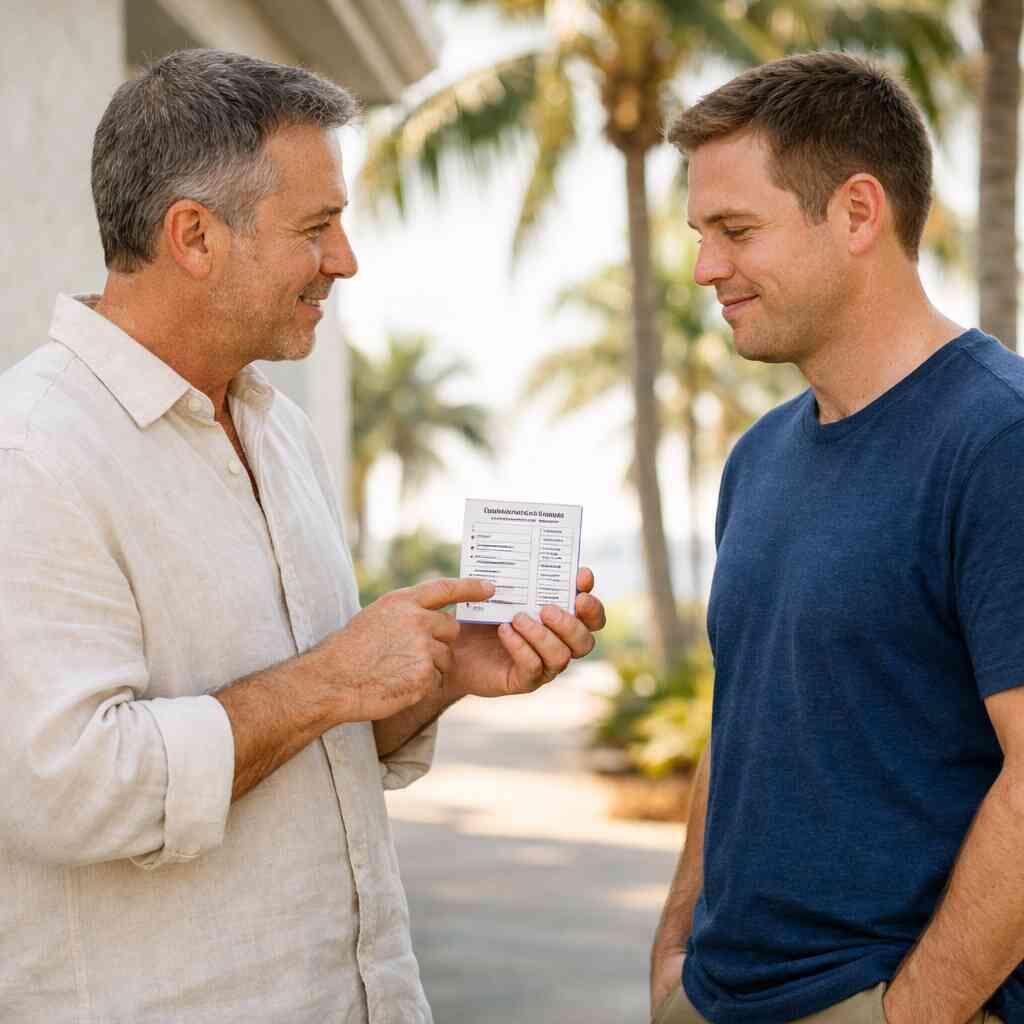
The discharge papers can look tidy. Life rarely does. If you feel uneasy about leaving treatment, that feeling makes sense, especially when South Florida heat, traffic, family stress, and old routines are waiting outside the door. Aftercare planning gives that shaky handoff a structure, so recovery does not depend on willpower alone. When the discharge […]

The discharge papers can look tidy. Life rarely does. If you feel uneasy about leaving treatment, that feeling makes sense, especially when South Florida heat, traffic, family stress, and old routines are waiting outside the door. Aftercare planning gives that shaky handoff a structure, so recovery does not depend on willpower alone.
When the discharge papers are signed but real life still feels fragile
Why aftercare planning matters more in the first weeks back in South Florida
The first weeks after treatment are often the most delicate. You may still feel tired, emotionally raw, or surprised by how loud ordinary life sounds again. That is why aftercare planning in South Florida matters so much right away. It turns vague hope into a plan with appointments, routines, and backup options.
Here is the part most people miss: discharge is not the finish line. It is the point where the real work starts, and the work changes shape. In South Florida, that shift can feel sharp because the environment is beautiful, busy, and full of triggers at once.
We hear this from families near Delray Beach all the time. A person leaves a structured setting, then faces work emails, legal stress, relationship tension, and a warm evening that invites old habits. Aftercare planning lowers that risk by building a bridge between care and daily life. It also helps you stay connected to Florida mental health care resources without losing momentum.
“This is the first time I’ve really felt like I’m in the right place. Everyone has been kind welcoming and easy to talk to. The whole experience has felt supportive from the start and I’d definitely recommend them.”– Chinma K. (5 stars), a 5 star review from our business on Google Business Reviews
The hidden gap between residential treatment and daily routines in Delray Beach
Residential treatment can feel almost like a protected bubble. Meals happen on time. Groups are scheduled. Someone notices when your mood shifts. Then you return to a condo off Atlantic Avenue, or a home in Palm Beach County, and suddenly you must manage food, sleep, phones, and feelings all at once.
That gap is where many plans crack. The problem is not lack of motivation. The problem is that daily life has moving parts, and those parts do not wait for you to feel ready. A good outpatient program in Delray Beach helps you practice real-life skills while support is still close.
One client from near the Intracoastal described it clearly. Mornings were fine in treatment, but evenings felt dangerous once he was back home. His team adjusted the plan around that pattern, added evening check-ins, and built support around the hours that mattered most. That kind of detail is what keeps recovery grounded in real life.
What relapse prevention looks like when cravings, stress, and triggers come back at once
Relapse prevention is not just a slogan. It is a set of concrete responses for the moments when cravings, stress, and old memories show up together. You need to know what to do before the pressure hits. That means identifying triggers, limiting exposure, and practicing coping skills when your mind is calm.
A strong plan usually includes:
- A clear list of triggers
- A phone list for support
- A sleep routine
- A plan for high-risk times
- A response for urges that feel sudden
This is especially important for people leaving Delray Beach rehab care after alcohol or drug use. It also matters for cocaine detox Florida transitions, opioid rehab Delray follow-up, fentanyl treatment planning, heroin recovery support, prescription pill addiction, and benzodiazepine withdrawal monitoring. Relapse prevention works best when it is specific, not vague.
The aftercare map that keeps treatment from unraveling
Choosing between partial hospitalization program and intensive outpatient based on support at home
Many people ask the same question: what is PHP vs IOP? The answer depends on how much support you have at home and how steady your symptoms are. A partial hospitalization program in Delray Beach gives more hours of care and closer monitoring. Intensive outpatient support in Delray Beach offers strong structure with more room for work, family, and outside obligations.
If your home is calm, sober, and predictable, IOP may fit well. If your evenings feel shaky, or your symptoms flare quickly, PHP can provide more support. Both can serve as a step-down from residential treatment facility care or a step-up when outpatient treatment is not enough. The right level is not the one that sounds strongest. It is the one that matches your real support system.
Level of careBest fitTypical focusPHPHigh need for structureDaily therapy, skills, stabilizationIOPModerate support at homeGroup work, relapse prevention, accountabilityStandard outpatientSteadier recoveryMaintenance, check-ins, medication follow-up### Why dual diagnosis treatment changes the plan for depression and addiction, anxiety treatment, and bipolar disorder therapy
Many people do not have “just addiction” or “just anxiety.” They have co-occurring disorders, meaning substance use and a mental health condition appear together. That is why dual diagnosis treatment for co-occurring disorders matters so much. The National Institute on Drug Abuse has long emphasized that treating both conditions together improves care planning.
If depression and addiction are both active, the plan must address both. The same is true for depression and addiction support, anxiety treatment for relapse prevention, PTSD treatment, and bipolar disorder therapy. A person with bipolar disorder may need tighter sleep routines and medication review. Someone with trauma may need a slower pace and more grounding work.
What we have seen in 2026 specifically is that people do better when aftercare respects the full picture. Trauma therapy in South Florida, dual diagnosis, and recovery planning should fit together. If a plan ignores panic, mood swings, or intrusive memories, the plan becomes fragile fast. That is why what is dual diagnosis care in Delray Beach is not just a question. It is the core of the recovery map.
How medication management, medication-assisted treatment, and psychiatric follow-up fit into long-term recovery
Medication is not a side note. For many people, it is part of stability. Medication management and psychiatric follow-up help track mood, sleep, cravings, side effects, and risk. That follow-up matters after detox, after discharge, and after major stress.
Medication-assisted treatment can also support recovery for opioid use disorder. FDA-approved options such as Suboxone maintenance and Vivitrol injections are often considered when clinically appropriate. These medications are not magic. They work best with counseling, monitoring, and honest communication about side effects and cravings. If someone is searching for an alcoholism treatment center, it helps to know that medication may still play a role.
A thoughtful aftercare plan also includes psychiatry. Some people need TMS, Spravato, or ketamine treatment as part of broader outpatient psychiatric care. We cannot promise outcomes, and no one should. But evidence-based treatment gives people more tools, especially when symptoms have not responded to earlier care. That is where psychiatric medication management and therapy work side by side.
What sober living resources, case management, and life skills training should actually cover
Sober living resources should do more than provide a bed. They should help you build a livable routine. Case management should connect the practical dots. Life skills training should make daily life feel less chaotic, not more abstract.
Good support often covers:
- Transportation planning
- Work or school coordination
- Appointment reminders
- Budgeting and bill help
- Meal planning and nutrition
- Sober social structure
Vocational support matters here too. So does insurance verification, because many people feel stuck before they even start. If you are checking Florida rehabs that take insurance, ask about Aetna, Cigna, Blue Cross Blue Shield, out-of-network benefits, and self-pay options early. That kind of clarity prevents last-minute delays.
What South Florida families and patients should do before the next hard day arrives
Building a weekly structure with group therapy activities, family therapy, and coping skills practice
Recovery usually weakens when the week has too much empty space. That is why structure matters. Group therapy activities, family therapy, and coping skills practice should all live on the calendar, not just in conversation. Families around Delray Beach often say the same thing: the hard part is not knowing what to do when emotions rise.
A stable week may include morning exercise, therapy, meals, work, and a set sleep time. It also helps to plan for high-risk windows, like late afternoons or Sunday nights. If you are using an outpatient program in Delray Beach model, ask how scheduling supports these weak spots. You want care that fits the rhythm of real life.
Family therapy can be especially useful when everyone is tired and guarded. RECO’s family therapy support after treatment can help families stop repeating the same arguments. In many homes, the issue is not lack of love. It is a lack of shared structure and language.
How CBT, DBT, EMDR trauma therapy, mindfulness meditation, and holistic recovery support aftercare support
Evidence-based treatment should stay present after discharge. Cognitive behavioral therapy, or CBT, helps you notice thought patterns that feed relapse. Dialectical behavior therapy, or DBT, strengthens emotion regulation and distress tolerance. EMDR trauma therapy can help some people process trauma without staying stuck in it.
Mindfulness meditation also has a place, especially when stress builds quickly. It does not erase pain. It creates a pause between feeling and action. Holistic recovery can include yoga therapy, art therapy, sleep hygiene, and better nutrition. These supports are not extras. They can make aftercare support more durable.
For people with trauma histories, PTSD treatment in South Florida should be paced carefully. If your nervous system stays activated, cravings often rise. That connection is real. So is the need for trauma-informed care that does not push too fast.
Using 12-step alternatives, SMART Recovery, alumni program connections, and sober things to do Delray to stay connected
Not every person connects with traditional 12-step language. Some do. Some prefer 12-step alternatives or SMART Recovery because the language feels more practical. The point is not the label. The point is steady connection.
An alumni program can help keep that connection alive after treatment. RECO Intensive alumni and similar networks give people a place to return when motivation dips. They can also help you stay connected to RECO Intensive and continuing care culture. That continuity matters in long-term recovery.
Delray Beach recovery community options can also be surprisingly simple. Walk the beach early. Meet a friend for coffee away from nightlife. Join a sober fitness class. Find sober things to do in Delray that do not revolve around drinking or old crew energy. Small choices add up.
How to verify insurance, out-of-network benefits, and self-pay options without losing momentum
Insurance stress can stop good care before it begins. That is frustrating, and it is common. Start with insurance verification as soon as possible. Ask what is covered, what needs authorization, and whether the plan treats outpatient and psychiatric services differently. If you are comparing Florida rehabs that take insurance, ask about out-of-network benefits too. Many families assume a provider is out of reach when they are not. Self-pay options may also exist, but clarity is key. Do not wait until a crisis night to sort this out. Here is the part most online guides skip: billing questions are part of care planning. They are not a distraction from recovery. They are protection against interruption. When the financial side is clear, the clinical side can actually work. 
When to contact a Delray Beach outpatient program for a stronger plan instead of waiting for a setback
If sleep is falling apart, cravings are rising, or mood is swinging hard, do not wait for a full relapse. Reach out early. A stronger plan may mean more therapy hours, medication review, or a return to a higher level of structure. That is not failure. That is smart timing.
A mental health IOP can help when symptoms are present but you still have enough stability for outpatient work. A Boca Raton outpatient schedule, or care closer to Palm Beach County treatment centers, may also help if travel and routine matter. Some people need more support for young adult rehab, a professional’s program, LGBTQ+ affirmative treatment, veterans addiction help, women’s rehab, or men’s recovery. Good care should adapt to the person, not the other way around.
If you need a sharper next step, RECO Integrated Psychiatry in Delray Beach can help assess the mix of symptoms, medications, and support needs. The address is 140 NE 4th Avenue, Delray Beach, FL 33483, near the heart of the local recovery community. You do not have to figure out every layer today. Start with one call, one insurance check, and one honest conversation about what feels hardest right now.
Frequently Asked Questions
How long does detox last at a Delray Beach rehab?
Detox length depends on the substance, the dose, and your medical history. Alcohol detox, opioid detox, cocaine detox Florida protocols, and benzodiazepine withdrawal often look very different. A medical team should assess withdrawal symptoms, safety risks, and any psychiatric concerns before giving a timeline. If you need a clearer picture, ask a program about its medical detox process and how it coordinates next steps.
What is the difference between PHP and IOP?
A partial hospitalization program gives more hours of care and closer support. Intensive outpatient usually offers fewer hours and more room for work or family needs. PHP fits people who need more structure, while IOP fits people who can stay stable with less daily contact. The best choice depends on home support, symptoms, and relapse risk.
Does RECO Integrated Psychiatry take insurance?
Coverage depends on your plan and benefits. Many people ask about Aetna, Cigna, Blue Cross Blue Shield, out-of-network benefits, and self-pay options during intake. The fastest path is insurance verification before treatment changes. If you want help understanding benefits, RECO’s admissions team can review the plan and explain what is likely covered.
Can I get help if I have depression but not addiction?
Yes. Treatment does not require a substance use diagnosis. Depression, anxiety, OCD, bipolar disorder, ADHD, PTSD, and complex psychiatric conditions all deserve careful care. Outpatient psychiatry can help with medication management, therapy referrals, and follow-up planning. If symptoms are affecting sleep, work, or relationships, it is worth reaching out.
Is family involved in the program?
Family involvement can be very helpful when it is structured well. Family therapy may focus on communication, boundaries, relapse prevention, and support after discharge. Some families need education about co-occurring disorders, while others need help stopping enabling patterns. The goal is to improve support without adding pressure.
What if I need trauma support too?
That is common. Many people need both substance-related care and trauma-informed treatment. CBT, DBT, EMDR trauma therapy, and PTSD treatment can all play a role depending on the clinical picture. The key is pacing. Trauma work should feel safe enough to help, not so fast that it overwhelms you.
How do I know if I need a stronger level of care?
If cravings increase, sleep falls apart, panic rises, or you start missing therapy, get a reassessment. A program may recommend PHP, IOP, or medication review. You do not need to wait for a crisis. Early adjustment is part of good aftercare support.
FAQPage schema note: Each question above can be marked as an FAQPage item in JSON-LD.