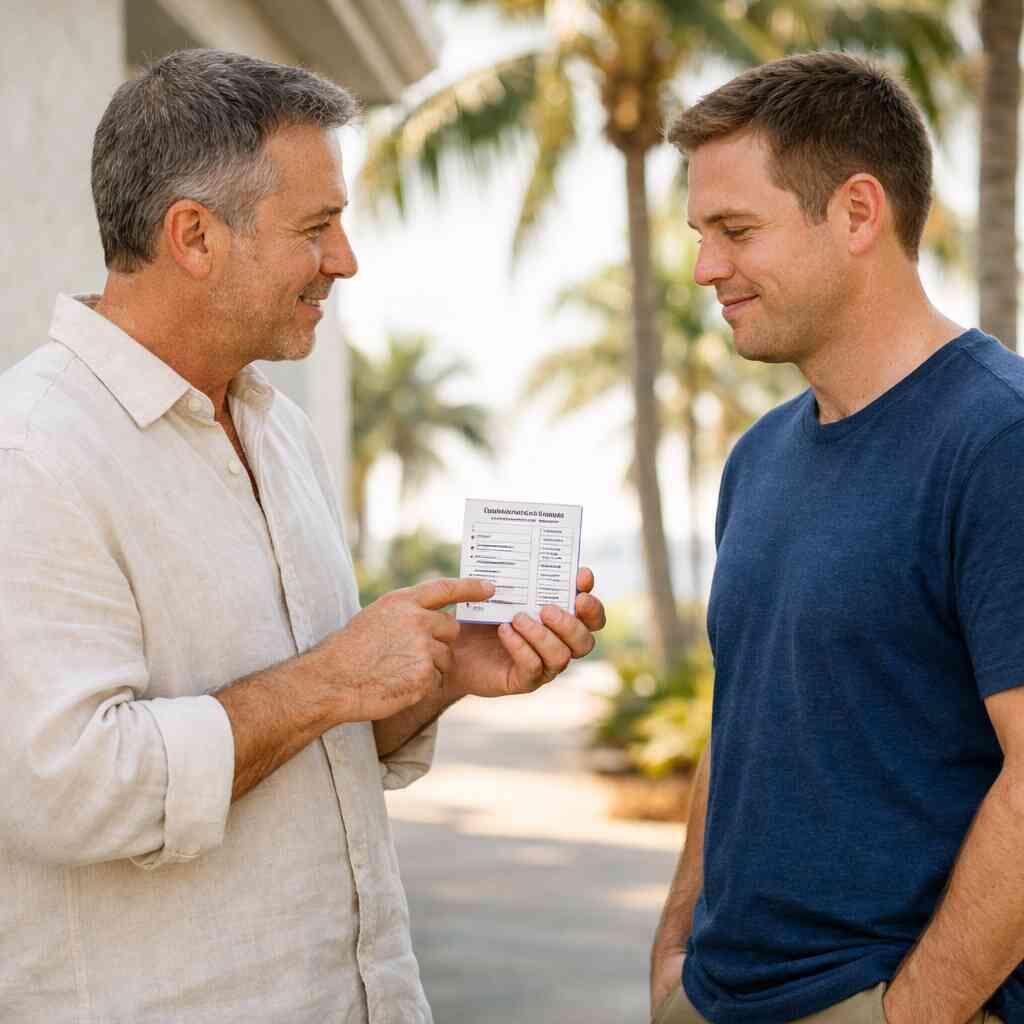
Top 5 Questions About Ketamine Therapy in South Florida
1) When ketamine therapy feels like the option nobody explained clearly enough You may be reading this while looking at a treatment list that still feels incomplete. The antidepressant helped, and then it did not. Therapy matters, but the heaviness keeps coming back. That mix of hope and frustration is exactly why people start asking […]
1) When ketamine therapy feels like the option nobody explained clearly enough
You may be reading this while looking at a treatment list that still feels incomplete. The antidepressant helped, and then it did not. Therapy matters, but the heaviness keeps coming back. That mix of hope and frustration is exactly why people start asking about ketamine therapy in South Florida.
Why people in South Florida start asking about ketamine when standard depression treatment has stalled
We hear this from people across Delray Beach, Boca Raton, and West Palm Beach. They have tried standard depression care, maybe more than once, and they still feel stuck. Sometimes anxiety rides along too, which makes sleep, work, and family life harder. In South Florida, people often want help that fits real life, not a long hospital stay.
Ketamine gets attention because it may act faster than many older antidepressants. That does not mean it works for everyone. It also does not mean it replaces careful psychiatric care. It simply gives some patients and clinicians another tool when the usual path has not brought enough relief.
What treatment-resistant depression means in plain language and where ketamine fits in integrated psychiatry
Treatment-resistant depression usually means depression has not improved enough after trying at least two appropriate treatments. That can feel discouraging, but it is a clinical description, not a verdict. The point is not blame. The point is to change strategy.
In integrated psychiatry, ketamine is one possible next step, especially when treatment-resistant depression care is needed. Our team also looks at bipolar depression support, OCD treatment options, and PTSD treatment with trauma-informed care when those issues overlap. Evidence-based treatment means matching the person, the diagnosis, and the risk profile. It means not chasing hype.
Which symptoms may point toward a psychiatric evaluation before anyone talks about infusions or Spravato
If your mood has flattened, sleep has broken down, and daily tasks feel unusually heavy, a psychiatric evaluation makes sense. So does one if you are crying more, withdrawing, or losing interest in things that once mattered. If you are having panic, irritability, or mental fog, that can matter too. Here is the part most people miss: ketamine is not the first question, but a full evaluation often is.
One woman from the Lake Worth area came in saying she wanted “the fast one.” After a careful review, the bigger issue was untreated bipolar symptoms with severe anxiety. She needed a steadier mood plan first. That is the kind of detail that changes everything, and it is why outpatient ketamine psychiatry for depression starts with assessment, not assumptions.
Why Delray Beach patients often want a local outpatient option instead of a higher-acuity rehab setting
Not everyone with depression needs a residential treatment facility or inpatient rehab in Palm Beach County. Many people need structured outpatient care, close medication management psychiatry, and a calmer setting. That matters in Delray Beach, where people still have jobs, families, and long drives on I-95. A local outpatient program in Delray Beach can feel far more realistic.
This is especially true when the issue is mood disorder care rather than withdrawal management. If there is addiction, the plan may need dual diagnosis treatment, but not every patient needs South Florida detox. The right level of care should match the problem. That keeps treatment focused and less disruptive.
2) What actually happens during a ketamine or esketamine visit in Delray Beach
A ketamine visit is usually more structured than people expect. That helps. Many patients feel nervous because they have heard bits of information from friends, social media, or search results that never explain the full process. The truth is simpler and more clinical than the rumors.
How a psychiatric ketamine infusion or Spravato treatment is usually structured from intake through monitoring
A visit usually begins with a psychiatric review, medication check, and discussion of goals. If the team decides ketamine is appropriate, the appointment is planned with safety in mind. For ketamine treatment in Delray Beach, people are monitored during and after treatment. For Spravato treatment options in Delray Beach, the process also includes observation after dosing.
You may be asked about sleep, blood pressure, past substance use, and recent mood shifts. That is normal. It is not judgment. It helps the licensed clinician decide what is safe and what needs more review.
What patients should expect around preparation, vital signs, observation, and the ride home
Most patients should arrive prepared for a quiet visit. Eat and drink according to clinic instructions. Bring a current medication list. Expect vital signs to be checked before treatment, and expect more monitoring during observation.
You should also plan for a ride home. Do not expect to drive yourself after treatment. Some people feel calm. Some feel spaced out for a short period. Others feel nothing unusual during the visit, then notice changes later. The experience varies, and that is normal.
How outpatient ketamine psychiatry differs from inpatient rehab Palm Beach County and partial hospitalization program care
Outpatient ketamine psychiatry is not the same as inpatient rehab in Palm Beach County. Inpatient rehab usually addresses higher-risk substance use, medical instability, or a need for round-the-clock structure. A partial hospitalization program sits below that, with more daily support than standard outpatient care. Ketamine visits may fit inside a broader outpatient plan, but they are not a substitute for acute stabilization when that is needed.
Across the levels of care we see most often in 2026, the best results come from matching intensity to need. Someone with depression and no withdrawal risk may do well in outpatient care. Someone with fentanyl treatment needs, benzodiazepine withdrawal, or alcohol withdrawal history may need our medical detox process or a different level of support first. That distinction matters.
Where medication management psychiatry, telepsychiatry in Florida, and follow-up planning fit after the appointment
Ketamine works best when it sits inside a larger plan. That plan may include medication management psychiatry, follow-up visits, and telepsychiatry in Florida for ongoing check-ins. It may also include coping skills therapy, sleep support, and safety planning. The goal is not a one-time intervention. The goal is steadier function.
At RECO Integrated Psychiatry, follow-up matters because mood symptoms rarely live in isolation. Depression and anxiety treatment often needs fine-tuning. Bipolar disorder therapy support may need careful monitoring. And if trauma, OCD, or co-occurring disorders are present, the plan should reflect that from the start.
3) Ketamine versus Spravato and why the better question is often fit, not hype
People often ask which one is “better.” That is usually the wrong question. The better question is which option fits your symptoms, your history, and your safety profile. Some people need one route. Others need a different one.
The practical differences between IV ketamine, ketamine therapy, and esketamine treatment
IV ketamine and esketamine treatment are related, but they are not identical. Esketamine is a nasal treatment with a specific clinical pathway. IV ketamine is administered differently and can be adjusted in other ways depending on the clinic. Both fall under rapid-acting depression treatment discussions, but the setting and protocol matter.
OptionTypical settingMain practical pointIV ketamineSupervised outpatient infusionFlexible clinical administrationEsketamineSupervised in-office treatmentSpecific protocol with observationStandard medication careOffice or telepsychiatrySlower onset, broader long-term roleIf you want a deeper comparison, the difference between ketamine and Spravato can help. Still, no article replaces a real evaluation. In practice, fit matters more than branding.
Why a licensed clinician may recommend one rapid-acting depression treatment over another for mood disorder care
A licensed clinician may consider blood pressure, prior responses, side effects, and diagnosis. Someone with severe depression may need one path. Someone who needs bipolar depression support may need another. Someone seeking anxiety disorder treatment may respond differently again.
What we have seen is simple. The wrong treatment can waste time. The right treatment can reduce the sense of helplessness. That is why integrated psychiatry looks at the whole picture, not only the symptom someone named in the lobby.
How co-occurring disorders, bipolar disorder therapy, OCD treatment options, or PTSD treatment can shape the plan
Co-occurring disorders change the plan fast. A person can have depression and addiction, anxiety and alcohol use, or trauma and OCD at the same time. NIDA uses the co-occurring disorder model because these problems often feed each other. That is where integrated psychiatry for co-occurring disorders becomes useful. For some people, bipolar disorder therapy support should come before any rapid-acting treatment. For others, PTSD treatment with trauma-informed care may need to shape the whole conversation. OCD treatment options may also require a different medication strategy. The point is not to broaden the label. The point is to avoid a mismatch. 
What evidence-based treatment means when the goal is relief without overselling results or promising a cure
Evidence-based treatment means using methods supported by research and clinical judgment. It does not mean promising a cure. It also does not mean every study applies to every patient. A 2023 analysis in JAMA Network Open reported meaningful interest in ketamine-related approaches, but results still vary by person and setting.
A compassionate clinic should say that clearly. Relief may come. It may come quickly. It may also need maintenance, therapy, and follow-up. That is honest care. It is also safer care.
4) Who should think twice before starting ketamine therapy in South Florida
This question matters because starting the wrong treatment can complicate the right one. If you feel desperate, it is tempting to move fast. Still, a careful pause can protect you. That pause is part of good psychiatry.
When a psychiatric evaluation should look for substance use concerns, psychosis risk, or unstable bipolar symptoms first
A psychiatric evaluation should review substance use, psychosis history, and mood instability before ketamine starts. If someone has active stimulant use, uncontrolled alcohol use, or recent opioid relapse, the plan may need to change. If psychosis is present, ketamine may not be the safest next move. If bipolar symptoms are unstable, mood stabilization comes first.
This is where terms like depression and anxiety treatment can be too broad. You may need a narrower, safer path. That is not a setback. It is responsible care.
How trauma-informed psychiatric care changes the conversation for people with PTSD treatment or dual diagnosis treatment needs
Trauma can change how a person experiences treatment. Fast shifts in sensation, body awareness, or memory can feel hard for some people with PTSD. That is why trauma-informed psychiatric care matters. It gives the patient more control, more explanation, and more room to speak up.
One patient from near Atlantic Avenue had both panic symptoms and a long addiction history. The issue was not just mood. It was safety, trust, and timing. For that kind of case, PTSD treatment with trauma-informed care and dual diagnosis treatment need to work together. That is the real work.
Why insurance verification, self-pay options, and out-of-network benefits matter before treatment starts
Money stress can make treatment feel impossible. That is real. Before you start, ask about insurance verification, self-pay mental health options, and out-of-network benefits. You should know what is covered and what is not. Surprises are the last thing anyone needs when they are already overwhelmed.
If you are comparing Florida rehabs that take insurance with private rehab options, clarity helps. Some patients only need outpatient psychiatric care. Others need a broader program. Either way, a clear benefits review can keep you from making a rushed choice based on fear.
What questions families in Delray Beach and nearby Boca Raton or West Palm Beach should ask before moving forward
Families should ask practical questions. What is the diagnosis? What risks were reviewed? What happens if the treatment is not enough? What is the follow-up plan?
A short checklist helps:
- Who is monitoring mood changes after treatment?
- What symptoms should prompt a call?
- How will medications be adjusted?
- Is family therapy part of the plan?
- What happens if addiction treatment also becomes necessary?
If you are in Delray Beach, Boca Raton, or West Palm Beach, ask for the plan in plain words. Good care should make sense. It should not sound like a sales pitch.
5) The smartest next move after ketamine therapy is not waiting and hoping
A good response to treatment is only the beginning. The next move is structure. Without structure, progress can fade. With structure, progress has a better chance to last.
How aftercare support, relapse prevention planning, and coping skills therapy protect progress after treatment
Aftercare support matters because symptoms can return under stress. Relapse prevention planning helps you spot early warning signs. Coping skills therapy gives you something concrete to do when the mind starts spiraling again. That is true for depression, addiction, and mixed presentations.
On the ground, that may mean sleep rules, exercise, medication check-ins, and crisis steps. It may also mean sober living resources, 12-step alternatives, or SMART Recovery if substance use is part of the picture. Aftercare is not a luxury. It is part of the treatment itself.
Where CBT, DBT, EMDR trauma therapy, group therapy, and family therapy can strengthen the next phase of care
Therapy choices should match the problem. CBT can help challenge distorted thoughts. DBT can help with emotion regulation and impulsive behavior. EMDR trauma therapy may help some people process trauma more safely. Group therapy activities can reduce isolation and build accountability.
Family therapy also matters, especially when loved ones are confused or scared. If communication has broken down, the whole home feels it. For many people, family program support becomes the part that keeps treatment real after the appointment ends.
When mental health IOP, outpatient program Delray Beach, or partial hospitalization program may be the right level of support
If symptoms remain active, step up the structure. A mental health IOP can offer several days of support without full hospitalization. A partial hospitalization program can provide more intensity when daily function is shaky. An outpatient program in Delray Beach may be enough when the main need is monitoring and therapy.
This is where practical choices matter. You may be balancing work, family, and a recovery plan all at once. A level of care that fits your life is more likely to hold. That is especially true in a place like Delray Beach, where the recovery community is active, but life still moves fast around the beach and Atlantic Avenue.
How integrated psychiatry at RECO in Delray Beach can connect ketamine care with long-term recovery planning and Florida mental health care
Integrated care means the pieces talk to each other. Ketamine care should not sit alone if depression, trauma, or substance use is part of the picture. It should connect with medication management, therapy, and practical recovery planning. That is what makes the care feel human instead of fragmented.
At RECO Integrated Psychiatry in Delray Beach, the goal is to build a plan that fits the person in front of us. That may include depression and anxiety treatment, telepsychiatry in Florida, and ongoing follow-up after the first visit. If you are comparing ketamine therapy South Florida options, ask what happens after the appointment, not just during it. Then choose the clinic that can answer that question clearly.
If you are ready to take this seriously, gather your medication list, write down your symptoms, and call for a psychiatric evaluation. You do not need to solve every piece today. Start with one clear conversation, and let the plan get more specific from there.
Frequently Asked Questions
Question: What is ketamine therapy in South Florida, and how does RECO Integrated Psychiatry decide if it is appropriate for treatment-resistant depression or mood disorder care?
Answer: Ketamine therapy in South Florida is a clinician-guided option that may be considered when standard depression treatment has not brought enough relief. At RECO Integrated Psychiatry in Delray Beach, we begin with a psychiatric evaluation rather than assuming ketamine is the right next step. That evaluation looks at diagnosis, symptoms, medical history, medication history, and any co-occurring disorders such as anxiety, PTSD, bipolar disorder, OCD, or substance use concerns.
For some people, ketamine may be part of a broader evidence-based treatment plan for treatment-resistant depression or depression and anxiety treatment. For others, a different path may be safer or more effective first, especially when bipolar disorder therapy support, trauma-informed psychiatric care, or dual diagnosis treatment is needed. Our role is to match the treatment to the person, not force a one-size-fits-all approach.
Question: What happens during ketamine treatment in Delray Beach, and what should I expect from an outpatient ketamine psychiatry visit?
Answer: A ketamine treatment in Delray Beach visit is usually structured, monitored, and more straightforward than many people expect. At RECO Integrated Psychiatry, the process typically begins with intake and a review of your psychiatric history, medications, symptoms, and safety considerations. If ketamine is appropriate, your visit is designed around careful observation, comfort, and follow-up planning.
During an outpatient ketamine psychiatry appointment, patients may have vital signs checked before treatment, monitored during the visit, and observed afterward before going home. You should plan for a ride home because driving after treatment is not appropriate. The goal is not just to provide a rapid-acting depression treatment, but to do so within a safe and compassionate psychiatric setting.
RECO also connects ketamine care with medication management psychiatry, telepsychiatry in Florida, and follow-up support when needed. That combination helps make the treatment feel less isolated and more like part of a long-term recovery plan.
Question: What is the difference between ketamine versus Spravato, and how do I know which option fits my depression and anxiety treatment needs?
Answer: Ketamine versus Spravato is a common question, and the most honest answer is that the better choice depends on your symptoms, diagnosis, and safety profile. Both are rapid-acting depression treatment options, but they are not identical in formulation, administration, or clinical workflow. Spravato is esketamine treatment delivered through a specific supervised protocol, while ketamine therapy may be offered in a different clinical format depending on the plan your licensed clinicians recommend.
At RECO Integrated Psychiatry, we look at the full picture: treatment-resistant depression, bipolar depression support, OCD treatment options, trauma history, prior medication response, and any dual diagnosis treatment needs. If you are comparing Spravato alternatives or trying to understand whether ketamine for depression is appropriate, a psychiatric evaluation is the right place to start. The goal is not hype. The goal is personalized treatment planning grounded in evidence-based treatment.
Question: Why might someone with co-occurring disorders, PTSD treatment needs, or bipolar disorder therapy concerns need a psychiatric evaluation before starting ketamine therapy South Florida?
Answer: A psychiatric evaluation is essential because ketamine therapy South Florida is not the first step for everyone. If a person has co-occurring disorders, active substance use, unstable bipolar symptoms, psychosis risk, or complex trauma, the treatment plan may need to be adjusted before ketamine is considered. That is especially important for people seeking PTSD treatment, dual diagnosis treatment, or addiction and depression treatment at the same time.
RECO Integrated Psychiatry takes a trauma-informed psychiatric care approach so the evaluation feels respectful, not rushed. We want to understand whether the person needs depression and anxiety treatment, bipolar disorder therapy, medication-assisted treatment support, or a different level of care such as mental health IOP or partial hospitalization program support. Careful screening helps protect patients and improves the odds of choosing the right next step.
Question: How does RECO Integrated Psychiatry support long-term recovery after ketamine treatment, and what role do aftercare support and therapy play?
Answer: The smartest next step after ketamine therapy is not waiting and hoping. Long-term recovery planning matters, especially when symptoms of depression, anxiety, trauma, or addiction have been part of the picture. RECO Integrated Psychiatry connects ketamine care with aftercare support, relapse prevention planning, coping skills therapy, and ongoing medication management psychiatry so progress has a better chance to last.
Depending on the person’s needs, follow-up may include cognitive behavioral therapy, dialectical behavior therapy, mindfulness-based recovery, family therapy, group therapy activities, or referrals that support holistic recovery. If the situation requires more structure, a mental health IOP or partial hospitalization program may be appropriate. We also help patients think through insurance verification for psychiatry, self-pay mental health options, and out-of-network benefits when cost is part of the decision.
At RECO Integrated Psychiatry in Delray Beach, the focus is on integrated psychiatry and practical support that fits real life in South Florida. That may mean telepsychiatry in Florida, coordination with Florida recovery resources, or a clear plan for long-term recovery planning after the first appointment.
Question: How does the blog Top 5 Questions About Ketamine Therapy in South Florida apply to patients looking for outpatient program Delray Beach care instead of inpatient rehab Palm Beach County?
Answer: The main point of Top 5 Questions About Ketamine Therapy in South Florida is that many people do not need a residential treatment facility or inpatient rehab in Palm Beach County to begin getting help. Some people need structured outpatient care, licensed clinicians, and a calm setting that fits work, family, and daily life. That is where an outpatient program in Delray Beach can be a strong option.
RECO Integrated Psychiatry serves patients who may be comparing private rehab, Florida addiction treatment resources, or South Florida mental health care options and realizing they need psychiatric care rather than a higher-acuity detox setting. If someone also needs support for alcoholism treatment center concerns, fentanyl treatment, prescription pill addiction, or benzodiazepine withdrawal, we can help clarify whether psychiatric treatment, South Florida detox, or a different level of care is most appropriate.
Our Delray Beach location at 140 NE 4th Avenue, Delray Beach, FL 33483 allows us to serve the local recovery community and nearby Boca Raton, West Palm Beach, Broward County, and Miami-area patients who want compassionate, evidence-based treatment. Whether the need is ketamine treatment in Delray Beach, ketamine for depression, or broader integrated psychiatry support, our job is to help people make a clear, informed decision.
“I have to thank reco for saving my life. I was on a long downward spiral and just couldn’t stop. I was mentally, emotionally, spiritually, and physically exhausted. Reco is hands down the best treatment center for treatment and therapy/mental health i have been to. I am eternally grateful to reco for giving me a solid start on my recovery journey.”- David B., a 5 star review from our business on Google Business Reviews