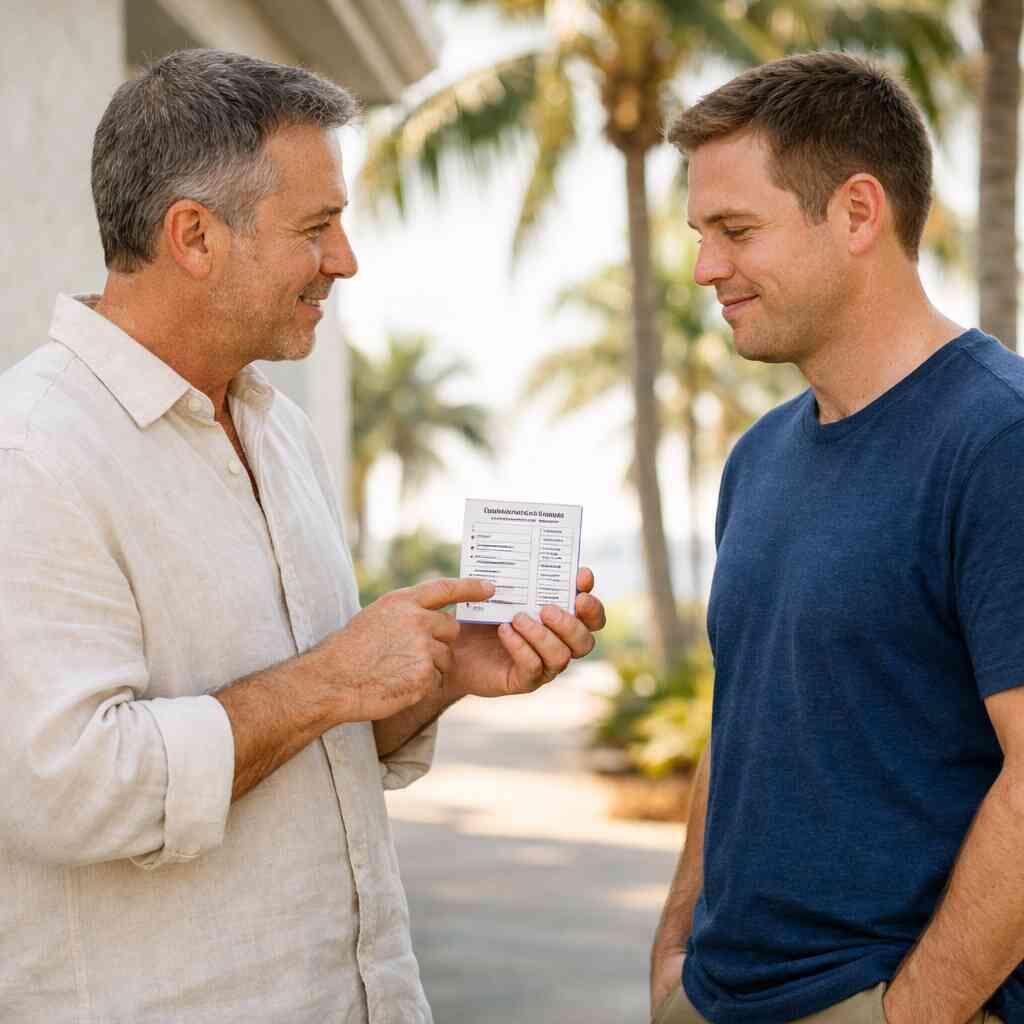
Top 6 PTSD and Trauma Therapy Options in South Florida
If you are reading this because sleep has gone strange, your heart jumps at small noises, or your mind keeps replaying what happened, that makes sense. Trauma can feel like it owns the room long after the danger has passed. Many people in Delray Beach and across South Florida ask the same quiet question: what […]
If you are reading this because sleep has gone strange, your heart jumps at small noises, or your mind keeps replaying what happened, that makes sense. Trauma can feel like it owns the room long after the danger has passed. Many people in Delray Beach and across South Florida ask the same quiet question: what actually helps now? At RECO Integrated Psychiatry, the answer is rarely one thing. It is usually a careful mix of therapy, medication support, and structure that fits real life.
1) EMDR trauma therapy when the body keeps reacting long after the danger is gone
EMDR helps when your brain knows the threat is over, but your body does not. The therapy uses guided attention and bilateral stimulation, often through eye movements or taps, to help the nervous system process stuck memories. For many people, that matters more than another hour of talking. EMDR trauma therapy in Delray Beach can be a strong fit when flashbacks, nightmares, and startle responses keep showing up despite good intentions and solid insight.
Why EMDR can help when talk therapy alone has not calmed flashbacks or body alarms
Talk therapy can be useful, but trauma often lives in the body as much as the mind. That is why some people can explain their history clearly and still feel panic in their chest or a knot in their stomach. EMDR aims at the memory network itself, which is why it is often discussed in evidence-based trauma therapy in South Florida. In practice, that can mean less reactivity, fewer intrusive images, and more space between a trigger and a full-body alarm.
Here is the part most people miss: EMDR is not about forcing someone to relive everything. A paced approach matters. In a Delray Beach outpatient setting, the clinician should go slowly, check safety, and keep the work grounded. That matters for complex PTSD support, especially when there is also anxiety treatment after trauma or depression and trauma care.
Who tends to benefit most from EMDR trauma therapy South Florida adults ask about
EMDR often helps people who feel stuck in the same trauma loop. That can include survivors of violence, accidents, medical trauma, childhood abuse, or sudden loss. It can also help people with co-occurring disorders and trauma, especially when symptoms include avoidance, emotional numbing, or guilt that never seems to loosen. Adults seeking PTSD treatment South Florida often describe being “fine” until a smell, sound, or place sends them back.
One client in the Lake Worth area described feeling calm in the car, then shaking the moment a siren passed. After careful preparation, EMDR gave that memory less control. Another person from near Atlantic Avenue said crowded restaurants became easier once the body stopped bracing for danger. These are not miracles. They are the result of steady work, good pacing, and licensed clinicians who know trauma care.
What a paced EMDR session usually feels like in a Delray Beach outpatient setting
A good session starts with preparation, not processing. You learn grounding skills, talk through triggers, and build enough stability to stay present. Then the clinician uses short sets of bilateral stimulation while you notice images, thoughts, and body shifts. The process can feel strange at first. It should not feel chaotic.
At RECO Integrated Psychiatry, EMDR may sit inside broader integrated psychiatry for trauma care, which is helpful when trauma overlaps with substance use or mood symptoms. That matters in a coastal recovery setting where people may be balancing work, family, and therapy all at once. For those looking for a Delray Beach trauma therapist, the key question is not just “Do you offer EMDR?” It is “Can you pace it safely for me?”
2) Cognitive behavioral therapy for PTSD when thoughts, sleep, and panic start running the day
CBT is one of the most practical tools for PTSD because it targets the thoughts and behaviors that keep fear alive. Trauma can teach the mind to expect danger everywhere. It can also create shame, self-blame, and constant scanning. Cognitive behavioral therapy for PTSD helps you test those beliefs instead of treating them like facts.
How CBT targets trauma beliefs that keep fear, shame, and avoidance in place
CBT looks at the connection between thoughts, feelings, and actions. If you think “I am never safe,” your body will act as if danger is nearby. If you believe “It was my fault,” shame will keep draining energy. CBT helps you catch those loops and replace them with more accurate thoughts. That is why it often supports trauma stabilization, emotional regulation, and coping skills.
The evidence base is strong. CBT is widely supported in trauma treatment research. It works especially well when a person can name patterns but needs help changing them. For people in South Florida who are searching for PTSD treatment South Florida, CBT gives structure without making the work feel vague or endless.
When cognitive behavioral therapy for PTSD fits better than supportive counseling alone
Supportive counseling can help you feel heard, and that matters. Still, some people need more than validation. If nightmares, avoidance, panic, and hypervigilance are running your day, CBT gives you tools. It is also useful when trauma sits beside prescription pill addiction, alcohol misuse, or long-standing anxiety. In those cases, skills need to be specific, repeatable, and measurable.
The question is not whether you are trying hard enough. It is whether the treatment matches the problem. For some people, a more structured outpatient program in Delray Beach makes the difference. CBT can be used alongside trauma and addiction treatment when both conditions need attention at the same time.
How CBT can be paired with medication management for PTSD, anxiety, and depression
CBT often works best when medication support is available too. Some people sleep better, panic less, and can think more clearly once symptoms are reduced enough to use skills. That is why medication management for PTSD can be a smart companion to therapy. It does not replace the work. It can make the work possible.
People with treatment-resistant depression and trauma often need both structure and symptom relief. A patient with shattered sleep and daily panic may struggle to do any cognitive work until the body settles. With careful psychiatric follow-up, the therapy becomes more usable. That is especially relevant in Delray Beach, where many adults are trying to stay employed while still healing.
3) Dialectical behavior therapy for trauma when emotions swing too hard to stay steady
DBT gives trauma survivors skills for the moments when feelings flood the system. It was built for high-intensity emotional states, and that makes it useful for trauma, too. People often use it when they feel numb one hour and overwhelmed the next. Dialectical behavior therapy for trauma recovery can help bring the nervous system back into a workable range.
Why DBT skills matter for trauma survivors who feel flooded, numb, or impulsive
Trauma can make the emotional volume rise fast. You may lash out, shut down, or reach for something that calms you for ten minutes and hurts you later. DBT does not shame those responses. It teaches skills to survive the wave without making the situation worse. That is why it fits many people with complex PTSD support needs and co-occurring disorders.
The core idea is simple. Emotions are real, and they can be managed. Skills like distress tolerance, mindfulness meditation for trauma healing, and emotional regulation therapy help people pause before reacting. In a city like Delray Beach, where recovery resources and daily stress can sit side by side, those pauses matter.
Which DBT tools help most with distress tolerance, grounding, and emotional regulation
The best DBT tools are often the plainest ones. Cold water, paced breathing, naming five things you can see, and checking the facts all sound basic. They are not weak tools. They are the kind that help when the system is overloaded. DBT also pairs well with yoga therapy for emotional regulation and art therapy for trauma processing when those supports are clinically appropriate.
A woman from Boca Raton once described feeling “wired and frozen” after years of trauma. She learned to use grounding before calling anyone, which reduced the spiral. Another adult from West Palm Beach found that a short mindfulness practice before bed improved sleep enough to make therapy possible. Small changes can be life-changing when they happen consistently.
How group therapy for trauma recovery can reinforce DBT skills between sessions
Group work gives skills a place to live outside the office. You hear other people practice the same language, make the same mistakes, and keep going anyway. That matters in group therapy for trauma recovery because repetition builds memory. It also reduces the lonely feeling that often comes with PTSD.
DBT groups can include coaching on coping skills, relapse prevention, and communication. They can also support 12-step alternatives and SMART Recovery style thinking when addiction recovery is part of the picture. For some people, that group structure is the bridge between a bad week and a safer one. It is often where progress becomes visible.
4) Family therapy for trauma recovery when the people closest to you need a map too
Trauma rarely affects only one person. It changes tone, trust, routines, and the way everyone talks to each other. Family members may walk on eggshells, argue more, or stop talking altogether. Family therapy for trauma recovery gives the household a shared map. ### What changes when trauma affects the whole household, not just one person 
When someone has PTSD, the family often organizes around the symptoms without realizing it. People cancel plans, avoid topics, or overcorrect in ways that keep everyone tense. That can be exhausting. Family therapy helps the system see patterns clearly so the burden does not sit on one person’s shoulders forever.
This is especially important in dual diagnosis treatment. Trauma, depression and addiction, or anxiety and addiction can strain the entire home. A family that understands the process is more likely to support aftercare planning and less likely to mistake symptoms for attitude.
How family therapy can support communication without forcing unsafe disclosures
Good family therapy should never pressure anyone to share details that feel unsafe. The goal is not to expose every memory. The goal is to improve communication, reduce reactivity, and set clear boundaries. That can include planning around triggers, discussing support needs, and learning how to respond to dissociation or panic.
The question we get more than any other from families is simple: “How do we help without making it worse?” That is a fair question. Often, the answer involves clear roles, short meetings, and practical agreements. For some households, that is more useful than a long emotional talk that goes nowhere.
When family therapy, case management, and aftercare planning work best together
Family therapy works best when it connects with the rest of care. Case management can help with sober living resources, vocational support, and insurance verification for mental health care. Aftercare planning for long-term recovery can also reduce relapse risk by clarifying what happens after the most intense level of care ends.
That continuity matters in Palm Beach County treatment centers and beyond. A family that understands discharge plans is better prepared for setbacks, medication visits, and weekly therapy. It is also easier to hold realistic expectations. Healing is not linear, and families deserve honest guidance, not false reassurance.
5) Medication management for PTSD and co-occurring disorders when symptoms need clinical support too
Medication is not the whole answer for PTSD, but it can matter a great deal. Sleep disruption, hyperarousal, depression, and severe anxiety sometimes block therapy progress. Careful psychiatric prescribing can lower the volume enough for skills to work. Medication management for PTSD is often part of good integrated care.
Which PTSD symptoms may improve with psychiatric medication and careful follow-up
Medication can help with sleep, panic, irritability, intrusive thoughts, and depressed mood. It can also support people whose trauma has led to chronic anxiety or treatment-resistant depression. Some patients may also ask about FDA-approved options used in related recovery care, such as Vivitrol injections or Suboxone maintenance, when substance use is part of the picture. Those are not PTSD medications, but they matter in dual diagnosis treatment.
The key is follow-up. Trauma symptoms shift. Side effects can show up. Dosing sometimes needs adjustment. That is why ongoing medication visits matter, especially when anxiety treatment after trauma must be tuned carefully.
How dual diagnosis treatment helps when trauma sits beside depression and addiction
Trauma and addiction treatment works best when both conditions are treated together. Co-occurring disorder models support this, because untreated trauma can drive substance use, and substance use can worsen trauma symptoms. In South Florida, that reality shows up often in people searching for an alcoholism treatment center, opioid rehab Delray, fentanyl treatment, or heroin recovery while also needing psychiatric care.
A patient may come in asking for help with cocaine detox Florida or benzodiazepine withdrawal and only later name the trauma underneath. That is common. It is also why integrated psychiatry for trauma care can be so effective. You do not have to treat symptoms in separate silos.
What to ask about insurance verification, telepsychiatry in Florida, and ongoing medication visits
Before starting, ask how the practice handles insurance verification for mental health care and whether your plan includes out-of-network benefits. If you prefer care at home, ask about telepsychiatry in Florida for follow-up visits. That can be helpful for adults balancing work, family, and recovery.
At RECO Integrated Psychiatry in Delray Beach, 140 NE 4th Avenue Delray Beach FL 33483, the model is outpatient and structured, not impersonal. That matters for people who want psychiatric care without feeling processed. If you are comparing Florida rehabs that take insurance or looking for private rehab options, ask direct questions about access, follow-up, and the intake process. Clear answers are a good sign.
6) Intensive outpatient and partial hospitalization for trauma when weekly therapy is not enough
Sometimes one session a week is too little. If symptoms are escalating, more structure can help. Intensive outpatient and partial hospitalization give you more support without full inpatient care. For many adults, that middle ground is exactly what makes treatment workable.
How PHP vs IOP differs for people who need structure without full inpatient care
PHP usually offers more hours, more contact, and more structure than IOP. IOP is lighter, but still more intensive than standard outpatient care. If you want a deeper comparison, what is PHP vs IOP for South Florida recovery can clarify the difference. The short version is this: PHP fits higher acuity. IOP fits people who can safely live at home with regular support.
That distinction matters for trauma. Some people need daily stabilization before they can do deeper therapy. Others need a structured program that leaves room for work, school, or family. The right level depends on symptoms, safety, and your ability to use skills outside the office.
When a mental health IOP fits trauma recovery better than a residential treatment facility
A mental health IOP in Delray Beach can be a strong option when you need support but do not need round-the-clock care. It works well for trauma, anxiety, mood instability, and relapse prevention. It can also suit young adult mental health support, professional’s program needs, and LGBTQ+ affirmative treatment when the person needs structure without leaving home entirely.
For some, a residential treatment facility is still the better match. For others, outpatient is enough. The question is practical: can you stay safe, attend regularly, and use the tools between sessions? If the answer is yes, a well-run outpatient program in Delray Beach may be the right level of care.
How outpatient program Delray Beach care can support relapse prevention, coping skills, and long-term recovery
Strong outpatient care should include coping skills, case management, nutritional counseling for mental wellness, and aftercare support. It may also include family support resources, alumni program connections, and sober things to do Delray planning that keeps recovery real and local. That is especially valuable in a coastal healing environment where routine can be both soothing and fragile.
On busy weeks, the biggest mistake is waiting until everything falls apart. If trauma symptoms are rising, start with an intake process, ask about insurance, and check whether the program offers PHP, IOP, or standard outpatient services. Our team can help you compare options at a pace that feels humane. You do not have to figure it all out today. Start with one call, and ask what level of care fits your symptoms right now.
Frequently Asked Questions
How long does detox last at a Delray Beach rehab?
Detox length depends on the substance, dose, medical history, and withdrawal risks. Alcohol, opioids, benzodiazepines, and stimulants can each follow different timelines. If you are asking because you also have trauma symptoms, that is common. A trauma-informed team should look at both safety and comfort, and they should explain what to expect before admission.
Does RECO Integrated Psychiatry take my insurance?
Insurance coverage depends on your plan, network, and benefits. The safest move is to complete insurance verification for mental health care before scheduling. Ask about Aetna, Cigna, Blue Cross Blue Shield, out-of-network benefits, and self-pay options. A clear benefits check can reduce surprises.
What is the difference between PHP and IOP?
PHP is more structured and usually more time-intensive. IOP is less intensive but still more supportive than weekly therapy. Both can help trauma, anxiety, and co-occurring disorders. If you are unsure, ask whether your symptoms fit partial hospitalization for mental health in Delray Beach or a mental health IOP in Delray Beach.
Can I bring my phone to treatment?
That depends on the program and the level of care. Some settings limit phone use to protect focus and privacy. Others allow more access during outpatient care. Ask during intake so you know the rules before you arrive.
Is family involved in the program?
Often, yes. Family involvement can help with communication, boundaries, and aftercare planning. It should never force unsafe disclosure. If trauma affects the household, family therapy for trauma recovery can be a useful part of treatment.
What if I need help for depression but not addiction?
That is still a valid reason to seek care. Trauma and depression often travel together, even without substance use. Medication management, CBT, EMDR, or a structured outpatient program may still help. If symptoms are heavy, start with an evaluation and ask about the level of support that fits.
What if I live outside Delray Beach?
Telepsychiatry can help Florida residents across South Florida and beyond the immediate area. People from Boca Raton, West Palm Beach, Fort Lauderdale, Miami, and Broward County often use that option when in-person travel is hard. For a broader view, the ultimate guide to PTSD and trauma therapy in South Florida may also help you compare choices.