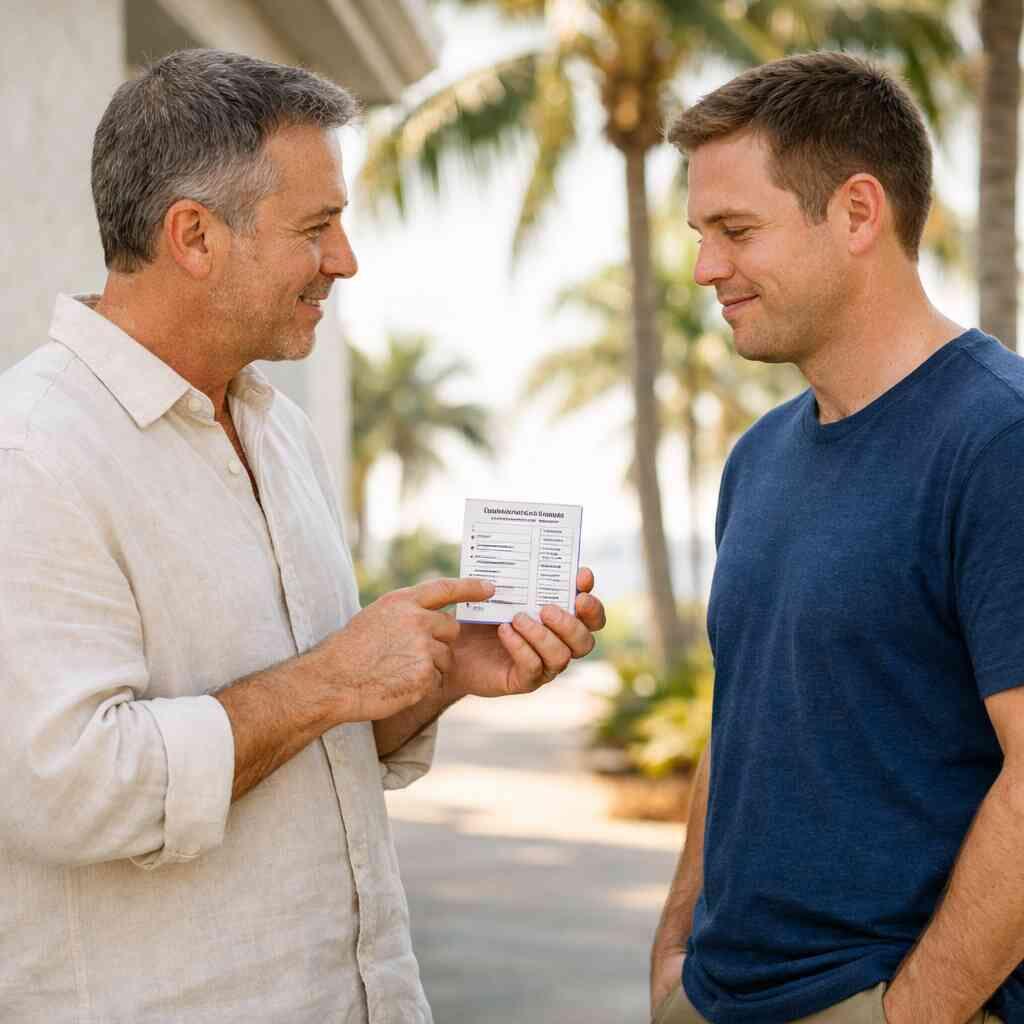
What Is Outpatient Psychiatry in Delray Beach 2026
When outpatient psychiatry feels like the safer choice than waiting for a crisis If you are reading this because your mood has shifted, your sleep feels off, or your prescriptions no longer seem to help, that unease matters. Many adults in Delray Beach wait far too long, hoping stress will settle on its own. It […]

When outpatient psychiatry feels like the safer choice than waiting for a crisis
If you are reading this because your mood has shifted, your sleep feels off, or your prescriptions no longer seem to help, that unease matters. Many adults in Delray Beach wait far too long, hoping stress will settle on its own. It often does not. Outpatient psychiatry gives you a way to act before things harden into a crisis, especially when you still need to work, parent, or keep life moving in South Florida.
Why Delray Beach adults often look for medication management before symptoms spiral
People usually search for medication management in Delray Beach when the warning signs are still subtle. Maybe you feel flat, edgy, foggy, or chronically tired. Maybe your medication worked before, but no longer does. That is often the moment when outpatient psychiatry becomes the safer, steadier path.
Here is the part most people miss: you do not need to be in a severe state to deserve psychiatric care. In fact, earlier care often means fewer disruptions later. In a busy coastal city like Delray Beach, many adults try to hold everything together until the cracks become visible. By then, the stress is heavier, and choices feel narrower.
A client once described it this way: “I was still showing up, but I was running on fumes.” That sentence captures why outpatient care helps. It meets you where you are. It also gives your clinician a chance to adjust treatment before sleep loss, panic, or hopelessness starts making daily life unsafe.
What outpatient psychiatry actually means when you are still living at home in South Florida
Outpatient psychiatry means you receive psychiatric care without staying overnight in a facility. You live at home, keep your routine, and come in for assessment, medication review, and follow-up. That structure works well for many people who need expert help but do not need twenty-four-hour supervision.
In practical terms, outpatient psychiatry in Delray Beach may include diagnosis, medication changes, symptom tracking, and coordination with therapy. It can also include psychiatric evaluation and intake process when the diagnosis is still being clarified. This format is especially useful for adults juggling work on Atlantic Avenue, family life, and long commutes across Palm Beach County.
The setting matters too. Being near home can lower barriers and make follow-through easier. That is one reason many people search for outpatient psychiatry in Delray Beach instead of waiting for a larger disruption. Consistency usually helps more than dramatic change.
How anxiety, depression, ADHD, bipolar disorder, OCD, and trauma can all show up in one visit
Many people expect one clear problem. Real life is rarely that tidy. Anxiety can look like stomach tightness, racing thoughts, or constant checking. Depression can look like irritability, low drive, or losing interest in things you used to enjoy. ADHD, bipolar disorder, OCD, and trauma can overlap in ways that blur the picture.
That is why skilled outpatient psychiatry asks careful questions. It looks at patterns, not just labels. It also considers sleep, substance use, family history, work stress, and safety. During one visit, a clinician may begin sorting out anxiety disorder treatment in South Florida, OCD treatment in South Florida, bipolar disorder management in South Florida, and ADHD medication management in South Florida if those concerns overlap.
The hardest cases are often the most ordinary-looking ones. Someone may still get to work, answer emails, and show up for dinner, yet feel internally frayed. That is not laziness. It is often a nervous system asking for help. And when trauma is part of the picture, trauma-informed psychiatry can keep treatment grounded and respectful.
The quiet signs that tell you a psychiatric evaluation is overdue even if life still looks functional
The warning signs are not always dramatic. Sometimes they are quiet and cumulative. You sleep too much or too little. You are snapping at people you love. Your focus slips. Your appetite changes. You start using alcohol or pills just to get through the evening.
A psychiatric evaluation is often overdue when your coping has become work. That includes needing more coffee to feel normal, missing deadlines, or feeling like you are performing okay while privately unraveling. A few people in Delray Beach tell us they knew something was wrong when their beach walks, workouts, or social plans started feeling empty instead of restorative.
The good news is that evaluation is not a verdict. It is information. It gives you a map. And when the symptoms point toward treatment-resistant depression care, the plan can include medication review plus options such as TMS therapy in Delray Beach, Spravato treatment, or ketamine therapy when clinically appropriate.
The Delray Beach care plan most people never see coming
Once people understand outpatient psychiatry, they often imagine it is just a prescription check. It is more than that. A strong care plan combines evaluation, follow-up, therapy coordination, and practical support. In South Florida, that can make the difference between short-term relief and durable stability.
What happens during a psychiatric evaluation and intake process at 140 NE 4th Avenue Delray Beach FL 33483
The intake process starts with a conversation, not a judgment. At 140 NE 4th Avenue Delray Beach FL 33483, the clinician typically reviews symptoms, medical history, prior medications, substance use, and goals. They also ask about sleep, appetite, energy, concentration, and safety. This is how a thoughtful diagnosis begins.
People often worry that intake will feel cold or rushed. It should not. A good evaluation gives enough space to understand what is driving the symptoms. It may also help sort out depression and addiction, anxiety and substance use, or trauma and mood instability. That kind of clarity matters because the treatment plan changes when the cause changes.
On the projects we have seen this year, the most helpful visits were the ones where the patient felt heard early. A clinician may also recommend what to know about medication management in Delray Beach 2026 style follow-up thinking: one plan, one chart, one place to keep symptoms organized. That structure is often what reduces confusion.
How collaborative care shapes medication changes, follow-up visits, and relapse prevention support
Medication work is rarely a one-and-done event. It is a process of careful adjustment. Doses may change. Side effects may fade. Symptoms may respond unevenly at first. Follow-up visits let the clinician see what is actually happening, not what was hoped for on paper.
That collaboration matters for relapse prevention too. If someone has recurrent depression, bipolar disorder, or panic symptoms, the plan should include early warning signs and specific coping steps. For some patients, the plan also includes psychiatric support for substance use disorders because substance use can destabilize mood treatment quickly.
This is where evidence-based care still feels human. The clinician is not just asking, “Did the pill help?” They are asking, “How did your mornings feel? Did you sleep? Did you drink less? Did work feel less impossible?” Those questions sound simple. They are often where the real answers live.
Where CBT, DBT, EMDR, and mindfulness-based coping skills fit inside outpatient psychiatry
Medication can reduce symptoms, but it does not teach the nervous system new habits. That is where therapy methods matter. CBT, or cognitive behavioral therapy, helps you notice and challenge distorted thoughts. DBT, dialectical behavior therapy, teaches emotion regulation and distress tolerance. EMDR, eye movement desensitization and reprocessing, can help trauma memories lose some of their charge. Mindfulness helps you notice stress without immediately reacting.
These are not trendy extras. They are established tools with strong clinical support. Outpatient psychiatry often works best when medication and therapy are aligned rather than siloed. For many people, cognitive behavioral therapy and dialectical behavior therapy skills make medication more useful because they help stabilize the daily patterns around it.
A person I spoke with recently had a long history of insomnia and panic, plus constant self-criticism. Once medication reduced the intensity, CBT gave them a way to interrupt the spiral at night. That was the shift: not magic, just good sequencing.
Why dual diagnosis treatment matters when depression and addiction or anxiety and substance use overlap
Dual diagnosis means you are treating a mental health condition and a substance use condition together. That matters because alcohol, cannabis, benzodiazepines, opioids, and stimulants can all shape mood, sleep, and impulsivity. NIDA has long emphasized that co-occurring disorders need coordinated care, not separate guesses. In practice, that means dual diagnosis treatment for co-occurring disorders may include medication review, substance use assessment, and relapse planning. It may also involve coordination with detox or higher levels of care when needed. If someone has been using alcohol heavily, or cycling through fentanyl treatment, heroin recovery, prescription pill addiction, or benzodiazepine withdrawal concerns, psychiatry has to account for that full picture. 
The mistake we see most often is treating anxiety as if alcohol were unrelated. It rarely is. The same goes for depression and cocaine use, or bipolar symptoms and stimulant misuse. When those patterns are addressed together, treatment becomes much more stable.
How telepsychiatry for Florida residents keeps care steady during travel work and busy seasons
South Florida life is not always predictable. People travel. Work surges. School schedules shift. Storm season changes plans. That is one reason telepsychiatry for Florida residents has become so useful.
Telepsychiatry can help you keep appointments when traffic, weather, or work travel would otherwise interrupt care. It is especially helpful for medication follow-up, symptom tracking, and check-ins after a dose change. For many patients, that steadiness matters more than the format itself.
The coastal rhythm of Delray Beach can be calming, but it can also hide how much strain you are carrying. Telepsychiatry helps bridge that gap. It keeps the plan moving when life gets busy, and that continuity often protects progress.
Choosing the next right level of care without losing momentum
People often think the choice is simple: outpatient care or a full residential stay. In reality, there are several levels between those two. The right fit depends on safety, symptoms, structure, and support at home. Choosing well can keep momentum intact.
When outpatient psychiatry is enough and when PHP or intensive outpatient support makes more sense
Outpatient psychiatry is enough when you can stay safe, function day to day, and participate in treatment between visits. If symptoms are worsening, substance use is escalating, or home life is unstable, a higher level of care may be smarter. That may include a partial hospitalization program in Delray Beach or intensive outpatient support in Delray Beach.
Here is a simple way to think about it:
Level of careBest forSchedule intensityOutpatient psychiatryMedication checks, stable symptoms, follow-upLowestIOPStronger support, skill work, relapse preventionModeratePHPMore structure, daily support, greater symptom burdenHighest outpatientIf someone needs detox or immediate stabilization, outpatient psychiatry alone is not enough. A medical detox process may be needed first. For people comparing options in Palm Beach County, it helps to know what is outpatient psychiatry in Delray Beach 2026 means flexible care, not minimal care.
How insurance verification, self-pay options, and out-of-network benefits usually get handled
Insurance questions can feel awkward, especially when you are already overwhelmed. They should not. A clean intake process includes benefits review, prior authorization when needed, and a look at possible out-of-network benefits or self-pay options. That is part of making care accessible, not complicated.
If you are comparing Florida rehabs that take insurance, psychiatric services may work differently from residential treatment. The coverage rules can vary by plan and by service type. That is why insurance verification for psychiatry should happen early, before the paperwork becomes a barrier. Patients often use Aetna, Cigna, Blue Cross Blue Shield, or other commercial plans, though benefits differ widely.
The key is clarity. Ask what is covered, what needs approval, and what your likely share may be. A transparent admissions team can also explain private pay psychiatry options when coverage is limited.
What family therapy coordination aftercare planning and sober living resources can look like in real life
Recovery rarely succeeds in a vacuum. Family patterns, housing, work, and routines all matter. That is why family therapy coordination in mental health recovery can be so useful, especially when communication has broken down or relapse risk is high.
Aftercare planning is practical, not sentimental. It may include step-down visits, therapy referrals, sober living resources, coping skills, and a relapse prevention map. For some people, support also includes 12-step alternatives, SMART Recovery, life skills training, vocational support, and nutritional counseling. Those details sound small. They often decide whether progress holds.
A young adult in the Delray recovery community may need different support than a professional commuting from Boca Raton or a veteran balancing PTSD and work. Good aftercare respects that. It also respects that healing may include yoga therapy, art therapy, mindfulness meditation, or group therapy activities, depending on the person.
How RECO Integrated Psychiatry fits into the wider RECO treatment network for South Florida mental health support
RECO Integrated Psychiatry is part of a larger care ecosystem. That matters because psychiatric care does not always stand alone. If someone needs residential treatment facility support, a higher level of monitoring, or step-down planning, the RECO treatment network can help connect the pieces across South Florida.
That broader structure is useful for patients who move between levels of care. It can also support continuity after detox, IOP, or residential treatment. For many patients, that means fewer handoffs and less chance of falling through the cracks.
The local advantage is real. Delray Beach has a strong recovery community, and proximity to the beach can be grounding when treatment is handled with skill and care. If you want South Florida psychiatric care near Delray Beach, the goal is not to push you through a system. It is to help you get a plan that fits your life.
What to do next if you want a confidential medication management visit or a clearer treatment plan
If you are unsure what level of care you need, start with a psychiatric evaluation. That visit can clarify diagnosis, recommend medication changes, and show whether outpatient care is enough or whether PHP or IOP makes more sense. It can also identify whether treatment-resistant depression care, trauma support, or substance-use coordination belongs in the plan.
If you live in Delray Beach, Palm Beach County, Broward County, or nearby areas like West Palm Beach, Fort Lauderdale, Miami, or Boca Raton, local access matters. So does privacy. A confidential appointment can give you answers without forcing a bigger commitment than you need today.
The most useful next move is simple: reach out for a visit, gather your medication list, and write down the three symptoms that bother you most. You do not have to solve everything at once. Start with a conversation, and let the plan get clearer from there.
Frequently Asked Questions
Question: What is outpatient psychiatry in Delray Beach 2026, and how does RECO Integrated Psychiatry approach it?
Answer: Outpatient psychiatry in Delray Beach is a flexible form of care that lets you receive expert psychiatric support while continuing to live at home, work, and manage daily responsibilities. At RECO Integrated Psychiatry, the focus is on thoughtful, individualized treatment planning rather than rushed medication checks. That often includes a psychiatric evaluation and intake process, medication management in Delray Beach, symptom tracking, and coordinated follow-up visits.
This model is especially helpful for adults dealing with anxiety disorder treatment, depression treatment, ADHD medication management, bipolar disorder management, OCD treatment, trauma-informed psychiatry, or co-occurring disorders care. If symptoms are not severe enough to require a residential treatment facility or partial hospitalization program, outpatient psychiatry can still provide meaningful support before things escalate.
RECO Integrated Psychiatry serves patients at 140 NE 4th Avenue Delray Beach FL 33483 and supports South Florida psychiatric care with telepsychiatry for Florida residents when appropriate. The goal is simple: offer evidence-based psychiatric treatment that is compassionate, practical, and designed around real life.
Question: How do I know if I need medication management in Delray Beach or a higher level of care like PHP or IOP?
Answer: If you are still able to stay safe and function day to day, outpatient psychiatry may be the right starting point. Many people begin with medication management in Delray Beach when symptoms are becoming harder to ignore but have not yet reached a crisis. Signs may include worsening sleep, constant worry, low mood, irritability, poor focus, or feeling like your current medication is no longer helping.
A higher level of care such as a partial hospitalization program or intensive outpatient support may make more sense if symptoms are rapidly worsening, substance use is escalating, or home life is unstable. This is especially important when depression and addiction overlap, or when dual diagnosis treatment is needed for co-occurring disorders care. In those cases, RECO Integrated Psychiatry can help evaluate whether you need outpatient program Delray Beach services, mental health IOP, or coordination with a detox or residential level of care.
Because every person’s situation is different, the safest next step is a psychiatric evaluation and intake process. That visit helps clarify whether outpatient care, PHP, or IOP is the best fit. It can also guide decisions about relapse prevention support, aftercare planning, and whether innovative depression therapies like TMS therapy in Delray Beach, Spravato treatment, or ketamine treatment may be appropriate.
Question: Does RECO Integrated Psychiatry help with dual diagnosis treatment and psychiatric support for substance use disorders?
Answer: Yes. RECO Integrated Psychiatry regularly supports patients who are dealing with both mental health symptoms and substance use concerns. This is a core part of dual diagnosis treatment, and it matters because alcohol, cannabis, stimulants, opioids, and benzodiazepines can all affect mood, sleep, anxiety, and impulse control. Treating only one side of the problem usually leaves the other side active.
In practice, this may involve medication review, psychiatric support for substance use disorders, relapse prevention support, and coordination with other services in the RECO treatment network when needed. For some patients, that can include support related to alcoholism treatment center needs, drug rehab near me searches, opioid rehab Delray care, fentanyl treatment, heroin recovery, prescription pill addiction, benzodiazepine withdrawal, cocaine detox Florida concerns, or medication-assisted treatment coordination such as Suboxone maintenance or Vivitrol injections when clinically appropriate.
The advantage of integrated care is that it helps connect the dots. Anxiety treatment in South Florida, PTSD treatment, bipolar disorder therapy, and depression and addiction support are often intertwined. RECO’s collaborative care model is designed to help you get a clearer diagnosis and a more stable plan without forcing you to navigate everything alone.
Question: What kinds of therapy and coping skills are paired with outpatient psychiatry at RECO Integrated Psychiatry?
Answer: Outpatient psychiatry works best when medication and therapy support each other. At RECO Integrated Psychiatry, care may be paired with cognitive behavioral therapy, dialectical behavior therapy, EMDR-informed trauma care, and mindfulness-based coping skills depending on the person’s needs and treatment goals. These approaches can help you understand triggers, reduce avoidance, improve emotional regulation, and build practical coping skills for daily life.
This is especially useful for trauma therapy South Florida needs, PTSD treatment, anxiety treatment in South Florida, chronic mood disorder care, and depression treatment. If substance use is part of the picture, therapy may also support long-term recovery through relapse prevention, case management for mental health, life skills support, vocational support, nutritional counseling, and family therapy coordination.
RECO also understands that healing is not only clinical. A coastal recovery environment, sober living resources, 12-step alternatives, SMART Recovery support, group therapy activities, and holistic mental health care can all play a role in the bigger picture. The right combination depends on your situation, your goals, and your comfort level.
Question: Does RECO Integrated Psychiatry offer telepsychiatry for Florida residents and support for people outside Delray Beach?
Answer: Yes. Telepsychiatry for Florida residents can be a helpful option when travel, work schedules, or seasonal demands make in-person visits harder to maintain. This can be especially valuable for medication management, psychiatric follow-up visits, and ongoing support after an intake appointment.
RECO Integrated Psychiatry serves people in Delray Beach as well as nearby areas like Boca Raton, West Palm Beach, Fort Lauderdale, Miami, and the broader Palm Beach County mental health care region. For many patients, telepsychiatry helps preserve continuity when they are balancing a professional’s mental health program, young adult psychiatry needs, LGBTQ+ affirmative psychiatric care, veterans mental health support, or women’s mental health care and men’s mental health care considerations.
If you are looking for South Florida psychiatric care that feels accessible and consistent, telepsychiatry can be an effective way to stay connected to treatment. It also works well for ongoing treatment-resistant depression care, ADHD medication management, bipolar disorder management, and family-focused mental health support when appropriate.
Question: How does insurance verification for psychiatry work, and can RECO Integrated Psychiatry help with private pay psychiatry options?
Answer: Insurance verification for psychiatry is typically one of the first steps in making treatment easier to access. RECO Integrated Psychiatry can help you understand whether your plan may cover outpatient psychiatry, medication management in Delray Beach, telepsychiatry for Florida residents, and other services. Patients often ask about Aetna, Cigna, Blue Cross Blue Shield, out-of-network benefits, or self-pay options, and those questions are worth asking early.
The goal is clarity, not confusion. A transparent admissions process can help you understand what is covered, whether any approvals are needed, and what your likely responsibilities may be. That matters for people comparing Florida rehabs that take insurance, private rehab options, or outpatient program Delray Beach care while trying to make a practical decision.
If you are unsure how to choose a rehab or psychiatric provider, starting with a confidential evaluation can help. RECO Integrated Psychiatry offers licensed clinicians, evidence-based treatment, and integrated psychiatry services in a setting that values privacy, accuracy, and human connection. If outpatient psychiatry is the right fit, the team can help you move forward with a clear plan.
“I had a wonderful, powerful, exceptional experience in recovery at RECO Integrated psychiatry/intensive,as well as all around mental,emotional and addictive therapy. The staff is wonderful , it is a safe space clean and modern . The exercises in mental health therapy was an amazing opportunity and full whole person addiction mental, physically and emotionally treatment. Very structured program, each day has a specific direction that follows a wonderful whole person treatment plan. Great therapist,peer to peer work as well . I enjoyed one on one and group sessions. I personally took part in PHP,IOP and they offer OP as well . The facility took us to meetings and groups almost every night except the day(s) they brought the meeting to the sober house I stayed in. We had outings and activities every week , equine therapy too. I can’t say enough about this facility,program and staff . I would recommend to anyone any age to consider RECO for a complete and thorough treatment facility. I have remained sober after coming home ,I am regaining confidence, lost relationships and a sober community since treatment . RECO gave me skills and realized dreams to stay clean and sober .”- A.LeeGNV, a 5 star review from RECO Integrated Psychiatry on Google Business Reviews