
What Is Spravato Treatment and Who May Benefit in 2026
If you are reading this after another antidepressant did not help enough, that hurts. It also gets confusing fast. In our Delray Beach psychiatry visits, people often arrive tired of guessing, tired of side effects, and tired of being told to “wait a little longer.” Spravato treatment enters the conversation when standard care has not […]
If you are reading this after another antidepressant did not help enough, that hurts. It also gets confusing fast. In our Delray Beach psychiatry visits, people often arrive tired of guessing, tired of side effects, and tired of being told to “wait a little longer.” Spravato treatment enters the conversation when standard care has not brought enough relief, and that can feel like a big moment for many families.
Why Spravato enters the conversation when antidepressants keep falling short
What treatment-resistant depression actually means in a real Delray Beach psychiatry visit
Treatment-resistant depression usually means depression has not improved after trying at least two appropriate antidepressants. That definition sounds neat on paper. Real life is messier. Dose, duration, adherence, side effects, and other diagnoses all matter. In a Delray Beach psychiatry office, the real question is not just “Did it fail?” It is “Did it fail for the right reasons, and what else is shaping the picture?”
One client in the Lake Ida area described it plainly: the medicine took the edge off for a few weeks, then the heaviness returned. That pattern is common. The problem is often not a lack of effort. It is that major depressive disorder with persistent depressive symptoms can be stubborn, layered, and linked to anxiety, sleep loss, or trauma. Spravato treatment may help some adults when that stubborn pattern keeps repeating.
Here is the part most people miss. Depression is not only about sadness. It can look like brain fog, slowed thinking, irritability, and the sense that every task weighs too much. Those symptoms can keep showing up even while you are doing everything “right.” That is why a careful treatment-resistant depression conversation matters so much.
The warning signs that standard medication management is not enough anymore
You may notice the same warning signs again and again. Mornings feel impossible. Work slips. You cancel plans. Sleep becomes shallow or broken. Appetite changes, or your energy stays flat no matter how much you rest. Those changes can point to depressive symptoms that persist even after standard medication management.
Another sign is the cycle of hope and disappointment. A new medication starts, you wait, you track side effects, and then nothing shifts enough. That can wear you down more than the symptoms themselves. In those moments, medication management for depression when antidepressants stop working may need to include a different tool, not just another adjustment. Spravato can be part of that discussion.
A couple from near Atlantic Avenue recently described a pattern we hear often. One partner kept saying, “It is a bad week,” for months. The other said, “It is more than that now.” That is often the tipping point. If your day-to-day life keeps shrinking, the goal shifts from “toughing it out” to reassessing the plan with more precision.
How anxiety, PTSD, and bipolar depression can complicate the picture before Spravato is even considered
Depression rarely travels alone. Anxiety can keep your body in constant alarm. Trauma can make your mind feel unsafe even in quiet rooms. Bipolar depression brings another layer, because antidepressants alone may not be the right fit. These overlaps matter before Spravato is even considered.
A good psychiatrist looks at the whole pattern, not only the low mood. That includes panic, nightmares, obsessive worry, mood swings, and substance use history. It also includes whether you need dual diagnosis treatment for depression and anxiety overlap or PTSD and trauma-related depression care in South Florida. In some cases, Spravato may still be appropriate. In others, a different route comes first.
Bipolar depression considerations in evidence-based psychiatry are especially important. Antidepressants can sometimes destabilize mood in bipolar illness if used without the right plan. That is why careful screening matters more than urgency. A skilled evaluation protects you from moving too quickly into the wrong treatment.
What happens inside a Spravato program from psychiatric evaluation to post-dose monitoring
The psychiatric evaluation that decides whether esketamine nasal spray fits your case
A Spravato program starts with a psychiatric evaluation, not a prescription pad. The clinician reviews your diagnosis, medication history, symptom pattern, medical history, and safety concerns. This is where psychiatric evaluation for Spravato becomes essential. It helps determine whether esketamine nasal spray fits your case.
The evaluation also looks for issues that can change the plan. Uncontrolled blood pressure, active psychosis, certain substance use patterns, and bipolar features all matter. So does whether you can commit to in-office monitoring. Spravato is not a take-home medication. It is a supervised treatment, and that structure is part of its safety profile.
On the projects we have seen this year, the best outcomes in any innovative depression treatment plan start with clarity. Patients do better when the clinician explains why a choice is being made. They also do better when the treatment path is realistic for their schedule, support system, and health status. That is true for Spravato treatment for adults with treatment-resistant depression in Delray Beach as much as anything else.
Why supervised in-office dosing and blood pressure monitoring are non-negotiable
Spravato treatment requires supervised in-office dosing. That is not a formality. It protects you while the medicine starts working. Blood pressure monitoring during treatment is also standard, because esketamine can raise blood pressure temporarily. Most visits include pre-dose checks, dose administration, and observation afterward.
The structure may feel inconvenient at first. Still, it is what makes the process safe. You stay in the office while the medication takes effect. You should not drive yourself home. You should not plan a demanding meeting afterward. Those rules can sound strict, but they exist for a reason.
A patient from nearby Boca Raton told our team the waiting period felt strange at first, then reassuring. The room was quiet. The chair was comfortable. The monitor beeped softly while the nurse checked vitals. That kind of calm, contained setting helps many people feel steadier while they adjust to treatment. It is one reason supervised in-office dosing and blood pressure monitoring during Spravato treatment matter so much.
What dissociative side effects can feel like and how clinicians keep the experience safe
Some people describe dissociative side effects as feeling detached, dreamlike, floaty, or slightly out of sync with the room. Others notice mild nausea, dizziness, or a temporary change in perception. These effects can sound alarming on paper. In practice, the experience is usually time-limited and closely watched.
The key is preparation. Clinicians explain what may happen before dosing starts. They also stay nearby during the visit. If you feel uneasy, staff can help you ground yourself with simple techniques. Slow breathing, quiet conversation, and a low-stimulation environment often make the experience easier.
Here is what almost no online guide mentions: the fear of the side effect can be worse than the side effect itself. Once people know what is normal, they often relax. That matters because the treatment room should feel controlled, not mysterious. Patients deserve straight talk before they ever receive a dose.
How Spravato fits with CBT, DBT, and medication management instead of replacing them
Spravato is not a replacement for therapy or careful follow-up. It works best as part of a broader plan. That may include integrated psychotherapy support with CBT and DBT for complex depression, medication adjustments, and practical coping work. The medicine may help lift symptoms enough that therapy becomes easier to use.
CBT, or cognitive behavioral therapy, helps you notice the thought loops that feed depression. DBT, or dialectical behavior therapy, adds tools for distress tolerance, emotion regulation, and coping under pressure. Those skills matter whether your depression is mild, severe, or tied to trauma. They also matter after the dose ends, when you return to daily life.
Spravato can create room for progress. It does not do the work for you. That is why medication management and therapy should stay connected. When the plan is coordinated, the odds of functional recovery support improve in a practical way, not a magical one.
Who may benefit and who needs a different path before esketamine is on the table
Adults with treatment-resistant depression and persistent depressive symptoms that do not ease
Spravato may benefit adults with treatment-resistant depression and persistent symptoms that have not lifted with standard care. It is often discussed after multiple medication trials, especially when the depression still affects sleep, work, relationships, and motivation. People sometimes ask if they are “sick enough” for it. The more useful question is whether the current plan is failing despite real effort.
That said, not every person with depression is a Spravato candidate. Some people need medication optimization first. Others need a different diagnosis confirmed. Some need therapy support before adding another medical intervention. A good evaluation sorts through those details instead of rushing.
If you want a broader view of symptom patterns and diagnostic thresholds, start with major depressive disorder and persistent depressive symptoms. It can help you understand why one person improves with routine medication changes while another needs a different strategy. The goal is matching treatment to the actual illness pattern.
People with depression and anxiety overlap, trauma-related depression, or co-occurring disorders
Depression with anxiety overlap can be draining in a way many people do not expect. Anxiety keeps the nervous system braced. Depression drains the fuel. Trauma-related depression can add hypervigilance, avoidance, or emotional numbing. Together, these can make treatment feel slow even when you are doing everything correctly. That is where co-occurring disorders matter. NIDA and other treatment authorities emphasize that mental health and substance use concerns often reinforce each other. The same is true for depression and anxiety. If you have both, the plan should address both. Dual diagnosis treatment can help organize that care. A Delray Beach resident once said her depression felt “loudest” after conflict and “quietest” near the ocean. That kind of pattern often points to a nervous system stuck in threat mode. In those cases, Spravato may be part of care, but the plan should still include trauma-informed therapy and coping work. PTSD treatment in South Florida can be a useful part of that path. 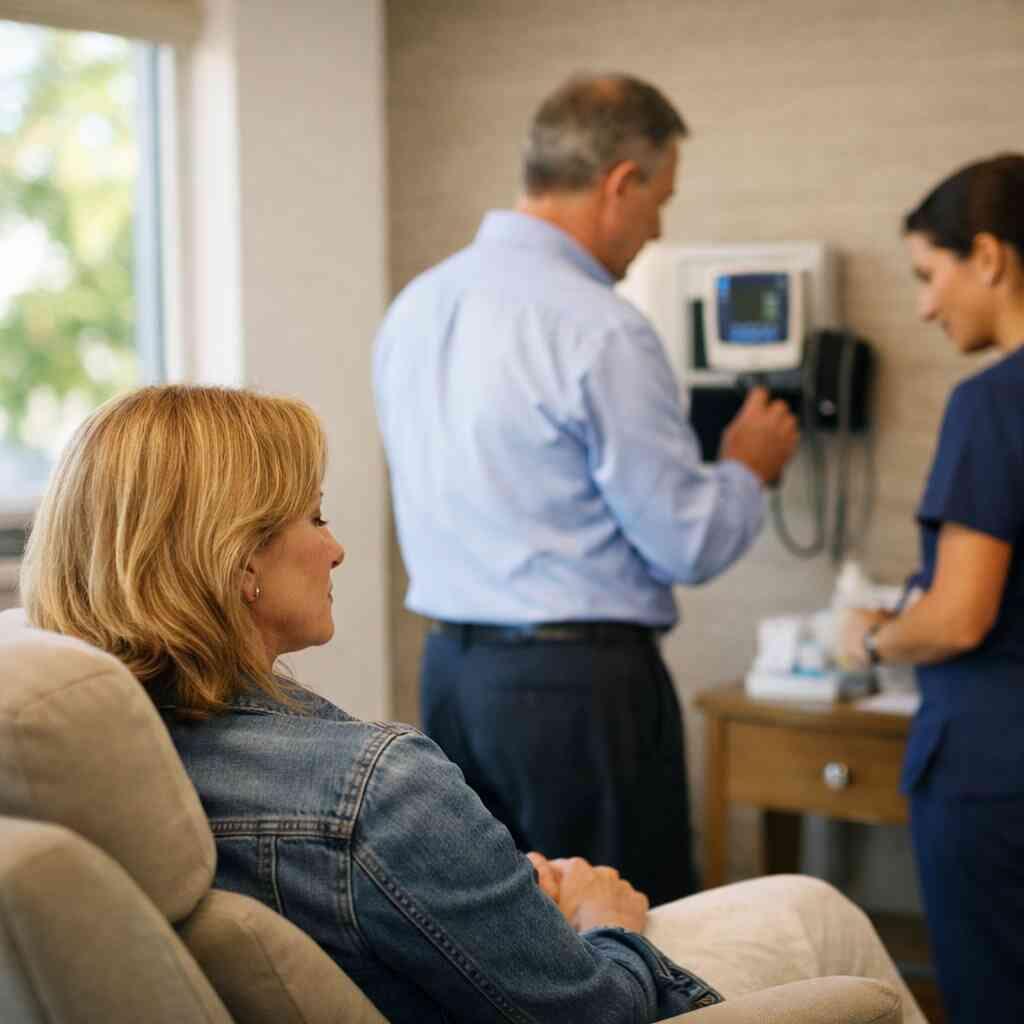
When suicidal thoughts call for urgent evaluation and a higher level of care
If suicidal thoughts show up, the conversation changes. This needs urgent evaluation, not a wait-and-see approach. Spravato may be discussed in some high-risk situations, but only after a full safety review. Immediate support comes first.
This is where level of care matters. A person who can stay safe with outpatient support may need a different plan than someone who cannot. The right setting might be a partial hospitalization program, an intensive outpatient program, or, in some cases, a higher level of care. The urgency is not about labels. It is about keeping you safe enough to think clearly.
If thoughts of self-harm are active, contact emergency services or a crisis line right away. If the thoughts are passive but persistent, tell a clinician directly. Do not wait for them to ask the perfect question. Clear communication helps the team decide whether outpatient Spravato treatment is appropriate or whether something more intensive should come first.
Why bipolar disorder therapy, OCD care, and substance use history require a more careful plan
Bipolar disorder changes the medication conversation. Depression may be part of bipolar illness, but treatment must avoid triggering mania or mixed states. That is why bipolar depression considerations in evidence-based psychiatry are nonnegotiable before starting esketamine. The same care applies when OCD symptoms, severe anxiety, or substance use are in the picture.
Substance use history does not automatically rule out Spravato. It does mean the clinician should be more careful. Esketamine has known abuse potential, and the setting must reflect that. A history of prescription pill addiction, benzodiazepine withdrawal, cocaine detox Florida, opioid rehab Delray, or fentanyl treatment may change the risk-benefit discussion. Honest answers help the team protect you.
The safest plan is the one that sees the whole person. That includes your diagnosis, your recovery history, and your current support system. It also includes practical realities like transportation, work hours, and whether you can reliably attend monitoring visits. Those details are not side issues. They are part of the treatment decision.
What choosing next actually looks like in South Florida after Spravato is on your radar
How Delray Beach residents compare outpatient psychiatry, IOP, and PHP for the right level of support
Once Spravato is on your radar, the next question is often level of care. Some people do well in outpatient psychiatry with medication support and therapy. Others need more structure through an intensive outpatient program or a partial hospitalization program. If symptoms are interfering with daily function, that choice matters.
In South Florida, people often compare PHP and IOP while also weighing commute time, work, and family demands. A PHP offers more hours and more daily support. An IOP gives more flexibility. How to compare PHP and IOP for mental health support in South Florida can help you think through that difference. For some, Spravato pairs well with outpatient psychiatry. For others, it sits inside a broader mental health IOP or co-occurring care plan.
Delray Beach has a real recovery rhythm. You feel it near Atlantic Avenue, in the steady stream of people walking, working, and rebuilding. That rhythm can help, but it does not replace the right level of care. The decision should fit your symptoms, not your wish to “just get by.”
What insurance verification and out-of-network benefits can change before treatment starts
Insurance can shape the plan more than people expect. Before Spravato treatment starts, it helps to verify benefits, prior authorization needs, and any out-of-network benefits. That discussion can change timing, visit frequency, and which services are covered together. It can also reduce a lot of stress.
If you are comparing options in Palm Beach County, ask clear questions early. Does the plan cover the evaluation? Does it cover the medication visits? Are therapy and medication management billed separately? Those answers matter before you commit. You can start with insurance verification and out-of-network benefits to sort out the details with less guessing.
People sometimes feel embarrassed asking about costs. They should not. Financial uncertainty can derail care faster than symptoms do. If you know the coverage picture early, you can make a calmer choice.
How family support, relapse prevention, and aftercare planning shape lasting progress
Family support can make treatment steadier. It helps when a partner, parent, or sibling understands what the visits involve and how recovery support works. That matters even when the diagnosis is depression rather than addiction. Sleep, routines, and transportation all get easier when the household is aligned.
Relapse prevention for depression is not a slogan. It means knowing your early warning signs, your stress triggers, and your action plan. It means using coping skills before symptoms snowball. It also means having a place to return for follow-up when things wobble. Family support in mental health care and continuing care and aftercare support can make that structure more durable.
Here is the part most families miss. Support is not the same as monitoring every move. Good support means help with routines, honest check-ins, and clear boundaries. That balance can keep treatment from feeling lonely or chaotic.
“I have to thank reco for saving my life. I was on a long downward spiral and just couldn’t stop. I was mentally, emotionally, spiritually, and physically exhausted. Reco is hands down the best treatment center for treatment and therapy/mental health i have been to. I am eternally grateful to reco for giving me a solid start on my recovery journey.”- David B., a 5 star review from our business on Google Business Reviews
The next step when you want a clinical opinion without guessing whether Spravato is the right fit
If Spravato is on your mind, do not try to self-qualify from a search result alone. Start with a clinical opinion. A psychiatrist can review your history, explain whether your depression fits the pattern, and tell you what other options still make sense. That may include therapy, medication adjustments, or a different level of care.
RECO Integrated Psychiatry in Delray Beach works with adults across South Florida who need careful, evidence-based depression care. That includes telepsychiatry for Florida residents when appropriate. It also includes coordinated planning when symptoms overlap with anxiety, trauma, or recovery concerns. If you want a clearer read on next steps, ask for a visit and bring your medication list, symptom history, and any past treatment records.
You do not need to decide everything today. Start with one honest conversation, then let the plan become clearer from there.
Frequently Asked Questions
How long does a Spravato visit last?
A visit includes dosing and monitoring, so plan for several hours in the office. You will need observation after the medication is given. Driving afterward is not allowed, so arrange a ride in advance.
Does RECO Integrated Psychiatry offer Spravato for depression?
RECO Integrated Psychiatry offers psychiatric evaluation and innovative depression care, including Spravato when clinically appropriate. The team reviews diagnosis, safety, and treatment history before recommending a path. That keeps the plan personal and evidence-based.
Can Spravato help if antidepressants stopped working?
It may help some adults with treatment-resistant depression after standard antidepressants have not worked well enough. The evaluation looks at diagnosis, side effects, and other health factors first. Spravato is not right for everyone.
What is the difference between PHP and IOP?
PHP usually provides more hours of care and more structure. IOP offers fewer weekly hours and more flexibility. The best choice depends on symptom severity, safety needs, and daily responsibilities.
Is family involved in treatment?
Family involvement may be helpful when you want more support at home. Education, communication, and boundaries can improve follow-through. The exact role depends on your preferences and clinical needs.
What if I need help for depression but not addiction?
You can still seek psychiatric care for depression alone. Spravato, medication management, and therapy may be discussed if your symptoms fit the diagnosis. A psychiatrist can help sort out the right level of support.
What should I bring to my first evaluation?
Bring a medication list, any past psychiatric records, and notes about what has or has not helped. Also bring questions about safety, coverage, and scheduling. That makes the visit more useful and less stressful.