What Is the Role of Group Therapy in Dual Diagnosis Care
If you are reading this because your life feels split in two, that makes sense. One part is dealing with mood, anxiety, trauma, or bipolar symptoms. The other is trying to stay away from alcohol or drugs, or both. That tug-of-war can leave you exhausted, ashamed, and unsure which problem came first. Group therapy helps […]

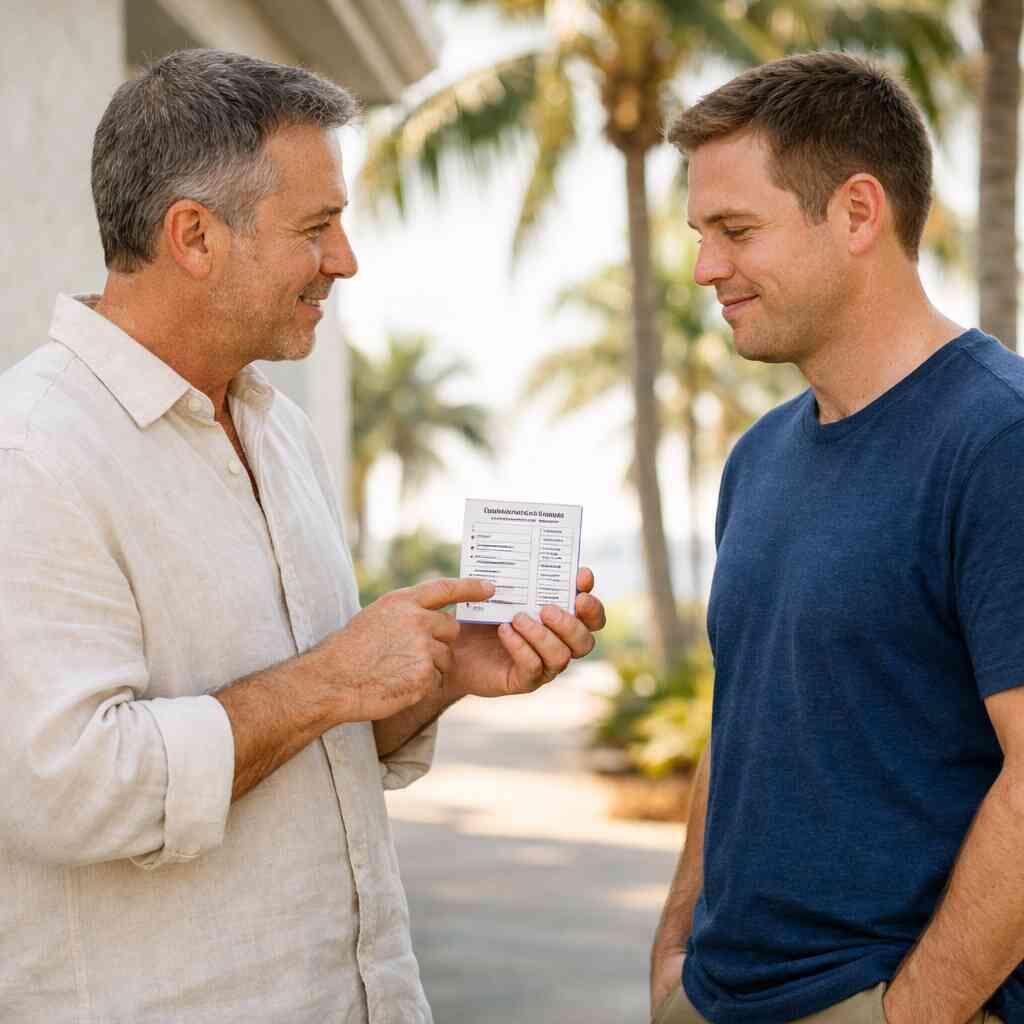
If you are reading this because your life feels split in two, that makes sense. One part is dealing with mood, anxiety, trauma, or bipolar symptoms. The other is trying to stay away from alcohol or drugs, or both. That tug-of-war can leave you exhausted, ashamed, and unsure which problem came first. Group therapy helps because it addresses both tracks at once.
When a Diagnosis Has Two Tracks, Why Group Rooms Change the Game
Why substance use and mental health symptoms often feed each other in real life
In dual diagnosis treatment, the pattern is rarely simple. Alcohol can worsen depression, and cocaine can spike anxiety and paranoia. Opioids may numb pain for a while, then deepen hopelessness later. The same goes for trauma, which often sits under the surface of both conditions. That is why integrated mental health and addiction care matters so much in Florida addiction treatment.
A person may show up for an outpatient program in Delray Beach saying they only need help with drinking. Then panic attacks, sleepless nights, or grief appear once the substance is removed. That does not mean treatment failed. It means the real picture is finally visible. SAMHSA and NIDA both support the co-occurring disorders model for exactly this reason.
What group therapy helps people hear that private sessions can miss
Private therapy gives privacy. Group therapy gives mirrors. In a good group, you hear your own excuses, fears, and relapse triggers spoken by other people in plain language. That can be uncomfortable. It can also be the moment things finally click.
Here is the part most people miss: shame shrinks when the same fear shows up in three other chairs. A man in a Delray Beach rehab group once said he thought he was the only one hiding pill use from his spouse. He was not. The relief on his face changed the whole room.
“I had a wonderful, powerful, exceptional experience in recovery at RECO Integrated psychiatry/intensive,as well as all around mental,emotional and addictive therapy. The staff is wonderful , it is a safe space clean and modern . The exercises in mental health therapy was an amazing opportunity and full whole person addiction mental, physically and emotionally treatment. Very structured program, each day has a specific direction that follows a wonderful whole person treatment plan. Great therapist,peer to peer work as well . I enjoyed one on one and group sessions. I personally took part in PHP,IOP and they offer OP as well . The facility took us to meetings and groups almost every night except the day(s) they brought the meeting to the sober house I stayed in. We had outings and activities every week , equine therapy too. I can’t say enough about this facility,program and staff . I would recommend to anyone any age to consider RECO for a complete and thorough treatment facility. I have remained sober after coming home ,I am regaining confidence, lost relationships and a sober community since treatment . RECO gave me skills and realized dreams to stay clean and sober .”– Alisha S., a 5 star review from our business on Google Business Reviews
How dual diagnosis care looks different in an outpatient program Delray Beach setting
Outpatient care has to do more with less. People may be working, caring for children, or commuting through Atlantic Avenue traffic after a long day. That means the structure has to be strong, clear, and realistic. A solid outpatient program in Delray Beach uses group therapy, medication support, and skills practice in a way that fits daily life.
In South Florida, people often want help without stepping completely away from home. That is where group therapy in dual diagnosis treatment becomes a stabilizer. It creates a rhythm. It also gives licensed clinicians a chance to notice patterns that a quick office visit might miss.
Why a calm South Florida recovery community can make hard conversations feel more possible
Recovery is easier when the setting feels safe. Delray Beach has a coastal pace that can lower tension, even on hard days. The recovery community here also gives people a shared language. That helps when you are talking about relapse prevention, medication changes, or family conflict.
One client told our team the quiet after group mattered as much as the group itself. She would walk outside, feel the warm air, and finally remember the next right thing. That kind of grounded moment is not magic. It is what happens when treatment and setting work together.
The Parts of Group Therapy That Actually Hold Co-Occurring Disorders Together
How peer support in recovery lowers shame and makes relapse triggers easier to name
Peer support in recovery is more than encouragement. It gives you language. People in the room may name relapse triggers you have been carrying silently for months. They may also spot patterns you have normalized, like skipping meals, isolating, or missing medication.
That matters in alcoholism treatment center settings and in drug rehab near me searches alike. Shame loves secrecy. Group breaks secrecy apart. It also helps people practice honesty before a crisis hits.
Why CBT and DBT skills work well in group therapy activities
Cognitive behavioral therapy teaches you to notice the link between thoughts, feelings, and actions. Dialectical behavior therapy adds tools for distress tolerance, emotion regulation, and interpersonal skills. In group therapy activities, those skills become concrete. You do not just hear about them. You rehearse them.
A good CBT and DBT support track might include urge surfing, thought checks, and boundary practice. Those tools fit well for depression and addiction, anxiety treatment, and bipolar disorder therapy. They are practical. They also build confidence without pretending life is easy.
Where trauma-informed group therapy and EMDR trauma therapy fit for PTSD treatment and depression and addiction
Trauma is often woven through substance use. That is especially true for fentanyl treatment, heroin recovery, prescription pill addiction, and benzodiazepine withdrawal. A trauma-informed group does not force disclosure. It creates enough safety for choice. That is different.
Some people also benefit from EMDR trauma therapy, especially when PTSD treatment is part of the plan. EMDR is not a group process in the usual sense, but it can sit beside group work in integrated care. The goal is steady healing, not pushing too fast. That distinction matters.
How mindfulness meditation and other coping skills help people stay steady between sessions
Learning skills in group only matters if they hold up later. That is where mindfulness meditation, grounding, and paced breathing come in. These are not wellness trends. They are relapse prevention tools. They help the nervous system settle enough to make better choices.
Common coping skills used in dual diagnosis groups include:
- breathing exercises during cravings
- five-senses grounding for panic
- urge logs for triggers
- sleep routines
- meal planning and hydration
- brief check-ins before conflict
These tools are simple on purpose. Simple is easier to use under stress. Simple is what sticks.
What a Good Dual Diagnosis Group Covers When the Day Is Structured Right
How a mental health IOP or partial hospitalization program uses group to build rhythm and accountability
A mental health IOP or partial hospitalization program gives the week a spine. You know when to show up. You know what the day expects. That structure matters when motivation is shaky. It also helps people rebuild trust in themselves.
A mental health IOP near Delray Beach often balances group, individual work, and psychiatry follow-up. A partial hospitalization program for recovery is usually more intensive. PHP versus IOP for South Florida recovery depends on symptom severity, home stability, and recent substance use. The right level of care should fit your actual life, not an ideal version of it.
Why medication management and medication-assisted treatment still matter alongside therapy
Group therapy is powerful, but it is not a substitute for psychiatry. For some people, medication management reduces mood swings, intrusive thoughts, or panic enough to make therapy useful. For others, medication-assisted treatment supports safer opioid recovery. Both can be essential.
At RECO Integrated Psychiatry, medication management alongside therapy is part of integrative psychiatry. Evidence supports this combined model for many co-occurring disorders. It is also consistent with SAMHSA treatment guidance. The point is balance, not over-reliance on any one tool.
How group work supports opioid rehab Delray needs including Suboxone maintenance and Vivitrol injections
Opioid recovery often needs more than willpower. It needs medical support, monitoring, and a plan for cravings and stress. That is true for fentanyl treatment, heroin recovery, and prescription pill addiction. Group creates a place to talk about those issues honestly. 
A medication-assisted treatment for opioid recovery plan may include Suboxone maintenance or Vivitrol injections when clinically appropriate. Group helps people stay on track with pharmacy monitoring in recovery, side effects, and routine. One patient said the hardest part was not the medication. It was admitting he needed it. Group made that admission feel less like defeat and more like strategy.
What family therapy can add when loved ones are part of recovery support network planning
Family systems matter. Addiction rarely affects one person only. It reaches the whole house. That is why family therapy can be such a strong part of a recovery support network. It gives loved ones a place to learn, ask questions, and reset old habits.
A family session can clarify boundaries, roles, and safety plans. It also helps with aftercare planning, sober living resources, and relapse prevention. If you want a deeper look, family therapy for recovery support can show how that work fits into dual diagnosis care. Families often leave with fewer arguments and clearer next steps.
The Questions Families Ask Before They Trust a Group-Based Plan
How to tell whether dual diagnosis treatment is right for anxiety treatment, bipolar disorder therapy, or PTSD treatment
A good sign is simple: if substance use and mental health symptoms rise and fall together, dual diagnosis treatment is likely relevant. That includes anxiety treatment, bipolar disorder therapy, and PTSD treatment. It also includes depression and addiction when both keep returning. You do not need a perfect label to deserve help.
The evaluation should look at sleep, mood, trauma history, substance use patterns, and safety. It should also ask about withdrawal, medication adherence, and past treatment. If a program only talks about one problem, that is a warning sign. Co-occurring disorders need a broader lens.
What to expect when insurance verification is part of intake at a private rehab in Delray Beach
Insurance questions can feel cold when you are already overwhelmed. They are still important. Many families want to know about Aetna, Cigna, Blue Cross Blue Shield, out-of-network benefits, or self-pay options before they commit. That is normal.
A clear intake process should include insurance verification, benefits review, and honest guidance about what is covered. That is especially helpful for private rehab in Delray Beach and inpatient rehab Palm Beach County searches. If you are comparing options, ask directly about Florida rehabs that take insurance. Clear answers save time and reduce stress.
Why sober living resources, aftercare planning, and alumni program support matter after the schedule gets lighter
Recovery often gets harder when the schedule gets lighter. That is the part many families underestimate. Once PHP or intensive outpatient ends, the structure drops away. That is where aftercare planning matters most.
Strong programs build in sober living resources, case management, life skills training, and alumni program contact. They also support 12-step alternatives and SMART Recovery when those fit better than traditional meetings. aftercare planning and long-term recovery support should not feel tacked on. It should be built in from the beginning. That is how people stay connected when treatment hours change.
How local needs like coastal recovery routines, traffic on Atlantic Avenue, and Delray Beach recovery community access shape treatment follow-through
Local life changes follow-through more than people admit. Parking, weather, work hours, and traffic on Atlantic Avenue all affect attendance. So does the pull of the beach, which can soothe some people and distract others. Real plans account for those details.
In Delray Beach, the recovery community is active and visible. That can help with accountability, but it can also create pressure. The best treatment plans respect both realities. They fit the person, not just the diagnosis.
What to Do Next When Group Therapy Feels Like the Missing Piece
How to compare programs by licensed clinicians, evidence-based treatment, and co-occurring disorders expertise
Start with the basics. Ask who leads the group, what their licensed clinicians are trained to treat, and how they handle co-occurring disorders. Ask what evidence-based treatment methods they use, not just what they call the program. Those answers tell you a lot.
You can also ask whether the program works with Joint Commission accreditation, DCF licensed standards, or NAATP member expectations when applicable. If you are looking at dual diagnosis care and integrated psychiatry, look for clear coordination between therapy and psychiatry. Good care should feel organized, not improvised.
What to ask about PHP vs IOP and whether an outpatient program can match your current stability
PHP versus IOP is not about prestige. It is about fit. PHP gives more structure and more contact time. IOP allows more daily independence. An outpatient program in Delray Beach may be enough for some people and too light for others.
A quick comparison helps:
Level of careBest forTypical advantagePHPHigher symptom intensity, recent instabilityStrong daily structureIOPModerate symptoms, more home stabilityMore flexibilityStandard outpatientLighter support needsEasier to fit around work and familyIf you are unsure, ask for a careful assessment. That is better than guessing and hoping.
How to think about 12-step alternatives, SMART Recovery, case management, and life skills training together
Recovery is not one-size-fits-all. Some people thrive in 12-step alternatives. Others like SMART Recovery because it focuses on practical change and self-management. Many do best with a blend. The right plan should support, not box you in.
Case management and life skills training matter here too. So do vocational support, nutritional counseling, and sober things to do Delray residents can actually use. On the projects we’ve finished this year, the people who improved fastest were not the ones who did one perfect thing. They were the ones who used several good supports at once.
When a careful assessment at RECO Integrated Psychiatry can help match the right level of care without pressure
A careful assessment should feel human. It should not rush you. It should ask about symptoms, substance use, trauma, medication history, and your day-to-day supports. That is how the team matches care to need.
If you want a place where that conversation stays thoughtful, RECO Integrated Psychiatry offers integrated psychiatric care for adults across South Florida. That includes complex mood disorders, anxiety, OCD, ADHD, and dual diagnosis needs. If group therapy feels like the missing piece, a direct conversation can clarify the fit. You do not have to solve the whole picture today. Start with one call, and ask what level of care makes sense right now.
Frequently Asked Questions
Question: What is the role of group therapy in dual diagnosis care at RECO Integrated Psychiatry, and how does it support co-occurring disorders?
Answer: Group therapy plays a central role in dual diagnosis treatment because it addresses mental health symptoms and substance use together, rather than treating them as separate problems. At RECO Integrated Psychiatry in Delray Beach, group sessions can help people recognize relapse triggers, practice coping skills, and hear how others manage depression and addiction, anxiety treatment, bipolar disorder therapy, or PTSD treatment in real life. That shared setting often reduces shame and increases accountability, which is especially important when someone is navigating integrated mental health and addiction treatment. Our approach is evidence-based, compassionate, and designed to fit into outpatient care for adults who need structure without stepping away from daily life entirely.
Question: How does a mental health IOP or partial hospitalization program use group therapy activities to support recovery?
Answer: In a mental health IOP or partial hospitalization program, group therapy activities create rhythm, structure, and follow-through. These levels of care are often a strong fit for people who need more support than standard outpatient treatment but do not require a residential treatment facility or inpatient rehab Palm Beach County placement. At RECO Integrated Psychiatry, group work may focus on cognitive behavioral therapy, dialectical behavior therapy, mindfulness meditation, coping skills development, and relapse prevention. That combination helps people build daily stability while also learning how to manage mood changes, cravings, stress, and conflict. For many patients, this structure is what makes long-term recovery feel possible.
Question: How does RECO Integrated Psychiatry help with medication-assisted treatment, Suboxone maintenance, or Vivitrol injections alongside group therapy?
Answer: Group therapy works best when it is paired with thoughtful psychiatric medication management and, when appropriate, medication-assisted treatment. For people in opioid recovery, that may include Suboxone maintenance or Vivitrol injections as part of a broader plan for fentanyl treatment, heroin recovery, or prescription pill addiction. Group sessions provide a place to talk honestly about cravings, side effects, pharmacy monitoring in recovery, and the emotional side of accepting support. At RECO Integrated Psychiatry, treatment is coordinated so that therapy and psychiatry support each other, rather than competing. That integrated model is especially helpful for dual diagnosis and co-occurring disorders, where symptom relief and stability often depend on more than one type of care.
Question: What should families know about family therapy, aftercare planning, and sober living resources after group treatment ends?
Answer: Families should know that recovery does not end when the schedule gets lighter. Strong aftercare planning can include family therapy, sober living resources, alumni program support, life skills training, and case management. These services help maintain progress after intensive outpatient care or partial hospitalization ends. At RECO Integrated Psychiatry, family involvement can be important because addiction recovery support often improves when loved ones understand boundaries, communication, and relapse prevention. We also encourage planning for practical needs such as vocational support, nutritional counseling, and ongoing connection to 12-step alternatives or SMART Recovery when those are a good fit. A clear aftercare plan helps protect momentum and supports long-term recovery.
Question: How does the blog What Is the Role of Group Therapy in Dual Diagnosis Care connect to Florida addiction treatment and outpatient program Delray Beach options?
Answer: The blog reflects a core part of how RECO Integrated Psychiatry thinks about care: when substance use and mental health symptoms feed each other, treatment should address both together. For people looking for Florida addiction treatment, an outpatient program in Delray Beach can be a practical option when they need professional support while staying connected to work, family, and home life. Group therapy is often a stabilizer in that setting because it builds peer support in recovery, normalizes challenges, and helps people apply evidence-based treatment tools between sessions. Whether someone is searching for an alcoholism treatment center, drug rehab near me, or support for co-occurring disorders, the goal is the same: match the right level of care to the person’s real needs. At RECO Integrated Psychiatry, that begins with a careful intake process and a thoughtful discussion about what will help most right now.