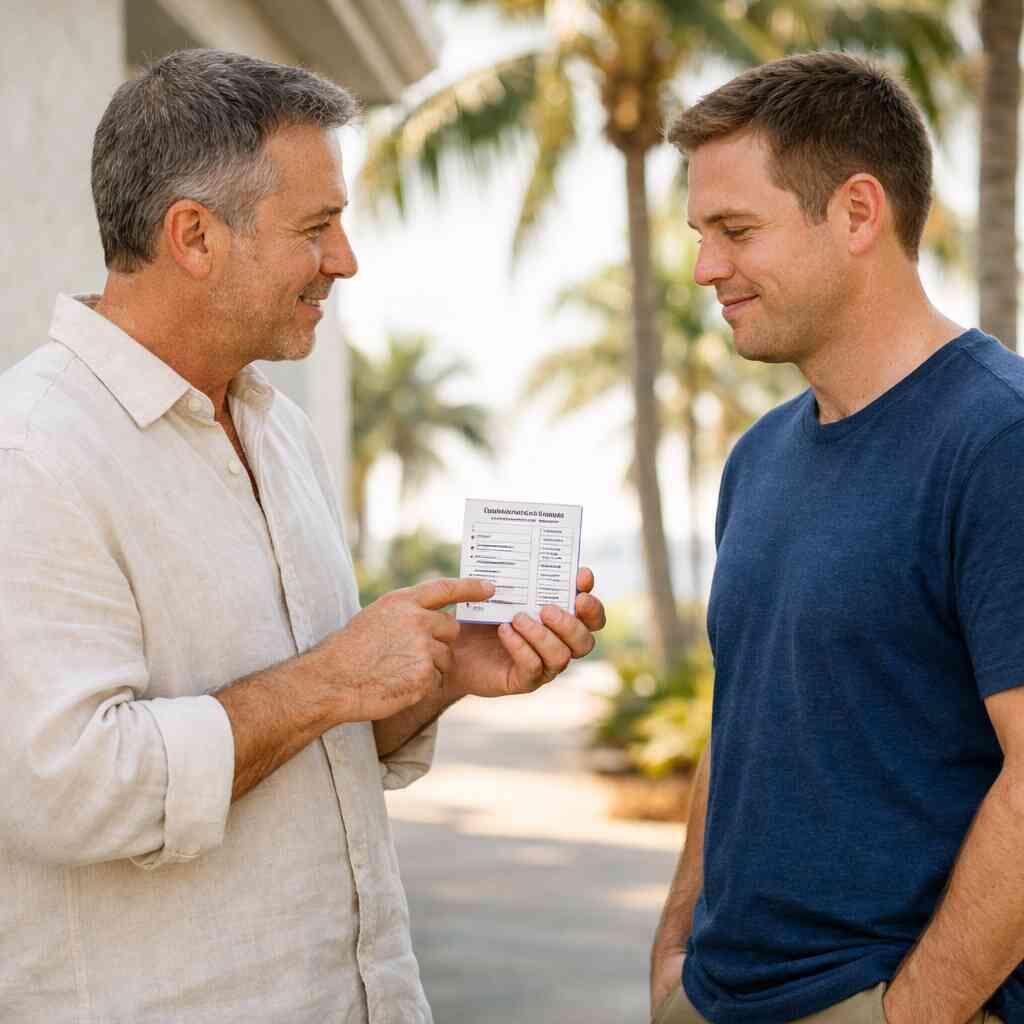
Why Veterans Day Is a Good Time to Explore PTSD Treatment 2026
When Veterans Day brings the memories back and sleep stops feeling safe Veterans Day can stir up more than gratitude. For many veterans, it also brings back old alarms, rough sleep, and memories that feel too close. If you are reading this late at night because your body will not settle, take that seriously. That […]

When Veterans Day brings the memories back and sleep stops feeling safe
Veterans Day can stir up more than gratitude. For many veterans, it also brings back old alarms, rough sleep, and memories that feel too close. If you are reading this late at night because your body will not settle, take that seriously. That feeling is common, and it deserves attention. PTSD treatment for veterans works best when you stop waiting for the spiral to prove it is real.
Why anniversaries can sharpen combat-related PTSD and make symptoms harder to ignore
Anniversaries can intensify symptoms quickly. A sound, a smell, a parade, or a news clip can pull combat-related PTSD right back to the surface. The brain links reminders to danger, even when you are safe in Delray Beach or driving past Atlantic Avenue. That is why trauma can feel bigger on certain days. It is not weakness. It is a nervous system that learned to stay ready.
Here is the part most families miss. The body often reacts before words do. You may notice shallow breathing, jaw tension, startle responses, or a need to keep checking doors and windows. Sleep can become light and broken. Some veterans also start drinking more, using pills, or isolating to quiet the noise.
A client once described it as feeling “fine all day, then trapped at night.” That is a common pattern. The day stays busy, but the mind catches up after dark. If that sounds familiar, a PTSD evaluation for veterans in Delray Beach can help sort out what is driving the symptoms. Clear naming is often the start of better sleep and steadier days.
The signs that trauma is starting to spill into work, family life, and daily routines
PTSD rarely stays in one corner of life. It can spill into work, parenting, marriage, and even errands. You may miss deadlines because concentration slips. You may snap at people you love, then feel ashamed later. Or you may push through the day and crash hard by evening.
We hear this from veterans and spouses often. The signs can look ordinary at first. Trouble sleeping. More irritability. Avoiding crowds. Losing interest in things that used to matter. When these signs keep stacking up, they can affect the whole household.
Watch for these patterns:
- Angry outbursts over small things
- Feeling detached from family
- Trouble focusing at work
- Nightmares or middle-of-the-night waking
- Using alcohol or drugs to shut off thoughts
- Pulling back from friends, church, or the gym
If your routine is changing around the symptoms, that matters. The sooner you name it, the more options you have. Trauma therapy in South Florida can address the root problem before it becomes a full crisis. The goal is not perfect calm. The goal is less strain on your day.
Why a calm moment in Delray Beach can still feel like too much when the nervous system is on alert
Delray Beach can look peaceful from the outside. The beach is close. The air feels softer near the water. Yet a nervous system on alert does not care about scenery. It cares about threat, memory, and control. That is why a quiet dinner, a crowded Publix aisle, or even traffic near the Intracoastal can feel overwhelming.
One veteran told us the hardest part was not combat flashbacks. It was the silence after. Once the house settled down, the mind filled every gap. Another described avoiding the coast at sunset because the open sky made him feel exposed. Those reactions make sense when the brain has spent years scanning for danger.
This is where trauma-informed psychiatric care for military trauma recovery matters. The work has to respect the body, not push past it. Calm spaces help, but they do not replace treatment. When symptoms are active, support, structure, and skill-building matter more than scenery alone.
What veterans in South Florida often get wrong about PTSD treatment
A lot of veterans wait too long. Others assume treatment means losing control, losing time, or being judged. Those fears are understandable. They also keep people stuck. Good PTSD treatment is practical, private, and focused on helping you function better in real life.
Why waiting until a crisis can make recovery feel more complicated than it needs to be
A crisis usually narrows choices. Sleep collapses. Substance use increases. Anger rises. Work performance slips. Then the problem starts touching everything at once. That is much harder to untangle than early treatment, when symptoms are still specific and patterns are easier to see.
In our experience, the biggest mistake is timing. People often wait until they cannot keep up. By then, they may also have panic, depression, or alcohol use layered on top. The clinical picture becomes more complex, and treatment has to address more than trauma alone.
Early help does not mean overreacting. It means responding before the body is fully worn down. If you have been searching for Veterans Day PTSD treatment in South Florida, you are likely already noticing enough to act. That is reason enough.
How trauma-informed psychiatric care treats the whole picture, including depression and addiction
PTSD often travels with other problems. Depression can flatten motivation. Anxiety can keep the body braced all day. Alcohol or drug use may start as relief and become another source of pain. This is why dual diagnosis treatment matters. It treats co-occurring disorders together, instead of pretending they are separate.
The National Institute on Drug Abuse has long emphasized that substance use and trauma often overlap. SAMHSA treatment guidance also supports integrated care, because fragmented care can miss what is driving the cycle. That is why a veteran may need support for depression and addiction, not just a trauma label. The whole picture matters. The story is rarely simple.
A man in his forties once came in saying he only needed help with sleep. Within one evaluation, it was clear that he also had nightmares, panic, and daily drinking that had quietly escalated over months. He was not “failing.” He was overloaded. A plan that addressed both trauma and alcohol use gave him a better chance at stability.
Why evidence-based treatment is not weakness but a practical way to lower the load on the body and mind
Some veterans hear “treatment” and think “loss of toughness.” That idea helps no one. Evidence-based treatment is not a moral test. It is a set of tools that reduce suffering and improve daily function. You do not need to prove anything to deserve care.
For PTSD, evidence-based care often includes:
- CBT, or cognitive behavioral therapy
- DBT, or dialectical behavior therapy
- EMDR, or eye movement desensitization and reprocessing
- Medication management when needed
- Skills for sleep, grounding, and stress control
Studies continue to support structured trauma therapy, especially when care is matched to symptoms. That is why cognitive behavioral therapy and dialectical behavior therapy for PTSD can be a strong base for many veterans. The point is not to erase the past. The point is to lower the daily load.
When medication management for PTSD and therapies like CBT, EMDR, and DBT are used together
Medication can help take the edge off symptoms. Therapy helps change the pattern underneath them. Together, they often work better than either one alone. That combination is especially useful when PTSD comes with anxiety treatment needs, bipolar disorder therapy, or mood swings that complicate recovery.
Medication management for PTSD may include careful use of antidepressants, sleep support, or other psychiatric medications, depending on the person. For some patients, other tools such as TMS, Spravato, or ketamine treatment may also be considered for related conditions, though not every case calls for them. A good psychiatric team will explain options plainly and avoid pressure. You should know why each choice is on the table.
Medication is not the whole answer. But it can make therapy possible. That is often the difference between white-knuckling and actual progress. When the mind settles enough to think clearly, therapy can do its work.
The treatment path that makes progress feel possible instead of overwhelming
Good treatment should feel organized, not chaotic. Veterans often do better when each step makes sense and the pace stays realistic. That is especially true when work, school, or family duties are still in play. The right plan can fit around real life.
How a psychiatric evaluation can clarify whether PTSD, anxiety, bipolar disorder therapy, or dual diagnosis treatment is needed
A psychiatric evaluation is not just paperwork. It is a careful look at symptoms, history, medications, sleep, substance use, and safety. It helps separate PTSD from anxiety, bipolar disorder, depression, and other overlapping concerns. That matters because the treatment changes depending on what is actually happening. Sometimes what looks like “just stress” turns out to be trauma plus panic. Sometimes irritability points to PTSD, but mood swings suggest bipolar disorder therapy is also needed. Sometimes the key issue is dual diagnosis treatment because alcohol or pills have become part of the survival pattern. The evaluation gives language to the problem. For veterans looking for trauma therapy in South Florida, this kind of clinical clarity can save months of trial and error. It also helps the person feel less blamed. Once the pieces are named, the path usually gets easier to follow. 
What outpatient program Delray Beach care can look like when someone still has work, family, or school responsibilities
Outpatient care fits people who still need to live their lives. That may mean morning therapy, lunch-break appointments, or telepsychiatry for Florida residents. It can also include medication follow-up, skills work, and family meetings. The key is flexibility without losing structure.
A strong outpatient program in Delray Beach should do more than check boxes. It should look at sleep, triggers, routine, and substance use. It should also support long-term recovery, not just symptom relief. At RECO Integrated Psychiatry, the approach is designed to be steady and human, not rushed.
If you are comparing levels of care, this table may help:
Level of careBest forTypical focusWeekly outpatient therapyMild to moderate symptomsOngoing support and skillsMental health IOP in Delray BeachSymptoms needing more structureGroup therapy, psychiatry, coping toolsPartial hospitalization program near Palm Beach CountyMore severe symptomsIntensive daytime support### When mental health IOP or partial hospitalization program support makes more sense than weekly therapy alone
Weekly therapy can be helpful, but not always enough. If symptoms keep breaking through between sessions, a higher level of care may fit better. A mental health IOP offers several sessions each week, often with group therapy activities and individual check-ins. A partial hospitalization program goes further, with more hours and tighter support.
The difference is simple. IOP gives more help while preserving more of your day. PHP gives more containment when symptoms are heavier. Neither means failure. Both can be smart responses to a system under strain.
What we’ve seen in 2026 specifically is that many veterans want help without pausing life completely. That is reasonable. The right level of care should match that need. If you need more structure than a weekly visit, asking about outpatient program in Delray Beach for long-term recovery is a good move.
How aftercare planning, relapse prevention, and coping skills support long-term recovery after the first phase of care
Treatment does not end when symptoms improve. It shifts. Aftercare planning helps hold gains when life gets loud again. That can include relapse prevention, follow-up psychiatry, therapy check-ins, and practical coping skills for triggers.
Coping skills are not fluff. They are learned responses your body can use under stress. Mindfulness meditation, paced breathing, and grounding exercises help the nervous system exit alarm mode. Over time, they support long-term recovery because they turn skills into habits.
A good aftercare plan may include:
- Step-down appointments
- Safety planning
- Sleep routines
- Support group referrals
- Medication monitoring
- Case management and life skills training
Aftercare planning and relapse prevention support should be built in, not added later. That is how progress lasts when motivation dips.
Why family therapy, group therapy activities, and sober living resources can matter for veterans rebuilding trust
Trauma rarely affects only one person. It shapes the whole home. Family members may walk on eggshells, feel shut out, or respond with their own fear. Family therapy creates a place to say hard things safely. Group therapy adds a different kind of relief: others recognize your patterns without needing a long explanation.
For veterans who also need sober living resources, structure outside the home can help rebuild trust. That may include 12-step alternatives, SMART Recovery, or other peer support. Some people do well with beachside recovery routines, yoga therapy, art therapy, and holistic recovery practices alongside clinical care. Others need more direct structure first. Both can be true.
Family therapy and group therapy activities for recovery can help rebuild connection without forcing it. Trust usually returns in pieces. That is normal.
What a smart next move looks like for a veteran or family member in Delray Beach
The next move should be clear, quiet, and practical. You do not need to solve everything in one call. You do need a plan that respects the person, the symptoms, and the pace of healing. That is what good care should offer.
How to decide between a local outpatient program and a higher level of care near Palm Beach County
Start with function. Can the person sleep, work, and stay safe? Are substances adding risk? Are panic, anger, or nightmares getting worse? If daily life is intact but strained, outpatient care may be enough. If the person is falling apart between visits, a higher level of care may fit better.
Palm Beach County has many treatment options, but not all are equal. Look for licensed clinicians, evidence-based treatment, and clear aftercare support. Ask how they handle dual diagnosis, family involvement, and medication management. If the setting feels rushed or vague, keep looking.
A calm coastal environment can help, but it should never be the only selling point. The clinical plan matters more. Good care should explain why it is recommending one level over another. That is especially important for veterans with complex PTSD treatment needs.
What to ask about insurance verification, self-pay options, and Florida rehabs that take insurance before scheduling
Money worries stop many people before they start. That is understandable. Before scheduling, ask about insurance verification, self-pay options, and out-of-network benefits. If you have Aetna, Cigna, or Blue Cross Blue Shield, ask exactly how benefits apply. Ask what paperwork you need and what the intake process looks like.
Use a short checklist:
- Does the program take my plan?
- What is covered for psychiatry and therapy?
- Are there separate costs for assessments?
- Is telepsychiatry covered for Florida residents?
- Are payment plans or self-pay options available?
Insurance verification for Florida rehab and psychiatry should be straightforward, not stressful. If the answers are unclear, that is a warning sign. Florida rehabs that take insurance should be able to explain the process without pressure.
How to use a confidential intake process to get clear on symptoms, medications, and support needs
A confidential intake should feel respectful. It should ask about trauma, substance use, sleep, mood, medications, and safety. It should also leave room for what has not been working. If you have been holding back because you do not want to be judged, say that. Good teams hear that every week.
The intake process is where the treatment map starts. It helps connect symptoms with the right level of care. It also helps identify whether depression and addiction, anxiety treatment, or bipolar disorder therapy should be part of the plan. Clarity is often a relief.
One veteran told us he expected to be grilled. Instead, the questions were calm and direct. That tone changed the whole room. If you need veteran mental health support in South Florida, that kind of intake matters.
Why RECO Integrated Psychiatry can be a place to start if you want trauma therapy South Florida residents can access without losing momentum
RECO Integrated Psychiatry in Delray Beach offers outpatient psychiatry with a deep focus on complex needs. That includes PTSD, depression, anxiety, OCD, bipolar disorder, ADHD, and co-occurring disorders. The practice works within the RECO network, which gives patients access to a broader continuum of care when needed. For someone who needs trauma therapy South Florida residents can reach without pausing life, that can be a strong fit.
The setting is local, private, and grounded. The office at 140 NE 4th Avenue, Delray Beach, FL 33483 is close to the local recovery community and the calm of the coast. For people who want care near home, that convenience can reduce drop-off. And for families who need answers fast, a clear clinical start can lower the noise.
If you want a place to begin, start with RECO Integrated Psychiatry for veteran mental health support and How RECO Integrated Psychiatry Supports Veterans Day Healing. You do not have to have every answer before you reach out. You only need enough clarity to take the next practical step. That is enough for today.
How to move from wondering to acting with a plan that respects the person and the pace of healing
The best plan is simple. Choose one person to call. Gather your insurance card, medication list, and a short note about symptoms. Write down the times of day things feel worst. That makes the first conversation easier.
If you are helping a veteran, keep your language calm and direct. Ask what support feels doable right now. Ask whether they want help with sleep, mood, drinking, or trauma symptoms first. Then let the clinician help sort the rest. Healing often starts with smaller honesty, not a grand declaration.
You do not have to figure this out alone today. Start with one call, one intake, or one message to a team that treats trauma with care and respect. Then let the next step be smaller than the fear.
Frequently Asked Questions
How long does PTSD treatment usually take?
It depends on symptom severity, trauma history, and whether substance use or mood disorders are present. Some people feel better with several months of consistent care. Others need longer support with medication management, therapy, and aftercare planning. The important part is steady progress, not speed.
What is the difference between PHP and IOP?
PHP, or partial hospitalization, gives more hours of care each week and more structure. IOP, or intensive outpatient, offers strong support with more flexibility for work or family duties. A clinician can help decide which level fits your current symptoms and safety needs.
Can treatment help if I drink to sleep or calm down?
Yes. That pattern is common in veterans with PTSD. Trauma and substance use often overlap, so dual diagnosis treatment may be the right fit. Integrated care can address sleep, anxiety, depression, and alcohol use together, which usually works better than treating each issue alone.
Does RECO Integrated Psychiatry offer trauma therapy for veterans?
RECO Integrated Psychiatry provides outpatient psychiatric care for complex conditions, including PTSD and co-occurring disorders. The team can help assess symptoms and recommend the right mix of psychiatry and therapy. If a higher level of care is needed, the RECO network can help guide the path.
What if I am not sure I have PTSD?
That is common. Many people know something feels off before they have words for it. A psychiatric evaluation can sort out PTSD, anxiety, depression, bipolar disorder, or a combination. Getting clear on the diagnosis helps match the treatment to the problem.
Can family be involved in treatment?
Often, yes. Family therapy can help rebuild trust, improve communication, and support recovery at home. It can be especially helpful when trauma has changed routines or relationships. The right level of family involvement depends on the person and the treatment plan.
Do you accept insurance or self-pay?
Coverage can vary by plan and level of care. Ask for insurance verification before you schedule so you know what is included. Self-pay and out-of-network benefits may also be options. A clear admissions conversation can prevent surprises later.