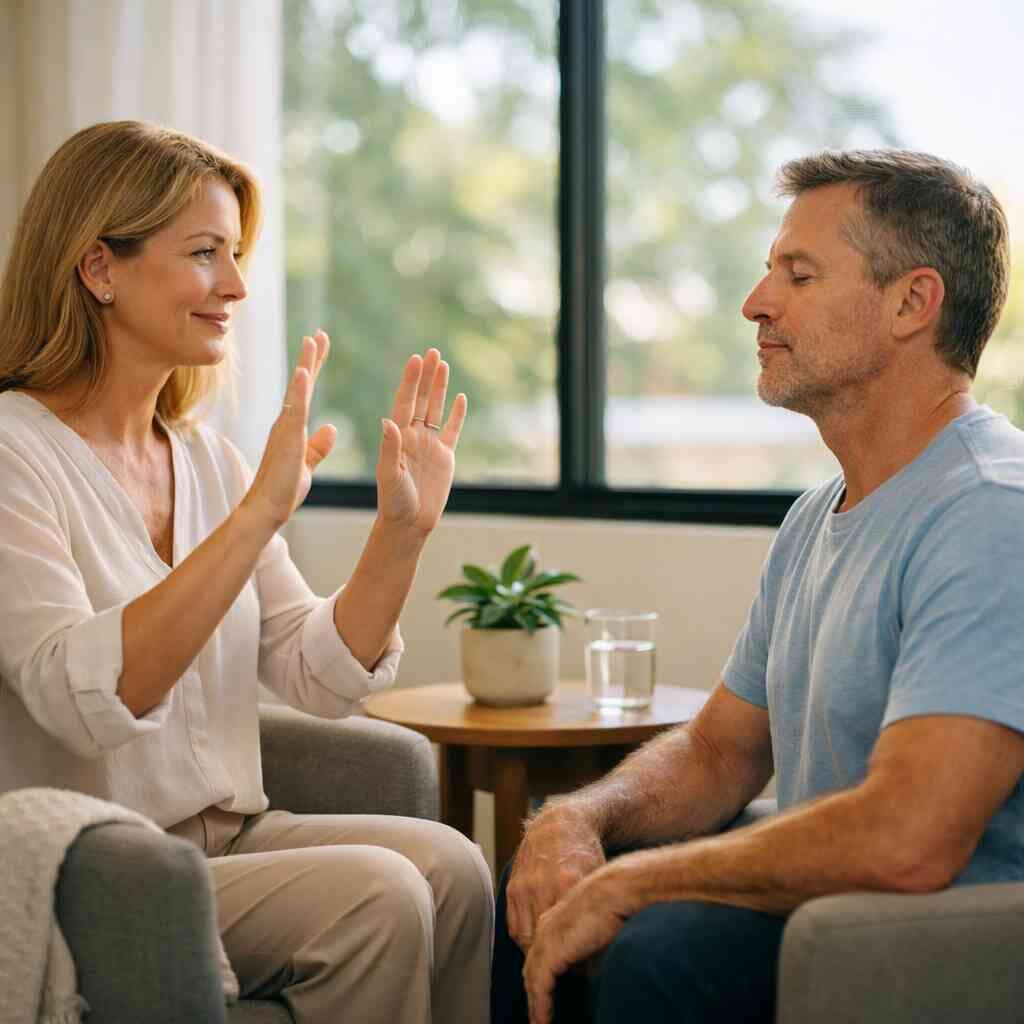
Best 7 Coping Skills for Anxiety at RECO Integrated Psychiatry
If you are reading this because your chest feels tight and your mind will not slow down, that makes sense. Anxiety often becomes loudest when you still have to function. You still need to work, drive, answer messages, and hold yourself together. That pressure can make a small worry feel enormous. At RECO Integrated Psychiatry […]


If you are reading this because your chest feels tight and your mind will not slow down, that makes sense. Anxiety often becomes loudest when you still have to function. You still need to work, drive, answer messages, and hold yourself together. That pressure can make a small worry feel enormous.
At RECO Integrated Psychiatry in Delray Beach, we hear this often from people across South Florida. They are not looking for perfection. They want practical anxiety relief that works on an ordinary day, not just in a calm room. The good news is that coping skills can help, especially when you use them early and use them often.
-
Why anxiety feels bigger on the days you need to stay functional
The body alarm that turns normal stress into chest tightness, racing thoughts, and restlessness
Anxiety is not weakness. It is your body’s alarm system working too hard. Your nervous system reads a threat, then sends out fuel. Your heart rate climbs. Your muscles tense. Your thoughts speed up. That can show up as chest tightness, stomach upset, restlessness, or a sense that something bad is about to happen.
Here is the part most people miss: the alarm can stay on even after the stressor passes. You may get through the meeting, the commute, or the phone call, then feel shaky later. On busy days in Delray Beach, that can happen after traffic on Federal Highway or a long stretch near Atlantic Avenue. The body holds the tension long after the moment ends.
Why avoiding feelings can make anxiety louder by the end of the day
Avoiding anxiety often gives short-term relief. You push through. You distract yourself. You tell yourself to deal with it later. The problem is that unprocessed fear tends to build. By evening, your mind may feel louder, not quieter.
In practice, that means people often feel more anxious at home than they did at work. One client described feeling fine until the car ride home, then suddenly unable to sit still. That pattern is common. It is also treatable with practical anxiety coping skills in Delray Beach, especially when coping is matched to the moment instead of forced all day.
When anxiety starts affecting work, sleep, relationships, or driving around Delray Beach and South Florida
Anxiety becomes more than stress when it starts changing your life. You may avoid driving over the bridge. You may sleep badly and wake tired. You may snap at family, miss deadlines, or fear simple errands. That is when coping skills need structure, not just good intentions.
We see this most in people juggling work, family, and health worries at once. If that sounds familiar, you may benefit from outpatient psychiatry in Delray Beach for anxiety support. Evidence-based care can help you stay functional while you learn skills that actually stick.
-
Coping skill one Ground your senses before your thoughts take over
The 5 4 3 2 1 technique and when it works better than trying to think your way out of panic
When panic rises, logic often arrives too late. That is why grounding works. The 5 4 3 2 1 method brings attention back to the room. Name five things you see. Four things you feel. Three things you hear. Two things you smell. One thing you taste. It sounds simple because it is simple.
Simple does not mean weak. Grounding works best when your thoughts are racing and your body needs proof that you are safe right now. This is one of the clearest grounding techniques for panic because it interrupts the spiral without demanding perfect focus. If you are too activated to “think positive,” start here.
How sensory grounding helps during a wave of panic on Atlantic Avenue or before a telepsychiatry visit
A woman once told our team she felt panic rise while walking near Atlantic Avenue. Her hands tingled. Her mind went blank. Instead of leaving the area in fear, she used sensory grounding. She named the blue awning, the cold drink in her hand, the sound of cars, the salt in the air, and the mint gum she had just bought. The wave passed faster than it had in weeks.
You can use that same skill before a telepsychiatry for Florida residents visit. Feel your feet on the floor. Notice the chair under your legs. Pick three objects and describe them in detail. This shifts your brain from threat mode to present-moment awareness.
Small ways to practice grounding so it feels natural instead of forced
Practice matters. If you only try grounding during a panic spike, it may feel awkward. Build it into small routines. Do it while washing dishes. Do it while waiting at a red light. Do it before opening email. The goal is to make the skill familiar before you need it.
Try these versions:
- Hold ice and notice the cold.
- Name five sounds in the room.
- Press your feet into the floor for ten seconds.
- Carry a textured object in your pocket.
- Notice one color, one smell, and one shape.
These tiny repetitions can make managing anxiety symptoms with grounding techniques feel less forced and more automatic.
-
Coping skill two Use breathing exercises that slow the panic loop
Why long slow exhalations calm the nervous system better than taking huge deep breaths
Many people take a big breath when they panic. That can make things worse. Big breaths can feed lightheadedness and keep the body alert. Slow exhalations work better because they tell the nervous system to downshift. Your body learns, breath by breath, that it does not need to keep sounding the alarm.
Think of it like lowering the volume. You are not trying to erase anxiety. You are trying to soften it enough to think clearly again. This is why breathing exercises for panic attacks are often taught with a long exhale. The pace matters more than the depth.
Box breathing versus paced breathing for managing anxiety symptoms in real life
Box breathing uses equal counts for inhale, hold, exhale, and hold. Paced breathing keeps the rhythm slow and steady, often with a longer exhale than inhale. Both can help, but they serve slightly different needs. Box breathing may feel more structured. Paced breathing may feel gentler.
MethodHow it feelsBest useBox breathingStructured and countedShort panic spikes, focus resetPaced breathingSmooth and steadyBedtime, traffic, daily stressIf you want a deeper method guide, our evidence-based coping strategies for anxiety page explains how breathing fits into treatment. The key is to choose one method and practice it until it becomes familiar.
How to use breathing tools during bedtime anxiety, traffic stress, or a panic spike at work
Breathing tools work best when you use them early. At bedtime, try four seconds in and six seconds out for a few minutes. In traffic, keep your eyes on the road and shorten the practice if needed. At work, you can do three slow cycles without drawing attention to yourself. You do not need a perfect setting.
One patient said she used paced breathing in the parking lot before walking into the office. Her shoulders dropped. Her heart rate slowed. She still felt nervous, but she could function. That is a real win. If panic keeps showing up, it may help to pair breathing with psychiatric evaluation and medication management for anxiety.
-
Coping skill three Challenge the thought pattern that keeps anxiety on repeat
The difference between a real problem and an anxious prediction
Anxiety often speaks in predictions. “Something is wrong.” “I will not handle this.” “They are upset.” Sometimes there is a real problem. Many times, there is only a fear story. Learning the difference matters because you should not treat every worry like a fact.
Ask yourself: What do I know? What am I guessing? What evidence supports this thought? What evidence does not? That is the start of cognitive behavioral therapy for anxiety treatment. CBT helps you test thoughts instead of obeying them.
A simple cognitive behavioral therapy for anxiety method for testing your thoughts
Try this four-step check:
- Write the anxious thought.
- Rate how strong it feels.
- List facts for and against it.
- Replace it with a more balanced thought.
For example, “My boss did not answer, so I must be in trouble” becomes, “I do not have enough evidence yet.” That shift sounds small. It changes behavior fast. It also keeps your mind from turning one moment into a full emergency.
This is one reason people search for stress reduction techniques for anxious thoughts. You are not trying to think happy thoughts. You are trying to think accurate ones. Accuracy reduces panic more than reassurance does.
What to do when worry turns into spiraling about health, family, money, or treatment
Spiraling usually starts with one fear, then pulls in ten more. Health, family, money, and treatment worries can all stack up quickly. When that happens, write the worries in separate columns. Treat each one as its own issue. Some need action. Some need waiting. Some need no action at all. If anxiety and low mood are both present, our South Florida mental health care for anxiety and depression may be the better fit. Dual symptoms often need a layered plan. That is where clear thinking, therapy, and medication can work together. 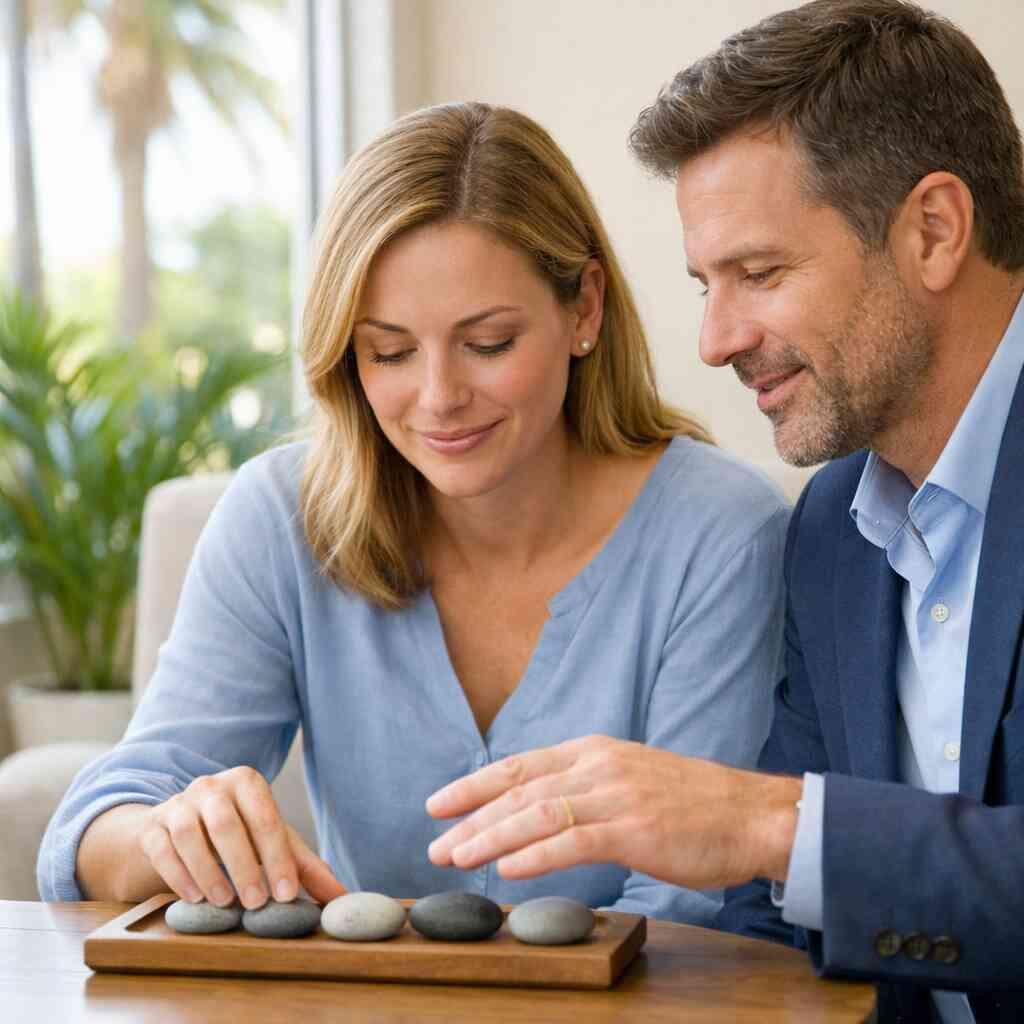
-
Coping skill four Build emotional regulation skills before the wave gets too high
How dialectical behavior therapy skills help you pause instead of reacting
Emotional regulation means you can notice strong feelings without being ruled by them. Dialectical behavior therapy, or DBT, teaches skills for that. You learn to pause, observe, and choose. That matters when anxiety makes you want to flee, argue, or shut down.
DBT skills also help when your body feels flooded. You may use temperature changes, brief movement, or paced breathing to settle first, then decide what to do next. For people who feel “too emotional” or “too reactive,” dialectical behavior therapy skills for anxious thoughts can create real relief. The goal is not to become numb. The goal is to respond with more control.
The role of mindfulness meditation for anxiety without trying to empty your mind
Mindfulness is not emptying your head. That is a myth. It is noticing what is happening without instantly fighting it. You notice the breath. The chair. The tight jaw. Then you return to the moment. That practice trains attention.
Short mindfulness work often helps more than long sessions. Two minutes may be enough on a hard day. If you practice regularly, the mind becomes less bossy. Mindfulness meditation for anxiety relief can fit into therapy, daily routines, or even a quiet pause between tasks. Small doses add up.
Self-soothing strategies that work when your body feels tense and your mind will not settle
Self-soothing uses the senses to calm the body. Warm tea helps some people. Soft music helps others. A weighted blanket, a shower, a familiar scent, or a short walk can all send a safety signal. The key is to choose what truly feels calming, not what looks calming online.
Useful self-soothing options include:
- A warm drink in a quiet room
- Low light and less noise
- Gentle stretching
- A calming playlist
- A brief phone-free break
- A grounding object in your pocket
These strategies support relaxation techniques for anxious thoughts without pretending the problem is gone.
-
Coping skill five Change the habits that quietly feed anxiety all week
Sleep hygiene for anxiety and why poor sleep makes symptoms sharper the next day
Sleep and anxiety push each other. Poor sleep makes the nervous system more sensitive. Anxiety makes sleep harder. That loop can keep going for weeks. Sleep hygiene is the set of habits that gives your body a better chance to rest.
Keep the room cool. Cut screens before bed if you can. Use a consistent wind-down routine. Avoid long naps that steal nighttime sleep. If sleep problems are persistent, they may need treatment, not just willpower. Our sleep hygiene and exercise for anxiety relief resource can help you build a steadier rhythm.
Exercise for anxiety relief and the kind of movement that supports mood without overdoing it
Movement helps anxiety because it burns off stress chemicals and improves mood. You do not need an intense workout. A brisk walk, light cycling, yoga, or a swim can be enough. In South Florida, even a shaded walk near the coast can help reset the body.
The mistake we see most often is overdoing it. Some people push hard, then crash. Gentle consistency works better than extremes. If you are new to this, start with ten to fifteen minutes. Let your body learn that movement is safe.
How caffeine, alcohol, and inconsistent routines can weaken coping strategies for anxiety
Caffeine can mimic anxiety. Alcohol can worsen sleep and rebound fear the next day. Inconsistent meals and erratic routines also keep the body on edge. These are not moral issues. They are nervous system issues.
If you notice anxiety spikes after coffee or after drinking, pay attention. That pattern matters. It may be worth reducing stimulants, keeping meals regular, and setting a steadier sleep and wake pattern. If substance use is part of the picture, dual diagnosis treatment for co-occurring anxiety and depression may be the right support.
-
Coping skill six Know when coping skills need psychiatric care and a deeper plan
When anxiety treatment near me should include a psychiatric evaluation and medication management for anxiety
Coping skills help, but sometimes they are not enough. If anxiety keeps returning, disrupts sleep, or limits daily life, a psychiatric evaluation is wise. That visit looks at symptoms, triggers, history, and any medical factors that may add to anxiety. From there, medication management may be part of the plan.
At RECO Integrated Psychiatry, care is individualized. Some people need therapy plus skills practice. Others need medication to lower the baseline intensity so coping tools can work. If you are looking for Florida anxiety treatment near me, that combination often matters more than any single tactic.
How trauma-informed anxiety treatment, dual diagnosis treatment, and therapy-guided coping tools work together
Anxiety does not always travel alone. Trauma, depression, OCD, and substance use can all sit underneath it. Trauma-informed care matters because fear learned in one setting can show up everywhere else. That is why a skilled clinician should consider the whole pattern, not just the symptom.
SAMHSA guidance and the co-occurring disorder model both support integrated care when anxiety and substance use overlap. CBT, DBT, EMDR, family therapy, and group therapy can all support recovery when used with care. If your anxiety is tied to old trauma, trauma-informed anxiety treatment near Palm Beach County may help you build steadier ground.
What outpatient psychiatry Delray Beach and telepsychiatry for Florida residents can offer when symptoms keep coming back
Outpatient care can be a strong fit when you need support but not a full-day program. It allows you to keep work and home life moving while you get structured treatment. In Delray Beach, that may include medication checks, therapy referrals, coping practice, and care coordination. It can also include telepsychiatry for Florida residents who need more flexible access.
If family support would help, family therapy for anxiety recovery support can reduce tension at home. If community support helps more, group therapy for anxiety coping tools may fit well. The right plan depends on what keeps falling apart and what still feels steady.
If anxiety is making your days feel smaller, start with one skill and use it today. If you need more support, reach out for a thoughtful psychiatric evaluation and a plan that fits your life. You do not have to force this alone, and you do not have to figure it all out at once.
Frequently Asked Questions
Question: What are the most effective anxiety coping skills in the blog Best 7 Coping Skills for Anxiety at RECO Integrated Psychiatry?
Answer: The blog highlights practical anxiety coping skills that are easy to use in real life, including grounding techniques, breathing exercises for panic, cognitive behavioral therapy for anxiety, dialectical behavior therapy skills, mindfulness meditation for anxiety, self-soothing strategies, and lifestyle changes for anxiety. At RECO Integrated Psychiatry in Delray Beach, we encourage people to start with one skill, practice it often, and match it to the moment. For example, grounding can help during a wave of panic, while paced breathing may help at bedtime or in traffic. These coping strategies for anxiety are most effective when they are used early and supported by individualized treatment planning. If symptoms keep returning, outpatient psychiatry Delray Beach and psychiatric evaluation can help determine whether therapy, medication management for anxiety, or both would be the right next step.
Question: How does RECO Integrated Psychiatry help with managing anxiety symptoms beyond self-help tools?
Answer: Self-help tools can make a real difference, but sometimes anxiety needs a deeper plan. RECO Integrated Psychiatry offers psychiatric care for anxiety that may include psychiatric evaluation, evidence-based psychiatric care, medication management for anxiety, and therapist-guided coping tools. For people with co-occurring anxiety and depression, trauma-informed anxiety treatment, or treatment-resistant anxiety, we build care around the whole picture instead of only the symptoms. We also provide telepsychiatry for Florida residents, which can make follow-up easier for people across South Florida. Our approach is compassionate, practical, and grounded in evidence-based anxiety treatment, so patients can stay functional while learning stress management skills that actually last.
Question: Can grounding techniques and breathing exercises for panic really help during a panic attack?
Answer: Yes, grounding techniques and breathing exercises for panic are often two of the fastest ways to reduce intensity during an episode. Grounding brings attention back to the present by using the senses, while breathing exercises help slow the panic loop by lengthening the exhale and calming the nervous system. These panic attack coping tools are especially useful when thoughts are racing and logic is not landing yet. At RECO Integrated Psychiatry, we teach people to use these skills in daily life, not just in therapy. That means practicing them during low-stress moments so they feel more natural when anxiety spikes. For many people, pairing breathing with mindfulness-based coping or cognitive behavioral therapy for anxiety creates a stronger long-term result than relying on reassurance alone.
Question: Does outpatient psychiatry Delray Beach include support for sleep hygiene for anxiety and lifestyle changes?
Answer: Yes, outpatient psychiatry Delray Beach can include support for sleep hygiene for anxiety, exercise for anxiety relief, and other lifestyle changes for anxiety that affect symptom severity. Poor sleep, caffeine, alcohol, irregular meals, and inconsistent routines can all make anxiety more intense. We help patients look at those patterns without judgment and build realistic habits that fit their lives. In many cases, improving sleep hygiene, adding gentle movement, and reducing triggers can make coping skills for anxiety work better. If needed, medication management for anxiety can also lower baseline symptoms so routines become easier to maintain. This kind of comprehensive support is part of why people seek South Florida mental health care with a trusted, licensed team.
Question: Is Best 7 Coping Skills for Anxiety at RECO Integrated Psychiatry only about coping strategies, or does it connect to therapy too?
Answer: It connects directly to therapy. The blog is designed to show how coping strategies for anxiety work best when they are supported by evidence-based treatment, especially cognitive behavioral therapy for anxiety, dialectical behavior therapy skills, and mindfulness meditation for anxiety. Coping skills help people manage the moment, while therapy helps change the patterns that keep anxiety on repeat. At RECO Integrated Psychiatry, we often combine practical anxiety relief tools with psychotherapy referrals or treatment planning so patients can use the skills in a structured way. When anxiety is tied to trauma, depression, or substance use, trauma-informed anxiety treatment and dual diagnosis treatment may also be important. The goal is not just to get through the day, but to build long-term recovery support with a plan that fits the person.
Question: When should someone in South Florida look for anxiety treatment near me instead of trying to manage it alone?
Answer: It is a good idea to seek anxiety treatment near me when symptoms start affecting sleep, work, relationships, driving, or daily routines. If you are avoiding errands, feeling panicked often, or noticing that coping skills are not enough on their own, psychiatric care for anxiety can help. At RECO Integrated Psychiatry, we provide outpatient support for people across Delray Beach and South Florida who need a more complete plan, not just short-term reassurance. That may include a psychiatric evaluation, medication management for anxiety, telepsychiatry for Florida residents, and referrals for family therapy for anxiety or group therapy for anxiety when appropriate. We focus on compassionate outpatient support that is practical, individualized, and grounded in evidence-based psychiatric care.


