Best 7 Ways Families Support PTSD Recovery in Delray 2026
If you are reading this because home has started to feel tense, unpredictable, or painfully quiet, take a breath. That strain is real. PTSD can change the atmosphere of an entire house, and families often feel it before anyone says it out loud. In Delray Beach, we hear this from people balancing work, school, and […]


If you are reading this because home has started to feel tense, unpredictable, or painfully quiet, take a breath. That strain is real. PTSD can change the atmosphere of an entire house, and families often feel it before anyone says it out loud. In Delray Beach, we hear this from people balancing work, school, and caring for someone they love. The good news is that family support can help recovery feel steadier, safer, and more manageable.
-
When a loved one’s PTSD starts running the house: what changes family systems can make
Spotting trauma triggers before they turn into shutdown, anger, or withdrawal
PTSD often shows up as more than fear. It can look like irritability, checking exits, sudden silence, or anger that seems to arrive out of nowhere. Those reactions are often trauma triggers and responses, not bad character. When families learn to spot the early signs, they can lower the heat before the moment turns into a fight. That is the heart of family support for trauma recovery.
One client in a Boca Raton apartment described the same pattern every evening. The TV stayed on too loud, dinner ran late, and a slammed cabinet could send the whole night sideways. Once the family noticed the pattern, they changed the setup instead of arguing about attitude. That small shift mattered more than another lecture.
Building a calmer home rhythm in Delray Beach without walking on eggshells
A calmer home rhythm does not mean tiptoeing around pain forever. It means building structure that helps the nervous system settle. Predictable meals, quieter evenings, clear plans, and fewer surprise demands can reduce pressure. In Delray Beach, where life can already feel busy near Atlantic Avenue, that calm is not indulgence. It is part of PTSD recovery support.
Here is the part most families miss: a supportive home is not a perfect home. It is a home that responds with steadiness instead of chaos. That means simple routines, clear transitions, and fewer last-minute changes when possible. These basics help emotional regulation support feel real, not theoretical.
Why support works best when it protects dignity, privacy, and trust
Families sometimes try hard and still make recovery harder. Usually, the problem is not caring too much. It is caring in ways that feel intrusive. Trauma makes privacy feel precious, so respect matters. Dignity and trust are not extras; they are clinical assets.
If your loved one is considering family support for PTSD recovery in Delray Beach, the goal is not control. The goal is collaboration. That is especially true when PTSD, depression and addiction, or anxiety treatment and trauma care overlap. The more a person feels watched instead of understood, the less likely they are to open up.
-
The seven daily habits that make family support count more than advice
Using grounding techniques and breathing cues when a trauma response spikes
The first habit is simple: slow the moment down. Grounding techniques for trauma help the brain return to the present. You can name five things the person sees, guide them to feel their feet on the floor, or coach a slow exhale. These steps are small, but they matter when adrenaline is rising.
Try to keep your voice low and even. Short cues work better than long explanations. “Look at the chair.” “Feel the floor.” “Breathe out longer.” That is often enough to reduce escalation. Families who practice these cues ahead of time usually use them better when it counts.
Choosing words that lower shame and support emotional regulation
Words can either tighten the room or soften it. Shame tends to spike PTSD symptoms, especially when someone already feels broken or watched. So choose language that names the behavior without attacking the person. Say, “This looks hard right now,” instead of, “You are overreacting again.”
A family in Fort Lauderdale told our team they stopped saying “calm down” and started saying, “I am here, and we can slow this.” Conflict dropped. The shift was not magic. It was skillful language. That is why healthy communication in recovery matters so much.
Setting boundaries that feel firm, not rejecting, during recovery at home
Boundaries are not punishments. They are rails that keep the relationship from sliding into resentment. A boundary can sound like, “I will talk with you after dinner, but I will not argue while voices are raised.” It can also mean, “I want to help, and I need us to speak respectfully.”
Families often fear that boundaries will feel cold. In practice, the opposite is true. Clear limits reduce confusion. They also protect the person with PTSD from taking on every emotion in the room. That support often works best alongside trauma-informed family counseling in Delray Beach.
How family communication skills reduce conflict around sleep, panic, and irritability
Sleep disruption is one of the most common drivers of conflict. When someone is exhausted, every sound feels bigger. Panic can rise faster. Irritability becomes more likely. Families who plan around sleep, not against it, usually see fewer blowups.
Try these communication habits:
- Speak before the room is already hot.
- Use one topic at a time.
- Avoid questions that sound like cross-examinations.
- Pause if either person feels flooded.
- Return to the conversation later.
These are not just polite habits. They are coping strategies for loved ones that support recovery at home.
When to reinforce coping skills and when to step back so the person can practice
Families sometimes overhelp because they are scared. That is understandable. Still, constant rescue can block skill-building. If your loved one is learning CBT for trauma and anxiety symptoms or DBT skills for emotional regulation support, they need space to practice. Practice is where change sticks.
You can remind, encourage, and model. Then step back. Let them use the skill. If they forget, try again later without turning it into a verdict. This balance is one reason family therapy for PTSD in outpatient care can help so much. It teaches families to support without taking over.
-
How families plug into evidence-based PTSD care without taking over treatment
Why CBT, EMDR, and DBT skills matter when PTSD and addiction show up together
PTSD and substance use often travel together. NIDA describes this as a co-occurring disorder pattern, and it needs integrated care. CBT helps people challenge trauma-linked thoughts. EMDR trauma therapy can help process stuck memories. DBT skills help with distress tolerance and emotion regulation. Together, they build a more stable base.
For families, this means support should match the treatment model. If someone is in dual diagnosis treatment, home should not run on guesswork. Support should reinforce what the clinical team is teaching. That is how evidence-based trauma therapy in South Florida becomes more effective.
What family therapy can do inside an outpatient program Delray Beach setting
Family therapy gives everyone a place to slow down and learn the same language. It can reduce blame, clarify roles, and repair trust that trauma has strained. In an outpatient program Delray Beach setting, that work fits into real life instead of waiting for life to pause. That matters for parents, partners, and adult children.
At RECO Integrated Psychiatry, family sessions often help people understand triggers, boundaries, and relapse warning signs more clearly. They also help families stop interpreting symptoms as personal attacks. If you are looking into trauma-informed family counseling in Delray Beach, ask how the team coordinates with individual treatment. Alignment matters.
When partial hospitalization or mental health IOP gives enough structure for healing
Some situations need more structure than weekly therapy. Partial hospitalization program care can provide longer, more focused support during a tough stretch. A mental health IOP, or intensive outpatient program, can offer strong structure while still allowing the person to live at home. The right fit depends on symptom severity, safety, and daily functioning.
If mornings are unstable, panic is frequent, or substance use is returning, the structure may need to increase. If the person can stay safe and function with support, IOP may be enough. Families often ask about mental health IOP for PTSD support in Delray Beach because it bridges care and everyday life well.
How medication management and telepsychiatry in Florida can support steadier weeks
Medication is not a cure for PTSD, but it can reduce symptoms that keep people stuck. Medication management for PTSD symptoms can help with sleep, anxiety, mood swings, and related conditions. Some people also need care for bipolar disorder therapy or depression and anxiety support alongside trauma work. That is where integrated psychiatry helps.
Telepsychiatry in Florida also matters. It can keep follow-up visits consistent when travel, childcare, or work get in the way. For families near Palm Beach County treatment centers or farther across South Florida, that flexibility reduces missed care. If needed, medication management for PTSD symptoms can be paired with virtual follow-up through telepsychiatry support in Florida for trauma recovery.
What aftercare support and case management should look like for long-term recovery
Aftercare is where many plans either hold or fall apart. Strong aftercare support for long-term PTSD recovery should include therapy follow-up, medication checks, case management, and relapse prevention planning. It should also include practical help with work, school, and appointments. That support is not fluff. It is protective structure.
Families should ask who helps after discharge and how contact works if symptoms shift. They should also ask about sober living resources, group therapy activities, and support group connections. Good aftercare support for long-term PTSD recovery helps the person stay connected when motivation dips.
-
Why the best support plan includes the whole South Florida recovery map
How Delray Beach recovery community resources can reduce isolation after treatment
Recovery does not happen only inside a clinic. It also happens in the ordinary hours after therapy ends. Delray Beach recovery community resources can reduce isolation, which is a major trigger for relapse and symptom flare-ups. Nearby cafes, recovery meetings, and sober events can give structure to the week.
The local culture matters. Beach walks, quiet preserves, and familiar routines can help people regulate. At the same time, social pressure can make follow-through harder. Families who understand the local rhythm can help shape a realistic plan for the person’s actual life.
Using sober living resources, 12-step alternatives, and SMART Recovery without forcing one path
Not every person connects with the same recovery model. Some do well with 12-step alternatives. Others like SMART Recovery because it feels practical and skills-based. Some use both. The point is not to force one path. The point is to find a path that the person will keep using.
Families can support choice without losing structure. Ask what feels useful and what does not. Then encourage follow-through. If a loved one prefers South Florida recovery resources and support groups, help them build a schedule that is doable. Consistency beats intensity every time.
What family members should know about relapse prevention planning and crisis resources
Relapse prevention planning should be specific. It should name triggers, warning signs, support people, and steps for high-risk moments. It should also include crisis resources and who to call if the person becomes unsafe. This is especially important in co-occurring PTSD and addiction.
Families sometimes avoid this conversation because it feels harsh. It is not harsh. It is responsible. Planning ahead lowers panic later. It also creates a shared script for stressful moments, which reduces confusion when emotions run high.
How local realities like work schedules, school demands, and coastal life shape follow-through
Life in South Florida is busy. Work hours shift. Kids need rides. Traffic can turn a short trip into a long one. That means recovery plans must fit real schedules, not ideal ones. A plan that looks perfect on paper but fails on Tuesday afternoon is not a good plan.
Families in Delray Beach, Boca Raton, and West Palm Beach often need simple systems. Put appointments on shared calendars. Keep backup transportation ready. Plan around school pickup and evening fatigue. That practical thinking is not small. It is what makes recovery durable.
-
When family help becomes treatment: how to know it is time to ask for more structure
Signs the home needs more than encouragement and good intentions
Sometimes love is not enough. If panic is frequent, sleep is collapsing, substance use is returning, or anger is escalating, the home may need more structure. If the person is isolating, missing work, or becoming unsafe, that is also a sign. Families should not wait for a crisis to ask for help.
Here are common warning signs:
- Repeated nightmares and severe insomnia
- Frequent conflict or emotional shutdown
- Using alcohol or drugs to manage symptoms
- Missing appointments or stopping medication
- Difficulty staying safe at home
If these patterns are showing up, it may be time to discuss dual diagnosis treatment for PTSD and addiction in South Florida.
How to tell whether outpatient care or a higher level of support fits the moment
Outpatient care works when the person can stay safe and use support between visits. If symptoms are more severe, partial hospitalization for trauma recovery may be better. Mental health IOP can also help when a person needs more contact without full residential treatment. The right level depends on function, safety, and support at home. 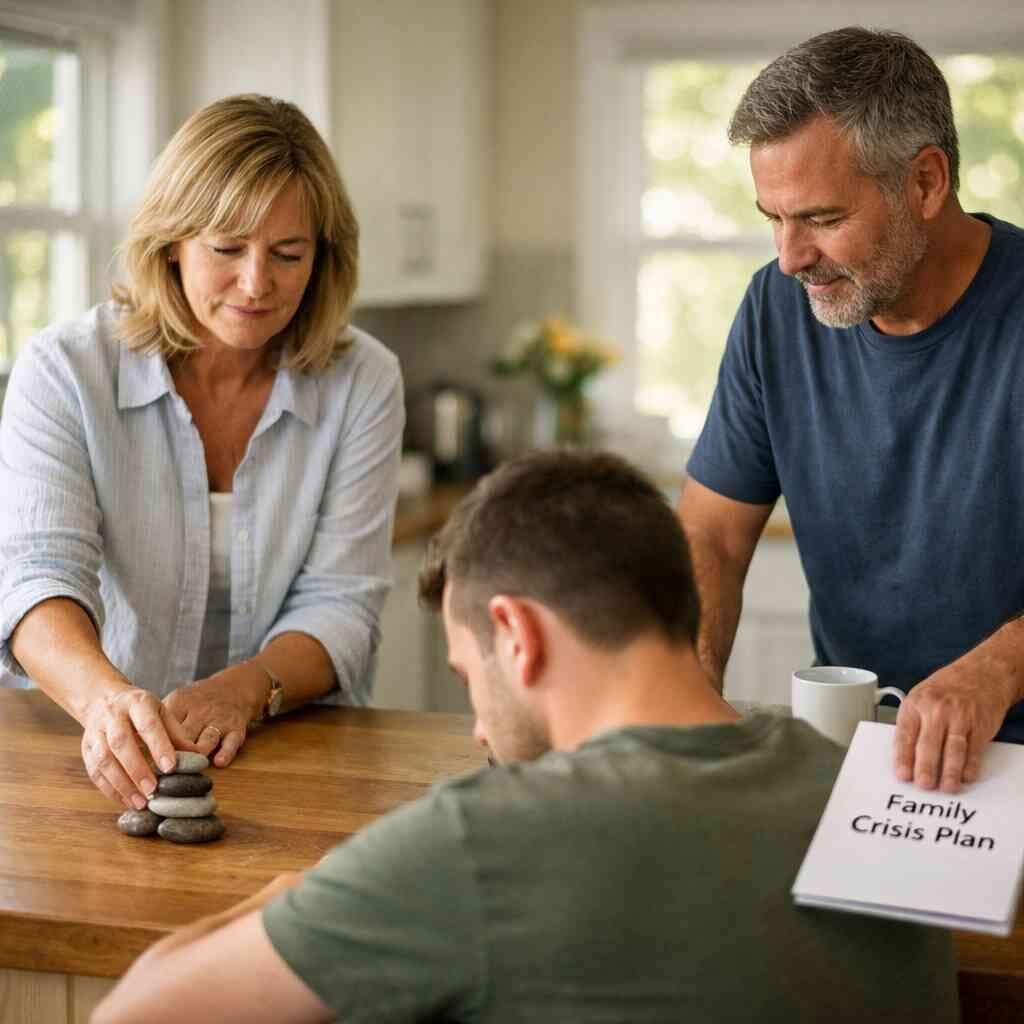
Here is a useful way to think about it. If the person can manage evenings with support, outpatient may fit. If they need daily structure to stay stable, a higher level of care may be better. If you are unsure, that uncertainty is normal. Good teams will help you compare options without pressure.
What to ask during an intake process when insurance, self-pay, or out-of-network benefits are on the table
Families often freeze at the intake stage because money questions feel awkward. They should not. Ask directly about insurance verification, self-pay options, and out-of-network benefits. Ask what services are covered, what documents are needed, and how fast benefits can be checked. That saves time and stress.
You can also ask whether the program offers an outpatient program Delray Beach residents can access easily, plus virtual care when needed. If you need help comparing costs or benefits, start with insurance verification and coverage support. Clarity early on prevents delays later.
Why coordinated travel and admissions checklist details matter for families coming from nearby Palm Beach County or across South Florida
Small logistics matter more than people expect. If the person is coming from Palm Beach County, Broward County, or farther across South Florida, paperwork and transportation can become barriers. Bring identification, medication lists, prior records, and emergency contacts. Confirm arrival instructions before the day gets busy.
RECO Integrated Psychiatry serves Delray Beach at 140 NE 4th Avenue, and telepsychiatry can support Florida residents who need follow-up from home. That combination helps families who are managing work, school, and care all at once. A well-run intake process reduces chaos and helps treatment start with less friction. For some families, that is the difference between waiting and moving forward.
-
The quiet work that keeps PTSD recovery from slipping back into survival mode
Protecting sleep routines, nutrition, and daily predictability after acute stress
Sleep is often the first thing trauma steals. Without sleep, everything gets harder. Irritability rises. Panic gets louder. Coping skills drop away. So families should protect sleep routines with the same seriousness they give appointments.
That means regular bedtimes, lower evening stimulation, and fewer late conflicts. Nutrition matters too, especially when the body is stuck in stress mode. Simple meals, hydration, and stable daily rhythms can help the nervous system settle. This is not glamorous work. It is the quiet base that supports everything else.
How mindfulness meditation, group therapy activities, and holistic recovery support can steady the week
Mindfulness meditation for trauma does not erase pain. It teaches the person how to notice it without getting swept away. Group therapy activities can also reduce isolation and help people practice communication in real time. Some families find that holistic recovery support, like movement, yoga therapy, or art therapy, makes the week feel more balanced.
These tools work best when they are part of evidence-based treatment, not replacements for it. They are supports, not shortcuts. Families can encourage consistency by asking what helps and what drains energy. That simple question often reveals what should stay in the plan.
Why family weekend education can change what happens at home after discharge
Education changes language. It changes tone. It changes expectations. When families learn what PTSD actually does to sleep, memory, and body cues, they stop taking every symptom personally. That shift can transform the home environment after discharge.
Family weekend education also gives everyone a shared map. It can explain trauma therapy South Florida options, communication skills, and safety planning in plain language. If a program offers family education or family therapy support tips for recovery in Delray Beach, take it seriously. Those sessions often prevent avoidable conflict later.
Using life skills training, vocational support, and alumni program links to keep momentum
Long-term recovery needs more than symptom relief. It needs life skills training, vocational support, and a way to stay connected after formal care ends. Alumni program links can help people keep a sense of belonging after discharge. That continuity matters when life gets ordinary again and old habits try to return.
Families can help by tracking progress in practical terms. Is the person making appointments? Returning to work? Sleeping better? Using coping tools? Those signs tell a more honest story than moods alone. For ongoing structure, aftercare support and case management can keep the plan from fading too soon.
-
What a family should do next when they are ready to support recovery with clarity
How to choose between family therapy outpatient care and a more intensive program
Start with the current level of strain. If the home is stable enough for weekly work, family therapy or outpatient care may be enough. If the person is in crisis, missing work, or cycling through symptoms quickly, a more intensive program may be needed. The right choice should match the present, not the hope.
A simple comparison can help:
Care levelBest fitFamily roleOutpatient therapyMild to moderate symptomsReinforce skills at homePHPHigher symptom pressureHelp with structure and transportationIOPNeed for frequent supportSupport attendance and routinesThat table is not a diagnosis. It is a guide for better questions.
Questions that help compare licensed clinicians, evidence-based treatment, and trauma-informed care
Ask how the team treats PTSD, co-occurring disorders, and anxiety treatment. Ask which therapies they use and why. Good answers should include CBT, EMDR, DBT, and medication management when appropriate. They should also explain how the plan fits the person’s symptoms and daily life.
You can ask:
- Who coordinates care across the team?
- How do you include families?
- What happens if symptoms worsen?
- How do you measure progress?
- How do you support privacy and trust?
If those answers feel vague, keep looking. If they feel grounded and clear, that is a good sign. What families should know about trauma therapy in South Florida can also help you prepare.
How to verify insurance Aetna, Cigna, Blue Cross Blue Shield, and self-pay options without losing time
Insurance questions are often the part people dread most. They should not stay stuck there. Verify Aetna, Cigna, Blue Cross Blue Shield, out-of-network benefits, and self-pay options as early as possible. Ask for coverage details in writing if you can. That reduces surprises later.
If you are comparing programs in Delray Beach or nearby West Palm Beach and Boca Raton, use the same questions everywhere. That makes the comparison fair. RECO’s team can help with benefit checks, and insurance verification and coverage support is the place to start. Fast answers help families act while the need is still clear.
When to call about PTSD treatment in Delray Beach if depression, anxiety, or co-occurring disorders are part of the picture
Call sooner if symptoms are spreading into daily life. Call if depression, anxiety, alcohol use, or drug use is making things worse. Call if sleep is breaking down or the home feels unsafe. These are not signs of failure. They are signs that the plan needs more support.
RECO Integrated Psychiatry in Delray Beach offers integrated psychiatric care for adults who need skilled, human support. If your family wants help building a steadier path, start with a conversation about what is happening now. A calm plan is easier to build than a crisis response. You do not have to sort it all out tonight. Start with one call, one intake question, and one honest conversation.
Frequently Asked Questions
How long does PTSD treatment usually take in Delray Beach?
It depends on symptom severity, trauma history, and whether substance use is also present. Some people need a few months of structured outpatient care. Others need longer support with therapy, medication management, and aftercare. Recovery moves at the pace of practice, not pressure.
Does RECO Integrated Psychiatry take my insurance?
Coverage depends on your plan and benefits. RECO can help verify Aetna, Cigna, Blue Cross Blue Shield, and out-of-network options. You can also ask about self-pay. The fastest route is to have your insurance card ready and request a benefit check.
What is the difference between PHP and IOP?
PHP, or partial hospitalization, usually offers more hours of treatment and more daily structure. IOP, or intensive outpatient, gives strong support with more flexibility. PHP often fits higher symptom pressure. IOP often fits people who can stay safe at home but still need frequent care.
Can family be involved in treatment?
Yes, often in helpful and structured ways. Family therapy can teach communication, boundaries, and relapse prevention planning. It also helps loved ones understand PTSD symptoms more clearly. The level of involvement depends on the treatment plan and privacy preferences.
Can someone get help for depression and trauma without addiction treatment?
Yes. PTSD often appears with depression, anxiety, or sleep problems, and care can address those directly. If substance use is also present, dual diagnosis treatment may be a better fit. A good evaluation helps sort out what is driving symptoms and what needs attention first.
Does telepsychiatry work for trauma care in Florida?
It can be very effective for follow-up, medication management, and some therapy visits. Telepsychiatry helps people stay consistent when work, transportation, or family duties make travel hard. It does not replace every type of care, but it can make treatment steadier and more accessible.
What should families bring to an intake appointment?
Bring ID, insurance information, medication lists, past treatment records if available, and contact details for emergency support. It also helps to write down the biggest concerns you are seeing at home. That keeps the intake focused and saves time.