How RECO Integrated Psychiatry Builds a Spring 2026 Recovery Plan
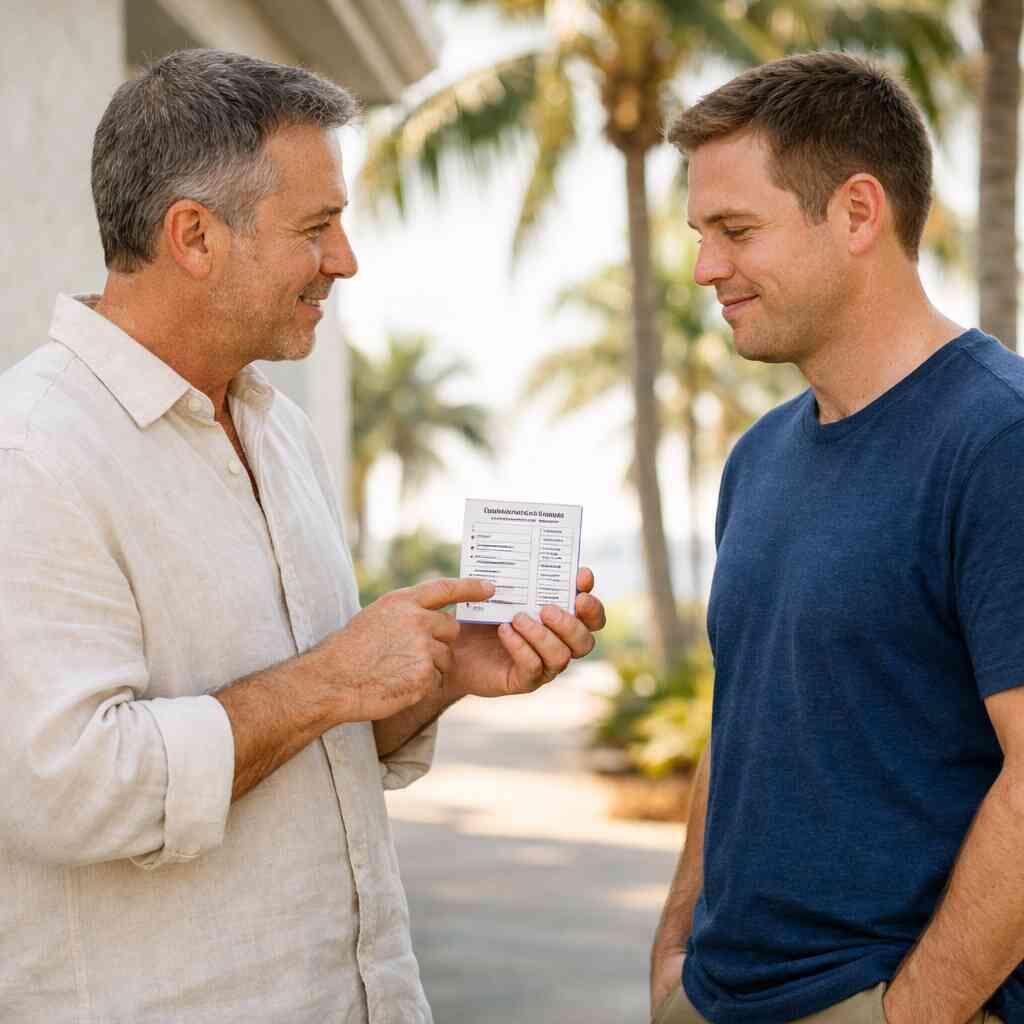
If your mind feels louder this season, that feeling makes sense. Spring can look calm from the outside while your sleep, mood, and cravings feel less settled inside. Families in Delray Beach tell us this all the time, especially when routines shift, social plans expand, and travel picks up along the coast. A good plan […]

If your mind feels louder this season, that feeling makes sense. Spring can look calm from the outside while your sleep, mood, and cravings feel less settled inside. Families in Delray Beach tell us this all the time, especially when routines shift, social plans expand, and travel picks up along the coast. A good plan does not guess. It answers what is changing, what is slipping, and what support should happen now.
What a spring recovery plan has to answer before anxiety gets louder
Why the season change can expose hidden stress, insomnia, and relapse risk
Spring often looks like relief, but the body does not always agree. Longer days can shift sleep timing, and that can irritate anxiety, bipolar disorder, and depression. If you are already carrying stress, even small changes can make insomnia, irritability, and restlessness feel sharper. In recovery, that same strain can raise relapse risk before anyone names it.
Here is the part most families miss. A person can look functional and still be sliding. They may still go to work, answer texts, and say they are fine. Yet they are sleeping three hours, skipping meals, or using more caffeine than usual just to get through the day. That is often when psychiatric evaluation for seasonal stress and medication optimization becomes useful.
One client in the Delray area had done well through winter, then started waking before dawn and pacing at night. No one saw a crisis at first. The family only noticed the shift because the person stopped cooking, stopped biking near the beach, and began missing morning calls. That pattern matters because recovery tends to bend before it breaks.
How Delray Beach weather, routine shifts, and social pressure affect recovery stability
Delray Beach has a coastal rhythm that can support healing, but it can also distract from it. When the weather is bright and social invitations multiply, people often feel pressure to “be back to normal.” That pressure can be hard on someone in early recovery or someone managing depression and addiction. It can also strain people dealing with PTSD, ADHD, or mood swings.
Spring in South Florida can also mean more late nights, more traffic, and more unplanned plans. That sounds small. It is not small for someone protecting sobriety or trying to stabilize medications. We hear this from clients almost every week. The weather looks inviting, but the routine gets fragmented, and the day loses its rails.
A stable recovery plan should account for that reality. It should be practical, not idealized. That is why RECO’s spring recovery planning for anxiety and relapse prevention in Delray Beach centers structure, sleep, and follow-through. In this setting, small habits matter: morning light, medication timing, meals, and a set plan for evenings when temptation is strongest.
Which signs tell a family that medication management or psychiatric evaluation should happen now
Some signs are loud. Others are quiet and more dangerous because they look like personality changes. If someone is more withdrawn, more angry, or more disorganized, you may need support sooner than you think. The same is true if alcohol, cannabis, pills, or stimulants are creeping back into the picture. Medication management can help, but only if it happens before the spiral deepens.
Watch for these changes:
- New or worsening insomnia
- Increased panic or agitation
- Rapid mood swings
- Missed work, school, or family duties
- Increased substance use
- Poor appetite or heavy eating
- Hopeless talk or risky behavior
If you see two or three of these together, a psychiatric review is reasonable. That review may lead to outpatient psychiatry and medication management in Delray Beach or a more structured level of care. For families near Atlantic Avenue or across Palm Beach County, acting early often prevents a crisis later. That is especially true with treatment-resistant depression, bipolar disorder, and co-occurring disorders.
The psychiatric blueprint that turns uncertainty into a treatment map
How RECO builds integrated psychiatric care around depression, anxiety disorder treatment, OCD treatment, and bipolar disorder therapy
RECO Integrated Psychiatry does not treat symptoms in isolation. That matters because depression, anxiety disorder treatment, OCD treatment, and bipolar disorder therapy often overlap. A person with panic may also have trauma. Someone with OCD may also use substances to quiet intrusive thoughts. Someone with bipolar disorder may look depressed for months, then shift into agitation.
Integrated psychiatric care starts with a careful picture of the whole person. That picture includes sleep, appetite, medication history, substance use, family stress, and medical risks. From there, the plan can include integrated psychiatric care for depression and anxiety in Delray Beach alongside medication optimization. For some people, that means adjusting dose, timing, or medication class. For others, it means identifying a condition that was missed for years.
What we have seen in 2026 specifically is that people arrive with layers, not labels. They may ask for help with panic, but the real issue is trauma plus alcohol use plus chronic insomnia. That is why a narrow approach often fails. A blueprint works better when it is built around the person, not the diagnosis alone.
Where dual diagnosis treatment fits when substance use and co occurring disorders are both in play
Dual diagnosis treatment becomes essential when substance use and mental health symptoms feed each other. The National Institute on Drug Abuse has long emphasized the co-occurring disorder model because untreated psychiatric symptoms can drive substance use, and substance use can intensify psychiatric symptoms. That is not theory for families in South Florida. It is a daily reality for people facing alcohol, cocaine, opioid, or prescription pill misuse.
This is where language matters. A person may need help for dual diagnosis treatment for co-occurring disorders in South Florida instead of separate silos. That can matter in cases involving heroin recovery, fentanyl treatment, benzodiazepine withdrawal, cocaine detox Florida, or opioid rehab Delray. It also matters for people who want an alcoholism treatment center that treats anxiety and depression at the same time.
Common dual-diagnosis concerns RECO considers include:
- Depression and addiction
- PTSD treatment and alcohol use
- Bipolar disorder and stimulant misuse
- Anxiety treatment and benzodiazepine dependence
- ADHD treatment and cannabis misuse
For some patients, the right path includes medication-assisted treatment, such as Suboxone maintenance or Vivitrol injections, when clinically appropriate. That can support stability while therapy and coping skills take root. In more complex cases, people may need coordination with detox or a higher level of support before outpatient work can hold.
Why evidence-based treatment often pairs CBT, DBT, and EMDR trauma therapy with medication optimization
Evidence-based treatment means using methods supported by research and clinical practice. CBT, or cognitive behavioral therapy, helps people spot unhelpful thought loops and change behaviors that keep symptoms alive. DBT, or dialectical behavior therapy, adds skills for emotion regulation, distress tolerance, and relationships. EMDR trauma therapy can help when PTSD treatment or trauma memories are driving panic, shame, or avoidance.
Medication optimization sits beside therapy, not above it. That is important. A medication can lower the volume of symptoms, but it does not teach coping or repair trauma patterns. When a plan is balanced, people often do better with evidence-based treatment for trauma and PTSD recovery in South Florida plus thoughtful psychiatry follow-up. For treatment-resistant depression support, RECO also considers advanced options like TMS, Spravato, and ketamine care when clinically appropriate, without promising outcomes.
A patient once described it as “turning the lights on without blasting the room.” That is a useful image. The goal is not sedation. The goal is enough stability to think clearly, sleep better, and practice new skills.
“My experience at Reco Psychiatry was truly life-changing. From the moment I walked in, the psychiatrist made me feel heard and understood. They took the time to really dive into my concerns and tailored their approach to fit my unique needs. The support staff was also amazing—always friendly, attentive, and genuinely caring. It’s clear that everyone at Reco is dedicated to creating a warm, supportive environment. I’m so grateful for the positive impact they’ve had on my mental health journey.”– Diana Y., a 5 star review from our business on Google Business Reviews
Why the right level of care matters more than the label on the brochure
When outpatient psychiatry Delray Beach is enough and when a mental health IOP or partial hospitalization program makes more sense
Not every person needs the same intensity of care. Some do well with outpatient psychiatry Delray Beach and steady medication management. Others need a mental health IOP or partial hospitalization program when symptoms are more severe or daily function is slipping. The question is not, “What sounds strongest?” The question is, “What support will actually hold?” 
Outpatient care may be enough when the person is safe, sleeping reasonably, and keeping responsibilities. A mental health IOP and step-down care in Delray Beach makes more sense when symptoms interfere with work, school, or sobriety several days a week. A partial hospitalization program and higher-support recovery planning may fit when the person needs more structure, more monitoring, and a fuller daily rhythm.
Level of careBest forTypical benefitOutpatient psychiatryMild to moderate symptomsMedication management and flexible follow-upIOPFrequent symptoms or relapse riskMore therapy and more structurePHPHigher instabilityStronger daily support and monitoringHere is the simple rule. If home is holding the person together, outpatient may work. If home is part of the problem, more structure often helps.
How aftercare planning, relapse prevention, and coping skills reduce the drop-off after higher support
People often do well in higher support, then struggle when the schedule opens up. That drop-off is common. It is also preventable. Strong aftercare planning keeps recovery from going flat once daily programming ends. It gives the person a written map for triggers, medications, appointments, and support contacts.
RECO treats aftercare planning and relapse prevention in South Florida as part of treatment, not an afterthought. That plan can include coping skills, medication refills, check-ins, and a clear response if cravings return. It may also include SMART Recovery, 12-step alternatives, or a sober support network, depending on the person’s values and needs. Learning new skills takes time and practice. That is normal.
The mistake we see most often is waiting until motivation disappears. By then, the person is exhausted, ashamed, and less likely to ask for help. A better plan starts while progress is still visible. That is how momentum survives real life.
What family therapy, group therapy, and sober living resources can do when the home environment is part of the problem
Recovery can be fragile when the home setting keeps triggering old patterns. Conflict, secrecy, drinking in the house, or unclear boundaries can undo progress quickly. That is why family therapy matters. It teaches language, structure, and limits that support change without constant crisis.
Family therapy and sober support resources in Delray Beach can help parents, spouses, and adult children stop guessing. Group therapy adds another layer. People hear honest feedback, practice coping, and learn from others who have lived through similar fear. Group therapy and coping skills for long-term recovery also reduce isolation, which is often where relapse starts.
Sober living resources can help when someone needs a safer bridge between intensive treatment and full independence. That is especially true in a busy recovery corridor like Delray Beach and greater Palm Beach County. Families looking for Delray Beach rehab or a residential treatment facility should ask how the program handles transitions, not just admissions. The best plans protect the person after the brochure ends.
The next move that keeps recovery from stalling out
How insurance verification, self-pay options, and out-of-network benefits shape real-world access to care
Even the right clinical plan can stall if the money side stays unclear. That is why insurance verification matters early. Families often want to know whether a program accepts Aetna, Cigna, Blue Cross Blue Shield, or out-of-network benefits. They also need to understand self-pay options before urgency turns into delay.
RECO’s insurance verification and financial options for treatment access can help clarify coverage before treatment starts. That matters for people comparing Florida rehabs that take insurance, a private rehab, or outpatient mental health care. It also matters for families trying to compare inpatient rehab Palm Beach County with a Boca Raton outpatient option, or a West Palm Beach mental health visit with Delray-based care. Clear numbers reduce panic. Ambiguity usually increases it.
Some families hesitate because they fear cost more than symptoms. That is understandable. It is also why a quick admissions review can be useful before the situation gets more expensive, medically and emotionally.
What telepsychiatry Florida residents and local Delray Beach patients can expect when continuity matters
Continuity of care matters when a plan is working and you do not want it interrupted. It matters even more when someone travels, has childcare issues, or lives farther from Delray Beach. RECO offers telepsychiatry for Florida residents needing continuity of care so follow-up can continue without a long gap. That can be a lifeline for medication check-ins and symptom monitoring.
Local patients often appreciate the flexibility too. A person in Boca Raton may not want to fight traffic after work. Someone in Fort Lauderdale or across South Florida may need a bridge between sessions. Telepsychiatry can support that bridge, as long as the person is medically appropriate for virtual care and stable enough for outpatient follow-up.
For some patients, the combination is best: in-person evaluation first, then virtual follow-up as the plan settles. That preserves the relationship and keeps care practical. It also respects how life actually works.
How to use admissions, coordinated follow-up, and long-term support to keep the plan active through the season
A recovery plan should not end with a discharge packet. It should keep moving. That means coordinated follow-up, medication checks, therapy appointments, and a clear contact path if symptoms change. It also means knowing where long-term support fits, especially for people with chronic depression, bipolar disorder, trauma, or relapse risk.
Start with how to start care with RECO Integrated Psychiatry in Delray Beach. Then ask how follow-up works, how refills are handled, and how the team coordinates between programs if a higher level of care becomes necessary. In a strong plan, case management, life skills training, and alumni support all have a place. That is how long-term recovery support becomes real, not theoretical.
The next concrete move is simple. Gather your insurance card, a current medication list, and three symptoms that worry you most, then call for an evaluation. You do not have to solve the whole season today. You only need to make the plan clear enough to act on.
Frequently Asked Questions
How long does detox last at a Delray Beach rehab?
Detox length varies by substance, health status, and history of use. Alcohol, opioids, benzodiazepines, and stimulants each follow different timelines. Some people need several days of monitoring, while others need longer support. A medical team should assess withdrawal risk before making assumptions.
What is PHP vs IOP?
PHP, or partial hospitalization program, offers more structure and daily support than IOP. IOP, or intensive outpatient, usually involves fewer hours and works better when symptoms are more stable. Both can be useful in step-down care. The right choice depends on safety, function, and relapse risk.
Does RECO take my insurance?
Coverage depends on your plan and benefits. RECO can help with insurance verification and explain in-network or out-of-network options when available. Plans such as Aetna, Cigna, and Blue Cross Blue Shield may vary by policy. Call for a benefits review before you make assumptions.
Can I get help for depression without addiction treatment?
Yes. Many people seek psychiatric care for depression, anxiety, OCD, ADHD, or bipolar disorder without any substance use issue. RECO’s outpatient psychiatry team focuses on medication management and evidence-based care for complex psychiatric conditions. A full evaluation helps match the right level of support.
Is telepsychiatry available in Florida?
Yes, telepsychiatry can be an option for Florida residents when it is clinically appropriate. It works well for follow-up care, medication visits, and continuity when travel is difficult. Some situations still need an in-person exam. Your clinician can advise you on the safest format.
Can family be involved in treatment?
Often, yes. Family involvement can improve communication, boundaries, and follow-through when everyone understands the plan. Family therapy may also help with relapse prevention and home stress. The level of involvement depends on the person’s consent, clinical needs, and privacy preferences.
What should I bring to my first psychiatric visit?
Bring a photo ID, insurance card, medication list, past treatment records if you have them, and a short list of symptoms. It also helps to note sleep patterns, substance use, and recent stressors. That information helps the clinician build a practical recovery plan faster.