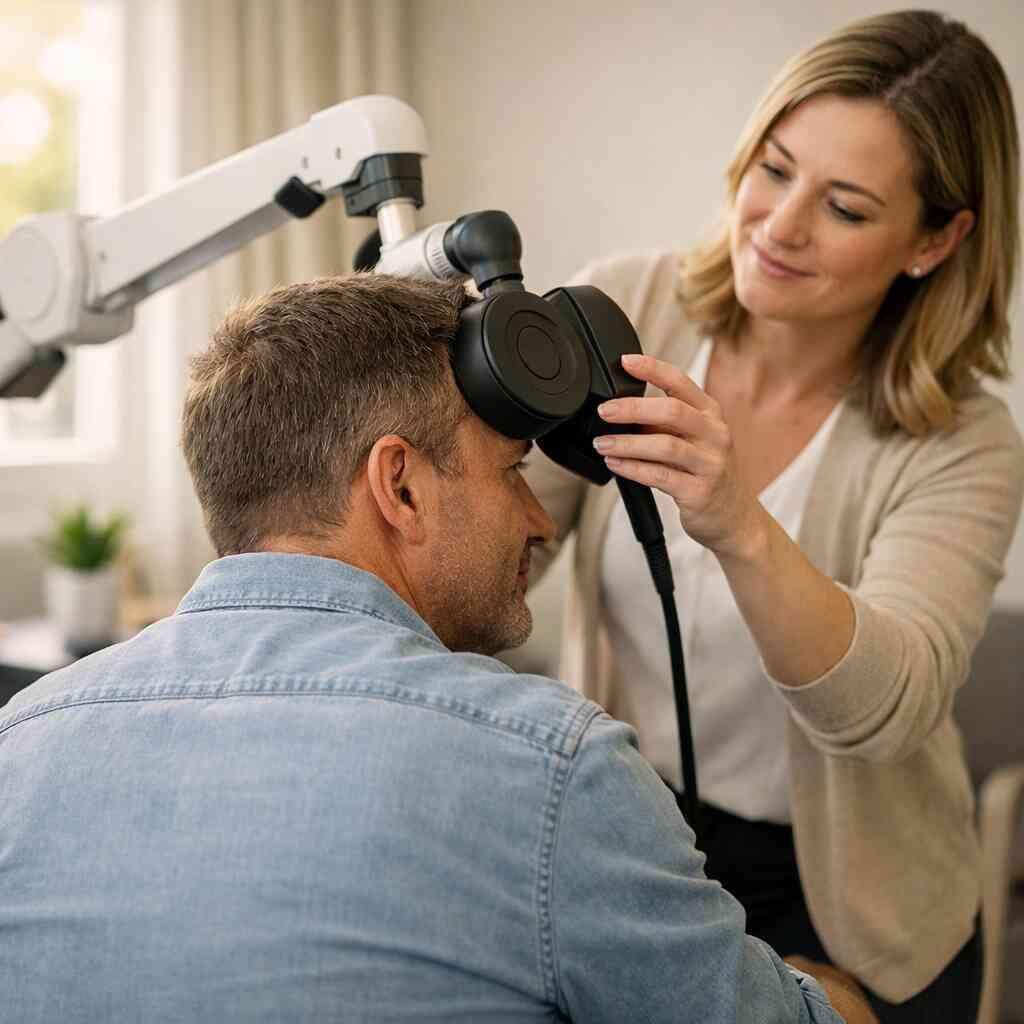
How RECO Integrated Psychiatry Uses TMS for Depression 2026
Why depression can feel stuck even when you have tried everything Depression can feel stubborn in a deeply unfair way. You may have taken medication, tried therapy, and still wake up heavy, flat, or consumed by worry. That frustration is real. Many people in Delray Beach reach out after months of trying to do everything […]


Why depression can feel stuck even when you have tried everything
Depression can feel stubborn in a deeply unfair way. You may have taken medication, tried therapy, and still wake up heavy, flat, or consumed by worry. That frustration is real. Many people in Delray Beach reach out after months of trying to do everything “right” and still feeling trapped. At that point, the question is not what you failed to do, but what your brain and life may be asking for next.
What treatment-resistant depression means in an outpatient psychiatry setting
In outpatient psychiatry, treatment-resistant depression usually means symptoms remain after more than one adequate medication trial. It does not mean you are broken. It means your depression may need a different biological or therapeutic strategy. At RECO Integrated Psychiatry, the evaluation starts with careful psychiatric medication management and a clear review of what has already been tried. For many people, that review is the first time anyone slows down enough to map the pattern.
The term matters because it changes the plan. A person who has tried antidepressants without relief may need a higher level of assessment, not more guessing. In South Florida, people often arrive after seeing several prescribers, and each one may have addressed only part of the picture. The result can feel like motion without progress. More effort does not always mean a better fit.
When antidepressants, psychotherapy, and medication management still leave symptoms behind
Sometimes depression persists even when the basics have been done well. You may have attended CBT, stayed consistent with medication, and still felt numb, slowed, or unable to care about daily life. That can happen because depression is not one thing. It often overlaps with anxiety and depression treatment needs, sleep problems, trauma, or substance use. When those pieces stack up, standard care can lose traction.
One client in the Delray Beach area described it like this: “I was doing the homework, taking the pills, showing up on time, and still felt like I was moving through wet cement.” That feeling is common. It often signals that the treatment plan needs another layer, not more pressure. RECO’s approach stays grounded in evidence-based depression treatment, but it also stays flexible enough to respond when symptoms do not follow a simple path.
Why RECO Integrated Psychiatry looks at depression through a dual diagnosis and co-occurring disorders lens
Depression rarely lives alone. NIDA and SAMHSA both emphasize that co-occurring disorders need integrated treatment, not separate silos. That matters in a place like Delray Beach, where recovery and mental health care often overlap. A person may be dealing with depression and addiction, PTSD treatment needs, or bipolar disorder therapy at the same time. If substance use, withdrawal, or relapse risk are active, the depression plan has to account for that.
That is why RECO looks through a dual diagnosis lens. The team considers whether depression is tied to alcohol, opioids, benzodiazepine withdrawal, cocaine detox needs, or prescription pill addiction patterns. This is especially important for people coming from a mental health IOP or an outpatient program in Delray Beach. Depression treatment works better when the whole picture is visible. In practice, that means fewer blind spots and fewer false starts.
How Delray Beach families often miss the early signs that depression needs a different kind of care
Families often notice sleep changes, irritability, or missed work before the person does. In coastal communities like Delray Beach, people also hide symptoms well. They keep showing up at Atlantic Avenue brunches, beach walks, or family dinners while feeling empty inside. That can delay care. It can also make depression look like “just stress” for far too long.
The early signs are usually quieter than people expect. You may see more withdrawal, less laughter, slowed thinking, more missed texts, or a sharp drop in motivation. Sometimes the person keeps functioning but loses joy completely. That is often the moment when a psychiatric second opinion helps. A thoughtful evaluation can show whether depression needs TMS therapy for depression, a medication change, or a broader integrated psychiatric care plan.
The TMS decision point when medication is not enough
TMS enters the picture when depression has not responded the way it should. That decision can feel intimidating, especially if you have never heard a clear explanation. It should not. Transcranial magnetic stimulation for depression is a noninvasive depression treatment that uses no sedation and does not require downtime for most people. For someone balancing work, parenting, or early recovery, that matters.
How transcranial magnetic stimulation for depression works without sedation or downtime
TMS uses magnetic pulses to stimulate specific brain regions involved in mood regulation. It does not use electricity through the body, and it does not require anesthesia. Most people sit in a chair and return to normal activities afterward. That makes it different from procedures that require recovery time. For many adults, that practical difference is the reason they finally consider it.
On the clinical side, TMS is best understood as neurostimulation therapy. It is often used when depression has been medication-resistant. It can fit into a broader plan that includes evidence-based psychotherapy, medication management, and holistic psychiatry. People often ask if it feels dramatic. Usually, it feels more like a focused office procedure than a major event. That steadiness is part of its appeal.
Who is most likely to be evaluated for noninvasive depression treatment at RECO
RECO typically evaluates adults whose depression has persisted after standard care. That can include people with major depressive disorder, anxiety disorder treatment needs, or trauma-informed psychiatric care needs. It can also include adults who live in South Florida and need a plan that respects work schedules and family life. A common referral pattern includes people who already know medications alone have not done enough.
The best candidates are not defined by perfection. They are defined by need. You may be a good candidate if symptoms remain despite consistent treatment, if side effects have limited medication options, or if you want a structured noninvasive depression treatment path. Readers who want a broader overview can also review The 2026 Guide to TMS Therapy for Depression in Delray Beach. For people comparing next steps, that page helps explain how the service fits into outpatient psychiatry Delray Beach care.
Where TMS fits beside CBT, DBT, EMDR, and psychiatric medication management
TMS is not a replacement for therapy. It works best when it sits beside the right psychological supports. CBT can help challenge hopeless thought loops. DBT can improve distress tolerance and emotional control. EMDR trauma therapy can be useful when trauma is driving part of the depression picture. Medication management still matters too, because brain stimulation and prescribing decisions should inform each other.
That layered approach is often what people need when depression is mixed with anxiety, OCD, or complex trauma. In one recent case, a parent in Palm Beach County needed a plan that addressed panic symptoms, sleep loss, and a long history of failed medications. The biggest relief was not the technology itself. It was finally having a plan that made sense. That is what integrated psychiatric care should do: reduce confusion and restore direction.
When bipolar depression, anxiety, OCD, or trauma changes the treatment plan
Not all depression should be treated the same way. Bipolar depression management requires different caution than unipolar depression. OCD and depression support can require different medication choices and therapy pacing. PTSD and depression treatment often needs trauma-informed psychiatric care before deeper mood work can stick. That is why diagnosis quality matters before TMS begins.
RECO does not treat symptoms in isolation. If bipolar disorder, OCD, or trauma is in the background, the plan shifts. A person with bipolar depression may need careful screening to avoid triggering mood instability. Someone with severe anxiety may need extra structure around the treatment schedule. For more detail on those overlaps, psychiatric medication management can be part of the same discussion.
What a TMS workup really looks like inside RECO Integrated Psychiatry
A good TMS plan begins long before the first session. The workup matters because it tells the team what depression is doing, what else is present, and what support should come first. This is where the intake process earns its value. It prevents guesswork. It also keeps care grounded in evidence rather than urgency alone.
The depression screening and psychiatric evaluation that shape the treatment map
The evaluation starts with a depression screening and full psychiatric history. The clinician wants to know when symptoms began, what makes them worse, and what has helped even a little. That includes sleep, energy, appetite, concentration, and any safety concerns. People are often relieved by how practical this feels. It is detailed, but it is not cold.
The goal is to build a treatment map, not a label. If you are in a Florida telepsychiatry visit, that same structure still applies. RECO offers telepsychiatry for Florida residents, which helps people who live farther from Delray Beach or need privacy and convenience. For many adults, that flexibility makes it much easier to stay engaged in care.
How the team reviews medication history, prior therapy, and co-occurring conditions
Medication history tells part of the story. Prior therapy tells another part. The clinician may ask which antidepressants were tried, how long you took them, and whether side effects got in the way. They will also ask about alcohol, drugs, sleep, pain, trauma, and attention problems. That broader review often reveals why depression has felt so hard to shift.
This is also where the co-occurring disorders model becomes practical. A person with depression and addiction may need a very different plan than someone with depression alone. If a higher level of support is needed, RECO can coordinate with treatment-resistant depression care. That kind of review helps keep treatment aligned with real life, not just diagnoses on paper.
What people in Palm Beach County can expect from telepsychiatry for Florida residents
Telepsychiatry can be a lifeline when getting to the office is hard. It helps people in Palm Beach County and nearby areas stay connected without losing momentum. It can also make it easier to include partners or family members in some visits when appropriate. For someone juggling work near Boca Raton or commuting from farther north, that can remove a major barrier.
The key is that telepsychiatry still needs structure. The clinician should ask direct questions, review history carefully, and keep the process clinically sound. If depression is severe, in-person care may still be the better fit for parts of treatment. The point is access with good judgment, not convenience at the expense of safety. That balance matters in any private psychiatry practice.
Why the intake process matters before any neurostimulation therapy starts
Intake is not paperwork. It is the first clinical filter. It helps the team decide if TMS is appropriate now, later, or not at all. It also identifies safety issues, medication interactions, and timing concerns. A careful intake protects the person receiving care and improves the chance that treatment is used well.
If you have ever felt rushed through a mental health appointment, this part may feel different. It should. The intake process at RECO is designed to respect the complexity of depression without making it bigger than it already is. That matters before any neurostimulation therapy starts, because the right procedure at the wrong time is still the wrong plan.
How the care plan gets built around real life in South Florida
A strong depression plan has to fit your actual week, not an ideal one. In South Florida, that may include work demands, school pickups, recovery meetings, traffic on Federal Highway, or family responsibilities that never really pause. Treatment works better when it respects those limits. ### Why personalized treatment planning matters for professionals parents and adults in recovery 
Personalized treatment planning is not a luxury. It is how care becomes usable. A professional may need appointment times that fit a schedule packed with meetings. A parent may need predictable visits and clear communication. Someone in early recovery may need extra support because mood symptoms and relapse risk can rise together.
One adult in recovery told the team that every plan he had failed because it ignored his morning routine. He needed structure before noon, not vague advice. Once care was adjusted, he could actually follow it. That is the difference between a plan that sounds good and a plan that lives well. In our experience, the biggest mistake is designing treatment around theory instead of the person in front of you.
How outpatient psychiatry Delray Beach can connect TMS with partial hospitalization support or intensive outpatient care
Sometimes TMS is not the only support needed. A person may benefit from mental health IOP support in Delray Beach or partial hospitalization support for mood disorders in South Florida. That is especially true if depression is severe, safety is fragile, or the home setting is unstable. Higher levels of care can stabilize the day while TMS addresses the brain-based side of depression.
This layered model is common in good outpatient psychiatry Delray Beach programs. It allows clinicians to adjust intensity without losing continuity. Someone may step between TMS, therapy, and structured programming as symptoms change. That is not a sign of failure. It is a sign that care is being matched to need.
OptionBest forMain benefitTMSMedication-resistant depressionNoninvasive mood treatmentIOPOngoing symptoms needing structureSeveral treatment contacts each weekPHPHigher support with daily careMore stability during hard periods### When family therapy support and aftercare planning for depression become part of the same plan
Depression affects the whole household. It changes tone, patience, and expectations. That is why family therapy support can matter even when the main diagnosis is mood-related. Families often need coaching on how to respond without rescuing, arguing, or disappearing. Clear roles lower tension.
Aftercare planning matters just as much. Depression does not end when sessions stop. The transition should include coping skills, follow-up visits, and a relapse plan for bad weeks. Aftercare planning for depression and relapse prevention helps people keep gains after the acute work ends. That continuity is one of the best predictors of stable progress.
How insurance verification, self-pay options, and out-of-network benefits are handled without confusion
Insurance questions can shut people down fast. That is normal. Most families want clarity before they commit, especially if they are comparing private psychiatry options. RECO can help with insurance verification, self-pay options, and out-of-network benefits so the process is less muddy. The goal is simple: know what is covered before care starts.
If you are comparing plans, ask for the exact language in writing. Ask what the mental health benefit covers, what the deductible means, and whether prior authorization is required. A clear benefits review saves time and stress later. For people who want more detail, the insurance and admissions team can explain the path without jargon.
The next decision after TMS and how to move forward with confidence
TMS is important, but it is not the only next option. Sometimes it is the best fit. Sometimes another evidence-based therapy is more appropriate. What matters is making the next choice with good information and no shame. Depression care should feel thoughtful, not rushed.
When TMS is the right fit and when Spravato treatment options or ketamine treatment for depression may be considered
TMS can be a strong choice when depression has not responded to medication and the person prefers a noninvasive path. Spravato treatment options or ketamine treatment for depression may be considered in different situations, especially when symptoms are severe or time-sensitive. The right choice depends on history, diagnosis, safety, and what has already been tried. No single treatment fits every pattern.
RECO offers integrated psychiatric care for dual diagnosis depression when depression overlaps with substance use or complex medical history. That matters because some people need a decision tree, not a single answer. TMS, Spravato, and ketamine each have different settings and monitoring needs. The best plan is the one that matches your clinical picture and your life.
How relapse prevention for mood disorders and coping skills for depression support long-term recovery
Depression treatment should leave you with more than a procedure. It should leave you with a plan. Relapse prevention for mood disorders means noticing early warning signs, naming triggers, and knowing who to call. Coping skills for depression may include scheduling, grounding, movement, and realistic sleep routines. These are small tools, but they matter.
In South Florida, many people stay connected to recovery supports after the acute phase ends. That may include sober living resources, 12-step alternatives, SMART Recovery, or group therapy activities. The exact mix should be personal, not ideological. Good care helps you use the tools you will actually keep using. That is what supports long-term recovery.
Why life after treatment looks different when care includes holistic psychiatry and licensed clinicians
Holistic psychiatry does not mean vague wellness talk. It means the clinician pays attention to sleep, nutrition, movement, stress, and the nervous system, alongside medication and therapy. Licensed clinicians can help you build habits that support mood without pretending habits alone cure depression. The difference is practical, not philosophical.
For some people, the biggest shift is internal. They stop seeing every hard day as proof that nothing works. They start reading symptoms more accurately. That change can happen because care is consistent, not miraculous. And when treatment is delivered in a place that feels grounded, near the beachside calm of Delray Beach, it can be easier to keep showing up.
What to ask next if you are comparing South Florida psychiatry options near Delray Beach and Palm Beach County
Ask how depression is screened. Ask how bipolar disorder therapy is handled. Ask whether trauma, anxiety, and substance use are considered together. Ask how follow-up works after TMS begins. Ask who coordinates care if symptoms shift. Good programs answer directly and without pressure.
If you are comparing South Florida psychiatry options, look for evidence-based treatment, clear intake, and a team that respects complexity. You can also review RECO Integrated Psychiatry for a sense of how integrated care is structured in Delray Beach. Start with one conversation. You do not need to solve the whole year today. You just need a clear next appointment and a team that knows how to listen.
Frequently Asked Questions
How long does TMS treatment usually take?
TMS is usually delivered across many sessions, not in one visit. The exact schedule depends on the diagnosis, the protocol, and the treatment response. Most people ask this because they need to plan work, childcare, and transportation. That is sensible. The team should explain the expected cadence before treatment begins, along with what to do if a session is missed.
Is TMS the same as ECT?
No. TMS and ECT are different treatments. TMS is noninvasive and typically does not require sedation or recovery time. ECT is a separate procedure used for specific severe cases and usually involves anesthesia. If you are comparing them, ask about the goal, side effect profile, and setting. A clear explanation should make the difference easy to understand.
Can depression be treated if I also have anxiety or OCD?
Yes, but the plan should be tailored. Anxiety and depression treatment often needs both medication and therapy, and OCD can require specific evidence-based care. TMS may still be considered, depending on the full clinical picture. The important part is careful evaluation first. A mixed symptom picture is common, and it should never be treated casually.
Does RECO help with insurance verification?
Yes. Insurance can be confusing, especially with outpatient psychiatry and higher levels of care. The admissions team can help verify benefits, explain self-pay options, and review out-of-network benefits when needed. It helps to have your card and policy details ready. That makes the conversation faster and reduces avoidable stress.
What if I need depression care but I am also in recovery?
That is exactly when integrated care matters. Depression and addiction often affect each other, and both should be treated together when possible. RECO’s dual diagnosis lens helps clinicians account for substance use, relapse risk, and mood symptoms in one plan. That may include therapy, medication management, TMS evaluation, or coordination with higher levels of care. The goal is steadier support, not more complexity.
Is telepsychiatry available for Florida residents?
Yes. Telepsychiatry can be a good option for Florida residents who need flexibility or live farther from Delray Beach. It works well for many follow-up visits and some evaluations. However, not every situation is suited for remote care. The clinician should decide whether virtual care, in-person visits, or a mix of both makes the most sense.
What should I bring to the first visit?
Bring a list of current medications, past psychiatric treatments, hospitalizations if any, and any recent lab work you have. It also helps to note sleep problems, substance use history, and major stressors. If you have prior therapy records, those can be useful too. The more accurate the information, the better the treatment map will be.
*”RECO’s mental health program is excellent. Their integrative approach with therapy and psychiatry helped me overcome anxiety and depression. Compassionate staff and supportive environment. Highly recommend!”- Sabrina F., a 5 star review from our business on Google Business Reviews