How to Choose a mental health IOP in Palm Beach County 2026
When a bad week becomes a bigger problem than you can manage at home If you are reading this because sleep has gone sideways, your thoughts feel loud, or simple tasks now feel heavy, take a breath. That fear is real. So is the confusion. Many people in Palm Beach County start looking for a […]
When a bad week becomes a bigger problem than you can manage at home
If you are reading this because sleep has gone sideways, your thoughts feel loud, or simple tasks now feel heavy, take a breath. That fear is real. So is the confusion. Many people in Palm Beach County start looking for a mental health IOP only after weeks of trying to push through on their own. That delay is common, but it can also make symptoms harder to sort out.
How to tell the difference between stress that will pass and symptoms that need a mental health IOP
Stress usually has a clear cause and a clearer end point. Symptoms that need more care often continue after the pressure eases. You may notice poor sleep, panic, obsessive checking, mood swings, or trouble getting through work and family duties. If those problems last, repeat, or spread into more parts of life, an intensive outpatient program may fit better than casual therapy.
The question is not, “Am I bad enough?” The better question is, “Can I still function safely and steadily?” If you are missing work, avoiding people, drinking more, using pills to sleep, or feeling emotionally flat for days, that is useful information. It does not mean crisis care is the only answer. It often means you need structure, assessment, and steady support before things slide further.
The quiet signs that outpatient program Delray Beach care may be the right level before crisis care is needed
Many people wait for a breakdown that never comes cleanly. Instead, the signs are quiet. You snap at the wrong moment. You cancel plans. You stop eating well. You start relying on alcohol, cannabis, or benzodiazepines to take the edge off. A strong outpatient program Delray Beach option can catch that pattern before it hardens.
One client in the Lake Worth area kept saying, “I am fine, just tired.” Then sleep dropped to four hours, and every morning started with dread. A careful evaluation showed anxiety, depression, and a growing alcohol pattern. The issue was not weakness. It was an untreated loop that had gotten comfortable.
Why co-occurring disorders can hide in plain sight when anxiety treatment and depression and addiction overlap
Co-occurring disorders, also called dual diagnosis, mean mental health and substance use problems happen together. That overlap can blur everything. Anxiety may look like irritability. Depression may look like laziness. Drinking may seem like stress relief until it starts driving the mood problem. The dual diagnosis treatment for co-occurring disorders model matters because it treats both sides at once.
Here is the part most families miss: substance use can briefly lower anxiety, then make it worse the next day. That cycle is common with alcohol, cocaine, opioids, prescription pill addiction, and benzodiazepine withdrawal. In Palm Beach County, people often search for drug rehab near me, yet the real issue is often deeper than one substance. Good care asks what the substance is covering.
The Palm Beach County map that separates a strong program from a polished brochure
Palm Beach County has plenty of polished websites. That is not the same as solid care. A strong program explains its clinical thinking clearly, uses licensed clinicians, and can tell you why a certain level of care fits your situation. That matters more than beach photos, slogans, or vague promises.
What licensed clinicians should be able to explain about assessment, diagnosis, and treatment planning
A real intake should feel like a conversation, not an interview script. Licensed clinicians should explain what they are screening for, why certain symptoms matter, and how the diagnosis guides care. They should also tell you how they think about safety, substance use, medications, trauma, and functioning. If they cannot explain the plan in plain English, keep looking.
You should expect a review of sleep, mood, panic, substance use, past treatment, medical history, and any safety concerns. For many people, that assessment helps clarify whether depression and addiction are feeding each other, or whether bipolar disorder therapy needs a different pace. For others, it reveals that trauma therapy South Florida care should be paired with substance support. Clear diagnosis is not a label. It is a map.
Why Joint Commission accreditation, DCF licensing, and clear insurance verification matter more than glossy marketing
Strong programs can point to real oversight. That may include Joint Commission accreditation and DCF licensed status, depending on the service line. Those markers do not guarantee a perfect fit, but they do tell you the program has met external standards. The same is true for transparent insurance verification for a Florida rehab that takes insurance.
Ask direct questions. Does the program work with Aetna, Cigna, and Blue Cross Blue Shield? What are the out-of-network benefits? What are the self-pay options? If answers feel slippery, that is a warning sign. Marketing should never be more polished than the care.
How PHP vs IOP changes the rhythm of care for people who need structure but not round-the-clock treatment
The difference between PHP and IOP is simple, but the impact is big. A partial hospitalization program offers more hours and more structure. An intensive outpatient program gives you meaningful care while leaving room for work, school, or family duties. If you want a clear comparison, see PHP vs IOP for South Florida recovery or How RECO Integrated Psychiatry Supports PHP and IOP.
Think of PHP as a higher rung and IOP as a steadier middle lane. Someone with severe symptoms, recent hospitalization, or poor daily stability may need PHP. Someone who is safer, more organized, and ready to practice skills between sessions may do well in IOP. The rhythm should match your life, not just the brochure.
What a solid intake process should reveal about medication management, case management, and aftercare planning
A good intake process does more than collect forms. It should show how the team handles medication management, case management, and aftercare planning from day one. That includes medication lists, pharmacy history, side effects, and whether you may need coordination with another prescriber. It should also cover housing, work schedules, family needs, and discharge planning.
If the program mentions what to expect from the first appointment and intake process, read it carefully before you commit. A thoughtful intake lowers surprises later. It also tells you whether the team is planning for recovery, not just enrollment. Good care starts with a plan for what happens after the program ends.
What an effective mental health IOP actually feels like once treatment starts
A strong IOP should feel structured, but never mechanical. You should leave sessions with language, tools, and next steps you can actually use. Progress comes from repetition, not drama. The programs that help most are the ones that balance skill work with honest clinical review.
How CBT, DBT, and EMDR trauma therapy are used to build coping skills that hold up outside the office
Cognitive behavioral therapy, or CBT, helps you notice the link between thoughts, feelings, and behavior. Dialectical behavior therapy, or DBT, teaches distress tolerance, emotion regulation, and better communication. EMDR trauma therapy uses guided processing to help the brain file painful memories differently. These are not buzzwords. They are evidence-based treatment tools that many people can practice between sessions.
A useful ultimate guide to CBT and DBT for outpatient recovery will tell you that skill practice matters more than insight alone. That is true in real life too. If you learn how to ride out a panic spike, name a trigger, or slow down a spiral, that change can hold outside the office. Coping skills are built, not wished into place.
Where group therapy activities, family therapy, and mindfulness meditation fit into a real week of care
Group therapy activities matter because they break isolation. They also show you that other people are dealing with messy, ordinary, frightening things too. Family therapy helps loved ones learn how to support recovery without taking over. Mindfulness meditation can steady attention, lower reactivity, and create a pause between feeling and action.
If family involvement is part of your care, ask about family therapy early. That conversation can reduce conflict at home fast. One father told us his biggest relief was hearing the same language from both the clinician and his teen. That consistency changed dinner time, which changed the whole week.
When medication management, genetic testing, or integrative psychiatry can sharpen treatment for bipolar disorder therapy, PTSD treatment, or OCD
Medication management can be a turning point when symptoms are severe or layered. For bipolar disorder therapy, PTSD treatment, or OCD, the right medication plan can make therapy more usable. Some programs also discuss genetic testing, though it should never be sold as a magic answer. If a clinician recommends it, ask what it can and cannot tell you.
RECO Integrated Psychiatry also offers anxiety treatment and depression support in Delray Beach with an integrated psychiatric lens. That matters when symptoms are complex. In some cases, FDA-approved options such as Vivitrol injections or Suboxone maintenance may be relevant for co-occurring substance use, but only when clinically appropriate. For treatment-resistant depression, options like TMS, Spravato, or ketamine may also be discussed by qualified prescribers.
Why trauma therapy South Florida programs should also address relapse prevention, life skills training, and vocational support
Trauma care that stops at insight is incomplete. You also need relapse prevention, life skills training, and vocational support. If trauma is driving substance use, then the plan must cover cravings, triggers, routines, and unsafe people or places. The best programs help you rehearse real life, not just talk about it. That may include budgeting, transportation planning, sleep routines, and work re-entry. It may also include nutritional counseling, sober living resources, and aftercare support. Here is the part that saves people later: if a program cannot explain how it helps you function on a Tuesday afternoon, it may be too thin. Recovery lives in ordinary hours. 
How young adult rehab, LGBTQ+ affirmative treatment, veterans addiction help, and gender-specific treatment change the experience of care
The best care fits the person, not just the diagnosis. Young adult rehab often needs more coaching around school, identity, and independence. LGBTQ+ affirmative treatment should feel respectful, direct, and free of assumptions. Veterans addiction help may need trauma awareness, sleep work, and coordination around service-related stress.
Gender-specific treatment can also reduce distraction and shame. Some people speak more freely in women’s rehab or men’s recovery settings. That can change participation, trust, and follow-through. A program that understands these differences usually creates more honest work in the room.
The decision that turns a search into a plan
This is where the search becomes practical. You can compare programs without getting overwhelmed. You do not need perfect certainty. You need a few clear questions, answered honestly, by people who can explain their work.
How to compare Palm Beach County treatment centers without getting lost in promises that sound too good
Start with the basics. Who is treating you? What level of care do they recommend? How do they measure progress? A polished website may say “holistic recovery,” “beachside recovery,” or “private rehab,” but those words mean little without specifics. Ask for actual structure.
Look for evidence-based treatment, licensed clinicians, and a clear daily schedule. Ask whether the program supports dual diagnosis, relapse prevention, family therapy, and aftercare planning. If a center serves Delray Beach rehab, Broward County rehab, Miami addiction help, or West Palm Beach mental health, it should still explain how your plan is individualized. Geography helps. Clarity matters more.
What insurance verification should tell you about Aetna, Cigna, Blue Cross Blue Shield, out-of-network benefits, and self-pay options
Insurance questions are stressful because money and hope often collide. A good team makes that part easier. During insurance verification, you should learn what is covered, what needs authorization, and whether out-of-network benefits apply. If coverage is thin, ask about self-pay options and any financial options available.
Here is a simple checklist:
- Ask if your plan is in network or out of network.
- Ask what the estimate includes.
- Ask about deductibles and copays.
- Ask whether mental health IOP and psychiatric visits bill differently.
- Ask how changes in level of care affect cost.
If the answers stay vague, pause. A clear financial picture prevents avoidable strain later.
How to use aftercare support, sober living resources, SMART Recovery, and 12-step alternatives to keep momentum after discharge
Treatment does not end when the schedule ends. Good discharge planning includes aftercare planning and long-term recovery support, sober living resources, and a realistic weekly routine. Some people use SMART Recovery. Others prefer 12-step alternatives. Many use both at different times. The right fit is the one you will actually attend.
A strong plan also names relapse prevention triggers, emergency contacts, and follow-up appointments. If medication management continues, that should be scheduled. If vocational support is needed, it should be built in. Long-term recovery is not built on motivation alone. It is built on repeatable structure.
Why Delray Beach recovery community resources, coastal routines, and a steady alumni program can help long-term recovery feel more realistic
Delray Beach has a recovery community that many people find grounding. The rhythm of Atlantic Avenue, the beach air, and the local network of meetings can make support feel more reachable. Sober things to do in Delray matters more than it sounds. Routine becomes a protection when life feels shaky.
A steady alumni program can also keep the connection alive after discharge. That continuity supports the best-practice model for continuing care. One 5-star review from Google summed up what many families hope to find: “Real housewives of RECO 💜” – Debbie B., a 5 star review from RECO Integrated Psychiatry on Google Business Reviews. Simple words, but they point to something real: people remember how they were treated.
When to contact RECO Integrated Psychiatry at 140 NE 4th Avenue, Delray Beach, FL 33483 for a care review that matches the level of need
If your symptoms feel bigger than weekly therapy, a care review can help sort the next move. RECO Integrated Psychiatry at 140 NE 4th Avenue, Delray Beach, FL 33483 works alongside the broader RECO network to support outpatient psychiatry, medication management, and higher-touch mental health care. That includes complex concerns like treatment-resistant depression, anxiety, OCD, bipolar disorder, and co-occurring disorders.
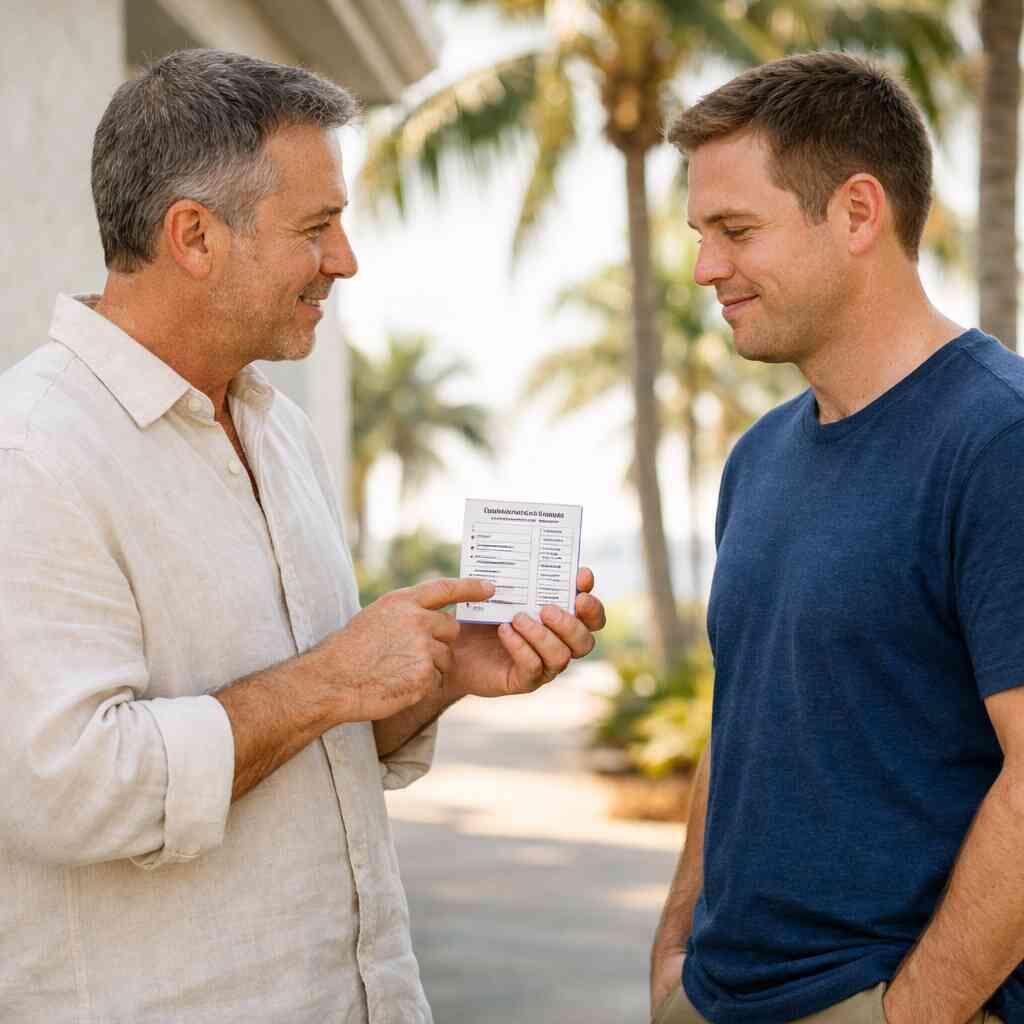
If you are comparing Palm Beach County treatment centers, start with one honest conversation. Bring your medication list, your insurance card, and a short note about what is hardest right now. If alcohol, opioids, cocaine, fentanyl, heroin, or prescription pill use is part of the picture, say so plainly. The right program can only help with what it knows. You do not have to figure this out alone, and you do not have to solve it all today. Start with one call and one clear review of what level of care fits.
Frequently Asked Questions
How long does detox last at a Delray Beach rehab?
Detox length depends on the substance, the dose, how long use has been happening, and your medical history. Alcohol, opioids, benzodiazepines, and stimulants all follow different patterns. A safe program will never guess. It should explain what symptoms to watch for, whether medical supervision is needed, and when a higher level of care may follow. If you need detox, ask for a clear medical detox process explanation before admission.
What’s the difference between PHP and IOP?
PHP, or partial hospitalization, usually gives more hours of care and more daily structure. IOP, or intensive outpatient, gives strong support with more flexibility for work, school, and family life. If you are still unstable, PHP may fit better. If you are safer and can practice skills between sessions, IOP may be enough. A strong program should explain why it recommends one over the other.
Does RECO Integrated Psychiatry take my insurance?
The only reliable answer comes from verification. Plans change, networks change, and coverage changes. RECO can review Aetna, Cigna, Blue Cross Blue Shield, and out-of-network benefits, then explain any self-pay options. If you need a fast answer, have your insurance card ready and ask for written details. That helps you compare choices without guesswork.
Can I bring my phone to treatment?
Policies differ by program and level of care. Some settings allow phones at limited times, while others restrict them during certain groups or assessments. The purpose is usually not punishment. It is to reduce distraction and help you settle into treatment. Ask about phone rules before you start, especially if you work, parent, or need to coordinate transportation.
Is family involved in the program?
Often, yes, when it is clinically helpful and the patient agrees. Family therapy can improve communication, reduce blame, and teach better support at home. It can also help loved ones understand co-occurring disorders, medication plans, and relapse warning signs. If family history is tense, a good team can still set healthy boundaries and keep the work focused.
What if I need help for depression but not addiction?
That is a common reason people seek outpatient psychiatry and IOP support. You do not need a substance problem to qualify for meaningful care. If depression is affecting sleep, energy, work, or relationships, a psychiatric evaluation can help match you to the right level. RECO Integrated Psychiatry also supports anxiety, bipolar disorder, OCD, and other complex conditions through evidence-based treatment and medication management.