How to Find Florida Rehab That Takes Insurance in 2026
If you are reading this because a rehab quote felt higher than expected, take a breath. That knot in your stomach is common. Families in Delray Beach and across Palm Beach County ask the same question every week: what will insurance really cover? The answer is rarely as simple as “yes” or “no,” and that […]

If you are reading this because a rehab quote felt higher than expected, take a breath. That knot in your stomach is common. Families in Delray Beach and across Palm Beach County ask the same question every week: what will insurance really cover? The answer is rarely as simple as “yes” or “no,” and that is where costly mistakes begin. A program can sound affordable at first, then the bills start arriving.
Why the cheapest rehab quote can become the most expensive mistake in Florida
How insurance can hide real out-of-pocket costs when a rehab says yes too fast
The cheapest quote can look comforting. It can also be misleading. Some centers say yes before they check deductibles, co-insurance, or preauthorization rules. That fast answer may feel like relief, but it can leave you responsible for charges you never expected. In South Florida detox and rehab settings, the real cost often sits in the details.
Here is the part most people miss. A rehab may accept your plan, but still bill separately for labs, physician visits, or extended monitoring. That matters in cocaine detox Florida, opioid rehab Delray, or benzodiazepine withdrawal, where medical oversight can change by the hour. If you are comparing Delray Beach rehab options, ask how the estimate changes if care moves from outpatient intake to a higher level. One family we spoke with near Boca Raton assumed a low quote meant full coverage, then learned the deductible had barely been met. The surprise did not come from treatment itself. It came from the paperwork.
Why an in-network rehab provider is not the same thing as full coverage
An in-network rehab provider is not the same as fully covered care. That sounds obvious, yet people hear “in-network” and stop asking questions. Insurance companies still apply deductibles, co-pays, visit caps, and medical necessity rules. If a program includes in-network rehab providers in Florida, you still need to know what level of care your plan approves. Private rehab in Florida can be a strong fit, but only if the benefit structure supports it.
This is especially important for families searching “drug rehab near me” from Delray Beach or Palm Beach County. A nearby center may accept insurance, but your plan may only cover certain services there. Maybe it covers the assessment, but not the full PHP. Maybe it covers outpatient care, but not residential treatment facility days. That is why the real question is not, “Do you take my insurance?” The better question is, “What exactly does my policy pay for, and what will I owe?”
The coverage details people miss when they search drug rehab near me from Delray Beach or Palm Beach County
Searches for “drug rehab near me” often happen at night, when stress is high and time feels short. That is when people skip the boring questions that matter most. You need to ask about the deductible, the out-of-pocket max, prior authorization, and whether your policy limits days or visits. You also need to ask whether the plan treats mental health and addiction treatment the same way. Many families do not realize those benefits can be handled differently.
It helps to think in layers. A detox stay may be covered one way. A partial hospitalization program may be covered another way. An outpatient program Delray Beach may fall under a different benefit tier altogether. If you are weighing inpatient rehab Palm Beach County against a mental health IOP, the benefit design can change the answer. The cheapest quote is not always the best fit. The best fit is the one that keeps care going without breaking your budget.
The paper trail that tells you whether a Florida rehab actually takes insurance
What insurance verification should include before you agree to admissions
Insurance verification should do more than confirm a card is active. It should spell out the plan type, in-network status, deductible balance, co-insurance percentage, and any preauthorization needs. It should also tell you whether detox, PHP, intensive outpatient, and psychiatric services are all covered. If a center cannot explain those items clearly, pause. A careful insurance verification for rehab in South Florida process protects both your finances and your care plan.
What we see most often is rushed admissions. Someone is scared, the family is tired, and a center wants to fill a bed. That is not the time to skip the paper trail. Ask for a written summary before you agree to anything. Ask whether the verification is a quote or a guarantee. Those are not the same thing, and the difference can be significant.
How to check Aetna, Cigna, and Blue Cross Blue Shield coverage without getting lost in jargon
Aetna, Cigna, and Blue Cross Blue Shield all use different benefit language. That jargon can make a simple question feel impossible. Start with three plain-English checks: what is covered, what needs approval, and what will I owe if the stay lasts longer than expected? If you are comparing outpatient program Delray Beach options with higher levels of care, ask the insurer to explain each setting separately. That keeps the answer honest.
A useful tip: ask the rehab to verify benefits in writing before the intake process begins. Then compare that to what the insurer says on the phone. If both match, you have less risk. If they differ, keep asking until they line up. Families who use Aetna rehab coverage or Cigna rehab coverage often find one service is approved while another needs extra documentation. Blue Cross Blue Shield rehab coverage can be equally workable, but the details must be checked line by line. That is how you avoid confusion later.
When out-of-network benefits still make a private rehab in Florida workable for families
Out-of-network benefits can still make care possible. They do not always mean “too expensive.” They often mean “more paperwork, but still usable.” If your plan includes out-of-network benefits for private rehab in Florida, the key is to learn the reimbursement rules. Some families do well with that route when they want a specific program or a more tailored psychiatric model.
A good example comes from a caller near West Palm Beach who wanted a quieter setting after a relapse. Their plan had limited in-network options, but out-of-network benefits covered part of the cost. That made a better clinical match possible. Still, the family had to budget for the gap. That is the tradeoff. If you know the gap in advance, you can plan around it with less fear and less chaos.
What kind of program matches the level of care you really need
How to tell whether detox, inpatient rehab Palm Beach County, PHP, or intensive outpatient fits the situation
Level of care should match the severity of the problem, not the label or the fear. If someone is in alcohol withdrawal, opioid withdrawal, or heavy benzodiazepine withdrawal, detox may come first. If safety is shaky, inpatient rehab Palm Beach County may be more appropriate. If the person can sleep at home but needs structure, PHP or intensive outpatient may fit better. A clear PHP and IOP options in Palm Beach County comparison helps here.
Think about function, not just substance use. Can the person work, eat, sleep, and stay safe? Are they using fentanyl, heroin, or prescription pills in ways that keep escalating? Are they missing work, school, or parenting duties? Those are signs of addiction and reasons to get help in Florida. Across South Florida recovery programs, the wrong level of care is one of the biggest reasons people feel stuck.
Why dual diagnosis treatment matters when addiction shows up with depression, anxiety, bipolar disorder, PTSD, or OCD
Addiction rarely travels alone. Depression and addiction often feed each other. Anxiety can trigger use. PTSD can keep the body on alert. Bipolar disorder therapy may need to happen alongside substance care. OCD can also complicate treatment. This is why dual diagnosis treatment matters. It treats co-occurring disorders together, not one after the other.
The dual diagnosis model lines up with what NIDA and SAMHSA both emphasize: mental health and substance use disorders often overlap, and both need coordinated care. If you are searching for mental health and addiction treatment with dual diagnosis care, ask how the program handles medication management, therapy, and safety planning. A PTSD treatment plan may include trauma therapy South Florida styles such as EMDR trauma therapy. A depression plan may include psychiatry and medication management, plus therapy and sleep support. A good alcoholism treatment center should not treat emotional pain as a side note.
How medication-assisted treatment, CBT, DBT, EMDR trauma therapy, and group therapy activities fit into a real recovery plan
Recovery plans work best when they are layered. Medication-assisted treatment can reduce cravings and withdrawal pressure. Suboxone maintenance can help with opioid recovery. Vivitrol injections can support relapse prevention for some people after detox. CBT, or cognitive behavioral therapy, helps people spot thought patterns that lead to use. DBT, or dialectical behavior therapy, teaches emotion regulation and distress tolerance. EMDR trauma therapy can help process trauma without forcing every detail into words.
Group therapy activities matter too. They build connection, skill practice, and accountability. Family therapy can help repair trust and create better home routines. Holistic recovery tools such as mindfulness meditation, yoga therapy, and art therapy can support nervous system regulation. One young adult from Fort Lauderdale told a clinician he could “talk himself out of everything” until group forced him to listen. That is common. Real treatment uses both insight and repetition.
Care levelBest fitCommon supportDetoxAcute withdrawalMedical monitoring, medications, hydrationInpatientSafety concerns, unstable use24-hour structure, therapy, stabilizationPHPNeeds strong daily supportTherapy, psychiatry, case managementIOPCan sleep at homeSkills work, relapse prevention, family supportThe decision that turns coverage into care instead of confusion
What to ask during the intake process so the rehab admission process feels clear and humane
The intake process should feel clear, not cold. Ask who will review the assessment, how fast a decision happens, and what happens if the first recommended level changes. Ask whether the center offers intervention services if a family needs help getting someone in the door. If possible, use a rehab admission process and admissions checklist so nothing important gets missed. The goal is simple: fewer surprises, more clarity. Here is what almost no online guide mentions. Admission is not only paperwork. It is also tone. If the staff rushes you, talks over you, or avoids direct answers, that matters. If they explain the plan in plain language, that matters too. Families in Delray Beach often tell us the best admissions calls feel calm, specific, and respectful. That is how trust starts. 
Why aftercare planning, sober living resources, family therapy, and alumni support matter after discharge
Treatment is not finished at discharge. That is where the next phase begins. Aftercare planning should include relapse prevention, coping skills, case management, and a plan for ongoing therapy. Sober living resources can help people keep structure while they rebuild work, school, or family life. If the program offers family support and aftercare planning in long term recovery, pay attention to how detailed that support is.
Alumni support matters because early recovery gets tested fast. Old routines return. Stress returns. Family pressure returns. A good alumni program gives contact, encouragement, and practical structure. That can be especially useful in a beachside recovery environment like Delray Beach, where sober things to do can help fill the empty time that used to be spent using. The point is not to make life perfect. The point is to make it steadier.
How RECO Integrated Psychiatry supports South Florida recovery with outpatient program Delray Beach, telepsychiatry, and coordinated psychiatric care at 140 NE 4th Avenue Delray Beach FL 33483
RECO Integrated Psychiatry supports adults who need ongoing psychiatric care after, or alongside, higher levels of addiction treatment. Our team in Delray Beach offers outpatient psychiatry, medication management, and telepsychiatry for Florida residents. That can be helpful when you need ongoing support for depression, anxiety treatment, bipolar disorder therapy, OCD, or treatment-resistant depression. It also helps when substance use and mental health need to be managed together. For many people, that coordination is what keeps care from splintering.
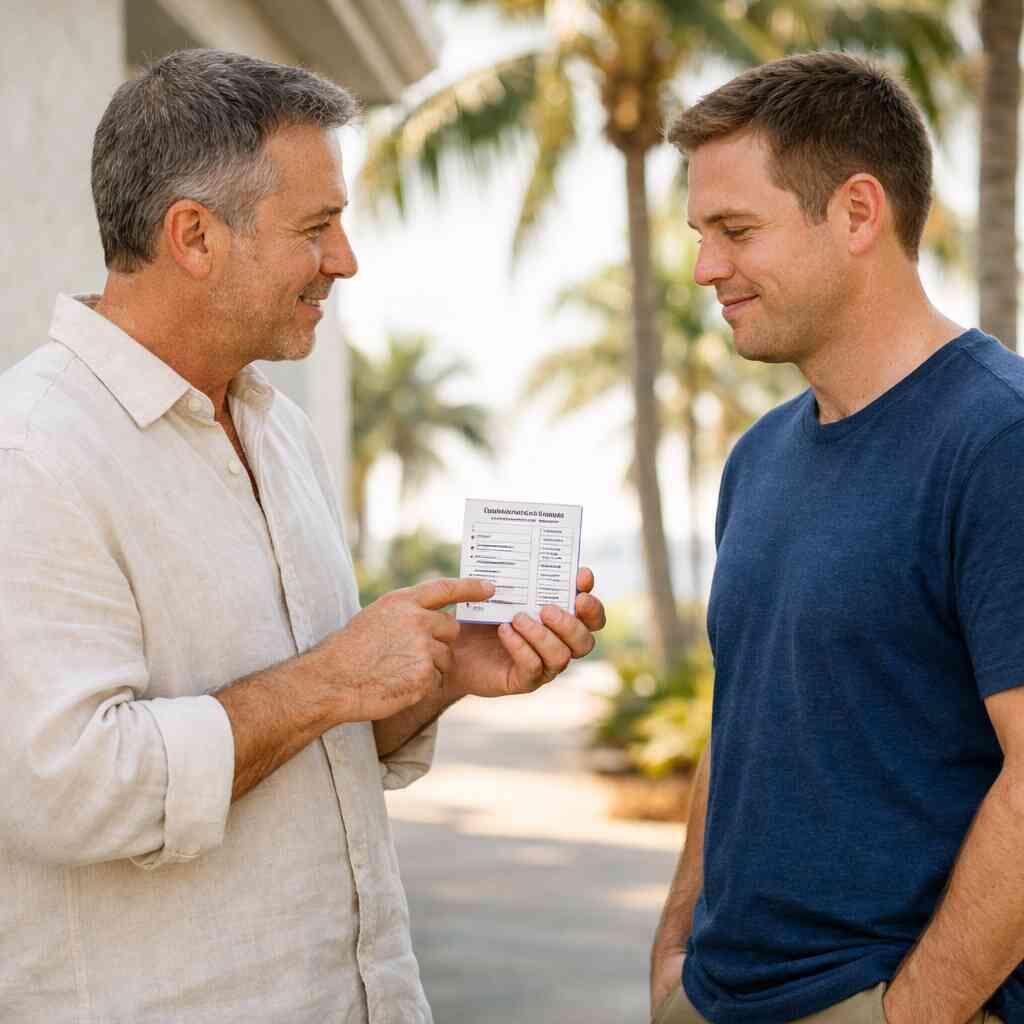
If you are looking at a mental health IOP near Delray Beach, the location matters too. Being near Atlantic Avenue, the coast, and the wider Palm Beach County treatment centers network can make attendance easier. We serve people who want evidence-based treatment without feeling processed. That includes adults from Boca Raton outpatient settings, West Palm Beach mental health referrals, and Broward County rehab pathways. If you want a calmer handoff after detox, or a psychiatric follow-up after residential treatment facility care, our Delray Beach office at 140 NE 4th Avenue Delray Beach FL 33483 can help coordinate next steps. Start with one phone call, and bring your insurance card. You do not have to sort every detail in one sitting.
Frequently Asked Questions
How long does detox last at a Delray Beach rehab?
Detox length depends on the substance, the amount used, and medical stability. Alcohol and benzodiazepine withdrawal may need closer monitoring than mild stimulant withdrawal. Opioid detox can also vary, especially with fentanyl exposure. A clinician should review symptoms, vitals, sleep, and medications before giving a timeline. If you want a clearer answer, ask the center how they handle medical detox process decisions day by day.
Does RECO Intensive take my insurance?
The only accurate answer is: it depends on your plan and benefits. Insurance networks change, and coverage can differ by level of care. The best move is to request verification with your member ID, plan type, and preferred services. You can also ask whether your policy covers outpatient psychiatry, PHP, IOP, or co-occurring disorder treatment. Written verification is better than a quick phone promise.
What is the difference between PHP and IOP?
PHP, or partial hospitalization program, gives more structure and more hours each week. IOP, or intensive outpatient, gives fewer hours and more flexibility for work or family duties. PHP often fits people who still need strong daily support. IOP often fits people who are more stable but still need therapy, skills work, and accountability. The right choice depends on safety, withdrawal risk, and daily function.
Can I bring my phone to treatment?
That depends on the program and level of care. Some settings limit phone use early on to reduce distraction and help people settle in. Others allow scheduled use, especially in outpatient care. Ask about device rules before admission so you can plan for work, family, and child care. Clear rules reduce stress for everyone.
Is family involved in the program?
Many good programs include family therapy, education, or weekend sessions. Family work can help repair trust, improve communication, and reduce conflict at home. It also gives relatives better tools for relapse prevention and support. If family involvement matters to you, ask how often sessions happen and who can attend. The structure should be clear before treatment starts.
What if I need help for depression but not addiction?
That still matters, and it deserves care. Psychiatry can help with depression, anxiety, bipolar disorder, PTSD, OCD, and treatment-resistant symptoms. Some people need medication management, TMS, Spravato, or ketamine treatment alongside therapy. Others need an outpatient psychiatrist and a careful therapy plan. If substance use is present too, dual diagnosis treatment can keep both sides of the problem in view.
“For anyone who knows they are meant for more than simply getting by, this program can help reignite a sense of purpose and passion for life. If personalized attention is what you need to find your path again, you’ll find it here.”– Justin B., a 5 star review from our business on Google Business Reviews