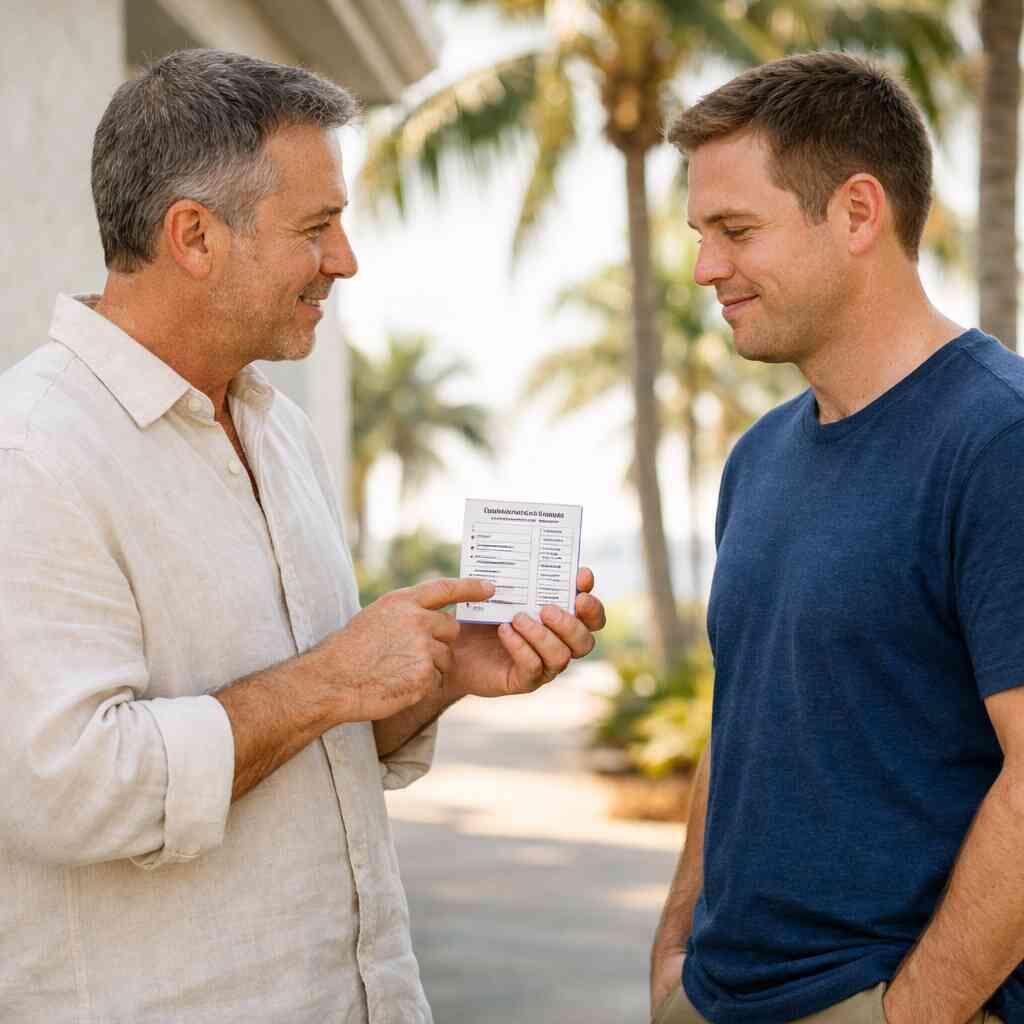
How to Choose a Private Rehab Near Me in Florida 2026
If you are searching at night and worried about withdrawal, money, or judgment, that fear makes sense. This choice feels heavy because it is heavy. The good news is that how to choose a rehab gets clearer when you stop looking at the brochure first and start with your actual needs. When a private rehab […]

If you are searching at night and worried about withdrawal, money, or judgment, that fear makes sense. This choice feels heavy because it is heavy. The good news is that how to choose a rehab gets clearer when you stop looking at the brochure first and start with your actual needs.
When a private rehab near me is really the right move and when it is not
The signs of addiction that mean waiting is costing time and trust
The most common sign is not drama. It is drift. You miss work, hide receipts, lie about use, or feel sick when you try to cut back. That is often when signs of addiction move from a private worry to a real risk. Families in Delray Beach and across South Florida tell us the same thing: trust starts breaking before the crisis looks obvious.
A short, anonymous example: one caller had been “managing” prescription pill addiction for months. Her partner noticed she was sleeping through dinners and answering every question twice. That kind of slow erosion matters. Drug rehab near me becomes less about convenience and more about stopping damage.
Why private rehab in Florida can feel different from larger public systems
Private care can feel calmer because it usually moves with more structure, less crowding, and more direct communication. That does not make it better in every case. It means the setting may fit people who need privacy, flexibility, or coordinated psychiatric care. For some, that matters as much as the treatment itself.
In South Florida, families often compare a private alcoholism treatment center with larger systems and feel overwhelmed. The real difference is often not the label. It is access, pace, and continuity. A strong private program should still use licensed clinicians, evidence-based care, and clear safety planning.
How to tell whether you need medical detox, PHP, or intensive outpatient before you choose a center
This part is genuinely confusing for most people. How long detox lasts depends on the substance, the dose, and your health history. Alcohol, opioids, cocaine, fentanyl, heroin, benzodiazepines, and prescription pills do not all follow the same pattern. If you have shakes, vomiting, a racing pulse, confusion, or seizure risk, South Florida detox may need to come first.
A practical rule helps. If you cannot stay safe without round-the-clock monitoring, look for medical detox or a residential treatment facility. If you need many treatment hours but not overnight care, ask about a partial hospitalization program. If you can live at home safely, intensive outpatient or a mental health IOP may fit better.
What dual diagnosis treatment changes when depression, anxiety, trauma, or bipolar symptoms are part of the picture
This is where many searches go off track. Substance use rarely stands alone. Depression and addiction, anxiety treatment, trauma, ADHD, and bipolar disorder therapy can shape cravings, sleep, and relapse risk. That is why dual diagnosis treatment matters. It treats co-occurring disorders together instead of pretending one problem will vanish after the other.
NIDA and SAMHSA both support integrated care for co-occurring mental health and substance use conditions. In plain terms, the treatment plan should address both. That may include psychiatric evaluation, therapy, and careful medication management after detox in Florida. what is dual diagnosis care in Delray Beach
The filters that separate a strong rehab from a polished brochure
What Joint Commission accreditation, DCF licensure, and licensed clinicians actually tell you
A polished site can look impressive and still miss the basics. Joint Commission accreditation suggests outside review of quality and safety standards. DCF licensed means the program meets Florida oversight requirements for substance use care. Those are not decorative badges. They help you separate marketing from accountable care.
Still, badges alone are not enough. Ask who actually sees you, how often you meet a prescriber, and how crises are handled. A center with licensed clinicians should answer clearly. If the answers are vague, keep looking.
How to read insurance verification, out of network benefits, and self pay options without getting lost
Insurance language can feel like a second diagnosis. Start with one question: what level of care is covered for my symptoms today? Then ask about deductibles, copays, out-of-network benefits, and any limits on PHP or IOP. insurance verification for rehab in South Florida should be simple enough to explain in plain English.
If you are comparing Florida rehabs that take insurance, ask for the exact billing path. Some programs accept Aetna, Cigna, or Blue Cross Blue Shield, while others work mostly with out-of-network plans. Self-pay options may make sense for some families, but you should still get a written estimate. Here is the part most people miss: a clear financial answer often predicts a clear care plan.
What a real intake process should cover before admission day
A real intake process should feel thorough, not rushed. It should ask about substances, mental health history, medications, sleep, trauma, legal stress, work demands, and family support. It should also screen for withdrawal risk and safety concerns. That is especially important for benzodiazepine withdrawal and opioid use.
A good intake also explains what happens next. You should know who calls you, what documents to bring, and how same-day needs are handled. If a center cannot explain the intake process without sounding scripted, that is a warning sign. Real planning reduces panic on day one.
Why evidence-based care should include CBT, DBT, EMDR trauma therapy, medication management, and family therapy when needed
Evidence-based care means the methods have research behind them. Cognitive behavioral therapy helps people spot thought patterns that feed use. Dialectical behavior therapy teaches emotional regulation and distress tolerance. EMDR trauma therapy can help when trauma keeps pulling the nervous system back into crisis. evidence-based treatment with CBT, DBT, and EMDR
On the medication side, some people benefit from medication management after detox in Florida, especially when depression, anxiety, or bipolar symptoms complicate recovery. Family work matters too. family therapy and aftercare planning for long-term recovery can help repair patterns that keep repeating at home. In many cases, treatment works better when the family learns the same coping language.
The green flags in relapse prevention, aftercare planning, sober living resources, and alumni support
Relapse prevention should not be an afterthought. It should start early, with triggers, coping skills, and crisis steps. Ask how the program handles cravings after discharge, and whether it connects people to sober living resources, 12-step alternatives, or SMART Recovery. Strong aftercare planning makes the transition less fragile.
One Google review stood out because it shows what lasting support can mean: “they let me back after i relapsed and i am just so grateful.” – Jake B., 5-star review. That line matters because relapse support should be humane, not punishing. An active alumni program and steady follow-up are green flags, not extras.
What Florida families should compare beyond the front door
How Delray Beach rehab programs differ from South Florida detox, inpatient rehab Palm Beach County, and outpatient program Delray Beach models
Not every program serves the same need. A Delray Beach rehab may offer outpatient psychiatry, group care, or coordinated support. South Florida detox focuses on stabilization. Inpatient rehab Palm Beach County may provide higher structure and overnight supervision. An outpatient program Delray Beach can suit people who still need to work or care for family.
This is where local knowledge helps. Palm Beach County traffic, hurricane season disruptions, and distance from home can affect attendance. If you are balancing work in Boca Raton, care in Fort Lauderdale, and home life in Delray, the wrong level of care becomes hard fast. Ask what the daily logistics actually look like.
When a residential treatment facility makes sense and when a partial hospitalization program or mental health IOP is the better fit
A residential treatment facility makes sense when safety, structure, and separation from triggers are essential. It can help when home use is active or unstable. A partial hospitalization program usually gives more clinical hours without an overnight stay. A mental health IOP in South Florida is often better when you need support but can still manage daily life.
Level of careBest fitTypical advantageResidential treatment facilityHigh risk, unstable home, severe relapseMost structurePartial hospitalization programNeeds daytime intensityStrong support, returns homeIntensive outpatientCan stay safe at homeFlexibility with work or schoolIf you are deciding between them, how to compare PHP and IOP in South Florida gives a useful framework. The right level is the one that matches risk, not the one that sounds strongest.
How medication-assisted treatment with Vivitrol injections or Suboxone maintenance fits into alcohol and opioid care
Medication-assisted treatment can reduce cravings and lower relapse risk for some people. Vivitrol injections may be used in alcohol or opioid recovery when a person is already opioid-free. Suboxone maintenance may help with opioid use disorder, including heroin recovery and fentanyl treatment. These are not shortcuts. They are tools.
Clinical teams should explain why a medication fits, how long it may be used, and what monitoring is required. SAMHSA supports medication-assisted treatment as part of evidence-based opioid care. That does not mean every patient needs it. It means a strong program knows when to consider it.
What to ask about trauma therapy South Florida, PTSD treatment, cocaine detox Florida, fentanyl treatment, and benzodiazepine withdrawal support
Trauma often hides under substance use. If you are asking about trauma therapy South Florida or PTSD treatment, ask whether the program uses EMDR, CBT, or other trauma-focused methods. If cocaine, fentanyl, or pills are involved, ask how withdrawal is monitored. Cocaine detox Florida may need different support than opioid care.
Be specific. Ask about seizure precautions, sleep support, and psychiatric follow-up. Ask whether the team understands benzodiazepine withdrawal and co-occurring anxiety. A calm answer here tells you more than a glossy tour ever will.
How coastal healing environment, group therapy activities, yoga therapy, art therapy, mindfulness meditation, and life skills training shape day-to-day recovery
The setting matters, but it is not magic. A coastal healing environment can lower stress and help people stay engaged, especially near Delray Beach and the Atlantic Avenue corridor. Yet the value comes from what happens inside the structure. Group therapy activities, yoga therapy, art therapy, and mindfulness meditation can strengthen coping if they are tied to a real plan. 
Daily skills matter too. Learning meals, sleep, transportation, and boundaries is part of treatment. Life skills training should feel concrete, not vague. If a program uses the beach as the whole pitch, keep asking questions.
Where family weekend, case management, vocational support, and nutritional counseling fit into long-term recovery
Recovery does not end at discharge. Family weekend can reset communication and reduce shame. Case management helps with referrals, appointments, and step-down planning. Vocational support can help people keep or rebuild work. Nutritional counseling matters because poor eating can worsen mood and cravings.
These services are most useful when they connect. A family meeting without follow-through fades fast. A job plan without coping skills can collapse under stress. Long-term recovery tends to hold when support is practical and steady.
The decision frame that turns a scary search into a clear next move
How to compare RECO Integrated Psychiatry with other Florida rehabs that take insurance without getting distracted by marketing
A smart comparison starts with care quality, not slogans. RECO Integrated Psychiatry focuses on outpatient psychiatry, medication management, and innovative options like TMS, Spravato, and ketamine when clinically appropriate. That matters if your main need is mental health care alongside substance recovery, not just a bed and meals. Florida addiction treatment near Delray Beach can mean very different things, so look closely.
Ask every program the same questions. Do they treat dual diagnosis? Do they coordinate psychiatry and therapy? Do they have a plan for relapse prevention and aftercare support? A good fit should sound specific, not salesy.
Why the RECO Intensive location at 140 NE 4th Avenue Delray Beach FL 33483 matters for South Florida recovery access
Location affects attendance, family visits, and follow-up. The RECO Intensive location at 140 NE 4th Avenue Delray Beach FL 33483 sits in a part of town that is accessible to the wider South Florida corridor. That can help people coming from Palm Beach County, Broward County, or even Miami who need a reliable base. It also helps when you are building a realistic weekly routine.
Delray Beach has a visible recovery community, plus the practical pull of nearby medical and psychiatric care. If you live near Boca Raton outpatient options or West Palm Beach mental health services, that proximity can make step-down care easier. Still, location should support treatment, not replace it. A convenient program that misses your clinical needs is still the wrong program.
How to think about beachside recovery, Delray Beach recovery community, and sober things to do Delray as part of aftercare support
Beachside recovery sounds pleasant, but the real question is whether the environment supports healthy structure. In Delray Beach, that may include the recovery community, local meetings, and sober things to do Delray that do not revolve around nightlife. Walks, coffee, fitness classes, volunteer work, and daytime routines can all support aftercare.
The point is not to romanticize the coast. It is to use the setting wisely. Delray’s rhythm can help people rebuild a life that feels livable, not locked in treatment forever. best aftercare planning steps in Palm Beach County can help you plan that next phase.
The most useful next question to ask about your own needs, including young adult rehab, professional’s program, LGBTQ+ affirmative treatment, veterans addiction help, women’s rehab, and men’s recovery
The best question is simple: what part of my life must this program protect? For some people, that is work. For others, it is privacy, identity safety, parenting, or military stress. Young adult rehab, a professional’s program, LGBTQ+ affirmative treatment, veterans addiction help, women’s rehab, and men’s recovery all address different pressures.
A center should be able to explain how it handles those needs without stereotypes. Ask how groups are assigned, how confidentiality works, and whether trauma, gender, or family roles shape treatment. If the answer sounds generic, keep looking. Recovery gets stronger when the fit is personal.
Why a calm, verified call can clarify the right level of care before you decide on admission
A calm call should leave you clearer, not more confused. Ask about detox needs, insurance, therapy, and the next 72 hours. Ask whether the program can help with insurance verification and referrals, and whether they coordinate with psychiatric care for depression, anxiety, or bipolar symptoms. A thoughtful intake team should answer without pressure.
Here is the safest move today: pick one program, one insurer, and one question set, then make the call. If you want a place that understands both addiction and psychiatry, how to choose a private rehab near me in Florida is a good place to start. You do not have to solve every piece right now. Start with one verified conversation and see if the plan fits.
Frequently Asked Questions
How long does detox last at a Delray Beach rehab?
It depends on the substance, dose, health history, and whether alcohol, opioids, or benzodiazepines are involved. Some withdrawals settle in a few days, while others need longer monitoring. A good program should explain what symptoms to watch for and when higher care is needed. If seizure risk or severe vomiting appears, medical oversight matters.
Does RECO Integrated Psychiatry take my insurance?
The fastest way to know is a verification call with your plan details. Ask about in-network status, out-of-network benefits, deductibles, and authorization needs. how to verify insurance for Florida rehab can help you prepare the right questions. A clear answer should include level of care and estimated coverage.
What is the difference between PHP and IOP?
PHP, or partial hospitalization, gives more hours and more structure during the day. IOP, or intensive outpatient, usually offers fewer treatment hours and more flexibility. PHP often fits people who need stronger support after detox. IOP often fits people who are safer at home and can manage work or family duties.
Can I bring my phone to treatment?
Policies vary by program and level of care. Some centers limit phone use early on so you can focus, while others allow more access. Ask before admission day so there are no surprises. The real goal is to reduce distractions without cutting off healthy support.
Is family involved in the program?
Many strong programs include family therapy, education, or a family weekend. Family work can improve boundaries, reduce blame, and support aftercare. It should be structured, not chaotic. If family contact is difficult, ask how the team handles that safely.
What if I need help for depression but not addiction?
That still matters. Depression, anxiety, trauma, and bipolar symptoms deserve treatment on their own. RECO Integrated Psychiatry focuses on outpatient psychiatric care, which can include medication management, TMS, Spravato, and ketamine when appropriate. If substance use is also present, dual diagnosis care may be the better fit.
What should I ask before I choose a private rehab near me?
Ask about licensure, accreditation, detox needs, therapy types, insurance, aftercare, and psychiatric support. Also ask whether they treat co-occurring disorders and how they handle relapse. A good program will answer plainly. If the answers feel rushed, keep searching until they do not.