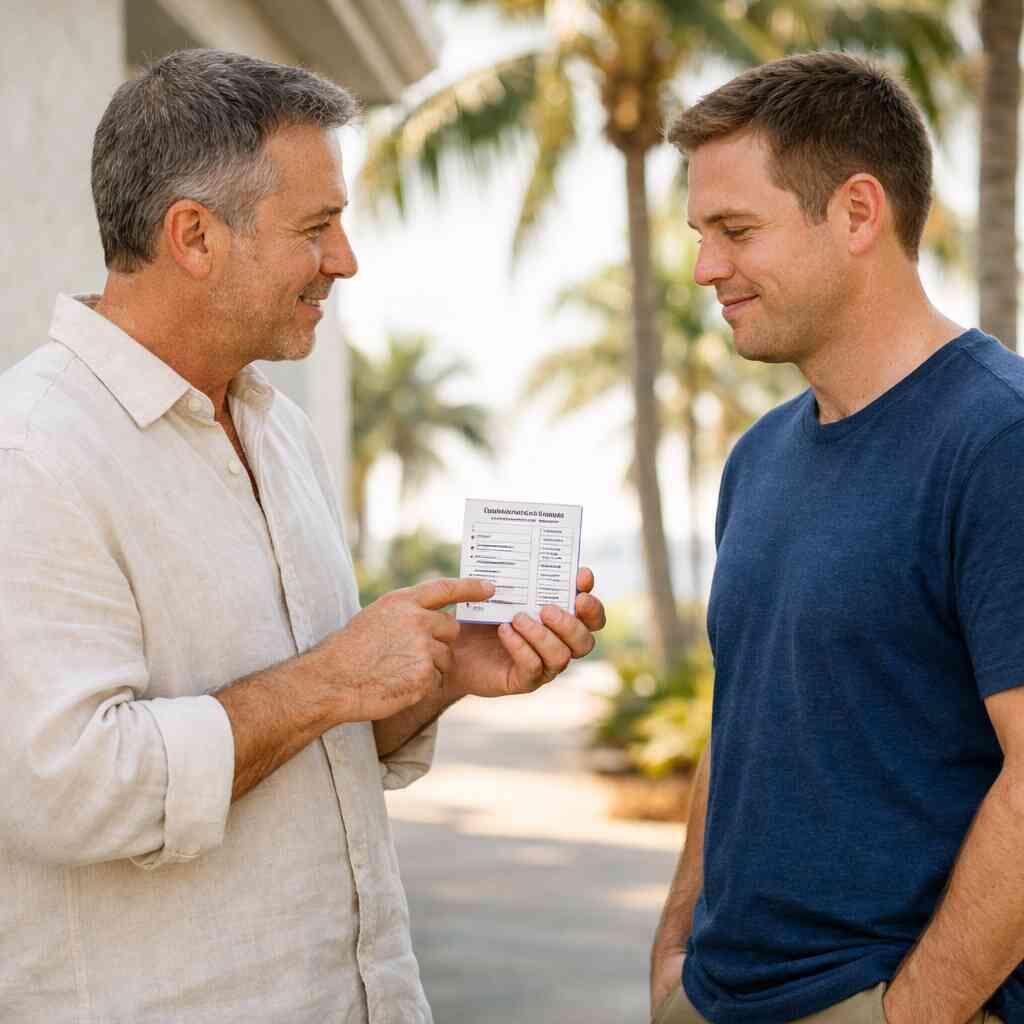
Best 5 Aftercare Planning Steps for Palm Beach County
If you are reading this because discharge feels too final, take a breath. That feeling is common, and it matters. Many people leave treatment with hope in one hand and fear in the other. The gap between structured care and daily life can feel wider than anyone expects, especially after Delray Beach rehab or Florida […]


If you are reading this because discharge feels too final, take a breath. That feeling is common, and it matters. Many people leave treatment with hope in one hand and fear in the other. The gap between structured care and daily life can feel wider than anyone expects, especially after Delray Beach rehab or Florida addiction treatment. At RECO Integrated Psychiatry in Delray Beach, we see that aftercare planning works best when it starts before the final day, not after panic sets in.
A solid plan matters more than willpower when cravings, anxiety, and routine stress collide. That is especially true in Palm Beach County recovery support, where social pressure, work demands, and family tension can all hit at once. We hear this from people moving out of inpatient rehab in Palm Beach County or stepping down from a South Florida detox level of care. The hard part is not knowing what to do next. The harder part is doing it alone.
The hidden gap between inpatient rehab Palm Beach County and real life back home in Delray Beach
Inpatient care provides structure, safety, and constant support. Real life brings traffic, phones, bills, old contacts, and a thousand small stressors. That shift can feel brutal. Even a short drive past Atlantic Avenue, the beach, or a familiar bar can stir up old habits. If home is unstable, the risk rises quickly.
One client from a nearby coastal neighborhood described the first week home as “too quiet.” The silence made cravings louder. We adjusted the plan with more check-ins, a stronger schedule, and a sober living option. That kind of change can feel small, but it often keeps recovery steady. It also shows why aftercare planning is not paperwork. It is protection.
Why a solid plan matters more than willpower when cravings, anxiety, and daily stress collide
Willpower fades when the body is tired and the mind is flooded. That is why dual diagnosis treatment matters so much for depression and addiction, anxiety treatment, or bipolar disorder therapy. When mood symptoms remain active, relapse risk often climbs. The same is true when PTSD treatment is needed but overlooked. A plan that treats only substance use leaves too many gaps.
Evidence-based care provides tools, not guesses. SAMHSA guidance supports stepped care, ongoing monitoring, and recovery supports that match a person’s needs. The NIDA co-occurring disorder model also stresses treating mental health and substance use together. In practice, that may include licensed clinicians, medication management, CBT, DBT, and follow-up visits. In South Florida recovery, that combination usually works better than “just stay strong.”
How the local recovery rhythm around Atlantic Avenue, Boca Raton, and West Palm Beach changes what support needs to look like
Palm Beach County is not a blank map. It has a rhythm. There are busy stretches near Atlantic Avenue, quieter pockets near the coast, and strong recovery networks across Boca Raton and West Palm Beach. That matters because aftercare support should fit the person’s actual environment. A plan that ignores commute time, work hours, or family obligations often fails early.
The question is not only what care you need. It is also where and how you will get it. Some people do best in an outpatient program Delray Beach, while others need more structure first. The right fit may include trauma therapy South Florida, group therapy activities, or sober living resources. Here is the part most families miss: the local recovery rhythm can either support healing or quietly drain it.
-
Lock down the next level of care before the last day of treatment arrives
This is the most important planning move. Do not wait until discharge day to decide what comes next. The best aftercare plans are built while the person still has access to the treatment team. That gives time to compare levels of care, check schedules, and solve insurance issues. It also lowers the chance of a dangerous gap.
For many people, the choice comes down to a partial hospitalization program, intensive outpatient, or standard outpatient follow-up. A partial hospitalization treatment in Delray Beach often fits people who need several hours of support each day. An intensive outpatient treatment near Delray Beach can work well when structure is still needed, but home life is more stable. Standard outpatient may be enough later, especially when coping skills are stronger and cravings are less intense.
How to decide between partial hospitalization program, intensive outpatient, and standard outpatient program Delray Beach
Think about three things: safety, stability, and support. If the home environment is chaotic, PHP may be the better bridge. If the person can sleep safely at home but still needs frequent care, IOP often fits. If daily life is stable and relapse risk is lower, outpatient appointments may be enough. That is why people often ask about how PHP and IOP compare in Delray Beach before discharge.
A simple comparison can help:
Level of careBest fitTypical benefitPHPHigh support need, unstable routineDaily structure and close monitoringIOPModerate support needFlexibility with strong clinical contactOutpatientLower immediate riskOngoing care and maintenanceThis is where a mental health IOP can matter too. It supports people whose main struggle is not only substance use, but also anxiety, OCD, or depression. If the program is truly integrated, the plan can address both problems at once. That lowers the odds of a split approach that misses half the picture.
What changes when dual diagnosis treatment is part of the plan for depression and addiction or PTSD treatment
A person with co-occurring disorders needs more than a substance-only plan. Depression can sap energy. Anxiety can push avoidance. PTSD can create hypervigilance and sleep disruption. If those symptoms are untreated, the recovery plan can crack under pressure. This is where dual diagnosis treatment for co-occurring disorders becomes essential.
RECO’s model pairs psychiatric care with recovery support, which is a strong fit for people who need medication management after treatment. That may include support for ADHD, bipolar disorder, or trauma-related symptoms. Evidence-based care such as CBT and EMDR can also help reduce emotional triggers. The key is coordination. When the psychiatric and recovery plans speak to each other, the person does not have to translate their own care.
Where sober living resources fit when home is not stable enough for early recovery
Sometimes home is the trigger. Sometimes home is simply too noisy, too lonely, or too full of old habits. That is when sober living resources can become a practical bridge. They provide a safer space while the person rebuilds routines, sleep, meals, and accountability. This is especially useful after residential treatment facility care or a step-down from structured programming.
One young adult from the area moved from a high-structure setting into a sober living home near the coast. The biggest change was not the address. It was the absence of constant chaos. Once the person had set meal times, curfews, and group expectations, the first month became manageable. That is the logic behind good aftercare: reduce friction before asking for independence.
-
Build a relapse prevention plan that works in real life, not just on paper
A relapse prevention plan should read like a real day, not a slogan. That means naming triggers, listing responses, and building in support. It should include who to call, where to go, what to avoid, and how to reset after a bad hour. The best plans are specific. Vague plans fail when emotions spike.
In Florida addiction treatment planning, the biggest triggers are often not dramatic. They are ordinary. Loneliness, money stress, insomnia, conflict, and boredom can matter more than big events. That is why relapse prevention planning must be honest. If you leave out the hard parts, the plan will not hold. Here is what almost no online guide mentions: a plan only works if you would actually use it at 9 p.m. on a hard night.
Which triggers matter most in South Florida recovery and how to map them honestly
South Florida recovery often includes social pressure, nightlife, and easy access to old contacts. Seasonal routines, work stress, and family gatherings can also trigger cravings. A good trigger map should separate internal triggers from external triggers. Internal triggers include shame, panic, or boredom. External triggers include people, places, and routines tied to use.
A practical list may include:
- Late-night isolation
- Payday stress
- Family conflict
- Certain neighborhoods or stores
- Unstructured weekends
- Contact from old using friends
If the person has had cocaine detox Florida, opioid rehab Delray, or benzodiazepine withdrawal, the trigger profile may look different. The plan should reflect the actual substance history. It should also reflect whether the person is dealing with fentanyl treatment, heroin recovery, or prescription pill addiction. Precision matters. The more honest the map, the less room relapse has to hide.
How coping skills from cognitive behavioral therapy and dialectical behavior therapy translate into daily routines
CBT and DBT are not just therapy terms. They are skill sets. CBT helps you catch thoughts that push you toward relapse. DBT helps you survive strong feelings without acting on them. In practice, that may mean pausing before texting an old contact, writing down a trigger, or using a distress-tolerance skill before leaving the house.
For people leaving a drug rehab near me search behind them, these tools can be life-changing. A therapist may help with thought records, urge surfing, opposite action, or grounding. Those ideas sound clinical, but they become real when used during a craving. If the person is in a dual diagnosis treatment for co-occurring disorders, these skills often need to be revisited often. Learning new habits takes practice.
Why mindfulness meditation, exercise, sleep, and nutrition belong in the same plan as medication management
Recovery is biological as well as emotional. Poor sleep raises anxiety. Skipped meals can worsen irritability. No movement can deepen depression. That is why holistic recovery belongs beside therapy and medication management. A good plan treats the body as part of the relapse-prevention system. 
Mindfulness meditation can slow impulsive reactions. Exercise can lower stress and improve sleep. Better nutrition can stabilize energy and mood. These are not extras. They are basic supports. For people with anxiety treatment needs or bipolar disorder therapy needs, consistency matters even more. A small morning routine can do more than a perfect promise.
-
Put the right people and services around the patient before the crisis hits
Recovery weakens when it becomes too private. People do better when support is visible and planned. That includes family, clinicians, peers, and practical help. You do not want to wait for a crisis to build that team. By then, everyone is reacting instead of helping. The best aftercare plans use services the person will actually attend. That can include family therapy, group therapy activities for recovery, and ongoing psychiatric follow-up. It may also include case management, life skills training, and vocational support. These supports do not feel glamorous, but they keep life moving. And movement matters. ### When family therapy and family weekend support reduce isolation and improve follow through
Family pressure can make recovery harder, but family support can also make it stronger. When relatives learn about triggers, boundaries, and communication, the whole home can change. Family therapy support for recovery helps reduce blame and confusion. It can also help everyone stop repeating the same painful cycle.
A recent family session in Delray Beach focused on one simple issue: late-night conflict after work. The solution was not dramatic. The family agreed on a different call time, fewer accusations, and a backup support person. That small shift reduced tension for weeks. If the program offers a family weekend, that can deepen the work. It gives relatives a chance to hear the plan, not just react to the crisis.
How case management, life skills training, and vocational support keep momentum after structured care
Some people leave treatment and immediately face bills, job pressure, or missed obligations. That is a lot. Case management helps organize the mess. It can support appointments, referrals, paperwork, and practical next steps. Life skills training can cover time management, budgeting, meal planning, and daily structure.
Vocational support matters too. A person returning to work may need a gradual plan, not a leap. That is especially true for young adult rehab, veterans addiction help, and LGBTQ+ affirmative treatment, where identity, stress, and community can affect recovery differently. The point is not to create a perfect life. The point is to make the next week manageable.
Why alumni program support, recovery coaching, and group therapy activities can steady the weeks that feel hardest
The weeks after discharge often feel thin. The novelty fades. Anxiety returns. That is where alumni program support and recovery coaching can help. They add contact, structure, and accountability without the intensity of inpatient care. For many people, that softer support is exactly what keeps them engaged.
RECO’s continuing care model aligns with best-practice thinking in long-term recovery support in South Florida. Regular contact, peer support, and therapy check-ins can make the difference between drifting and staying connected. If you are comparing options, look for a program that supports Delray Beach recovery and support resources and keeps follow-up simple. Recovery gets harder when people have to invent the system themselves.
-
Match medical care to the diagnosis so the plan does not break under pressure
Medical care should fit the person, not the other way around. That is especially true when substance use and psychiatric symptoms overlap. A plan that ignores the diagnosis may collapse when withdrawal, cravings, or mood instability return. Matching care to the need makes the whole plan sturdier. It also keeps relapse prevention realistic.
At RECO Integrated Psychiatry, that often means pairing licensed clinicians with psychiatric follow-up and evidence-based treatment. Some patients need support for opioid use disorder or alcohol use disorder. Others need medication review for depression, anxiety, or bipolar disorder. The right medical plan is not about using more treatment. It is about using the right treatment.
How medication assisted treatment with Suboxone maintenance or Vivitrol injections may fit opioid and alcohol recovery
Medication-assisted treatment can play a major role in recovery. Suboxone maintenance may help some people with opioid use disorder reduce cravings and stay stable. Vivitrol injections may fit certain people with alcohol use disorder or opioid recovery plans after careful evaluation. These are not universal answers. They work best when matched to the diagnosis, history, and goals.
The evidence base for FDA-approved medications is strong, but the choice must be individualized. A person in heroin recovery may need different support than someone leaving prescription pill addiction behind. If the person is also asking about alcoholism treatment center options, the psychiatric and medical teams should coordinate closely. The plan should protect stability, not create confusion.
When trauma therapy South Florida options like EMDR trauma therapy or CBT matter for co occurring disorders
Trauma often sits under the surface of substance use. People may drink, use, or isolate to quiet old pain. That is why trauma therapy South Florida services matter so much. EMDR trauma therapy can help some people process traumatic memories. CBT can help others challenge the thoughts that keep pain active. The right fit depends on the person and the symptoms.
A patient with PTSD and anxiety may need a slower pace. Another may need trauma work only after basic stability returns. That sequencing matters. Pushing trauma work too soon can backfire. Good care respects timing. It also keeps depression and addiction treatment connected instead of separate.
How insurance verification, private rehab benefits, and self pay options affect the actual plan in Palm Beach County
Care is only useful if it is accessible. That is why insurance verification for Florida rehab should happen early. Aetna, Cigna, Blue Cross Blue Shield, and other plans may offer different levels of coverage. Out-of-network benefits can also matter. The best time to confirm that is before discharge pressure rises.
A patient may have excellent clinical needs but still need a practical financial plan. That might include self-pay options, a different level of care, or a staggered schedule. If you are comparing a private rehab path with public resources, ask direct questions. Good treatment teams answer clearly. That is part of trustworthy care.
-
Keep care moving after discharge so progress does not go quiet
Aftercare is not a single appointment. It is a chain. The chain works when every link is clear: clinical follow-up, peer support, family communication, and practical accountability. If one link weakens, the rest need reinforcement. This is how long-term recovery holds.
The most durable plans include relapse response steps before a crisis starts. They also include names, phone numbers, meeting times, and therapy dates that fit real life. People often do best when the plan is simple enough to use under stress. That is true whether they are in beachside recovery housing, back in a condo near the Intracoastal, or commuting across Palm Beach County.
Best 5 aftercare planning steps for Palm Beach County
- Choose the next level of care before discharge.
- Build a relapse prevention plan with real triggers.
- Add family, peer, and practical support early.
- Match medication and therapy to the diagnosis.
- Review insurance, schedule, and follow-up before leaving treatment.
Those five steps sound basic. They are not easy. They require honesty, timing, and repetition. They also work best when the person stays connected to a treatment team that knows both recovery and psychiatry. If you are looking for outpatient and recovery planning in Delray Beach, that is where a coordinated model can help.
The next move is simple. Write down the top three risks for the first two weeks after discharge, then bring them to your clinician or care coordinator today. You do not need to solve everything at once. Start with one phone call, one calendar entry, and one clear follow-up plan.
“i’ve been to reco a few times and it’s been hard getting sober. this last time i was here, they let me back after i relapsed and i am just so grateful, i am now 5 months sober and this has been the best 5 months of my life in a LONG TIME. i hv an amazing job, im at peace, i love myself, i mediate, im talking to my family again, im playing basketball again. and the person who has had the most impact on me at reco is BROCK. he has been there for me the whole way with anything i need. he’s helped me get a sponsor, brock is one of the few ppl who actually care about u and just wants u to do good. he shows up to work every day trying to help people and make them a better version . he’s a huge inspiration for me wanting to stay clean.”- Jake B., a 5 star review from our business on Google Business Reviews
Frequently Asked Questions
Question: What are the most important aftercare planning steps after Delray Beach rehab or Florida addiction treatment?
Answer: The most important step is to choose the next level of care before discharge, rather than waiting until the final day. At RECO Integrated Psychiatry in Delray Beach, we encourage a structured aftercare plan that includes a clear transition to an outpatient program Delray Beach, intensive outpatient, or partial hospitalization program when appropriate. A strong plan also includes relapse prevention, family therapy, group therapy activities, case management, and follow-up for any mental health IOP needs. For people with co-occurring disorders, aftercare works best when substance use and psychiatric care are addressed together with licensed clinicians using evidence-based treatment. That may include medication management, cognitive behavioral therapy, dialectical behavior therapy, and trauma therapy South Florida support when needed.
Question: How does RECO Integrated Psychiatry help people decide between PHP, IOP, and outpatient care in the Best 5 Aftercare Planning Steps for Palm Beach County?
Answer: We help patients match care intensity to their current safety, stability, and support at home. A partial hospitalization program can be a better bridge for people who still need daily structure after inpatient rehab Palm Beach County or a residential treatment facility. Intensive outpatient can work well when the person is stable enough to sleep at home but still needs frequent clinical contact. Standard outpatient care may be appropriate later for long-term recovery and maintenance. Because RECO is an integrated psychiatric practice, we can also evaluate depression and addiction, anxiety treatment, bipolar disorder therapy, OCD, ADHD, and other psychiatric concerns that may affect the step-down decision. When needed, we coordinate with Florida addiction treatment planning so the aftercare plan is realistic, safe, and sustainable.
Question: Can RECO Integrated Psychiatry support dual diagnosis treatment for co-occurring disorders like PTSD treatment, anxiety, or depression and addiction?
Answer: Yes. Our outpatient psychiatry team is built for dual diagnosis treatment, which means we look at substance use and mental health together instead of separately. That approach is especially important when someone is dealing with co-occurring disorders such as PTSD treatment needs, anxiety treatment, bipolar disorder therapy, or depression and addiction. We use evidence-based treatment with licensed clinicians and may recommend medication management, CBT, DBT, EMDR trauma therapy, and other clinically appropriate support. For some patients, medication-assisted treatment such as Suboxone maintenance or Vivitrol injections may also be part of the plan, depending on diagnosis and medical suitability. This integrated model can be especially helpful for people searching for drug rehab near me, opioid rehab Delray, fentanyl treatment, heroin recovery, cocaine detox Florida, or prescription pill addiction support.
Question: What kinds of support beyond therapy do you recommend for relapse prevention and long-term recovery in Palm Beach County recovery support?
Answer: We often recommend practical supports that make daily life easier to manage after treatment. That may include sober living resources, case management, life skills training, vocational support, nutritional counseling, and family weekend or family therapy when appropriate. We also encourage coping skills work through cognitive behavioral therapy and dialectical behavior therapy, along with holistic recovery supports like mindfulness meditation, yoga therapy, or art therapy when those fit the patient’s goals. Many people also benefit from 12-step alternatives such as SMART Recovery, especially if they want a recovery model that feels more flexible. For some, an alumni program or recovery coaching can provide the extra accountability needed during the first weeks after discharge. These supports matter in South Florida recovery because everyday stress, commute demands, and social pressure can quickly interfere with progress.
Question: How can insurance verification and location details help families choosing a private rehab or outpatient program Delray Beach?
Answer: Insurance verification is a key part of aftercare planning because the best clinical plan is only useful if it is actually accessible. We help patients and families review options with carriers such as Aetna, Cigna, and Blue Cross Blue Shield, and we can discuss out-of-network benefits and self-pay options when needed. That makes it easier to compare Florida rehabs that take insurance and choose the right next step without unnecessary delay. RECO Integrated Psychiatry is located at 140 NE 4th Avenue Delray Beach FL 33483, and we also offer Telepsychiatry options for Florida residents. For many people, being close to Delray Beach recovery community resources, Palm Beach County treatment centers, and nearby support in Boca Raton outpatient, West Palm Beach mental health, Broward County rehab, or Miami addiction help can make follow-through much easier. If you are asking how to choose a rehab or what the intake process should look like, our team can help you navigate the options with clarity and compassion.