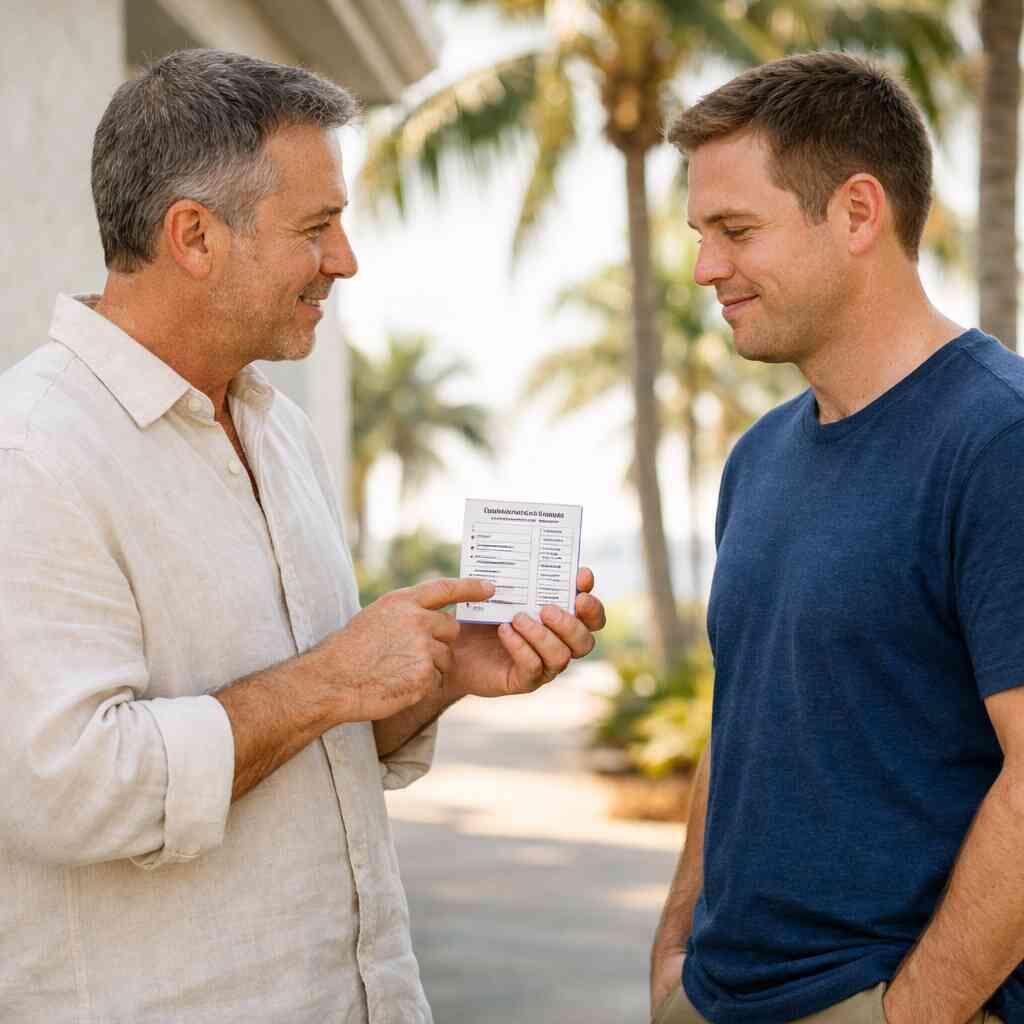
Top 10 Group Therapy Activities for Delray Beach Recovery
The icebreaker that gets even the quietest Delray Beach group talking If you walk into group therapy with a tight chest and a guarded face, that is normal. The first few minutes often feel harder than the hour itself. A good icebreaker lowers that pressure quickly. It gives you something safe to say before deeper […]
-
The icebreaker that gets even the quietest Delray Beach group talking
If you walk into group therapy with a tight chest and a guarded face, that is normal. The first few minutes often feel harder than the hour itself. A good icebreaker lowers that pressure quickly. It gives you something safe to say before deeper work begins.
Why a structured round of names and check-ins lowers panic before the real work starts
A structured round works because it removes guesswork. You know what is coming, and your nervous system can settle. In a Delray Beach rehab setting, that matters because many people arrive already flooded by fear, shame, or plain exhaustion. A simple name, mood, and goal check-in can turn silence into contact. It also helps licensed clinicians spot who needs extra support right away.
How to shape prompts around cravings, sleep, mood, and sober living resources without making anyone overshare
The best prompts stay specific and brief. A facilitator may ask about cravings, sleep, mood, or sober living resources, but should never demand details. That balance protects privacy while still giving the room useful information. In an outpatient program in Delray Beach for dual diagnosis care, this format can reveal whether depression and addiction are feeding each other. It can also show when someone needs case management, not just encouragement.
What a skilled facilitator notices in body language, silence, and tone during the first few minutes
The real work starts before anyone speaks. A skilled group leader notices crossed arms, shallow breathing, and eyes that never lift from the floor. Silence can mean safety, but it can also mean fear. Tone matters too, because flat speech sometimes hides panic. Here is the part most people miss: the room often tells the truth before the words do. On busy days near Atlantic Avenue, that early read can shape the whole session.
How this activity supports outpatient program Delray Beach and mental health IOP patients with dual diagnosis treatment
Icebreakers help people in mental health IOP in Delray Beach for co-occurring disorders start with less friction. That matters when anxiety treatment, bipolar disorder therapy, or depression and addiction are all in play. A simple check-in can also support dual diagnosis treatment by showing which symptoms need attention first. For patients in an outpatient program Delray Beach setting, that early structure keeps group therapy activities focused and calm. It is a small tool, but it sets the tone for evidence-based treatment.
-
Why gratitude journaling works better than open-ended venting
Gratitude journaling sounds soft at first. In practice, it can be one of the most stabilizing group therapy activities. Open-ended venting can spiral quickly when people are raw. Short writing prompts give the mind a rail to hold.
How short written prompts help people with depression and addiction organize scattered thoughts
Depression and addiction often scramble attention. A prompt like “What helped you stay steady yesterday?” narrows the field. That small frame keeps people from sinking into every problem at once. It also helps with shame resilience, because the page does not argue back. For many clients, that is a relief.
When gratitude becomes real rather than forced and how facilitators keep it grounded
Forced gratitude feels fake. Real gratitude usually sounds plain. It may be about a hot shower, one honest text, or making it through a hard call. A facilitator keeps the exercise grounded by asking for facts, not performance. Realism matters more than polished language. If gratitude is tied to safety, sleep, or one clean boundary, it usually lands.
Ways to adapt the exercise for PTSD treatment, anxiety treatment, and bipolar disorder therapy
This exercise needs flexibility. People with PTSD treatment needs may start with safety, not gratitude. Clients in anxiety treatment may write about what lowered their body tension. In bipolar disorder therapy, the prompt should stay stable and brief, especially when energy or sleep shifts. Mindfulness-based support for stress management in recovery can pair well here, because it keeps the person present without forcing false positivity. That pairing often works well in South Florida recovery community settings.
How this activity supports relapse prevention, shame resilience, and aftercare planning
Gratitude journaling supports relapse prevention because it trains attention. It also gives people a record of what helps, which becomes useful during aftercare planning. When someone can name small wins, shame loses some of its power. That matters in Florida addiction treatment, where stress and isolation can trigger old habits quickly. One client in a Palm Beach County IOP group once wrote only three words: “Went to bed.” That tiny entry became a useful marker of progress.
-
The boundary-setting circle that exposes hidden triggers before relapse does
Boundaries are not just rules. They are the shape of safety in recovery. Many people know what they should say. Fewer can say it under pressure. That is why role play belongs in group work.
How role play reveals weak spots in communication skills practice and boundaries in recovery
Role play shows where words break down. You may hear someone agree too fast, apologize too much, or avoid asking for help. Those are not moral failures. They are skills gaps. In communication skills practice, the circle lets people rehearse hard moments before real life demands a response. It can also reveal triggers tied to family conflict, money stress, or old drinking friends.
Why this activity matters for family systems healing, family therapy, and co-occurring disorders
Family systems healing often starts with learning new lines. People in family therapy may have spent years using silence, anger, or rescue patterns. Boundary work helps shift those habits. It matters even more in co-occurring disorders, where emotional overload can lead to use. If you want a deeper look at this model, our family therapy for healing relationships in recovery approach is built around clarity, safety, and repair. That kind of work supports healthier contact at home.
How to keep the exercise safe for people with trauma therapy South Florida needs and avoid re-traumatization
Trauma-informed group work needs pacing. No one should be pushed to replay a scene that floods them. Facilitators should offer scripts, opt-outs, and time limits. For people seeking trauma therapy in South Florida for PTSD and recovery, the goal is skill building, not forced disclosure. That keeps the room safer for everyone. It also supports trust, which many people in early recovery have not had in a long time.
What recovery teams look for when a person struggles to say no, ask for help, or name a trigger
Those struggles tell a story. A person who cannot say no may be afraid of conflict. Someone who cannot ask for help may fear being seen as weak. If they cannot name a trigger, relapse risk rises. Teams watch for those patterns because they guide the next intervention. In Delray Beach recovery, that insight can shape group therapy activities, one-on-one psychiatry, and aftercare planning all at once.
-
When a feelings wheel becomes more than an art project
A feelings wheel looks simple. It is not simple in practice. For many people, the hardest part of recovery is not behavior. It is naming what is happening inside. That is where emotional labeling helps.
How emotional labeling supports dialectical behavior therapy and cognitive behavioral therapy skills
Emotional labeling is a core skill in dialectical behavior therapy skills for relapse prevention and cognitive behavioral therapy for coping skills and triggers. CBT helps link thoughts, feelings, and actions. DBT helps people regulate emotions and tolerate distress. A feelings wheel gives both models a concrete starting point. It turns “I feel bad” into something more precise, like hurt, embarrassed, lonely, or agitated.
Why people in early sobriety often confuse anger, fear, shame, and grief
Early sobriety can blur emotions. Anger often covers fear. Shame often hides grief. Sometimes hunger, fatigue, and anxiety all feel the same. That confusion is common in Delray Beach rehab groups, especially when sleep is poor and stress is high. Once people can separate the feeling from the urge, the craving often loses some force.
How to use the exercise with young adult rehab groups, LGBTQ+ affirmative treatment, and veterans addiction help
This tool adapts well. Young adult rehab groups often respond to visual tools and quick check-ins. LGBTQ+ affirmative treatment may need language that honors identity stress and belonging. Veterans addiction help may involve emotions tied to hypervigilance, grief, or moral injury. The point is not to force a label. It is to give the person a safer way to enter the conversation. In a beachside recovery environment, that can feel surprisingly grounding.
What changes when someone can name a feeling before it turns into a craving or conflict
Everything slows down. The body still feels the signal, but the person has a little space. That space can stop a text, a fight, or a drink order. It can also support bipolar disorder therapy by making mood shifts easier to track. When feelings become clearer, coping gets more practical. That is the bridge between insight and action.
-
The coping-skills toolbox that turns group time into real-life practice
Talk is useful. Practice is better. A coping-skills toolbox turns group therapy into rehearsal for real life, not just discussion. That matters in Florida addiction treatment, where weekends, heat, boredom, and social pressure can all raise risk.
Which coping cards, grounding tools, and trigger plans help with cocaine recovery, opioid recovery support, and alcohol recovery support
Simple tools often work best. Coping cards, paced breathing, cold water, and a five-minute walk can all help. So can a written trigger plan that names people, places, and thoughts to avoid. These tools support cocaine recovery, opioid recovery support, and alcohol recovery support without relying on willpower alone. A strong group will practice them out loud, not just hand them out. That makes the plan easier to use later.
How to build practical plans for benzodiazepine withdrawal support, fentanyl treatment, and prescription pill addiction
These cases need care and precision. Benzodiazepine withdrawal support can involve medical monitoring and a slow taper. Fentanyl treatment and prescription pill addiction may also require close coordination with psychiatry and nursing. If medication-assisted treatment fits, our medical detox process and ongoing support can help stabilize the person before group work deepens. That is not a shortcut. It is responsible care.
Why the best groups rehearse skills for nights, weekends, and high-risk times in Delray Beach recovery
Risk does not wait for office hours. Cravings often rise at night, on weekends, or after a hard call. Good groups rehearse those moments in advance. They may ask, “What will you do at 8 p.m. if the urge spikes?” That question sounds plain, but it is powerful. Near Delray Beach, where social scenes can be active, that planning matters even more.
How to connect the exercise to medication-assisted treatment such as Suboxone maintenance or Vivitrol injections when appropriate
Some coping plans include medication. Psychiatric medication management for mood and anxiety disorders can support stability alongside therapy, and FDA-approved options like Suboxone maintenance or Vivitrol injections may be part of care when clinically appropriate. These tools do not replace skills. They support them. Research and national guidance from SAMHSA and NIDA both support combining psychosocial treatment with medication when indicated. That combined model is often the most realistic path for long-term recovery.
-
Why mindfulness meditation feels simple but often changes the whole room
Mindfulness is easy to describe and hard to do. People expect calm. What they often get first is noise. That is normal. The practice works because it teaches the nervous system to pause before reacting. ### How breath work and body scans help calm a stressed nervous system in addiction treatment 
Breath work slows the body. A body scan helps people notice tension, numbness, or pain without judging it. In addiction treatment, that pause can interrupt autopilot. It can also help the room settle after a difficult topic. People often feel safer when they realize they can notice discomfort without acting on it. That is a real skill, not a trend.
When mindfulness works best for anxiety treatment, insomnia, and trauma-related symptoms
Mindfulness can help anxiety treatment by lowering reactivity. It can also support insomnia when racing thoughts keep people awake. For trauma-related symptoms, it works best when the practice stays brief and choice-based. If you need a structured path, mindfulness-based support for stress management in recovery is often paired with other evidence-based treatment. The key is pacing. Too much too fast can backfire.
How a coastal setting near Delray Beach can support quiet, grounded practice without turning it into a wellness cliché
The coastal setting helps, but it should never become a cliché. Quiet rooms, natural light, and the rhythm of a South Florida afternoon can make mindfulness feel more reachable. Even a short practice can feel different after a noisy commute on Federal Highway or a hectic morning near Atlantic Avenue. Here is what almost no online guide mentions: environment matters less than consistency, but it still matters. A calm room gives a tired brain one less fight.
What clinicians watch for when mindfulness brings up discomfort instead of calm
Discomfort is not failure. It can mean the person is finally noticing what they have been carrying. Clinicians watch for panic, dissociation, or rising agitation. If that happens, they slow the practice and ground the person in the room. That response protects trust. It also keeps mindfulness trauma-informed instead of performative.
-
The art therapy prompt that reveals what words cannot
Some people can explain their pain. Others need color, shape, and space. Art therapy gives both groups a way in. It is especially useful when words feel too blunt or too risky.
How drawing, collage, and color work help people process grief, shame, and trauma therapy South Florida clients may carry
Drawing and collage can hold feelings that are hard to speak. Grief may show up as torn paper. Shame may appear in dark corners or repeated lines. Trauma therapy South Florida clients often carry body memories that do not translate well into speech. Art gives those memories another route. It also lets the person keep some distance, which can make the process safer.
Why art-based groups often help people who shut down in talk-only settings
Talk-only groups can feel exposed. Art gives people a task. That task lowers pressure and creates focus. Someone who says very little may still create a picture full of meaning. In a partial hospitalization program or intensive outpatient setting, that can be the bridge that gets them to speak. It is not about talent. It is about expression.
How to adapt the exercise for partial hospitalization program and intensive outpatient levels of care
PHP groups may allow more time, more process, and more discussion. IOP often needs a tighter frame. Both can use the same prompt, but the depth will differ. A facilitator might ask for one color that represents stress and one that represents hope. That keeps the task simple while still meaningful. The structure matters just as much as the art.
What the finished work can show about hope, protective patterns, and recovery goals without becoming a clinical test
The artwork is not a test. It can still reveal useful themes. A lot of empty space may point to isolation. Repeated borders may suggest protection. Bright areas may show hope or a future goal. Skilled clinicians read these clues gently, never as a verdict. That approach protects dignity and keeps the focus on recovery.
-
The movement-based group that helps bodies relearn safety
Recovery is not only mental. It lives in the body too. Tight shoulders, shallow breathing, and frozen posture can all reflect stress that words have not yet touched. Gentle movement helps the body relearn safety.
Why yoga therapy and gentle stretching can support people with chronic pain, PTSD treatment, and stress-related tension
Yoga therapy and stretching can reduce tension without demanding athletic performance. That matters for people with chronic pain or PTSD treatment needs. Movement can show the body that it does not have to brace all day. Slow poses, supported stretches, and guided breathing may also help with stress-related headaches and back pain. The goal is not flexibility. The goal is regulation.
How movement groups differ from exercise and why pacing matters in a rehab setting
Exercise pushes output. Movement groups often focus on awareness. Pacing matters because some people are deconditioned, injured, or medically fragile. A good facilitator gives choices, not commands. That helps people stay engaged without feeling judged. In a rehab setting, that flexibility can make the difference between participation and shutdown.
What makes this useful for residential treatment facility transitions, PHP, and outpatient program Delray Beach care
Movement groups help bridge levels of care. A person moving out of a residential treatment facility may still need body-based support. The same is true for PHP and outpatient program Delray Beach care. These groups offer a repeatable tool they can carry home. That continuity matters during step-down care. It keeps regulation skills from dropping away when the schedule loosens.
How to keep movement trauma-informed, inclusive, and realistic for different fitness levels
Trauma-informed movement avoids touch unless invited. It also offers seated options, rest breaks, and clear exits. That inclusivity matters for people of different ages, body types, and energy levels. No one should feel shamed for taking a smaller version. In fact, that choice often builds trust. Recovery gets stronger when the room makes room for difference.
-
The problem-solving huddle that makes aftercare feel less vague
Aftercare should not feel like a mystery. The best plans are practical, specific, and visible. A problem-solving huddle helps people map what happens after discharge. That can calm a lot of fear.
How case management, vocational support, and life skills training fit into group therapy activities
Case management turns ideas into steps. Vocational support can address resumes, work schedules, or job gaps. Life skills training may cover budgeting, meals, medication reminders, and appointment tracking. These are not side topics. They are relapse prevention tools. If daily life falls apart, recovery gets harder to protect.
Why planning for work, school, transportation, and sober living resources reduces relapse risk
Stress grows quickly when logistics are loose. Work and school can trigger overload if schedules are unclear. Transportation problems can knock someone out of treatment before they mean to quit. Sober living resources can give structure during a fragile stretch. Aftercare planning and sober living resources in South Florida should be discussed early, not at the last minute. That is how you reduce surprises.
How family therapy and alumni support extend the gains made in the room
Family therapy can help loved ones support the plan without micromanaging it. Alumni support adds peer contact after treatment intensity drops. Together, they extend the work done in group. A strong family therapy for healing relationships in recovery process can lower conflict at home. Alumni support can also remind people what steady progress looks like outside the building.
What a strong aftercare plan includes for South Florida recovery community needs after discharge
A strong plan names the next appointment, the support group, the medication plan, and the emergency contact. It also names what happens on hard days. In the South Florida recovery community, that may include local meetings, therapy follow-up, or sober housing. It should be realistic, not idealized. If the plan only works on perfect days, it is not a plan.
-
The commitment ritual that turns one good group into long-term recovery
A good group session should end with motion, not fog. The goal is not to leave inspired for an hour. The goal is to leave with one clear next step. That is where commitment rituals help.
How values clarification and recovery goal setting help people leave with a clear next move
Values clarification asks what matters most right now. Safety, family, work, health, honesty, and freedom often rise to the top. Recovery goal setting then turns those values into action. The goal should be small enough to do, but meaningful enough to matter. That makes follow-through more likely.
Why peer support, SMART Recovery, and 12-step alternatives can work together instead of competing
Peer support is strongest when it is not rigid. Some people connect with SMART Recovery. Others prefer 12-step alternatives or traditional meetings. Many use more than one. That is fine. The common thread is accountability and contact. Recovery gets stronger when support matches the person, not the other way around.
How to match the right level of care to the next phase whether that is PHP, IOP, or continued psychiatry
Level of care matters. Some people need PHP for structure. Others do better in IOP with a job or school schedule. Some need continued psychiatry for mood, anxiety, ADHD, or complex psychiatric conditions. If you are sorting out dual diagnosis treatment and integrated care in Delray Beach, the right level depends on symptoms, support, and safety. Matching care well can prevent a rough step-down.
What to ask a Delray Beach rehab team about insurance verification, outpatient program Delray Beach options, and ongoing support before the week is over
Ask direct questions. What does the intake process look like? Which groups are offered? How does insurance verification work? Do they offer an insurance verification for Florida rehab and outpatient care review before admission? A trusted Delray Beach rehab team should answer clearly and respectfully. You do not have to figure this out alone, and you do not have to figure it all out today. Start with one call, one question, and one honest conversation.
Frequently Asked Questions
Question: How does RECO Integrated Psychiatry use group therapy activities in Delray Beach recovery to support dual diagnosis treatment and co-occurring disorders?
Answer: RECO Integrated Psychiatry uses group therapy activities as a structured, clinically guided part of evidence-based treatment for adults navigating Delray Beach recovery. In an outpatient program Delray Beach setting or mental health IOP, activities like check-ins, emotional regulation exercises, gratitude journaling, values clarification, and coping skills practice can help patients connect what they feel with what they need next. This is especially helpful for dual diagnosis treatment and co-occurring disorders, where depression and addiction, anxiety treatment, bipolar disorder therapy, PTSD treatment, and trauma-related symptoms may all affect recovery at the same time. Our licensed clinicians focus on safety, pacing, and practical skill-building so group does more than create connection: it supports relapse prevention, communication skills practice, shame resilience, and aftercare planning.
Question: What makes the Top 10 Group Therapy Activities for Delray Beach Recovery especially effective in an outpatient program Delray Beach or mental health IOP?
Answer: The Top 10 Group Therapy Activities for Delray Beach Recovery are effective because they are not just conversation starters; they are recovery tools that help people practice real-world skills in a calm, structured environment. At RECO Integrated Psychiatry, activities like mindfulness meditation, art therapy, yoga therapy, boundary-setting, and problem-solving huddles can be used to support coping skills, triggers and cravings management, and recovery goal setting. In an outpatient program Delray Beach or mental health IOP, this approach gives people enough structure to stay grounded while still living at home and managing work, school, or family responsibilities. It also helps patients who are stepping down from a residential treatment facility, partial hospitalization program, or higher level of care maintain momentum. For people dealing with depression and addiction, prescription pill addiction, opioid recovery support, alcohol recovery support, or cocaine recovery, these activities can make treatment feel more usable in daily life.
Question: Does RECO Integrated Psychiatry offer support for medication-assisted treatment, Suboxone maintenance, Vivitrol injections, and psychiatric medication management alongside group therapy activities?
Answer: Yes. RECO Integrated Psychiatry is built to support integrated psychiatric care alongside recovery-focused services when clinically appropriate. For patients with opioid recovery support needs, heroin recovery concerns, fentanyl treatment histories, or alcohol recovery support needs, medication-assisted treatment may be part of a broader plan that can include Suboxone maintenance, Vivitrol injections, and ongoing psychiatric medication management. We also support patients with bipolar disorder therapy, anxiety treatment, ADHD, OCD, treatment-resistant depression, and other complex psychiatric conditions. Group therapy activities can reinforce what medication is helping stabilize by teaching coping skills, emotional regulation exercises, and relapse prevention strategies. When appropriate, our team can coordinate care with detox and stabilization resources, including South Florida detox pathways, so patients are not trying to do everything at once without support.
Question: How do trauma therapy South Florida, PTSD treatment, family therapy, and boundaries in recovery fit into the group work at RECO Integrated Psychiatry?
Answer: Trauma therapy South Florida needs are often deeply connected to addiction, and group work can help patients build safety without forcing disclosure. At RECO Integrated Psychiatry, boundaries in recovery, communication skills practice, and emotional regulation exercises are introduced carefully so patients can participate without feeling overwhelmed or re-traumatized. This matters for PTSD treatment, trauma-related symptoms, family systems healing, and co-occurring disorders, where conflict at home or unresolved grief can increase relapse risk. Family therapy can also support healing by helping loved ones understand aftercare planning, sober living resources, and healthier ways to respond to triggers and cravings. When group therapy is paired with family education, alumni support, and individualized psychiatry, patients often have a stronger bridge between treatment and long-term recovery.
Question: What should someone in Delray Beach rehab ask about intake process, insurance verification, and aftercare planning before starting group therapy at RECO Integrated Psychiatry?
Answer: A person considering Delray Beach rehab or Florida addiction treatment should ask direct questions about the intake process, insurance verification, level of care, and how aftercare planning is handled from the beginning. At RECO Integrated Psychiatry, we encourage people to ask whether they may benefit from outpatient program Delray Beach care, mental health IOP, partial hospitalization program support, or continued psychiatry after detox or higher levels of care. It is also reasonable to ask about Florida rehabs that take insurance, including Aetna, Cigna, Blue Cross Blue Shield, and out-of-network benefits, as well as self-pay options if needed. The goal is to make the path clear, not confusing. Good aftercare planning should include relapse prevention steps, sober living resources, support group facilitation, SMART Recovery or 12-step alternatives, vocational support, life skills training, and a realistic plan for hard days. If you are comparing options for Delray Beach recovery or the broader South Florida recovery community, asking these questions early can help you choose care that truly fits your needs.