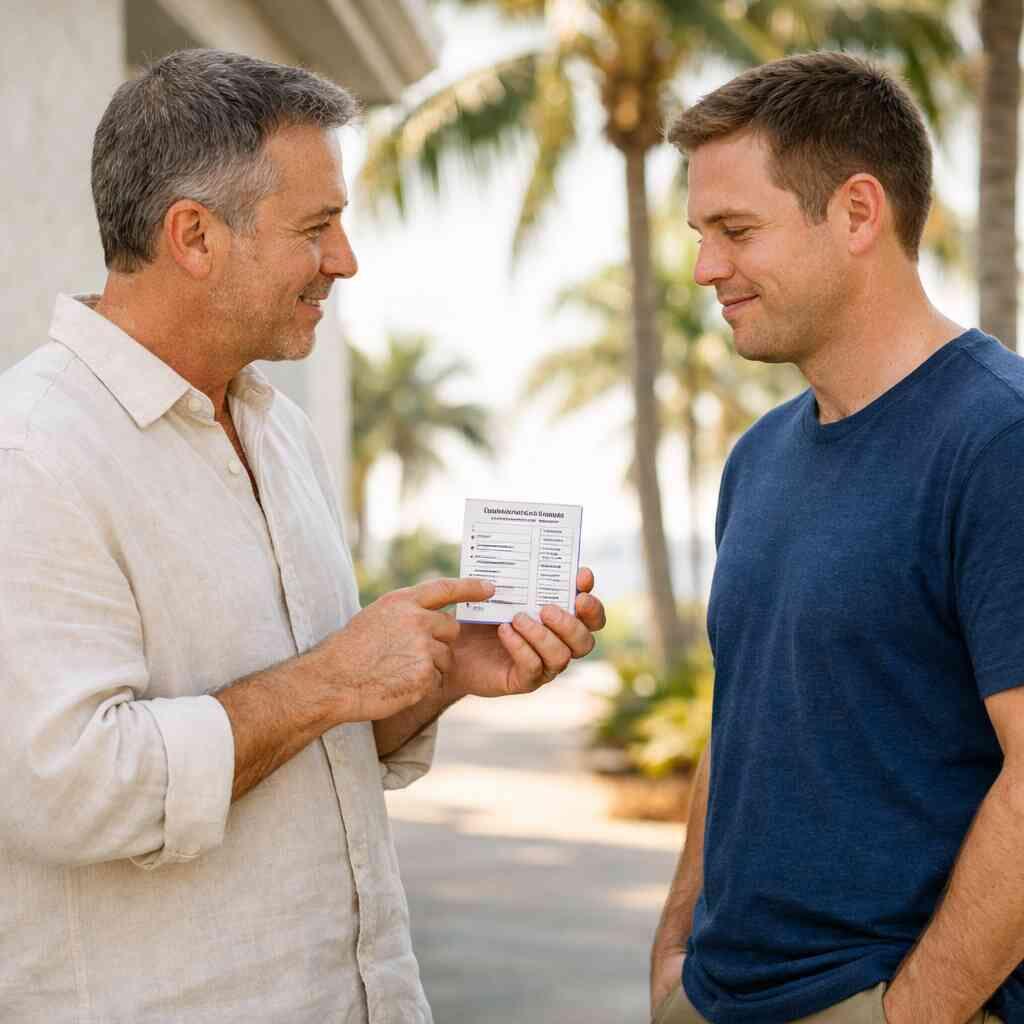
Top 5 Benefits of CBT for Dual Diagnosis in South Florida
You may be reading this because willpower has already disappointed you. That is exhausting, and it can feel personal. It is not. In dual diagnosis care, the problem is often not a lack of effort. It is that anxiety, depression, PTSD, and substance use keep reinforcing each other. At RECO Integrated Psychiatry in Delray Beach, […]

You may be reading this because willpower has already disappointed you. That is exhausting, and it can feel personal. It is not. In dual diagnosis care, the problem is often not a lack of effort. It is that anxiety, depression, PTSD, and substance use keep reinforcing each other.
At RECO Integrated Psychiatry in Delray Beach, we see this pattern often in CBT for dual diagnosis treatment in South Florida. A person may stop drinking for a few days, then panic hits, sleep falls apart, and cravings spike. Another may leave a rehab setting feeling clear, only to face Atlantic Avenue traffic, family stress, or lonely evenings and slide backward. CBT helps you examine the loop before it runs you.
1) Why CBT starts working when willpower keeps failing in dual diagnosis care
How co-occurring disorders distort thought patterns and substance use at the same time
CBT, or cognitive behavioral therapy, treats the link between thoughts, feelings, and actions. That matters in dual diagnosis and co-occurring disorders in South Florida because the same thought can fuel both mood symptoms and substance use. If you think, “I cannot handle this,” your body tightens, anxiety rises, and the urge to use can feel urgent. If you think, “I already blew it,” shame can push you toward more drinking or pills.
That loop is common in Delray Beach rehab settings, especially for people managing Florida addiction treatment, depression and addiction, or bipolar disorder therapy. CBT gives you a structure for catching the thought before it becomes behavior. It does not ask you to “think positive.” It asks you to think clearly. That difference matters when your mind has become part of the problem.
One client from a Palm Beach County outpatient setting described it plainly: “The craving was real, but the panic story was louder.” That is the kind of split CBT addresses. The craving may remain for a while, but the panic story can change sooner. That shift creates room for choice.
Why cognitive restructuring helps when anxiety, depression, or PTSD keeps driving cravings
Cognitive restructuring is the CBT skill that helps you test the thought, not obey it. If anxiety says, “I need a drink to get through this meeting,” CBT helps you ask, “What else is true?” If depression says, “Nothing will help,” CBT helps you look for evidence, even if it is small. If PTSD says, “I am not safe,” CBT helps you separate the present from the past.
This is especially useful in trauma therapy South Florida care, where triggers can feel physical before they feel mental. The heart races. The chest tightens. The urge to numb arrives fast. CBT slows that sequence down. It teaches you to name the thought, rate its intensity, and test a different response.
Here is the part most people miss: CBT is not denial. It is pattern recognition. That is why it pairs well with evidence-based treatment for anxiety treatment, PTSD treatment, and substance use disorders. SAMHSA guidance and NIDA both support integrated care for co-occurring disorders, because treating only one side usually leaves the other side active.
What makes CBT a strong fit inside an outpatient program Delray Beach families can actually sustain
CBT works well in an outpatient program in Delray Beach because it is practical. You can learn a skill, try it in real life, then bring the result back to the next session. That rhythm fits South Florida recovery, where people often need to keep working, parenting, or caring for a home while getting treatment. It also fits families who cannot pause life for a long inpatient stay.
When outpatient care includes structure, CBT becomes easier to use. At RECO, that often means coordinated psychiatric care, medication management, and clear next steps after each visit. For some people, an intensive outpatient setting or partial hospitalization program in Delray Beach gives enough support for the skills to stick. For others, weekly outpatient therapy is the right pace.
A woman from near Boca Raton once said she needed “a program I could keep while still living my life.” That is the right test for many families. The best CBT plan is not the most dramatic one. It is the one you can actually repeat on a hard Tuesday.
2) The mental reset that helps South Florida patients spot triggers before they become relapse
How trigger management turns a vague urge into a concrete plan
Trigger management is one of CBT’s clearest benefits. It turns “I just felt off” into something you can map. Triggers can be internal, like shame, hunger, fatigue, or fear. They can also be external, like payday, conflict, a certain playlist, or driving past a bar on the way home.
In South Florida, triggers often show up in ordinary places: a long drive on I-95, a quiet afternoon after a stressful morning, or a missed text from someone you trust. CBT teaches you to spot the pattern early, before the urge hardens into action. That is how relapse prevention becomes a skill, not a slogan.
A practical trigger plan may include:
- Leaving a tense situation before it escalates
- Texting a support person when cravings rise
- Eating, resting, or hydrating before making decisions
- Changing the route home after a triggering stop
- Scheduling a therapy check-in after a hard family event
That kind of plan belongs in Florida addiction treatment, especially for people seeking help for cocaine detox Florida, opioid rehab Delray, fentanyl treatment, heroin recovery, prescription pill addiction, or benzodiazepine withdrawal. The trigger is rarely just the drug. It is often the feeling that arrives before the drug.
Why coping skills matter more when stress, conflict, or boredom hit between sessions
The hours between sessions are where real life happens. That is also where many people struggle most. Stress from work, conflict at home, and plain boredom can all open the door to use. CBT helps you replace automatic reactions with practiced coping skills.
Some coping skills are simple, and that is why they work: slow breathing, a short walk near the beach, journaling one page instead of texting an ex, or calling someone before you isolate. These are not fancy ideas. They are repeatable actions. Repetition is what makes them useful.
The best programs teach skills that fit the day, not just the hour. In a mental health IOP or outpatient setting, people practice distress tolerance, boundary setting, and urge surfing. Those skills also support people who use medication-assisted treatment, including Vivitrol injections or Suboxone maintenance, because medication and coping skills work better together than apart.
How CBT fits with mindfulness meditation and group therapy activities in real daily life
CBT does not stand alone. It works well with mindfulness and coping skills for recovery in South Florida because mindfulness helps you notice the urge without feeding it. You learn to observe a thought like, “I need relief now,” without instantly acting on it. That pause can be enough to change the outcome.
Group therapy activities also help. They let you hear your own story reflected back by others, which reduces isolation. In a good group, people compare notes on cravings, triggers, and shame without competition. That is powerful. It teaches you that recovery is a skill set, not a private failure.
Here is what many people say after a few weeks of practice: “I did not need less stress. I needed a better response.” That is CBT in plain language. It is not magic. It is a mental reset built through repetition, honesty, and support.
3) When the story in your head keeps feeding the cycle of use and low mood
How CBT challenges all-or-nothing thinking that shows up in depression and addiction
Depression and addiction often share the same harsh thinking style. It sounds like “I always fail,” “I never get better,” or “One mistake ruins everything.” That kind of thinking is common, but it is not accurate. CBT helps you catch the distortion and replace it with a more workable thought.
This matters in depression and addiction because mood and substance use can reinforce each other fast. A low mood makes action harder. Inaction increases shame. Shame makes use more likely. CBT interrupts that cycle by helping you notice where the thought became absolute.
From the work we have seen in South Florida recovery care, the biggest mistake is waiting for motivation to appear first. It usually does not. Action often comes before relief. CBT teaches that truth without sugarcoating it.
Why behavioral activation can move a person out of isolation and back into routine
Behavioral activation is a CBT tool that focuses on action first. If depression keeps you on the couch, the goal is not a dramatic change. The goal is a small, planned move toward routine. That might mean showering, walking to the mailbox, or making breakfast before noon. Small wins matter because they interrupt withdrawal from life. 
This is especially useful for people who have drifted into isolation during a residential treatment facility stay, a partial hospitalization program, or a long stretch of untreated symptoms. Routine gives the brain structure. Structure reduces room for rumination. Rumination feeds both depression and craving.
A man in early recovery once told our team that his worst days were not the loud ones. They were the blank ones. That tracks clinically. Blank time is risky time. Behavioral activation fills that space with something predictable, and predictability lowers risk.
How trauma therapy South Florida patients may also need can work alongside CBT when PTSD is part of the picture
CBT helps with thoughts and behavior, but trauma can sit deeper than that. Some people need trauma and PTSD treatment in South Florida alongside CBT, especially when memories, hypervigilance, or sleep problems keep driving substance use. EMDR trauma therapy, trauma-focused CBT, and careful psychiatric care can work together.
The key is sequencing. You do not have to process everything at once. You need enough stability to stay present. That is why licensed clinicians often start with safety, coping, and sleep before moving into deeper trauma work. The co-occurring disorder model supports that approach.
When PTSD is active, a person may use alcohol or drugs to shut off body memory. CBT can help identify the trigger, but trauma therapy can help address the injury underneath it. That combination is often where real change begins.
4) What makes CBT work better when it is paired with the right level of care
When intensive outpatient and partial hospitalization program support make CBT more effective
CBT is stronger when the level of care matches the severity of symptoms. For some, a mental health IOP in Delray Beach offers enough frequency and structure. For others, a partial hospitalization program in Delray Beach is better because symptoms are more acute. The goal is not intensity for its own sake. The goal is enough support for change to hold.
That distinction matters for people leaving detox or stepping down from a higher level of care. Early recovery is fragile. Sleep is uneven. Emotions can swing. A strong outpatient structure helps CBT become a habit instead of a hopeful idea. If you are comparing levels of care, our what is PHP versus IOP guide can help clarify the difference.
Level of careWhat it offersBest fitPHPMore hours, more structure, daily supportHigher symptom needsIOPFewer hours, strong skill practice, flexibilityStepping down or working adultsOutpatientOngoing therapy, medication follow-up, lighter scheduleStable patients needing continuity### How medication management, family therapy, and case management keep treatment grounded
CBT works better when the rest of treatment is coordinated. Medication management can reduce symptoms that make thinking harder. Family therapy can improve home dynamics that keep triggering relapse. Case management can help with housing, work, and follow-through. Those supports keep CBT connected to real life.
At RECO, integrated psychiatric care and medication management is part of that picture. That matters for people with bipolar disorder, severe anxiety, OCD, or treatment-resistant depression. Medication is not a substitute for CBT. Still, it can lower the noise enough for therapy to work.
Family work matters too, especially when trust has been strained. A family weekend or structured family session can turn blame into planning. If that is part of your situation, family therapy for co-occurring disorder recovery can support the whole home, not just the person in treatment.
Why dual diagnosis treatment often works best when psychiatric care and substance care are coordinated
Dual diagnosis treatment works best when the psychiatric and substance sides stop competing for attention. That is the core of integrated care. If a person has anxiety, alcohol use, and sleep loss, all three need to be addressed together. If only one is treated, the others can keep the cycle alive.
This is especially important near Delray Beach, where many people seek help after searching for “drug rehab near me,” “alcoholism treatment center,” or “Florida rehabs that take insurance.” The best program is not the loudest one. It is the one that understands co-occurring disorders and offers coordinated treatment with licensed clinicians, clear intake, and careful insurance verification. For questions about coverage, our insurance verification process can help you sort out Aetna, Cigna, Blue Cross Blue Shield, and out-of-network benefits.
A practical example: someone may need detox support, then PHP, then IOP, then outpatient CBT, then aftercare. That is not a failure. That is how recovery often works. The path gets steadier when the pieces are aligned.
5) The confidence gain that comes from practicing relapse prevention before life gets loud again
How CBT supports aftercare planning, sober living resources, and long-term recovery
CBT does not end when the session ends. It creates a framework for aftercare planning, which is where long-term recovery gets protected. You rehearse what to do before the crisis arrives. That includes ride plans, meeting schedules, support contacts, and boundary scripts. Planning sounds boring until it saves you.
For many people, sober living resources help bridge the gap between treatment and independent life. CBT supports that bridge because it gives structure to the unstructured hours. It also strengthens life skills training, which is often the missing piece after rehab. If you want continuity after discharge, our outpatient program in Delray Beach can be part of that next phase.
What tends to work best is simple:
- Keep one weekly therapy slot
- Keep one recovery contact list
- Keep one sleep routine
- Keep one relapse plan written down
- Keep one follow-up medication appointment
Why SMART Recovery and 12-step alternatives can reinforce the same skill set outside sessions
CBT and peer support fit together well. SMART Recovery uses tools that overlap with CBT, especially recognizing triggers, disputing unhelpful thoughts, and planning for high-risk moments. Some people also benefit from 12-step alternatives or traditional 12-step groups. The format matters less than the skill practice and consistency.
That flexibility helps in South Florida recovery, where people choose different paths based on belief, schedule, and comfort. The point is connection plus practice. A meeting can reinforce the same skills you learn in therapy: pause, check the thought, choose the response, repeat. That is how treatment moves into daily life.
For some, RECO Intensive alumni support gives that added layer of continuity. Alumni contact, group check-ins, and aftercare structure can reduce the sense that treatment ended too soon. Recovery often improves when support lasts longer than the crisis.
What a Delray Beach recovery plan should include when the goal is stability not just short-term abstinence
A strong Delray Beach recovery plan should be realistic. It should reflect work, family, traffic, weather, and the emotional load of being human. It should also fit the coastal rhythm of life here, where a quiet morning near the Intracoastal can still turn into a hard afternoon. Stability matters more than a perfect streak.
If you are building a plan now, include these pieces:
- A clear trigger list
- A CBT homework plan
- A medication follow-up, if prescribed
- A family support point
- A sober activity, like a walk, meeting, or class
- A backup plan for cravings or panic
You do not have to figure this out alone, and you do not have to solve everything in one sitting. Start by writing down the three situations most likely to throw you off this week, then bring them to your next appointment at RECO Integrated Psychiatry in Delray Beach. If you need a place to begin, call and ask about CBT, dual diagnosis treatment, and the right level of care for your situation.
Frequently Asked Questions
Question: What makes CBT for dual diagnosis treatment a good fit at RECO Integrated Psychiatry in Delray Beach?
Answer: CBT for dual diagnosis is a strong fit because it targets the connection between thought patterns and substance use while also addressing anxiety treatment, depression and addiction, bipolar disorder therapy, and PTSD treatment. At RECO Integrated Psychiatry, the approach is integrated and evidence-based, which means psychiatric care, medication management, and therapy can work together instead of separately. That matters for people who have tried willpower alone and found that cravings, panic, low mood, or trauma symptoms keep pulling them back. CBT helps patients identify trigger management, cognitive restructuring, and coping skills they can use in daily life, which is especially important in outpatient program Delray Beach settings where real-life stress continues between visits.
Question: How does your outpatient program Delray Beach support people who need more than weekly therapy for dual diagnosis?
Answer: Our outpatient program Delray Beach model is designed for people who need structure without stepping away from work, family, or home life. Depending on symptom severity, that may include intensive outpatient or a partial hospitalization program so the level of care matches the need. This is especially helpful for South Florida recovery when someone is stepping down from South Florida detox, a residential treatment facility, or inpatient rehab Palm Beach County and still needs strong support for relapse prevention, coping skills, and aftercare planning. We also coordinate with medication management, case management, and family therapy when appropriate, so the treatment plan is not just about symptoms in session but about keeping recovery stable in everyday life.
Question: Can CBT help if my substance use is tied to PTSD, trauma, or depression and addiction?
Answer: Yes. CBT can be very helpful when substance use is connected to PTSD treatment, trauma therapy South Florida needs, or depression and addiction because it helps slow down the automatic loop between stress, thoughts, and urges. If a trigger creates a thought like I cannot handle this, CBT helps challenge that response before it becomes relapse. For many people, the best results come when CBT is combined with trauma-focused care, group therapy activities, mindfulness meditation, and, when needed, psychiatric treatment for the underlying condition. At RECO Integrated Psychiatry, the goal is not to minimize trauma or mood symptoms. It is to build a clear, realistic plan that helps people stay grounded while treating co-occurring disorders in a coordinated way.
Question: What level of care is right if I am trying to choose between PHP, IOP, or a more traditional rehab setting?
Answer: The right level of care depends on how severe the symptoms are, how stable daily life is, and how much support is needed right now. A partial hospitalization program is usually more structured and can be a good fit when symptoms are more acute. Intensive outpatient may work well for people who need frequent support but still want more flexibility. An outpatient program can be the right step for ongoing maintenance, medication management, and long-term recovery. If you are comparing options like what is PHP vs IOP, or looking at Florida addiction treatment alongside private rehab, our team can help you understand the differences and recommend a practical path. We also review insurance verification, including Aetna, Cigna, Blue Cross Blue Shield, and out-of-network benefits, so the intake process is clearer before treatment begins.
Question: Does RECO Integrated Psychiatry support recovery tools like SMART Recovery, 12-step alternatives, or sober living resources?
Answer: Yes. CBT works especially well alongside SMART Recovery, 12-step alternatives, sober living resources, and other aftercare support because recovery is stronger when skills are reinforced outside the therapy room. We encourage practical tools that fit real life, whether that means a written relapse prevention plan, a support contact list, family therapy, or ongoing therapy after a higher level of care. Our team also understands that many people need more than one support layer, especially if they are managing prescription pill addiction, opioid rehab Delray needs, fentanyl treatment, heroin recovery, benzodiazepine withdrawal, or cocaine detox Florida concerns. The goal is not just short-term abstinence. It is long-term recovery with enough structure, accountability, and support to make progress sustainable.