What Are SMART Recovery Meetings in Delray Beach 2026
If you are searching late at night because meetings have started to feel stale, that feeling makes sense. You may want support without hearing the same script repeated forever. SMART Recovery meetings in Delray Beach give many people a different path. They focus on practical tools, not guilt. They also fit well for people who […]
If you are searching late at night because meetings have started to feel stale, that feeling makes sense. You may want support without hearing the same script repeated forever. SMART Recovery meetings in Delray Beach give many people a different path. They focus on practical tools, not guilt. They also fit well for people who want SMART Recovery meetings in Delray Beach alongside therapy or psychiatric care.
Why SMART Recovery keeps showing up in Delray Beach searches when people are tired of meetings that feel stuck
SMART Recovery means Self-Management and Recovery Training. It is a non-12-step support model that uses practical behavior tools, goal setting, and self-empowerment in recovery. Unlike traditional groups, it does not require surrendering to a higher power. Instead, it teaches people how to handle cravings, shame, and urges with skills grounded in science-based addiction recovery. That is why many people compare SMART Recovery for addiction recovery with other 12-step alternatives.
The fit matters. Some people thrive in a peer group that feels structured and cognitive. Others need more support than a meeting can offer, especially if substance use is tied to trauma, panic, or bipolar symptoms. In those cases, meeting attendance can still help, but it often works best with evidence-based recovery support and licensed treatment. Here is the part most people miss: a good meeting is not always enough by itself, and that does not mean you failed.
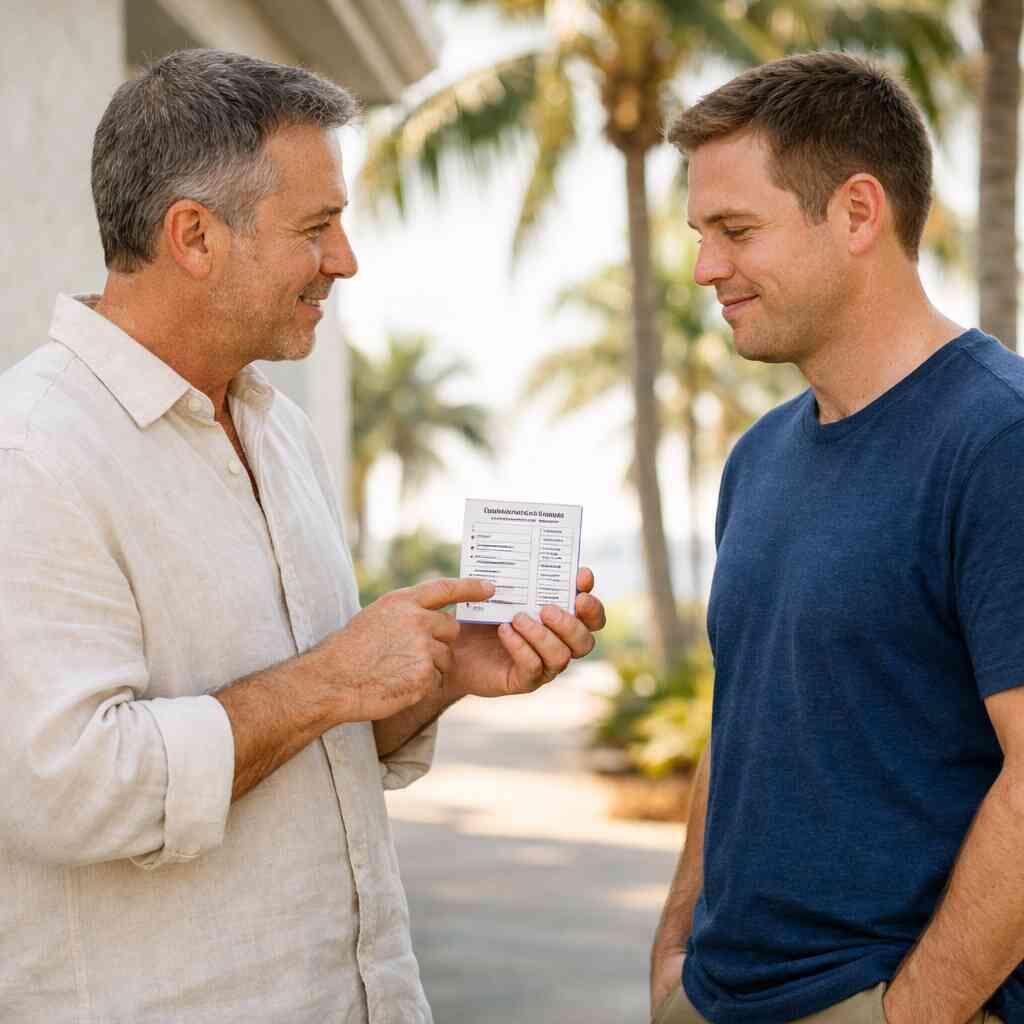
One client in South Florida came in after trying three different groups that all felt too vague. They wanted plain language, not slogans. Once they found a meeting with clear goal setting and coping practice, they finally stayed engaged. That is the difference many people are looking for when they search for Delray Beach recovery community support.
What SMART Recovery means and why it is different from 12-step alternatives
SMART Recovery uses a simple frame: notice the trigger, challenge the thought, build a plan, and practice the skill. It is built around self-management and recovery training tools, not confession or spiritual language. Many people like that because it feels concrete. Others like that it adapts well to cognitive behavioral therapy skills for recovery and everyday decisions. If you have ever left a meeting thinking, “That was nice, but what do I do at 9 p.m. when cravings hit?” SMART gives you an answer.
It also gives language for change that feels human. You learn how thoughts can feed urges, how habits form, and how small wins build momentum. That is useful for alcohol recovery support, drug recovery meetings, and people trying to rebuild trust with themselves. It can also pair well with self-management and recovery training when you want structure without pressure. For many, that balance feels more sustainable.
Who tends to fit best with science-based addiction recovery and who may need more clinical support
SMART Recovery often fits people who want practical skills, accountability, and a calmer tone. It can be a strong choice for professionals, young adults, and people who feel worn down by shame. It also works for people who want a non-12-step support group that still respects hard change. If you are motivated but tired, it can give you traction. If you want SMART Recovery and science-based addiction treatment, the match can be especially strong.
Still, some situations need more than peers and worksheets. If alcohol or drug use is tied to withdrawal, panic, self-harm, or repeated relapse, you may need therapy or medical care. That is true for dual diagnosis support in Delray Beach and for mental health and addiction recovery support. NIDA and SAMHSA both emphasize integrated care when co-occurring disorders show up together. In plain terms, if depression or anxiety is driving the substance use, treating only one piece leaves the whole pattern intact.
How Delray Beach recovery community options shape the search for sober support near Atlantic Avenue and beyond
Delray Beach has a real recovery identity. People search here because the city already has a dense network of meetings, outpatient care, sober housing, and peer support. You will see that in searches for SMART Recovery near Delray Beach, local groups near Atlantic Avenue, and broader South Florida recovery resources. The coastal setting helps some people feel calmer, but structure still matters. A beach walk is not a relapse plan.
We hear this from clients almost every week. They want something local, but they also want options that feel private and purposeful. That is especially true near Atlantic Avenue, where the recovery scene can be visible and busy. Some people want quiet. Others want a strong peer network. A good match depends on what helps you stay honest, sober, and engaged.
The meeting room no one explains well enough and what actually happens once you sit down
A SMART meeting is usually more organized than people expect. You check in, name a goal, talk about a recent challenge, and practice a skill. The atmosphere is often calmer than people imagine. There is less pressure to speak than in many other groups, and more focus on tools than stories. That structure is one reason it has become a common part of outpatient recovery resources in Delray Beach.
The meeting room can feel strange at first. That is normal. If you are used to sitting in silence, hearing clinical terms, or waiting for a “share” that never lands, SMART may feel refreshingly direct. On the other hand, if you want deeper trauma work, the meeting will not replace therapy. It is a support layer, not the whole house.
The recovery meeting structure from check-in to goal setting and coping skills practice
Most meetings follow a clear arc. First comes a short check-in. Then people name a current issue, a victory, or a goal. After that, the group often practices a coping tool together. That might include urge surfing, thought-challenging, or a short plan for the next risky moment. The goal is not to impress anyone. The goal is to leave with a usable next move.
This structure matters because recovery often fails in the gap between insight and action. A person can know alcohol is a problem and still drink at 8 p.m. SMART meetings create a small pause between urge and behavior. That pause is where change happens. In practical terms, it strengthens recovery accountability and supports coping skills for relapse prevention.
How self-management and recovery training uses CBT-style tools for cravings, shame, and relapse prevention
SMART draws heavily from cognitive behavioral therapy, or CBT. CBT looks at the link between thoughts, feelings, and actions. If you think, “I already blew it,” you may drink more. If you learn to challenge that thought, the next choice can change. That is why the model works well for cognitive behavioral therapy skills for recovery and coping skills for relapse prevention.
The approach also helps with shame. Shame says, “I am the problem.” CBT says, “This pattern is the problem, and patterns can change.” That shift sounds small, but it changes behavior. Learning to separate identity from behavior can make relapse less catastrophic. It can also build shame resilience in recovery, which matters more than most people realize.
Where SMART Recovery fits alongside dual diagnosis support, mental health IOP, and trauma-informed recovery
SMART fits best as part of a broader plan when symptoms are complex. If you are managing trauma, dissociation, panic, or unstable mood, peer support alone may not be enough. In those cases, trauma-informed recovery support can make a major difference. A trauma-informed lens asks what happened to you, not just what is wrong with you. That matters for people with PTSD treatment needs, depression and substance use recovery, or anxiety and addiction support. 
SMART can sit beside mental health IOP, partial hospitalization, or outpatient therapy. It can also support people who need better emotional regulation skills while they work through triggers. The key is coordination. A meeting teaches tools. Clinical care teaches deeper patterns. Together, they can support long-term recovery strategies in a much steadier way.
What to expect when you are also managing depression and addiction, anxiety and addiction support, or co-occurring disorders
Depression and addiction often feed each other. Anxiety can do the same. You may drink to calm down, then feel worse the next day. Or you may use prescription pills to sleep, then wake up more foggy and more afraid. That is why depression and addiction recovery help and anxiety and addiction support matter so much in Delray Beach.
If you have co-occurring disorders, SMART can still help. It can give you structure between therapy sessions and keep you engaged in coping work. But it should not replace psychiatric review when symptoms are strong. Someone managing bipolar disorder therapy needs, for example, may need mood monitoring and medication management too. The same is true for severe insomnia, unstable energy, or repeated impulsive behavior.
One person we saw recently had stopped drinking, but their panic spiked every evening. They assumed that meant they were “bad at recovery.” The real issue was untreated anxiety layered on top of sobriety. Once treatment addressed both, the meeting tools started working better. That is what integrated care can do.
Choosing the right support path after the meeting ends so recovery keeps moving
A good meeting can open the door. What happens after matters more. Some people do well with SMART alone, especially when use is mild and motivation is strong. Others need therapy, medication management, or a higher level of care. The smart move is to match the support to the risk, not the wishful thinking. That is where aftercare support for long-term recovery becomes essential.
If you are unsure, ask direct questions. Does your pattern involve withdrawal? Is there trauma in the background? Are you missing work or lying to cover use? These details help you choose the right level of care. They also prevent the common mistake of treating a clinical problem like a motivation problem.
When SMART Recovery is enough and when therapy referrals in Delray Beach or medication management should be added
SMART may be enough when your use is early, your safety is stable, and your coping skills are growing. It also works well when you need a sober network and want a non-12-step support group. But if cravings are intense, sleep is collapsing, or depression is pulling you under, therapy referrals in Delray Beach should come next. Medication management may also be needed, especially when psychiatric symptoms are driving use.
For opioid, alcohol, or fentanyl recovery, evidence-based medication can be part of care. SAMHSA and NIDA both support medication-assisted treatment when indicated. That may include Suboxone maintenance or Vivitrol injections, depending on the diagnosis and clinical fit. These are not substitutes for recovery work. They are tools that can reduce risk while you build new habits. A meeting and a prescription can work together.
How family support, aftercare planning, sober living resources, and alumni program support long-term recovery
Recovery does not happen in a vacuum. Family support in recovery can reduce confusion and help people hold boundaries. It can also reduce the exhausting cycle where loved ones argue, rescue, and then burn out. Families often need education almost as much as the person in treatment. That is why family support in recovery planning can be so helpful.
Aftercare planning matters too. Sober living resources for South Florida recovery can provide structure when home is not stable enough. Alumni support can keep momentum going after formal care ends. A strong alumni program helps people stay connected to peers who understand the daily work of recovery. That continuity can reduce relapse risk and strengthen long-term recovery strategies.
What to ask when comparing local addiction resources from outpatient program Delray Beach to PHP and intensive outpatient options
You do not need to guess which level of care fits. Ask what the day looks like, how often sessions happen, and what therapies are included. Ask whether the program treats dual diagnosis, trauma, and relapse patterns together. Ask if the team offers partial hospitalization program support in Delray Beach or intensive outpatient support in Delray Beach. Those details tell you whether the program fits your actual needs.
A simple comparison can help:
Level of careBest forTypical focusOutpatientStable use patterns, lower riskWeekly therapy, recovery support, medication follow-upIOPOngoing cravings, early recovery, dual diagnosisGroups, coping skills, accountability, relapse preventionPHPHigher structure needed, more symptomsDaily support, clinical monitoring, skill buildingIf you are comparing local addiction resources, do not stop at the label. Ask about evidence-based treatment, licensed clinicians, and how the program handles co-occurring disorders. You may also want to ask about insurance verification, out-of-network benefits, self-pay options, and whether the center is DCF licensed or Joint Commission accredited. Those answers help you separate marketing from actual care.
How RECO Integrated Psychiatry can help connect SMART Recovery with evidence-based treatment, telepsychiatry, and coordinated next steps
RECO Integrated Psychiatry works with adults who need psychiatric care that fits real life. That can include treatment-resistant depression, anxiety disorders, OCD, bipolar disorder, ADHD, and complex psychiatric conditions. It can also include coordination with outpatient recovery resources in Delray Beach and the broader South Florida recovery network. Our team can help connect SMART Recovery with therapy, medication management, and follow-up care that respects your goals. For people who need more structure, the medical detox process and higher levels of care can also be discussed with the treatment team.
Telepsychiatry can help Florida residents who cannot always come in person. That matters for people balancing work, family, and recovery schedules. It also helps when a person wants discreet follow-up after meeting attendance starts. If you are trying to make sense of treatment options, our approach to evidence-based recovery support can help you think clearly about the next move. You do not have to solve every piece today. Start with one conversation, and ask for the support that matches the risk.
Frequently Asked Questions
How long does detox last at a Delray Beach rehab?
Detox length depends on the substance, use pattern, medical history, and withdrawal risk. Alcohol and benzodiazepine withdrawal can require close monitoring because symptoms may become dangerous. Opioid withdrawal may last longer emotionally, even when the worst physical symptoms ease sooner. A medical team should assess you before making any plan. If detox is needed, care should focus on safety first.
Does RECO Integrated Psychiatry take my insurance?
Insurance coverage depends on your plan, network status, and the level of care needed. The best next move is a benefits check before treatment starts. Many people ask about Aetna, Cigna, and Blue Cross Blue Shield, plus out-of-network benefits and self-pay options. You can use our insurance verification process to confirm details. That saves time and lowers stress.
What is the difference between PHP and IOP?
PHP, or partial hospitalization, offers more structure and more clinical time each week. IOP, or intensive outpatient, usually gives you fewer hours and more flexibility. PHP often fits people who need stronger support but do not need 24-hour care. IOP often fits people stepping down from higher care or needing regular recovery accountability. The right choice depends on symptoms, safety, and daily stability.
Can I bring my phone to treatment?
Policies vary by program level and treatment goal. Some programs allow phones with limits, especially in outpatient settings. Higher-structure programs may restrict them during certain hours to support focus and safety. Ask about the phone policy during intake so there are no surprises. Clear rules often help people settle in faster.
Is family involved in the program?
Family involvement can be very helpful, especially when substance use has strained trust. Many programs offer education, family sessions, or weekend support. Family work helps relatives learn boundaries, communication skills, and relapse warning signs. It also helps loved ones stop reacting out of fear. If family contact is important to you, ask how it is handled from the start.
What if I need help for depression but not addiction?
That is still worth addressing quickly. Depression can affect sleep, work, relationships, and physical health. It can also increase the risk of substance use later, even if that is not the current issue. A psychiatric evaluation can clarify whether therapy, medication management, or both make sense. Delray Beach has strong mental health resources, and getting support early often prevents bigger problems later.
“I had a wonderful, powerful, exceptional experience in recovery at RECO Integrated psychiatry/intensive,as well as all around mental,emotional and addictive therapy. The staff is wonderful , it is a safe space clean and modern . The exercises in mental health therapy was an amazing opportunity and full whole person addiction mental, physically and emotionally treatment. Very structured program, each day has a specific direction that follows a wonderful whole person treatment plan. Great therapist,peer to peer work as well . I enjoyed one on one and group sessions. I personally took part in PHP,IOP and they offer OP as well . The facility took us to meetings and groups almost every night except the day(s) they brought the meeting to the sober house I stayed in. We had outings and activities every week , equine therapy too. I can’t say enough about this facility,program and staff . I would recommend to anyone any age to consider RECO for a complete and thorough treatment facility. I have remained sober after coming home ,I am regaining confidence, lost relationships and a sober community since treatment . RECO gave me skills and realized dreams to stay clean and sober .”– A.LeeGNV, a 5 star review from RECO Integrated Psychiatry on Google Business Reviews