Top 5 Reasons to Explore RECO Intensive Rehab in Fall 2026
When fear is bigger than the plan and a Delray Beach rehab needs to feel usable on day one If you are reading this with dread in your chest, that reaction makes sense. People usually start comparing Delray Beach rehab options when the pressure finally gets louder than the denial. Fall has a way of […]

-
When fear is bigger than the plan and a Delray Beach rehab needs to feel usable on day one
If you are reading this with dread in your chest, that reaction makes sense. People usually start comparing Delray Beach rehab options when the pressure finally gets louder than the denial. Fall has a way of doing that. The calendar tightens, family plans start stacking up, and old patterns suddenly feel harder to hide.
Why fall often pushes people to compare Florida addiction treatment options before the holiday season
This is the season when many people notice the same thing: their usual coping tools are not working. A few drinks turn into a lost evening. A prescription starts running the day instead of supporting it. Work, parenting, and sleep all begin to fray at the edges. That is often when people begin searching for Florida addiction treatment and wondering which setting actually fits.
One client we spoke with in the Delray area described it plainly: “I kept saying I would deal with it after the holidays, and then I realized I was already losing the holidays.” That sentence is common in spirit, even if the details differ. The delay is rarely about laziness. It is usually about fear, confusion, and not wanting to be judged.
If you are comparing care now, that urgency can be useful. It can also make everything feel louder. A clear program structure helps. So does knowing that a good treatment center should explain the path in plain language, not hide it behind jargon.
The intake process at an outpatient program Delray Beach families can actually get through without confusion
A strong outpatient program Delray Beach families can trust should make intake feel direct. You should expect a clinical assessment, questions about use patterns, mental health history, medications, and safety risks. The process should also cover practical needs like work schedules, transportation, and insurance verification. If those pieces are missing, the plan usually falls apart later.
At RECO, the intake process is built to identify the level of care, not just collect paperwork. That matters because people often arrive with more than one problem at once. Depression may sit beside drinking. Panic may sit beside stimulant use. The care plan has to reflect that reality from the start.
Here is the part most people miss: a confusing intake is often a warning sign. Good programs explain next steps in simple terms. If you need a clearer picture of treatment options, start with fall rehab options in Delray Beach for Florida addiction treatment. That helps you compare structure before you compare branding.
What signs of addiction and co-occurring disorders usually mean the care level should be higher than a simple counseling visit
Some signs are obvious. Others are quiet. Missing work, hiding use, blackouts, morning drinking, or using alone all matter. So do panic, insomnia, irritability, and repeated failed attempts to cut back. When those show up together, signs of addiction and co-occurring disorders may be present.
The National Institute on Drug Abuse has long emphasized the co-occurring disorder model. In plain terms, that means mental health symptoms and substance use often reinforce each other. A person with depression and alcohol use may need more than weekly talk therapy. Someone with trauma and opioid misuse may need integrated care, not separate referrals.
If you are trying to sort that out, this resource on signs of addiction and co-occurring disorders in South Florida can help frame the decision. It is not about labeling you. It is about matching care to risk, which is the safer path.
-
The Florida detox question people ask too late and why timing changes everything
People often ask about detox after the body is already sending warning signals. That delay can make withdrawal harder, and sometimes more dangerous. Detox is not a test of will. It is a medical process. And the right timing can change the whole experience.
How long is detox when the substance is alcohol, opioids, cocaine, fentanyl, or benzodiazepines
“How long is detox?” is one of the most searched questions for a reason. The honest answer is that it depends on the substance, the dose, the length of use, and your medical history. Alcohol withdrawal may begin within hours and shift quickly. Opioid withdrawal can be miserable but different in pattern. Cocaine withdrawal often brings heavy fatigue, low mood, and agitation rather than the classic physical symptoms people expect.
Fentanyl can complicate the picture further because it often behaves differently in the body. Benzodiazepines are especially serious because stopping suddenly can raise medical risk. That is why South Florida detox should never be treated like a one-size-fits-all checklist. It should be guided by clinical assessment and safety monitoring.
For a deeper look at timing and what happens next, see Florida detox timing for alcohol and opioid withdrawal. The goal is not just to get substances out of the body. The goal is to keep you stable enough to move into treatment that can hold.
When South Florida detox should connect to medical oversight and medication-assisted treatment like Suboxone maintenance or Vivitrol injections
Detox works best when it connects to ongoing care. That is especially true for opioid use disorder and alcohol use disorder. Medication-assisted treatment may include FDA-approved options such as Suboxone maintenance or Vivitrol injections, when clinically appropriate. These medications do not replace recovery work. They can reduce cravings or relapse risk while therapy and structure do their job.
A man from Palm Beach County once told an intake clinician that he had tried to quit “four times on willpower.” That pattern is common. Once the withdrawal phase settled, the cravings came back fast. The difference came when his care plan included medication oversight and counseling together. That combination helped him stay engaged long enough to build skills.
If opioid use is part of the picture, this guide on opioid recovery support in Delray Beach with Suboxone maintenance is worth reading. It explains why medical support matters after the worst symptoms pass.
Why withdrawal from prescription pill addiction or benzodiazepine withdrawal should never be managed by guesswork
This is where people get hurt. Prescription pill addiction can look controlled from the outside. Benzodiazepine withdrawal can look like anxiety until it is not. Shaking, insomnia, confusion, panic, and seizure risk can all become part of the picture. Guessing is not a plan.
SAMHSA guidance and standard medical practice both support careful tapering and monitoring for certain substances. That is why trying to “white-knuckle it” at home can be dangerous. If you are not sure what you are dealing with, a structured medical evaluation is the safer move. It also gives you more than one choice, which matters when fear is running high.
If benzodiazepines are involved, review benzodiazepine withdrawal care in Florida. The article explains why medical oversight is not optional in many cases. It also shows why timing matters more than bravado.
-
Why the right level of care matters more than the brand name of the center
People often compare centers by name first. That is understandable. But the level of care matters more. A good fit can be the difference between feeling held and feeling lost. That is why PHP vs IOP should come before logos and marketing language.
What PHP vs IOP really means when comparing partial hospitalization program and intensive outpatient options
A partial hospitalization program usually offers more hours per day and more structure. Intensive outpatient gives you strong support with more room to keep parts of life moving. Both can help, but they serve different needs. If symptoms are unstable, PHP may fit better. If you need treatment plus work or family flexibility, IOP may be the smarter choice.
Think of it this way: PHP is more like a highly structured day program. IOP is a step down in intensity, but still far beyond weekly therapy. The right match depends on safety, symptoms, and support at home. That is why the phrase what is PHP vs IOP matters so much in real planning.
For a side-by-side explanation, read PHP versus IOP in Delray Beach for treatment planning. If you want a broader view of structure, partial hospitalization and intensive outpatient options in Palm Beach County can help clarify how the pieces fit.
Level of careBest forTypical rhythmPHPMore acute symptoms, unstable routines, higher support needsSeveral hours most daysIOPSteady patients needing strong support with more flexibilityFewer hours, several days weeklyStandard outpatientMild symptoms or step-down careWeekly or less### When inpatient rehab Palm Beach County may fit better than a mental health IOP or standard outpatient schedule
Sometimes a person needs more containment than an outpatient plan can provide. That can happen with severe withdrawal risk, frequent relapse, safety concerns, or profound instability. In those cases, inpatient rehab Palm Beach County may be the better fit. It gives more supervision, more immediate support, and fewer gaps between need and response.
A woman from Boca Raton once came in saying her anxiety kept driving her back to drinking by late afternoon. Outpatient therapy had helped a little, but not enough. Once her care level changed, the daily structure gave her room to stabilize. That is not failure. That is appropriate matching.
If you are deciding between residential and outpatient care, consider your current functioning honestly. A mental health IOP can be excellent for many people. But if you are in crisis, a tighter setting may be safer. The right level of care is not about pride. It is about fit.
How dual diagnosis treatment helps depression and addiction, anxiety treatment, bipolar disorder therapy, PTSD treatment, and trauma therapy South Florida needs
Dual diagnosis treatment means treating substance use and mental health together. That is essential for depression and addiction, anxiety treatment, bipolar disorder therapy, PTSD treatment, and other trauma-related needs. Treating only one side of the problem often leaves the other side to trigger relapse. The evidence base here is strong. Integrated care is recommended across addiction and psychiatric settings because symptoms interact. A person with untreated bipolar disorder may misuse stimulants to chase energy. Someone with PTSD may use alcohol to sleep. When both conditions are treated together, the plan becomes more realistic. If that sounds familiar, dual diagnosis treatment for depression and addiction in South Florida is worth a careful look. It explains why co-occurring disorders need one coordinated team, not scattered advice. 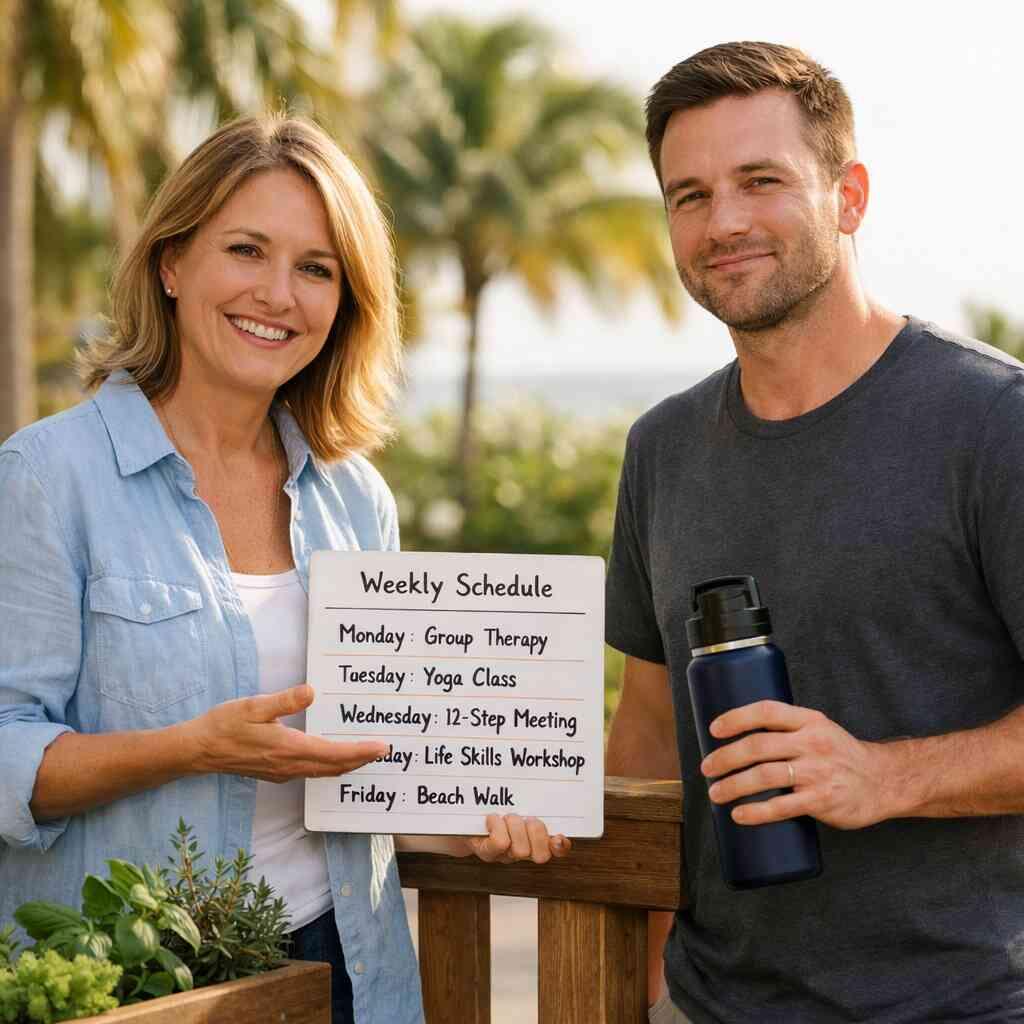
-
The therapies that make RECO Intensive rehab feel different from a generic treatment center
A center can look polished and still feel thin. What changes outcomes is often the therapy mix, the cadence of sessions, and how well the team ties treatment to real life. That is where RECO Intensive rehab stands apart for many people. The work is specific, structured, and human.
How cognitive behavioral therapy, dialectical behavior therapy, and EMDR trauma therapy support relapse prevention and coping skills
Cognitive behavioral therapy helps you spot the thoughts that fuel use. Dialectical behavior therapy teaches distress tolerance, emotion regulation, and interpersonal skills. EMDR trauma therapy can help process traumatic memories when trauma is part of the story. Each method serves a different purpose, and together they can make relapse prevention more concrete.
These are not abstract ideas. They show up in the moment you are triggered, angry, ashamed, or overwhelmed. A better response gets practiced before the crisis hits. That is how coping skills become usable rather than decorative.
For a focused explanation, review trauma therapy in South Florida using CBT, DBT, and EMDR. The important part is not the acronym. It is whether the therapy actually helps you function when life gets loud.
Why group therapy activities, family therapy, and family weekend can change what happens after discharge
Recovery usually breaks down in the spaces between appointments. That is why group therapy activities matter. They give you practice speaking honestly, hearing feedback, and staying present when emotions rise. Family therapy helps relatives understand boundaries, communication, and relapse warning signs. And a family weekend can turn confusion into a shared plan.
One local family told a clinician that the program helped them stop arguing about who was “right” and start asking what worked. That shift matters. It changes the tone at home. It also lowers the odds that everyone returns to old habits the moment discharge happens.
If family involvement is part of your search, family therapy and group support in recovery is a helpful place to start. Support is stronger when the people around you understand the process too.
Where holistic recovery tools like mindfulness meditation, yoga therapy, and art therapy fit without replacing evidence-based treatment
Holistic care can support healing, but it should not replace proven treatment. Mindfulness meditation may help with grounding. Yoga therapy may calm the nervous system and improve body awareness. Art therapy can help people express things they cannot yet say out loud. These tools can be valuable when they sit beside evidence-based treatment, not in place of it.
On the projects and programs people ask about most, the best results usually come from balance. Clinical care gives structure. Holistic recovery tools give access to calm, expression, and pacing. The combination can make treatment feel less sterile and more workable.
That balance matters in a coastal place like Delray Beach, where people often respond well to a steadier, less chaotic rhythm. The nearby beach, Atlantic Avenue, and the slower pace of some local neighborhoods can support recovery when the program itself is solid. A calm setting helps, but it cannot do the clinical work for you.
-
Why the next 90 days matter more than the intake day at a Delray Beach recovery center
Intake gets attention. Aftercare keeps people moving. That is the part many families underestimate. The discharge plan, the follow-up cadence, and the support after treatment often determine whether early gains hold. That is why the next stretch matters more than the intake photo or the first orientation packet.
How aftercare planning, sober living resources, case management, and life skills training support long-term recovery
Aftercare planning should start early, not at discharge. Good plans include therapy follow-up, medication check-ins, relapse prevention steps, and clear crisis contacts. Sober living resources may help people who need a stable place to practice new routines. Case management can coordinate appointments, transportation, and outside referrals. Life skills training can cover sleep, budgeting, meal planning, and work structure.
This is where recovery becomes practical. A person can learn coping skills in treatment and still struggle with time management or housing after discharge. Those are not side issues. They are part of recovery. If they are ignored, momentum slips.
For a deeper look at continuity of care, see aftercare planning for long term recovery in South Florida. If housing support matters, sober living resources in South Florida after treatment can help you think ahead.
What alumni program support, 12-step alternatives, and SMART Recovery can do for people who need structure after treatment
An alumni program matters because treatment ends, but stress does not. Staying connected gives people a place to check in and keep accountability alive. Some people prefer 12-step alternatives. Others connect better with SMART Recovery, which uses practical tools and self-management. The best support is the one you will actually use.
Here is what almost no online guide mentions: structure after treatment should feel usable, not idealized. If nightly meetings do not fit your life, another format may be better. If you need peer support without a spiritual frame, that matters too. Good aftercare respects the person, not just the model.
RECO’s approach aligns with continuing care best practices because it treats recovery as an ongoing process. That is especially important in the Delray Beach recovery community, where many people want support that feels grounded and local. The right support should fit your life in South Florida, not the other way around.
How insurance verification, out-of-network benefits, and self-pay options shape the decision for Florida rehabs that take insurance
Money questions can freeze people. That is normal. Insurance verification helps you understand coverage before you commit. Some plans may use in-network benefits, while others may involve out-of-network benefits. Self-pay options also matter for families comparing speed, privacy, and flexibility.
If you are comparing Florida rehabs that take insurance, do not wait until the last minute to check benefits. Ask what is covered, what needs prior authorization, and what the likely out-of-pocket share may be. That clarity can reduce stress fast. It can also prevent treatment delays.
For help with that process, start with insurance verification for Florida rehab that takes insurance. If you are deciding between private options, the best move is to verify benefits, ask direct questions, and choose the level of care that matches your needs now.
If you need a place to start, call, ask about intake, and request a benefits check. You do not have to solve the whole future today. You only need one clear conversation.
Frequently Asked Questions
Question: What makes RECO Intensive rehab a strong option for Fall rehab in Delray Beach compared with a generic Delray Beach rehab?
Answer: RECO Intensive rehab is designed to help people who need more than a basic counseling visit, especially when fear, uncertainty, or stress around substance use has started to affect daily life. As part of the RECO Integrated Psychiatry network in Delray Beach, we offer evidence-based treatment, licensed clinicians, and an integrated approach that can support both substance use and mental health needs at the same time. That matters for people comparing Florida addiction treatment options, because many situations involve co-occurring disorders, not just one isolated issue. If you are looking for a place that feels more usable on day one, RECO can help you navigate the intake process, determine the right level of care, and connect to services like partial hospitalization program, intensive outpatient, and dual diagnosis treatment when appropriate. We also offer telepsychiatry options for Florida residents, which can be helpful for continuity of care after step-down treatment. For people who want a private rehab experience in a coastal healing environment, the Delray Beach location at 140 NE 4th Avenue Delray Beach FL 33483 also offers access to local recovery supports and the broader Delray Beach recovery community.
Question: How do I know whether South Florida detox, medication-assisted treatment, or outpatient program Delray Beach care is the right starting point for me?
Answer: The right starting point depends on the substance involved, how long it has been used, your medical history, and whether withdrawal could be risky. In general, South Florida detox is often the first step when someone is experiencing alcohol withdrawal, opioid withdrawal, cocaine detox Florida concerns, fentanyl treatment needs, heroin recovery challenges, prescription pill addiction, or benzodiazepine withdrawal. Detox should never be treated like guesswork. Some substances, especially alcohol and benzodiazepines, can require close medical supervision. For opioid use disorder, medication-assisted treatment may be appropriate, including Suboxone maintenance or Vivitrol injections when clinically indicated. Those tools can reduce cravings or relapse risk while therapy and recovery planning continue. Once the immediate withdrawal phase is addressed, many people transition into outpatient program Delray Beach care, a partial hospitalization program, or intensive outpatient support depending on symptom severity and stability. If you are searching for a drug rehab near me or an alcoholism treatment center, RECO can help evaluate whether your needs point toward detox, a residential treatment facility, or a structured outpatient plan. The goal is not simply to get through withdrawal. The goal is to create a safe path into long-term recovery.
Question: What is PHP vs IOP, and how do dual diagnosis treatment and mental health IOP services support depression and addiction, anxiety treatment, bipolar disorder therapy, and PTSD treatment?
Answer: PHP vs IOP is one of the most important questions people ask when choosing care. A partial hospitalization program usually provides more hours of treatment and a higher level of daily structure, while intensive outpatient offers strong clinical support with more flexibility for work, family, or school. If symptoms are more acute, PHP may be the safer and more stabilizing choice. If someone is more stable but still needs frequent treatment, a mental health IOP may fit better. At RECO Integrated Psychiatry, dual diagnosis treatment is central because many people struggling with substance use also live with depression and addiction, anxiety treatment needs, bipolar disorder therapy needs, or PTSD treatment needs. Treating only one issue often leaves the other to fuel relapse. Our approach uses evidence-based treatment, licensed clinicians, and coordinated psychiatric care so that co-occurring disorders are addressed together rather than in separate silos. Depending on the person, care may include cognitive behavioral therapy, dialectical behavior therapy, EMDR trauma therapy, and medication management. This integrated model helps build coping skills, reduce relapse risk, and support sustainable recovery after the first crisis passes.
Question: What therapies and supports are included at RECO Intensive rehab, and how do group therapy activities, family therapy, and holistic recovery fit into treatment?
Answer: RECO Intensive rehab combines structured clinical care with supportive therapies that help people practice recovery in real life. Depending on the individualized treatment plan, this may include cognitive behavioral therapy, dialectical behavior therapy, EMDR trauma therapy, group therapy activities, family therapy, and medication management through RECO Integrated Psychiatry. Group work can help people build coping skills and reduce isolation. Family therapy can improve communication, boundaries, and relapse prevention at home. We also recognize that holistic recovery tools can be helpful when used alongside, not instead of, evidence-based treatment. Mindfulness meditation, yoga therapy, and art therapy may support emotional regulation, grounding, and stress reduction. This balance is especially important for people dealing with trauma therapy South Florida needs, because symptoms often affect the body, emotions, and relationships at the same time. A strong program should also offer practical support like case management, life skills training, vocational support, nutritional counseling, and family weekend when appropriate. Those pieces help people move from treatment into real-world stability with more confidence.
Question: Does RECO Integrated Psychiatry help with aftercare planning, sober living resources, insurance verification, and Florida rehabs that take insurance?
Answer: Yes. Aftercare planning is a major part of effective treatment because recovery does not end at discharge. RECO Integrated Psychiatry helps patients think through the next 90 days and beyond with continuing care recommendations, relapse prevention planning, follow-up psychiatric support, and referrals as needed. For some people, sober living resources or an alumni program can provide needed structure after a higher level of care. Others may benefit from 12-step alternatives, SMART Recovery, or a combination of peer support options that fit their values and schedule. We also help with insurance verification so patients can better understand coverage, including Aetna, Cigna, Blue Cross Blue Shield, out-of-network benefits, and self-pay options when relevant. That clarity matters when comparing Florida rehabs that take insurance, because cost concerns should not delay treatment. If you are exploring how to choose a rehab, RECO can help you review your options, confirm benefits, and match you with the level of care that fits your clinical needs. Our goal is to make the process clearer, safer, and more accessible for people seeking South Florida recovery support.