Top 6 PTSD Coping Skills for Summer Recovery in Florida
If Florida heat makes your PTSD feel louder, that reaction makes sense. Humidity can press on your body like a heavy hand. Crowds, glare, and constant noise can turn a normal afternoon into a threat signal. If you are reading this because summer has started to feel unbearable, take that seriously. There are practical ways […]

If Florida heat makes your PTSD feel louder, that reaction makes sense. Humidity can press on your body like a heavy hand. Crowds, glare, and constant noise can turn a normal afternoon into a threat signal. If you are reading this because summer has started to feel unbearable, take that seriously. There are practical ways to make the day feel manageable again.
-
The air feels heavier for a reason when PTSD flares in Florida heat
Why humidity, heat, and sensory overload can make trauma symptoms hit harder in Delray Beach
Heat changes how your body works. Your heart rate rises, sweat increases, and irritability can come faster. For people living with trauma, those physical shifts can mimic danger. That is why summer in Delray Beach can feel emotionally sharp, even on a calm day. The salt air, bright light, and crowded sidewalks near Atlantic Avenue can all add pressure.
Here is the part many people miss: PTSD is not only a memory problem. It is a nervous system problem. When the body reads heat as stress, your brain can start scanning for threat. That can look like anger, nausea, restlessness, or a sudden urge to leave. If this sounds familiar, you may find that even a short walk outside feels like too much. On days like that, the Florida climate and summer recovery context matter more than people realize.
How to spot the early body signs of a trigger before it becomes panic, shutdown, or rage
The earliest signs usually show up in the body first. Your jaw may lock. Your shoulders may rise. Your stomach may tighten. Some people get hot in the face. Others feel suddenly numb, far away, or strangely quiet. These are not random glitches. They are often the first signals of a trigger.
One client in coastal Palm Beach County noticed that every flare started the same way: a tight chest, then tunnel vision, then a sharp need to argue. Once they learned the pattern, they began leaving crowded places sooner. That change did not fix PTSD. It gave them more control. That is the goal of trauma-informed self-care for hot weather in Delray Beach, and it fits with broader PTSD coping skills for summer recovery in South Florida.
Which outdoor grounding exercises work best near the coast and which ones backfire in the sun
Some outdoor grounding helps. Some backfires. A slow walk in the shade can steady you. Feeling sand under your feet can bring attention back to the present. Listening for waves, birds, and your own breath can help too. Short, gentle sensory contact often works better than intense exercise in the heat.
Avoid anything that pushes your body too hard. Long sun exposure can raise agitation fast. So can fast-paced workouts, crowded beaches, or standing still in full glare while trying to calm down. If you want grounded movement, keep it brief and planned. Try a shaded bench, a water bottle, and a loose time limit. In summer recovery, the aim is not toughness. It is coping with heat and sensory overload with less strain.
-
Grounding techniques that work when your nervous system is already on edge
The 5-4-3-2-1 method and how to use it without feeling silly or forced
The 5-4-3-2-1 method is simple. Name five things you see. Then four you can feel. Then three you hear. Then two you smell. Then one you taste. That sequence gives your brain a job other than scanning for danger. It can work in a grocery store, in a parked car, or on your front porch.
You do not need to feel calm before you start. That is the trap. Use the method while you are still activated. Say the items out loud if that helps. Keep your answers plain and concrete. “Blue awning. Cold cup. Fan noise.” Simple language often works better than polished language when you are dysregulated. These are classic grounding techniques for PTSD triggers in Florida heat, and they pair well with cognitive behavioral therapy for summer PTSD recovery.
How cold water, texture, and paced breathing calm the fight-or-flight response
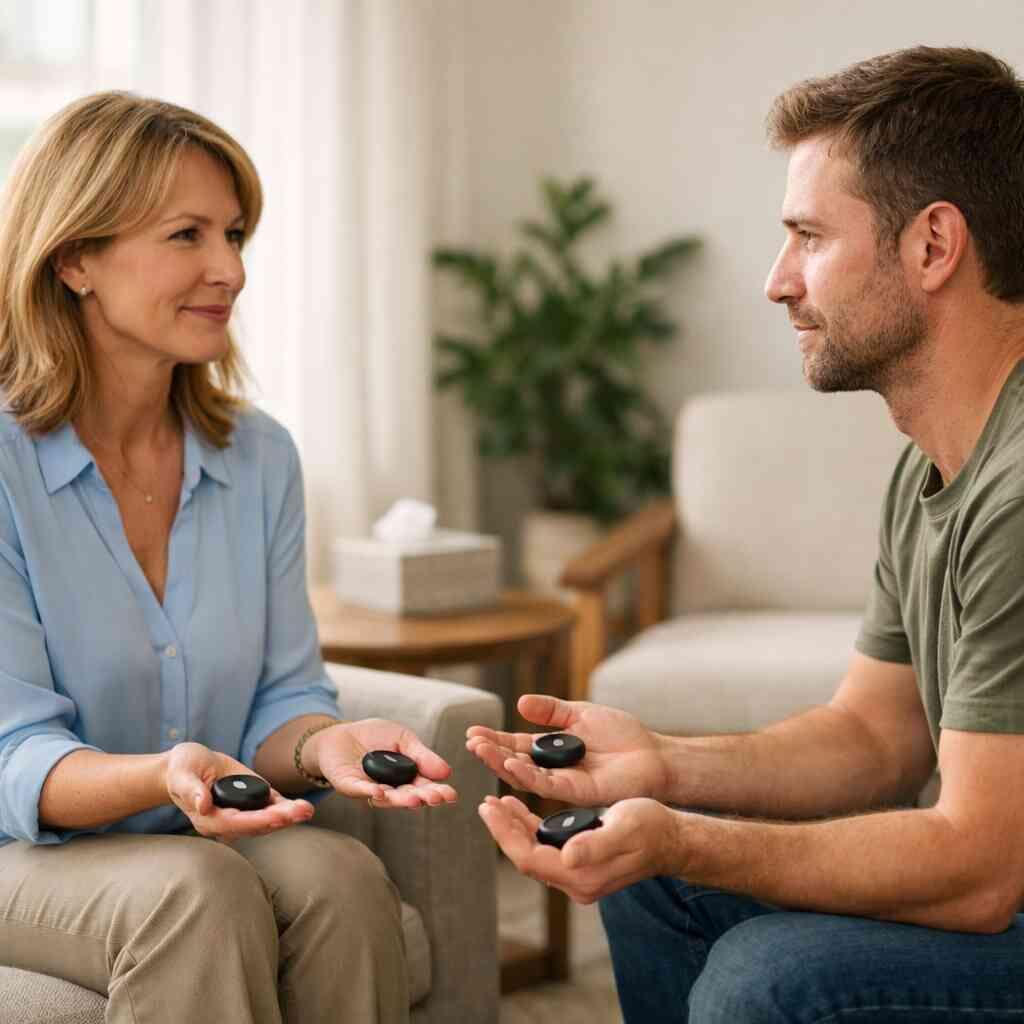
Cold water can interrupt a surge. Splash your hands. Hold a cool drink. Place a chilled cloth on the back of your neck. Texture can do the same job. Try a smooth stone, a soft sleeve, or a ridged keychain. The brain notices contrast, and contrast can pull you back from panic.
Paced breathing helps too. Breathe in for a count of four. Breathe out for six. Longer exhales tell the body it can lower the alarm. You do not need a perfect rhythm. You need a repeatable one. What matters most is consistency, especially when your nervous system is already on edge. Many clients also benefit from mindfulness meditation for anxiety management in summer, as long as it stays practical and brief.
When grounding stops being enough and you need medication management or higher-level PTSD treatment
Grounding helps, but it has limits. If you still cannot sleep, cannot function at work, or keep having flashbacks, the problem may need more than coping skills alone. That is not failure. It means your symptoms deserve more support. Trauma care often works best when skills and treatment move together.
At RECO Integrated Psychiatry, medication management for PTSD and anxiety can support the work you do in therapy. Some people also need a more structured level of care for a while. If symptoms are affecting substance use, relationships, or safety, look at broader trauma-informed self-care for hot weather in Delray Beach alongside clinical help. The right plan should feel supportive, not punishing.
“I have to thank reco for saving my life. I was on a long downward spiral and just couldn’t stop. I was mentally, emotionally, spiritually, and physically exhausted. Reco is hands down the best treatment center for treatment and therapy/mental health i have been to. I am eternally grateful to reco for giving me a solid start on my recovery journey.”– David B., a 5 star review from RECO Integrated Psychiatry on Google Business Reviews
-
Sleep hygiene for trauma recovery when Florida nights will not let you rest
Why summer sleep disruption can intensify nightmares, irritability, and intrusive thoughts
Sleep is where trauma symptoms often get louder. When nights stay hot and bright, sleep can break up more easily. That can intensify nightmares, irritability, and intrusive thoughts the next day. If you already live with PTSD, the body may feel like it never fully powers down. Summer can make that cycle worse.
Poor sleep also lowers frustration tolerance. Small problems feel huge. Sound feels sharper. Family contact feels harder. That is why sleep hygiene for trauma recovery is not a luxury. It is a stabilizing skill. If insomnia keeps showing up, it may be time to review sleep hygiene support for trauma recovery and insomnia with a clinician who understands trauma.
The evening routine that lowers stimulation after long days, bright light, and late sunsets
Start dimming the day earlier than you think. Lower indoor light. Put your phone on night mode. Keep the room cool if you can. Use a fan, light bedding, and a fixed wind-down sequence. The body learns from repetition. A routine can become a signal of safety.
Try this structure:
- Shut off intense news and social media.
- Take a warm shower, then cool the room.
- Drink water, but not too much.
- Read something easy.
- Use paced breathing for five minutes.
These are small actions, but they matter. On long summer evenings in South Florida, the late sunset can fool your brain into staying alert. A routine creates a boundary that the weather will not.
How CBT and medication support can help when insomnia becomes part of the trauma cycle
CBT for insomnia teaches your brain to separate bed from stress. It helps you reduce habits that keep you awake, like scrolling, napping too late, or lying in bed while anxious. For trauma survivors, CBT can also reduce the fear that comes with nighttime itself. That fear is real. It deserves attention.
Sometimes medication support helps break the cycle too. That might include short-term help for sleep, or treatment for anxiety that keeps you awake. The right plan depends on your history and symptoms. If you want coordinated care in Delray Beach, look for clinicians who understand both trauma and sleep. That is where psychiatric medication management for PTSD and anxiety can complement therapy instead of replacing it.
-
What to do when summer plans, crowds, and family contact become trigger territory
How to set boundaries for beach days, gatherings, and travel without isolating yourself
Boundaries do not have to be dramatic. They can be small and clear. You can say you will stay for one hour. You can drive yourself so you can leave. You can skip the hottest part of the day. You can choose a quieter beach access point instead of a packed stretch of sand. That is not avoidance. That is pacing. The mistake we see most often is all-or-nothing thinking. People either go full force or stay home completely. There is a middle path. You can protect your nervous system and still stay connected. That is especially useful in the Delray Beach recovery community, where summer events and family plans often overlap. 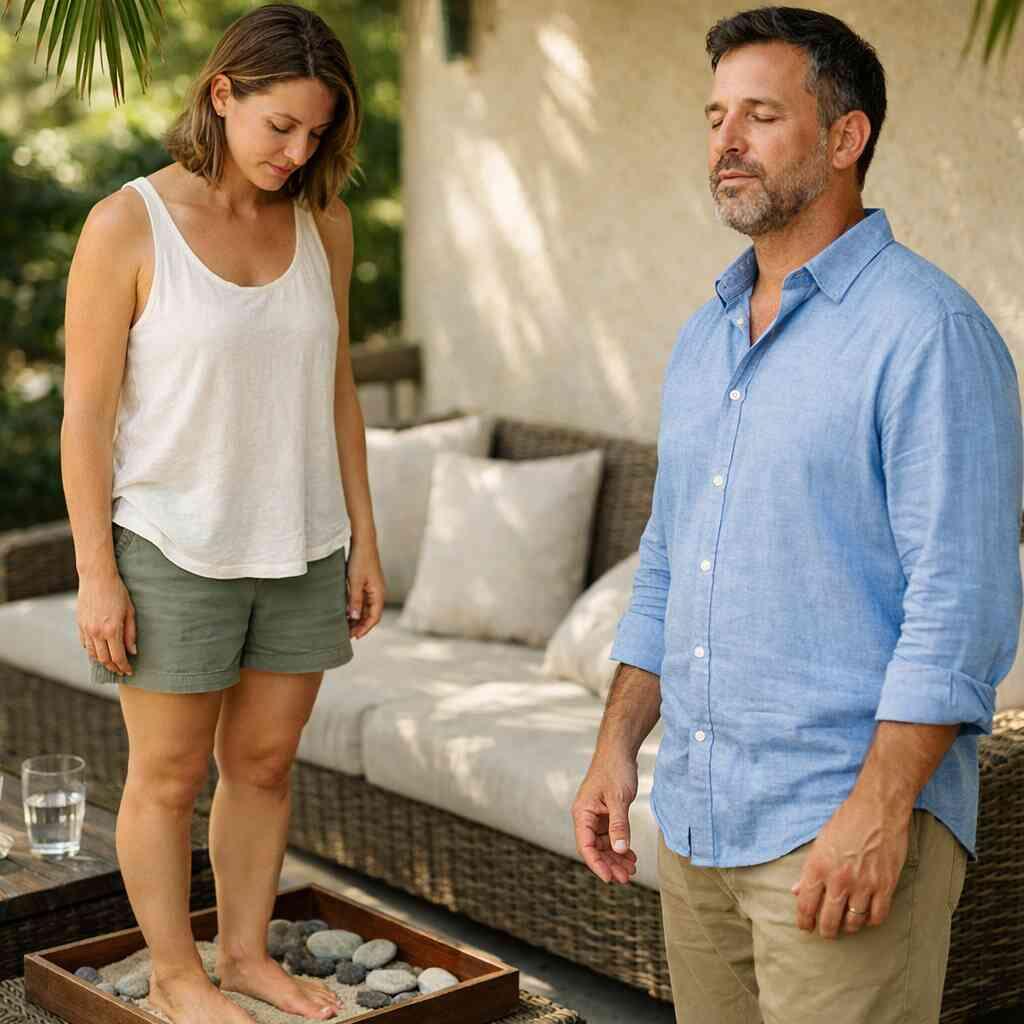
Why EMDR trauma therapy, dialectical behavior therapy, and cognitive behavioral therapy help with trigger management strategies
Different therapies help in different ways. EMDR trauma therapy helps many people process stuck trauma memories. DBT teaches emotional regulation and distress tolerance. CBT helps you challenge thoughts that fuel fear or shame. Together, they can strengthen trigger management strategies without asking you to just relax.
If you want to see how these approaches fit together, emotional regulation skills for trauma recovery in South Florida can be part of a larger plan. On busy weeks, it helps to know which skill is for the moment and which skill is for the long term. EMDR can help with deep processing. DBT can help you stay steady between sessions. CBT can help you track patterns and respond with more choice.
How to build a simple safety plan for panic, dissociation, or alcohol cravings management while you are out
Keep the plan short enough to use. Write it in your phone. Include three warning signs, three coping tools, and one person you can text. Add a leave-early plan. If alcohol or other substances are part of your history, add a specific step for cravings. That might mean calling support, leaving the event, or going somewhere with food and cold water.
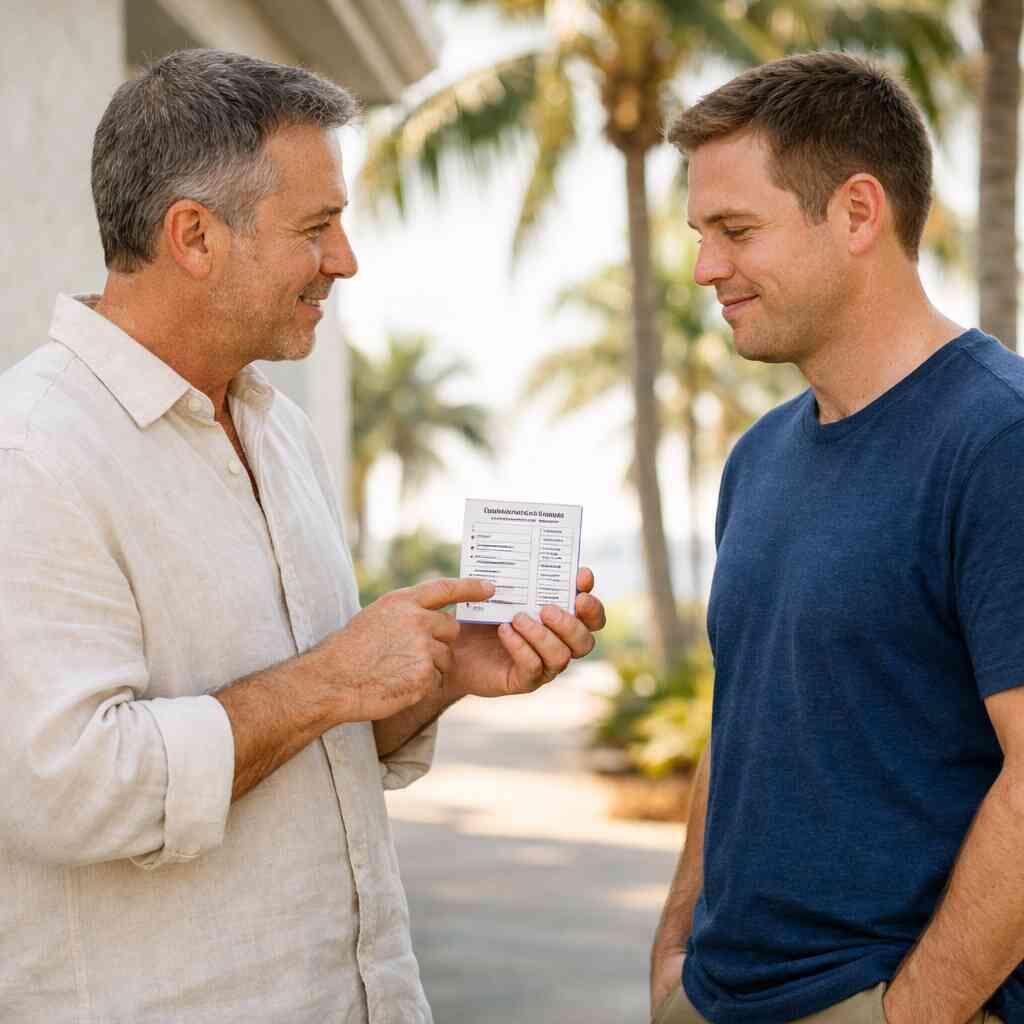
One woman we spoke with kept a small card in her bag. It listed her signs of dissociation, her grounding steps, and her ride-home plan. She said the card did not erase fear. It stopped fear from making every decision. That is often enough for the moment. For people who need more than self-management, dual diagnosis treatment for PTSD and substance co-occurring disorders can address both sides of the picture.
-
Why coping skills get stronger when you practice them in treatment, not just at home
How outpatient program Delray Beach options like PHP and intensive outpatient create structure for trauma recovery
Skills stick better when you practice them in structure. That is why a mental health PHP and intensive outpatient care in Delray Beach can be so useful. PHP gives you more support during the day. IOP gives you strong support while keeping more of your routine intact. Both can help you repeat coping skills enough for them to become usable under stress.
This matters in summer, when sleep, heat, and social pressure can all stack up. Treatment gives you a place to test skills before real life demands too much. You can learn what works, what fails, and what needs adjusting. That is much more effective than waiting for the next crisis to teach you.
Where group therapy activities, family therapy, and case management fit into long-term recovery
Group therapy helps you hear your own experience reflected back by others. That can reduce shame fast. Family therapy helps the people around you understand triggers, boundaries, and support needs. Case management helps with the practical side, like scheduling, referrals, and discharge planning. These pieces work together.
If your home life feels confusing, family support can make a real difference. It can also reduce the pressure on you to explain everything alone. Group therapy and family support for long-term recovery can strengthen the skills you practice in individual care. Here is what almost no online guide mentions: trauma recovery often improves when the system around you learns the same language as your therapist.
How dual diagnosis treatment addresses PTSD treatment alongside depression and addiction or co-occurring disorders
PTSD rarely travels alone. Depression, anxiety, alcohol use, and other substance problems often show up alongside it. NIDA supports the co-occurring disorder model because symptoms can feed each other. When anxiety rises, substance use may rise too. When substance use rises, sleep and mood often get worse. That loop needs coordinated care.
Dual diagnosis treatment for PTSD and substance co-occurring disorders helps because it treats the whole picture. That may include therapy, medication, relapse prevention, and practical support. If you have been trying to manage PTSD and depression and addiction on your own, that load is heavy. It is also treatable with the right level of care.
-
The recovery plan that holds up after summer ends and real life starts again
How aftercare support, relapse prevention, and sober living resources protect progress after the first wave of relief
Relief can be tricky. When symptoms ease, it is tempting to stop using the tools. That is usually when support matters most. Aftercare support helps you keep structure after the most intense phase of treatment. Relapse prevention helps you notice early warning signs before they grow. Sober living resources can add stability if home is not stable yet.
The point is not to stay in treatment forever. The point is to keep enough support around you while new habits take root. Aftercare support and relapse prevention for long-term recovery can help bridge that gap. Recovery tends to hold when it has structure, not just motivation.
When 12-step alternatives, SMART Recovery, and holistic recovery tools can fit beside clinical care
Not every person connects with the same recovery model. Some people value 12-step support. Others prefer SMART Recovery because it feels more skills-based. Holistic recovery tools, like yoga therapy, art therapy, and mindfulness meditation, can also help regulate the nervous system. The best plan often combines clinical care with daily support that fits your values.
That blend matters in beachside recovery communities like Delray Beach. A morning meeting, an evening walk, or a short breathing practice can all support the same goal. The key is consistency. You do not need a perfect system. You need a workable one that can survive stress.
How to use insurance verification, telepsychiatry in Florida, and licensed clinicians at RECO Integrated Psychiatry to keep care going
Cost worries stop many people before care starts. That is real. It helps to verify benefits early and ask about in-network, out-of-network, and self-pay options. It also helps to know that telepsychiatry can keep treatment steady when travel, heat, or schedule changes get in the way. For many Florida residents, that flexibility makes follow-through much easier.
If you are exploring care, use insurance verification and financial options for Florida psychiatric care, and ask about ongoing psychiatric support. RECO Integrated Psychiatry in Delray Beach offers evidence-based treatment with licensed clinicians, and it works alongside RECO’s broader recovery network. If you want a calmer plan for PTSD treatment, medication support, or ongoing trauma care, start with a simple call and a clear question: what level of support fits what I am living with right now?
Frequently Asked Questions
How long does detox last at a Delray Beach rehab?
Detox length varies by substance, dose, health history, and whether you need medical monitoring. Alcohol, opioids, benzodiazepines, and fentanyl can each follow different timelines. A clinician should assess you before giving any estimate. If you need detox, look for a licensed program that can explain withdrawal management clearly and safely.
Does RECO Integrated Psychiatry take my insurance?
Insurance coverage depends on your plan and benefits. The most accurate path is to complete insurance verification before starting care. That can help you understand in-network status, out-of-network benefits, and any self-pay options. If you want ongoing psychiatric care, the team can also discuss telepsychiatry for Florida residents.
What is the difference between PHP and IOP?
PHP, or partial hospitalization, usually offers more hours and structure than intensive outpatient care. IOP is less intensive and often fits better with work, family, or school. Both can support PTSD treatment, depression, anxiety, and co-occurring disorders. The right level depends on symptom severity and daily functioning.
Can I bring my phone to treatment?
Policies vary by program and level of care. Some programs allow limited phone use, while others restrict it during certain groups or early stabilization. Ask during intake so you know what to expect. Clear rules often reduce stress, especially if you are balancing family or work responsibilities.
Is family involved in the program?
Family involvement depends on your treatment plan and your consent. Family therapy can improve communication, boundaries, and support at home. It can also help loved ones understand trauma symptoms without taking over your care. Many people find that family education reduces conflict and shame.
What if I need help for depression but not addiction?
That is still a valid reason to seek care. PTSD, depression, anxiety, and sleep problems often need psychiatric support even without substance use. A thoughtful evaluation can clarify what you need and what you do not. Treatment may include therapy, medication management, or a lower level of outpatient support.
If summer in Florida has made your symptoms harder to carry, start with one practical move today. Check your current coping tools, write down your biggest trigger, and schedule a psychiatric evaluation if symptoms keep escalating. You do not have to solve every part of this at once, and you do not have to carry it by yourself.