Top 7 PTSD Coping Skills for Veterans Day 2026 in Delray
If you are reading this because your chest feels tight before a family gathering, that makes sense. Veterans Day can bring pride, grief, gratitude, and old alarms all at once. In Delray Beach, the buzz around Atlantic Avenue, beach crowds, and loud neighborhood gatherings can make those alarms feel louder. This guide offers practical PTSD […]

If you are reading this because your chest feels tight before a family gathering, that makes sense. Veterans Day can bring pride, grief, gratitude, and old alarms all at once. In Delray Beach, the buzz around Atlantic Avenue, beach crowds, and loud neighborhood gatherings can make those alarms feel louder. This guide offers practical PTSD coping skills for veterans, with clear steps you can use right away.
1) Grounding before the fireworks and family noise hits
Why Veterans Day gatherings in Delray Beach can spike hypervigilance
Hypervigilance is the brain’s habit of scanning for danger even when the room is safe. It often shows up as a stiff jaw, a racing heart, or the urge to sit near an exit. Family events can bring too many voices, too many questions, and too little control. That combination can make trauma triggers feel sudden and very real.
In South Florida, the setting matters too. Bright light, crowded patios, and constant motion near the beach can put extra strain on your nervous system. We hear this from people looking for veteran mental health support near Palm Beach County because they feel fine at home, then unravel in public. That shift is common, and it does not mean you are failing. It means your system is working overtime.
The fastest grounding techniques for PTSD triggers when your body feels on alert
Grounding is the act of bringing attention back to the present. Start simple. Name five things you can see, four things you can touch, three sounds you can hear, two smells, and one thing you can taste. That pattern gives your brain a task it can finish.
You can also use pressure and temperature. Hold a cold cup. Press both feet into the floor. Touch the seam of your jeans and describe it to yourself in plain words. These small acts help interrupt a trauma loop before it grows.
One client in Boca Raton kept a smooth coin in his pocket during holiday dinners. He would rub the edge with his thumb when he felt his shoulders rise. He said it gave him something concrete to hold onto when the room started to spin. That is the point. Grounding should be discreet, fast, and repeatable.
How to use sensory reset skills in public places along Atlantic Avenue or near the beach
Public settings do not have to trap you. Choose a reset plan before you leave. Pick a bench, a quieter side street, or a bathroom break spot where you can step away for two minutes. If the noise is building, reduce input on purpose.
Try this short reset:
- Relax your jaw.
- Drop your shoulders.
- Exhale longer than you inhale.
- Look for one blue object.
- Feel both heels on the ground.
If you need more structure, grounding techniques for PTSD symptoms can be taught in therapy and practiced until they feel natural. Here is the part most people miss: grounding works best when you use it before panic peaks. Waiting too long makes the body louder. Early action is calmer action.
2) The breathing pattern that calms a trauma loop before it takes over
How paced breathing lowers panic and helps control the stress response
Breathing changes the body’s alarm system. When you slow your exhale, you signal safety to the nervous system. That does not erase trauma, but it can lower the surge that comes with panic. Most people need fewer words and more rhythm in these moments.
A good starting point is paced breathing. Inhale through your nose for four counts. Exhale for six counts. Repeat for several cycles. That longer exhale helps reduce the stress response and may soften hyperarousal. If that feels too slow, shorten the count and keep the exhale longer than the inhale.
This is one reason relaxation techniques for anxiety in Delray Beach often begin with breath work. It is simple, portable, and easy to practice in a car, on a porch, or at the edge of a quiet park. You do not need perfect form. You need repetition.
When box breathing works better than longer relaxation drills
Box breathing can help when your mind keeps jumping. Breathe in for four, hold for four, breathe out for four, hold for four. The four sides give your mind structure. That structure can be useful when long meditation feels impossible.
Long relaxation drills are not always better. Some people get frustrated when they cannot “clear” their thoughts. Others feel more aware of their anxiety when they slow down too much. Box breathing can be easier because it has clear edges and a short cycle. It gives your brain a job.
If you have ever tried breathing work and thought, “This is awkward,” that is normal. The skill is not supposed to feel magical. It is supposed to be usable. Our trauma-informed psychiatric care in South Florida often starts with small, realistic tools before moving to deeper therapy work.
What to do when breathing exercises feel awkward or make you more aware of anxiety
Start with movement, then breathe. Walk slowly for one minute. Roll your shoulders. Unclench your hands. Then try a short breathing cycle. This lowers the chance that you will fixate on the breath itself.
If breath work still feels uncomfortable, shift to counting or naming objects. You can count backward from twenty. You can name every red thing in the room. You can also pair breathing with mindfulness meditation for trauma recovery when you are ready for a steadier practice. The goal is not to force calm. The goal is to lower the volume.
3) The sleep routine that keeps night terrors from stealing the next day
Why sleep hygiene matters so much for PTSD symptoms and mood
Sleep loss makes trauma symptoms louder. It can raise irritability, worsen concentration, and sharpen startle responses. Nightmares and fragmented sleep also make emotional control harder the next day. That is why sleep hygiene is not a luxury.
A strong routine means your body gets the same cues each night. Dim the lights. Reduce screens. Keep the room cool. Avoid heavy food and late caffeine. These habits tell the brain that sleep is coming.
If you want a deeper guide, sleep hygiene for PTSD symptoms is a core part of many treatment plans. Simple routines matter more than perfect ones. The body learns through repetition, not through pressure.
How to build a night plan that reduces insomnia, nightmares, and middle-of-the-night panic
A good night plan starts before bed. Choose one calming activity, such as reading, stretching, or quiet music. Keep a notebook nearby so you can write down looping thoughts. If nightmares wake you, do not argue with them in bed. Sit up, orient yourself to the room, and remind yourself where you are.
Try this structure:
- Set a regular wind-down period.
- Keep your phone away from the pillow.
- Use low light after evening tasks.
- Put water by the bed.
- If you wake up, use grounding before checking messages.
In treatment, the biggest mistake we see is trying to “catch up” on sleep by staying in bed longer. That often backfires. A steadier schedule usually helps more than a long recovery sleep.
When medication management may help and when to ask about psychiatric evaluation
Sometimes sleep problems need more than routine changes. If nightmares, panic, or mood symptoms stay intense, medication management for PTSD symptoms may help as part of a larger plan. Medication does not replace skills, but it can make skills easier to use. That is especially true when anxiety, depression, or pain keeps you awake.
A psychiatric evaluation is a good idea when sleep loss is lasting, severe, or tied to other symptoms. If you also notice heavy drinking, misuse of pills, or increased isolation, bring that up early. Co-occurring problems change the treatment plan. In those cases, coordinated care matters more than trying to fix sleep alone.
4) Why moving your body can interrupt trauma memory faster than talking alone
How walking near the Delray shoreline or a quiet park can reset the nervous system
Movement changes state. A slow walk can lower muscle tension and help your brain process the present instead of the past. In Delray Beach, a quiet walk near the shoreline or through a shaded park can work because the environment is predictable and open. You see more. You hear less threat. Your body notices space.
This is not about exercise goals. It is about regulation. Ten minutes can matter. Fifteen minutes can matter more. If you are carrying a heavy emotional load, a simple walk can be the difference between getting stuck and getting through the hour.
Many people searching for PTSD treatment in South Florida are surprised by how often movement is part of care. That is because the body holds stress in posture, breath, and muscle tone. Walking gives those systems a chance to discharge.
When yoga therapy and gentle stretching help with tension, pain, and emotional overload
Gentle stretching can be very useful when trauma shows up as tightness. Yoga therapy is not about athletic poses. It is about controlled motion, steady breath, and safe limits. If your shoulders live near your ears, or your back feels braced all day, slow stretching may help reduce the physical edge of stress.
This is where emotional regulation skills for trauma recovery fit nicely with body-based care. You are teaching your system to shift without shock. That matters for veterans who live in fight-or-flight mode. Gentle work can help the body learn a different baseline.
How to choose movement that supports recovery instead of pushing past your limits
Choose movement that leaves you steadier, not depleted. That could mean a walk, light cycling, stretching, or a short guided class. If your body feels flooded, avoid hard workouts that leave you more keyed up. Pain, dizziness, and emotional flooding are signs to scale back.
Use these checks:
- Can you breathe through it?
- Can you speak normally?
- Do you feel calmer after?
- Can you repeat it tomorrow?
If the answer is no, the activity may be too intense for this stage of recovery. Learning new skills takes time and practice. The goal is support, not punishment.
5) The thought check that keeps shame from running the show
How cognitive behavioral therapy skills help veterans challenge trauma-driven thoughts
Trauma often speaks in absolutes. “I should have done more.” “I can’t trust anyone.” “I am weak because I still react.” Cognitive behavioral therapy helps you examine those thoughts instead of obeying them. It asks a practical question: what is the evidence, and what else could be true?
This is why cognitive behavioral therapy for PTSD remains one of the most useful tools in trauma care. It does not erase pain. It reduces the power of distorted thinking. That can lower shame and improve choices under stress.
A thought check can be very short. Write the thought down. Identify the feeling. Ask what fact supports it and what fact does not. Then write a more balanced sentence. That process may feel clunky at first. It becomes faster with repetition.
What to do when guilt, anger, or numbness feels more convincing than the facts
Feelings are real, but they are not always accurate. Guilt can act like proof. Anger can feel protective. Numbness can feel safer than grief. These states often show up after combat trauma, loss, or long periods of stress. They can also be part of depression and anxiety after trauma. 
When the feeling is loud, do not debate it for too long. Label it. “This is guilt.” “This is anger.” “This is shutdown.” Then ask what action helps, not what feeling wins. That pause matters. It gives you back a small piece of control.
Why a written coping card can help during hard moments and trigger days
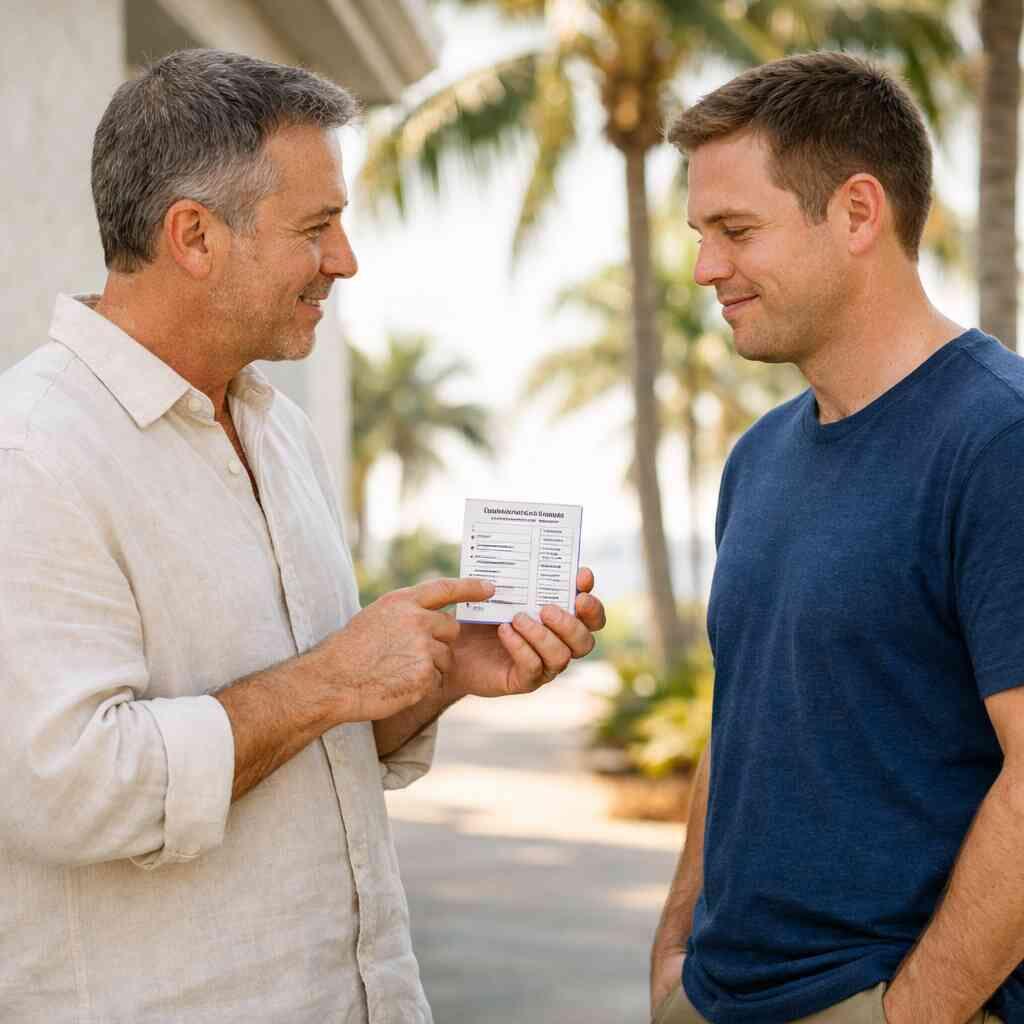
A coping card is a tiny script you can use when your mind goes blank. Keep it in your wallet or phone case. It should be short enough to read in one breath. The best cards are blunt and practical.
Include lines like:
- “This is a trigger, not a verdict.”
- “Breathe out longer than you breathe in.”
- “I can leave the room.”
- “Text one safe person.”
- “Eat, hydrate, and slow down.”
That small card can be a lifeline during trigger days. It works because it removes the need to think from scratch. When shame is loud, simple language helps most.
6) When talking to another person helps more than white-knuckling it alone
How group therapy and peer support reduce isolation after combat trauma
Isolation feeds trauma. The mind tells you that no one would understand, so you stop trying. Group support interrupts that pattern. It shows you that other people recognize the same jumpiness, avoidance, or guilt. That shared recognition can lower shame fast.
trauma-informed support groups for veterans give you a place to practice speaking without pressure. You do not need a polished story. You need a safe room, clear rules, and people who do not flinch at hard topics. Peer support can be especially helpful when you have spent years handling everything alone.
When family therapy can help loved ones respond without making symptoms worse
Families often want to help, but they may not know how. They might ask too many questions, push for details, or mistake withdrawal for rejection. Family therapy can teach them what helps and what makes symptoms worse. It also gives you language for boundaries.
If you are asking for family support for veterans after combat trauma, simple communication matters. Say what you need, what you do not need, and what a hard moment looks like before it grows. Loved ones usually do better when the plan is clear.
Why trauma-informed support works best when it includes clear boundaries and simple language
Trauma-informed care assumes that safety comes first. That means fewer surprises, direct speech, and respect for limits. It also means no shame for needing space, repetition, or a slower pace. In clinical settings, that style supports better trust and better follow-through.
RECO’s outpatient psychiatry in Delray Beach is built around clear communication and careful planning. That matters for veterans who need structure without feeling managed. Clear boundaries help people stay engaged. Simple language helps people use the tools.
7) The support plan that turns one hard day into a safer next month
How EMDR trauma therapy, outpatient psychiatry, and telepsychiatry can fit different needs
Some people need therapy that targets trauma directly. EMDR, or eye movement desensitization and reprocessing, is one evidence-based option for trauma work. It helps the brain process distressing memories in a structured way. For many veterans, that can reduce the sting of specific triggers over time.
Outpatient care can combine therapy and medication support. If travel is hard, telepsychiatry for Florida residents can keep treatment consistent. That is useful for people balancing work, school, family, or mobility limits. A flexible plan often keeps momentum from stalling.
When co-occurring depression, anxiety, or substance use changes the coping plan
Trauma rarely travels alone. Depression can flatten motivation. Anxiety can keep your body on edge. Substance use can look like relief at first, then make symptoms harder to manage. Co-occurring disorder treatment treats these as linked problems, not separate failures. That is the right frame.
If alcohol or drugs have become part of your coping, tell the clinician early. Treatment may need to include relapse prevention, medication support, and skills for urges. For some people, this means dual diagnosis treatment for PTSD and substance use. The plan should match the whole picture, not just the loudest symptom.
How aftercare planning and local South Florida recovery resources keep progress from stalling
Aftercare is where progress gets protected. It can include follow-up visits, therapy, peer support, and medication checks. It can also include sober routines, recovery meetings, and practical planning for stress days. In South Florida, that may mean using the local recovery community, especially when the coast and city pace start to feel overwhelming again.
If you want a next layer of support, RECO’s veterans Day support in Delray Beach can connect care with family support and ongoing planning. The goal is steady care, not dramatic change. Start with one coping skill, one support person, and one appointment. You do not have to solve everything today, and you do not have to carry it all alone.
Frequently Asked Questions
How long does detox last at a Delray Beach rehab?
Detox length depends on the substance, the dose, your health, and whether withdrawal is mild or severe. Alcohol, opioids, benzodiazepines, and stimulants can each follow different timelines. If you are dealing with PTSD and substance use together, the safest plan is individualized. A clinical evaluation can help determine whether detox, outpatient care, or a higher level of support is the right fit.
Does RECO Intensive take my insurance?
Coverage varies by plan, network status, and level of care. The best next move is to complete insurance verification before you make assumptions. That helps you understand benefits, deductibles, and any out-of-network options. It also reduces delays when you are ready to move forward.
What is the difference between PHP and IOP?
PHP, or partial hospitalization, usually involves more clinical hours and structure than IOP, or intensive outpatient. PHP works well when you need a higher level of support without inpatient admission. IOP gives more flexibility for work, family, or school. A clinician can help match the schedule to your symptoms, safety needs, and support system.
Can I bring my phone to treatment?
Policies vary by program and clinical phase. Some settings allow limited phone use, while others restrict it to protect focus and safety. The reason is simple: early recovery and trauma work often need fewer distractions. Ask about phone rules during intake so you know what to expect.
Is family involved in the program?
Family involvement can be very helpful, especially when trauma affects communication at home. Programs may offer family therapy, education, or planned support sessions. The goal is to improve understanding without putting pressure on you to explain everything at once. Clear boundaries and honest education usually help the most.
What if I need help for depression but not addiction?
That is a common reason people seek care. You do not need a substance problem to benefit from outpatient psychiatry, therapy, or a psychiatric evaluation. Depression, anxiety, sleep problems, and trauma symptoms can all be treated on their own or together. If you are unsure where to start, a brief assessment can point you to the right level of care.