Ultimate Guide to RECO Intensive Rehab Aftercare in 2026
The hardest part is often not detox. It is the quiet after. If you are staring at discharge papers, insurance emails, or a calendar with too much open space, that feeling makes sense. Recovery can wobble when structure disappears too quickly. That is why RECO Intensive aftercare planning in Delray Beach matters so much. At […]

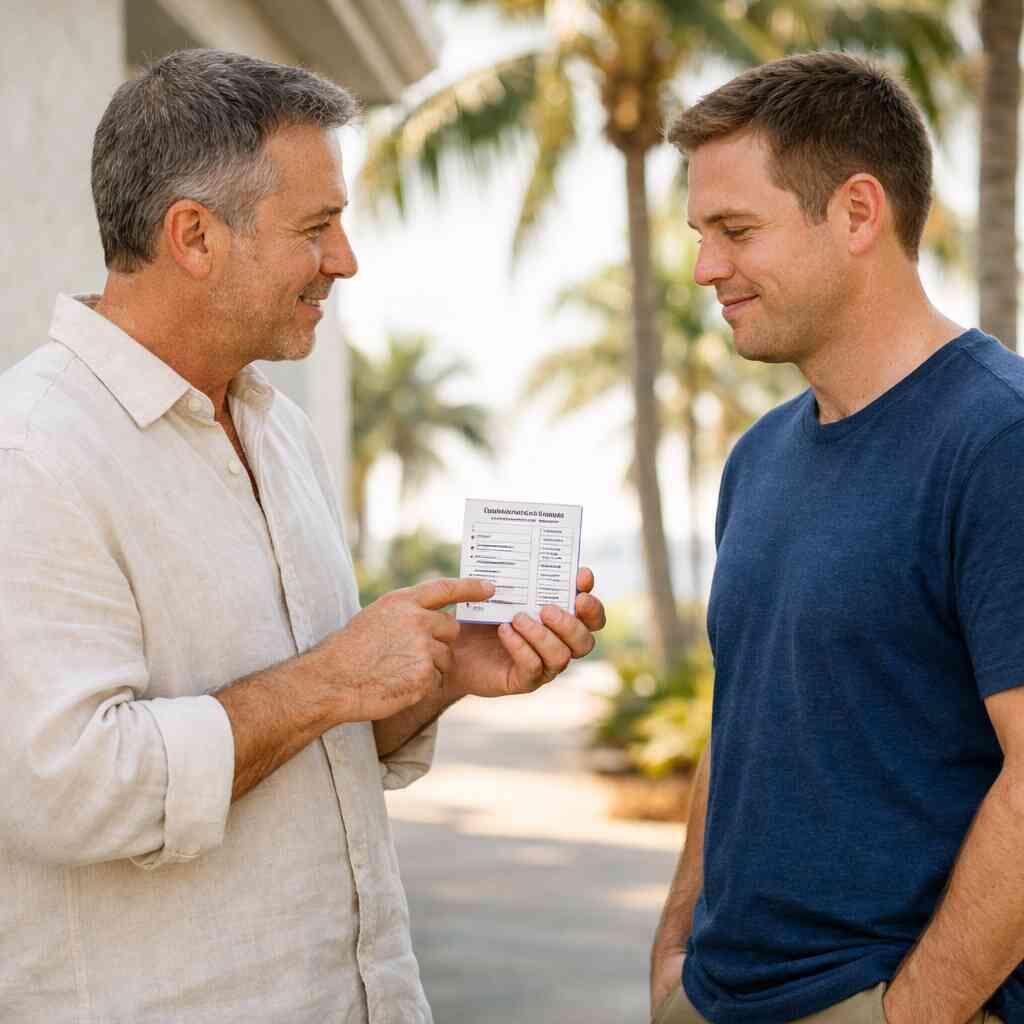
The hardest part is often not detox. It is the quiet after. If you are staring at discharge papers, insurance emails, or a calendar with too much open space, that feeling makes sense. Recovery can wobble when structure disappears too quickly. That is why RECO Intensive aftercare planning in Delray Beach matters so much.
At RECO Integrated Psychiatry, aftercare is not treated like a polite suggestion. It is built as a working plan for real life in South Florida. That means sleep, work, cravings, family tension, and mental health are named early. It also means your plan should fit the person, not the brochure.
“I had a wonderful, powerful, exceptional experience in recovery at RECO Integrated psychiatry/intensive,as well as all around mental,emotional and addictive therapy. The staff is wonderful , it is a safe space clean and modern . The exercises in mental health therapy was an amazing opportunity and full whole person addiction mental, physically and emotionally treatment. Very structured program, each day has a specific direction that follows a wonderful whole person treatment plan. Great therapist,peer to peer work as well . I enjoyed one on one and group sessions. I personally took part in PHP,IOP and they offer OP as well . The facility took us to meetings and groups almost every night except the day(s) they brought the meeting to the sober house I stayed in. We had outings and activities every week , equine therapy too. I can’t say enough about this facility,program and staff . I would recommend to anyone any age to consider RECO for a complete and thorough treatment facility. I have remained sober after coming home ,I am regaining confidence, lost relationships and a sober community since treatment . RECO gave me skills and realized dreams to stay clean and sober .”– Alisha S., a 5 star review from our business on Google Business Reviews
What people worry about after rehab ends and why that fear is usually about the missing plan
Why discharge without aftercare leaves too much room for relapse
Discharge without aftercare leaves a dangerous gap. Many people do well in a protected setting, then struggle when they return home alone. The trigger is often ordinary life, not some dramatic event: a text from an old friend, a bad day at work, or a quiet evening with no plan.
Here is the part most families miss: motivation is not a schedule, and motivation is not relapse prevention. A person leaving Delray Beach rehab care needs a structured week, clear contacts, and a plan for urges. Without that, the mind starts bargaining fast.
One client from a nearby coastal neighborhood described the first weekend home as “too quiet.” That is a common pattern. The apartment looked calm, but the silence felt loud. Once we mapped out check-ins, group therapy, and an evening routine, the risk dropped because the day had shape again.
How RECO Intensive aftercare planning turns the empty gap into a structured week
Good rehab aftercare planning turns uncertainty into a calendar. It should list wake-up times, therapy visits, support meetings, sleep goals, and backup steps for cravings. It should also name who to call if mood drops or a lapse happens. That is not extra detail. That is the point.
At RECO Integrated Psychiatry, planning works best when it connects medical care, therapy, and daily routine. For some people, that means an outpatient program in Delray Beach with psychiatry follow-up. For others, it means a step-down plan from a residential treatment facility or partial hospitalization program into intensive outpatient care. The plan should also include sober living resources when home is not stable.
What we have seen in 2026 is simple: people do better when their plan is concrete enough to follow on tired days. They do not need a speech. They need a map. They need repetition. They need honest check-ins.
The warning signs that say someone needs more than motivation and goodwill
Some warning signs are easy to miss because they look like stress. Skipping meals, sleeping too much, isolating, and missing appointments all matter. So do sudden irritability, secrecy, and renewed contact with old friends who still use. Cravings can build before a full relapse appears.
You should also pay attention to mental health signs. A person with depression and addiction may stop answering calls. Someone needing anxiety treatment may start avoiding everything. Bipolar disorder therapy becomes urgent when sleep drops and energy rises sharply. These patterns deserve action, not wishful thinking.
A quick checklist can help:
- repeated missed meetings or therapy visits
- renewed contact with people tied to use
- lying about money or time
- worsening sleep or appetite
- sudden shame, agitation, or flat mood
- talk about “just one time”
If several of these show up, the plan needs more support. That may mean stepping up care or adjusting medication management.
Why dual diagnosis treatment matters when depression anxiety PTSD or bipolar disorder are part of the picture
Dual diagnosis treatment matters because substance use rarely exists alone. SAMHSA and NIDA both recognize co-occurring disorders as a common treatment reality. A person may drink to quiet panic. Another may use opioids to blunt trauma. Someone else may chase cocaine to escape depression. If you only treat one side, the other side keeps driving the behavior.
That is why dual diagnosis treatment for substance use and mental health should be part of aftercare planning. PTSD treatment, anxiety treatment, bipolar disorder therapy, and depression and addiction care all need room in the plan. Evidence-based treatment works best when therapy and psychiatry move together. The goal is steadier mood, better coping, and fewer surprises.
The support stack that holds recovery in place when life gets loud again
What belongs in a real aftercare plan beyond sober living resources and meetings
A real plan is bigger than meetings alone. Meetings help, but they do not cover every risk. The plan should include sleep, food, medication, transportation, and crisis steps. It should also include sober living resources when the home environment is unstable.
Aftercare support usually works best when it includes:
- case management
- life skills training
- vocational support
- coping skills practice
- family therapy
- medication follow-up
- relapse prevention planning
If you are looking at Florida addiction treatment and recovery care, ask what happens after discharge. Ask how they handle transitions. Ask who updates the plan when work hours change. The best programs do not hand you a packet and disappear.
When PHP, IOP, and an outpatient program in Delray Beach make sense after higher levels of care
This part is confusing for many families, and that is normal. PHP means partial hospitalization program. IOP means intensive outpatient. Outpatient is lighter still. Each level serves a different need, and the right fit depends on stability, safety, and symptoms.
Here is a simple comparison:
Level of careBest forTypical structurePartial hospitalization programHigh support after a residential treatment facility or detoxMany hours most daysIntensive outpatientOngoing treatment with more time at homeSeveral sessions per weekOutpatientMaintenance, psychiatry, and follow-upFewer visits, more independenceFor many people, a partial hospitalization program in South Florida makes sense right after higher care. Others do well in an outpatient program in Delray Beach once sleep, cravings, and mood are steadier. If you are comparing PHP and IOP care in Palm Beach County, ask how much daily structure you truly need.
How CBT, DBT, EMDR trauma therapy, and group therapy activities fit into long-term recovery
Therapy should not feel random. Cognitive behavioral therapy, or CBT, helps people notice thought traps. Dialectical behavior therapy, or DBT, gives tools for distress tolerance and emotional control. EMDR trauma therapy helps many people process trauma without staying stuck in it. These methods have strong evidence for many patients.
If trauma sits underneath the substance use, trauma therapy South Florida care matters. A person with PTSD may need more than talk therapy. They may need structured work that lowers body tension and shame. EMDR trauma therapy in South Florida can be part of that path.
Group therapy also matters. Group therapy activities for recovery in Delray Beach help people practice honesty, boundaries, and feedback. That practice is hard at first. It gets easier with repetition.
Where medication-assisted treatment and addiction psychiatry help with opioid recovery support and alcohol rehab aftercare
Medication-assisted treatment is often a smart part of care. For opioid recovery support, Suboxone maintenance can reduce withdrawal and cravings. Vivitrol injections may help some people, especially when adherence is a concern. These medications are not shortcuts. They are medical tools used with monitoring.
This matters in fentanyl treatment, heroin recovery, prescription pill addiction, and benzodiazepine withdrawal planning. Alcohol rehab aftercare may also benefit from medication support, depending on the clinical picture. Psychiatry and medication management can help when depression, anxiety, or sleep problems keep pushing use. RECO’s approach fits with psychiatry and medication management for recovery while staying focused on the person in front of the clinician.
How family therapy, life skills training, case management, and vocational support keep relapse prevention practical
Recovery lives in daily details. That is why family therapy, life skills training, and case management matter so much. A person may know the right answer and still miss rent, miss work, or blow up a conversation. Practical support closes that gap. 
Family therapy support for recovery in Delray Beach can reduce blame and improve communication. It can also help families stop confusing support with rescue. Life skills training may cover budgeting, meal planning, and time management. Vocational support helps people return to work without shame or chaos.
One family we spoke with had three generations under one roof and no shared routine. The tension was constant. Once the recovery plan included job coaching, weekly family check-ins, and grocery planning, the house became less reactive. Nothing magical happened. Structure did.
Why SMART Recovery, 12-step alternatives, mindfulness meditation, yoga therapy, and art therapy all have a place
There is no single recovery style that fits everyone. SMART Recovery helps people use practical tools and self-management. 12-step alternatives can feel better for those who want less spiritual language. Mindfulness meditation trains attention. Yoga therapy helps with body tension. Art therapy can unlock feelings that do not fit words yet.
These options are not decorative. They support coping skills, emotional regulation, and stress reduction. A person with dual diagnosis may need more than talk therapy alone. Holistic recovery works best when it sits beside evidence-based treatment, not instead of it. In early recovery, small calming habits can prevent a hard night from turning into a crisis.
What to do next when the house is quiet, the cravings are not, and the calendar needs structure
How to choose a rehab or alumni program that matches real needs instead of marketing language
A strong program should explain what it actually does. Ask how it handles co-occurring disorders, follow-up visits, and relapse prevention. Ask whether it offers alumni program support, aftercare support, and case management. If the answers stay vague, keep looking.
The phrase “best rehab” means little without details. Ask about licensed clinicians, Joint Commission accreditation, and evidence-based treatment. Ask how the program supports young adult rehab, professional program needs, LGBTQ+ affirmative treatment, veterans addiction help, and gender-specific treatment. The right fit feels calm, clear, and specific.
If you are reading RECO Intensive reviews, read them for themes, not hype. Good programs sound consistent. They speak about process, not miracles. That is the tone you want.
What insurance verification, self-pay options, and out-of-network benefits usually mean for families
Money worries can hit hard after discharge. That fear is real, and it deserves plain language. Insurance verification tells you what your plan may cover. Self-pay options mean you pay directly. Out-of-network benefits may still help, even if the provider is not in every network.
If you are comparing Florida rehabs that take insurance, ask for a benefits review before you commit. Mention Aetna, Cigna, and Blue Cross Blue Shield if those are your carriers. Also ask about out-of-network benefits and any remaining balances. Clear answers reduce panic.
Why Delray Beach and South Florida recovery community supports can matter after discharge
Place matters more than people admit. Delray Beach has a strong recovery community, and that can help after discharge. There are meetings, sober events, and peers who understand the rhythm of early recovery. The Atlantic Avenue energy is lively, but nearby green spaces and beachside recovery routines can also calm the nervous system.
Delray Beach recovery community resources can help when weekends feel empty. South Florida recovery support also extends into Palm Beach County treatment centers, Broward County rehab, Miami addiction help, Fort Lauderdale detox, West Palm Beach mental health, and Boca Raton outpatient care. That local network matters when transportation, timing, and familiarity shape whether someone shows up.
When to ask about Suboxone maintenance, Vivitrol injections, or psychiatric follow-up for depression and anxiety treatment
Medication questions should come early, not after a setback. If opioid recovery support is the issue, ask about Suboxone maintenance. If alcohol cravings are intense, ask whether Vivitrol injections fit the plan. If mood swings or panic are driving use, psychiatric follow-up may matter just as much.
The same is true for depression and anxiety treatment. A person can leave rehab sober and still feel miserable. That pain can lead right back to use. Addiction psychiatry helps sort out what is withdrawal, what is anxiety, and what is a medication issue. That distinction is important.
How to use the RECO Intensive location at 140 NE 4th Avenue, Delray Beach, FL 33483 as a stable point for ongoing care
A stable address can be more than a map pin. It can be a place where the next appointment feels real. The RECO Intensive location at 140 NE 4th Avenue, Delray Beach, FL 33483 sits close enough to South Florida life without feeling buried in it. For many people, that balance helps.
If you are searching for a mental health IOP near Delray Beach, consider how easy it is to return for follow-up. Ask about telepsychiatry for Florida residents if in-person visits are hard. Ask how the team coordinates with RECO Intensive rehab and recovery network care and RECO Health Network care resources. Consistency is easier when the path back is simple.
What a steady long-term recovery plan looks like when the goal is not perfection but consistency
Long-term recovery rarely looks dramatic. It looks like showing up after a hard week. It looks like taking medication on time. It looks like calling before a slip becomes a relapse. It looks like adjusting the plan without shame.
A solid plan includes:
- ongoing therapy
- medication management
- support meetings or SMART Recovery
- sleep and nutrition routines
- family involvement when helpful
- relapse prevention check-ins
- alumni contact or peer support
If you need a grounded place to start, ask for a treatment planning review. You can also ask how aftercare support for long-term recovery in South Florida is handled between visits. You do not have to solve everything today. Start with one call, one verified benefits check, and one scheduled follow-up.
Frequently Asked Questions
Question: What does RECO Intensive aftercare include for someone finishing Delray Beach rehab in 2026?
Answer: RECO Intensive aftercare is designed to turn the uncertainty after discharge into a clear, realistic plan. For many people leaving Delray Beach rehab, that means coordinated rehab aftercare planning that may include outpatient program Delray Beach support, mental health IOP, partial hospitalization program step-down care, medication follow-up, relapse prevention tools, and sober living resources when home is not stable. At RECO Integrated Psychiatry, the goal is to keep the structure strong enough for real life in South Florida recovery while still adapting to each person’s needs. We also pay close attention to co-occurring disorders, coping skills, family therapy, and long-term recovery planning so the next step feels manageable instead of overwhelming.
Question: How does the Ultimate Guide to RECO Intensive Rehab Aftercare in 2026 help families understand dual diagnosis treatment and co-occurring disorders?
Answer: The guide is meant to help families see that addiction rarely exists alone. Dual diagnosis treatment matters when depression and addiction, anxiety treatment, bipolar disorder therapy, PTSD treatment, or other co-occurring disorders are part of the picture. RECO Integrated Psychiatry approaches aftercare with the understanding that mental health symptoms can drive cravings and relapse risk if they are not addressed directly. That is why our planning may include evidence-based treatment, cognitive behavioral therapy, dialectical behavior therapy, EMDR trauma therapy, and medication-assisted treatment when clinically appropriate. Families often feel relief when the plan explains not just what to do, but why each part matters, because clarity lowers fear and improves follow-through.
Question: What therapy options are commonly used after South Florida detox or residential treatment facility care?
Answer: After South Florida detox or a residential treatment facility stay, many people need a step-down plan that keeps momentum going without creating burnout. Common options include PHP and IOP, outpatient psychiatry, family therapy, group therapy activities, and targeted trauma therapy South Florida care. Depending on the person, RECO Integrated Psychiatry may also recommend CBT, DBT, EMDR trauma therapy, mindfulness meditation, yoga therapy, art therapy, or SMART Recovery and 12-step alternatives. These supports are not decorative extras. They help build coping skills, emotional regulation, and relapse prevention habits that can hold up in daily life. When needed, we also coordinate with Florida addiction treatment services so the person has continuity across levels of care.
Question: When should someone ask about Suboxone maintenance, Vivitrol injections, or addiction psychiatry after opioid rehab Delray?
Answer: It is best to ask early, not after a setback. If someone is leaving opioid rehab Delray care, or recovering from fentanyl treatment, heroin recovery, or prescription pill addiction, medication options like Suboxone maintenance or Vivitrol injections may be worth discussing as part of a broader aftercare plan. The right choice depends on the clinical picture, history, and goals, so addiction psychiatry helps sort out what is most appropriate. RECO Integrated Psychiatry also looks at anxiety treatment, depression and addiction, sleep issues, and medication management because those factors can affect relapse risk. For some people, medication-assisted treatment is a stabilizing bridge that supports long-term recovery while therapy and routine take hold.
Question: How can I know if RECO Integrated Psychiatry is the right fit when comparing Florida rehabs that take insurance?
Answer: A good starting point is to look for clarity, consistency, and clinical depth. When comparing Florida rehabs that take insurance, ask about insurance verification, Aetna, Cigna, Blue Cross Blue Shield, out-of-network benefits, and self-pay options before making a decision. You should also ask how the program handles dual diagnosis treatment, relapse prevention, alumni program support, case management, life skills training, vocational support, and aftercare support. RECO Integrated Psychiatry is based at 140 NE 4th Avenue, Delray Beach, FL 33483 and serves South Florida with outpatient psychiatry, telepsychiatry for Florida residents, and a coordinated approach to long-term recovery. If you are searching for a drug rehab near me or an outpatient program Delray Beach that values evidence-based treatment and a compassionate, human tone, that kind of detail can help you decide with confidence.