What Families Should Know About RECO Intensive Rehab 2026
If you are reading this because someone you love feels harder to reach each day, take a breath. That fear is heavy, and it can make every phone call feel bigger than it should. Families in Delray Beach and across South Florida often say the same thing: they want help, but they do not want […]

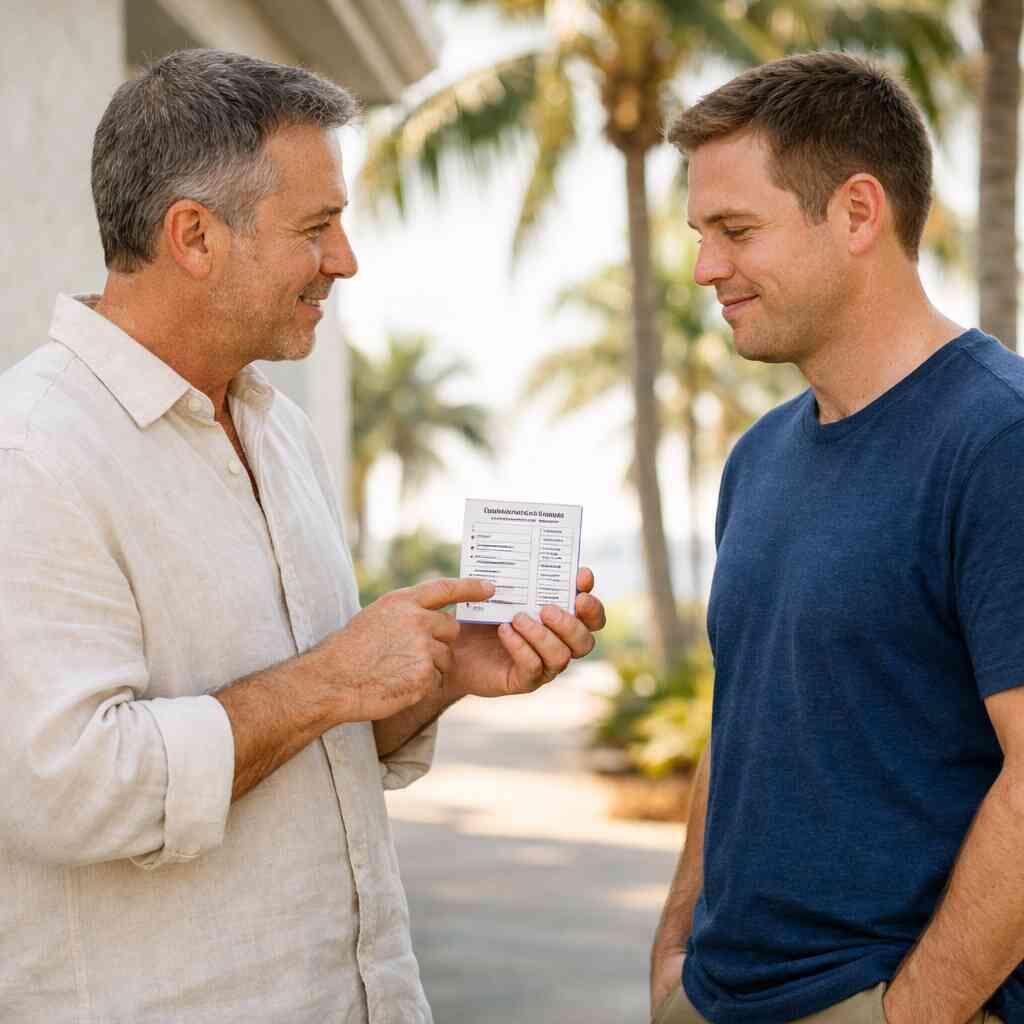
If you are reading this because someone you love feels harder to reach each day, take a breath. That fear is heavy, and it can make every phone call feel bigger than it should. Families in Delray Beach and across South Florida often say the same thing: they want help, but they do not want to make the wrong move. That is exactly why clear information matters.
What families worry about before they ever walk into a Delray Beach rehab
A loved one can seem ready at breakfast and resistant by dinner. That change is not always manipulation. Often, it reflects shame, withdrawal, fear of detox, or a mind that is already split between relief and denial. Families searching for what families should know about intensive rehab in Delray Beach usually need two things at once: reassurance and specifics.
Why a loved one may look ready one day and resistant the next
Readiness often comes in waves. One day, the consequences feel impossible to ignore. The next day, the person may fear losing work, privacy, or control. If alcohol, opioids, cocaine, benzodiazepines, or prescription pills are involved, the brain can also pull hard toward the familiar, even when the body is suffering. That push and pull is common in alcoholism treatment center settings, opioid rehab Delray care, and cocaine detox Florida referrals.
Here is the part most families miss. Resistance does not always mean refusal. Sometimes it means the person is scared of how much help they may need. In the projects we have completed this year, the most successful calls started after a calm, honest conversation, not a confrontation. A father in Palm Beach County once told us he had rehearsed a speech for days, then used it for thirty seconds. He stopped arguing, described what he saw, and asked for an evaluation instead. That changed the tone immediately.
What signs of addiction and co occurring disorders families often miss at home
The obvious signs are easier to spot. Missed work. Empty bottles. Mood swings. But co-occurring disorders can hide inside daily life. Depression and addiction often look like fatigue, isolation, or irritability. Anxiety treatment needs may look like control issues. Bipolar disorder therapy needs may look like bursts of energy followed by collapse. In many homes, these patterns blend with substance use until nothing feels clear.
Families also miss quieter warning signs. Sleeping at odd hours. Avoiding meals. Losing interest in pets, hobbies, or the beach routine they once loved. In Delray Beach, a person may still go to Atlantic Avenue or the oceanfront yet feel detached and numb. That contrast matters. It can point toward dual diagnosis treatment, where mental health and substance use are addressed together rather than separately.
How the pressure around detox, insurance, and judgment keeps people from calling sooner
Many families delay because the process feels intimidating. South Florida detox sounds urgent. Insurance feels confusing. A loved one may also worry about being judged by friends, coworkers, or family. That fear is real. It can keep people from asking about a residential treatment facility, partial hospitalization program, or mental health IOP even when they need help.
A second fear is practical. Families want to know how long detox is, what the cost may be, and whether the plan is realistic. That is sensible. It is also why family support during rehab in South Florida should include clear insurance verification, a plain explanation of levels of care, and an honest discussion about safety. If you are comparing Florida addiction treatment options, you deserve more than marketing language.
Inside the RECO Intensive rhythm, from intake to the first real day of stability
At RECO Integrated Psychiatry, the goal is not to process people. It is to understand them. That matters because the first day often shapes the rest of treatment. A strong intake process can separate substance effects, psychiatric symptoms, and medical risk before the wrong plan starts. Families looking at RECO Intensive rehab programs in Delray Beach often want to know what the rhythm actually feels like, not just what the brochure says.
What happens during the intake process and psychiatric evaluation at a South Florida outpatient program
The intake process usually starts with a focused history. Clinicians ask about substances, medications, sleep, panic, trauma, past treatment, and current safety. A psychiatric evaluation follows when symptoms suggest depression, anxiety, ADHD, bipolar disorder, PTSD, or psychosis risk. This is where evidence-based treatment begins to feel personal. The team can then decide whether outpatient program Delray Beach care fits, or whether South Florida detox is needed first.
What we have seen in 2026 specifically is that families often expect one problem and find three. Substance use, trauma, and mood symptoms tend to show up together. That is why psychiatric evaluation and medication management matter so much. They help prevent a rushed placement that looks good on paper but fails in real life. If a loved one needs clarification on symptoms, psychiatric evaluation and medication management can guide the next move.
When PHP and intensive outpatient make sense compared with residential treatment facility care
This question comes up constantly. PHP versus IOP is not about which one is “better.” It is about structure, safety, and support. A partial hospitalization program in South Florida usually offers more hours of care and more clinical contact. Intensive outpatient, by contrast, provides strong support while leaving room for work, school, or family duties. For many people, that step-down model works better than inpatient rehab Palm Beach County care.
Level of careBest fitMain advantageResidential treatment facilityHigh instability, unsafe home setting, severe relapse riskFull-time supportPartial hospitalization programNeeds daily structure but can return home safelyHigh clinical intensityIntensive outpatientSome stability, stronger coping skills, outside responsibilitiesFlexibility with strong supportFamilies asking PHP vs IOP for South Florida recovery should also ask about the home environment. A calm home can support IOP. A chaotic one may push someone back into risk. That is a clinical issue, not a moral one.
How medical decisions can include medication management, Suboxone maintenance, Vivitrol injections, or referral to detox when needed
Medical care should match the substance pattern and the person’s history. For opioid use disorder, medication-assisted treatment can include Suboxone maintenance or Vivitrol injections, depending on the plan and clinical fit. For alcohol use disorder, medication options may also be considered. These are not shortcuts. They are tools that can reduce cravings and improve safety when used carefully.
Sometimes the right decision is referral to detox first. That may be true for fentanyl treatment, heroin recovery, benzodiazepine withdrawal, or heavy alcohol use. Benzodiazepine withdrawal can be especially risky and should never be handled casually. SAMHSA guidance supports matching care to withdrawal severity and psychiatric need. The point is not to force a path. The point is to reduce harm and stabilize the person enough for therapy to work.
What a day can look like with group therapy, CBT, DBT, EMDR trauma therapy, and family therapy
A useful day has rhythm. It may include group therapy activities, psychoeducation, skill practice, and time for medication review. Cognitive behavioral therapy helps people spot the thoughts that drive use. Dialectical behavior therapy helps with distress tolerance and emotion regulation. EMDR trauma therapy can help some patients process trauma linked to relapse. Family therapy adds another layer by changing the pattern at home.
Families often ask for a simple picture. Think of it like this: morning check-in, clinical work, lunch, more therapy, then a review of coping skills. Some programs also add yoga therapy, art therapy, and mindfulness meditation as part of holistic recovery. Those supports are not replacements for clinical care. They help people regulate enough to stay present. The intensive outpatient program in Delray Beach can be a strong fit when that structure is needed without overnight care.
The family role that actually helps instead of accidentally slowing recovery
Family support during rehab can be powerful. It can also backfire when it turns into rescue, surveillance, or arguments at midnight. Families do not need perfection. They need a plan that lowers chaos and increases consistency. That is where how families can support recovery at a Delray Beach treatment program becomes more than a phrase. 
How to support without rescuing, arguing, or turning home into a surveillance system
Rescuing looks kind on the surface. In practice, it can keep addiction alive. Paying repeated consequences, calling in sick for someone, or demanding proof of sobriety every hour can all feed a bad pattern. The better move is to set clear limits and stick to them. Support should feel steady, not chaotic. One family in Broward County told us they had moved to “monitor mode” after discharge. They checked bags, interrogated texts, and argued about every missed call. Within days, home felt like a checkpoint. Once they shifted to agreed-upon boundaries and scheduled check-ins, everyone relaxed. The relationship still needed work, but it stopped feeling like a courtroom. ### Why aftercare planning, sober living resources, and alumni support matter long after discharge
Discharge is not the finish line. It is the handoff. Aftercare planning for long-term recovery in Palm Beach County should include sober living resources, ongoing therapy, and relapse prevention. It may also include 12-step alternatives, SMART Recovery, or a mix of both. The right choice depends on values, readiness, and clinical need.
Families often underestimate how useful alumni support can be. RECO Intensive alumni programs help people stay connected after formal treatment ends. That connection matters because recovery weakens in isolation. A sober person still needs reminders, structure, and peers who understand the work. If the home setting is unstable, sober living can bridge the gap while life skills and coping skills build.
How to use family therapy, case management, and life skills training to protect long term recovery
Family therapy is not just a support meeting. It is a clinical tool that can change how conflict, fear, and trust are handled. Family therapy for addiction and mental health recovery often helps relatives stop speaking in crisis language and start speaking in problem-solving language. Case management can then help with transportation, appointments, school, work, and sober living placement. Life skills training adds practical structure.
That practical work may include nutritional counseling, budgeting, job planning, and routines for sleep and exercise. It sounds simple. It is not. People leaving addiction often need to relearn ordinary life. That is why life skills, vocational support, and consistent aftercare support matter so much in long-term recovery.
What to do when the main issue is depression and addiction, trauma therapy South Florida, PTSD treatment, anxiety treatment, or bipolar disorder therapy
If substance use sits beside untreated depression, trauma, anxiety, or bipolar disorder, treatment must address both. Dual diagnosis care and SAMHSA both emphasize the co-occurring disorder model. That means one problem does not wait politely for the other to finish. The psychiatric side and the addiction side need shared planning. Bipolar disorder and dual diagnosis support become especially important when mood swings fuel relapse or when medication history is complex.
Sometimes families focus so much on substances that they miss the pain underneath. A person may be drinking to quiet trauma, or using pills to sleep after panic spikes. In those cases, depression and addiction require a careful, layered approach. CBT, DBT, and EMDR can help, but only if the person feels medically and emotionally safe enough to stay engaged.
The next move when you need answers and a plan, not a panic spiral
A search for “drug rehab near me” can turn into a fog of ads, claims, and empty promises. Families do better when they compare programs by clinical fit, not slogans. You want licensed clinicians, clear levels of care, honest answers, and a plan that matches the person in front of you. Florida recovery and addiction treatment context matters because local access, transportation, and follow-up all affect success.
How to compare Florida addiction treatment options without getting lost in marketing
Start with basics. Ask whether the program offers evidence-based treatment, dual diagnosis treatment, and a real transition plan. Ask how they handle alcohol withdrawal, cocaine use, opioid use, or prescription pill addiction. Ask whether therapy includes CBT, DBT, EMDR, group therapy, and family support. If a center cannot answer clearly, keep looking.
A strong program should also explain its limits. Not every outpatient program Delray Beach is right for every person. Not every case belongs in a residential treatment facility. The most helpful centers say so directly. That honesty is often more valuable than polished branding. It shows you are speaking with clinicians, not a sales script.
What to ask about insurance verification, out of network benefits, and self pay options before admission
Insurance questions can feel awkward, but they should not. Ask about Aetna, Cigna, Blue Cross Blue Shield, out-of-network benefits, and self-pay options before admission. Ask what the estimate covers and what it does not. Ask whether the facility helps with insurance verification for Florida rehab and private treatment options. That one call can save days of confusion.
Families around West Palm Beach mental health, Boca Raton outpatient care, and Fort Lauderdale detox often compare several providers at once. That is smart. Keep the same questions for each one. Compare admissions speed, clinical depth, and follow-up support. The best option is usually the one that gives the clearest path, not the loudest promise.
When to look for dual diagnosis treatment, young adult rehab, LGBTQ plus affirmative treatment, veterans addiction help, or gender specific care
Some people need more specific support. Young adult rehab may help when identity, school, and early independence are part of the picture. LGBTQ plus affirmative treatment matters when shame or discrimination has made honesty feel unsafe. Veterans addiction help should account for trauma, structure, and service culture. Gender-specific care can also reduce distraction and increase honesty for some patients.
If a family member has trauma plus substance use, ask about trauma therapy South Florida options. If the person has medical complexity, ask about medication management. If the person needs support with depression and addiction, ask how the program coordinates psychiatry and therapy. Treatment-resistant depression and recovery care can require a different cadence, especially when medications, TMS, Spravato, or ketamine are part of the conversation.
How RECO Intensive location at 140 NE 4th Avenue Delray Beach FL 33483 fits into South Florida recovery decisions and what families can do today
RECO Intensive location matters because recovery is easier when access is realistic. The center at 140 NE 4th Avenue Delray Beach FL 33483 sits inside a familiar South Florida recovery setting, close to the beachside calm that many families value. It also sits near the bustle of Atlantic Avenue, where practical access matters for admissions, family visits, and step-down care. For families in Palm Beach County treatment centers, Broward County rehab, Miami addiction help, or nearby communities, that local fit can matter as much as the program itself.
Today, you can take a grounded next step. Make a short list of three questions about detox, three about insurance, and three about therapy. Then call one program and ask them plainly. If you need a place to start, use our medical detox process and ask how psychiatric care, family therapy, and aftercare support fit together. You do not have to sort out every detail tonight. Start with one call, one clear conversation, and one honest answer.
Frequently Asked Questions
How long does detox last at a Delray Beach rehab?
Detox length depends on the substance, dose, health history, and withdrawal risk. Alcohol, opioids, benzodiazepines, and polysubstance use can each follow different timelines. A clinical team should assess safety first and adjust care based on symptoms. If withdrawal is severe, inpatient or medically supervised detox may be needed before outpatient treatment begins.
Does RECO Intensive take my insurance?
That depends on your plan, network status, and benefits. The safest move is to ask for insurance verification before admission. Have your policy details ready, including the carrier name and member number. The admissions team can then review potential coverage, out-of-network benefits, and self-pay options.
What is the difference between PHP and IOP?
PHP, or partial hospitalization, provides more clinical hours and more structure. IOP, or intensive outpatient, offers strong care with more flexibility for home, work, or school. PHP often fits people who need more support early on. IOP can work well as a step-down or when the home setting is stable.
Can family be involved in treatment?
Yes, family involvement often helps when it stays structured and clinically guided. Family therapy can improve communication, boundary setting, and support after discharge. It also helps relatives understand relapse prevention and co-occurring disorders. The exact role depends on the patient’s needs and consent.
What if my loved one needs help for depression but not addiction?
That still belongs in psychiatric care. Depression, anxiety, PTSD, bipolar disorder, and treatment-resistant depression can all interfere with daily life. If substances are not the main issue, the team may focus on psychiatric evaluation, therapy, and medication management. The key is getting a clear assessment rather than guessing.
What should I ask before choosing a rehab in South Florida?
Ask about licensing, dual diagnosis treatment, therapy types, aftercare planning, and family involvement. Also ask who provides care and how emergencies are handled. Then ask whether the program offers clear communication about level of care and discharge planning. Clear answers now can prevent confusion later.
How do I know if my family member needs detox or outpatient treatment?
If the person has shaky hands, vomiting, confusion, seizures, severe anxiety, or heavy daily use, detox may come first. If they are medically stable and able to engage, outpatient treatment may be enough. A licensed assessment should make that call. Never guess with alcohol or benzodiazepine withdrawal.