What to Know About Vivitrol and Suboxone in Delray Beach 2026
If you are searching for Vivitrol or Suboxone, the decision probably feels overwhelming. It often comes after sleepless nights, a scary relapse, or a phone call you hoped would never come. In Delray Beach rehab conversations, that pressure shows up quickly because opioid use rarely stays simple for long. The choice can feel urgent, and […]
If you are searching for Vivitrol or Suboxone, the decision probably feels overwhelming. It often comes after sleepless nights, a scary relapse, or a phone call you hoped would never come. In Delray Beach rehab conversations, that pressure shows up quickly because opioid use rarely stays simple for long. The choice can feel urgent, and that feeling is real.
Why the choice between Vivitrol and Suboxone feels so high stakes when opioids have already taken over
What Vivitrol and Suboxone actually do in the brain and why that matters for cravings
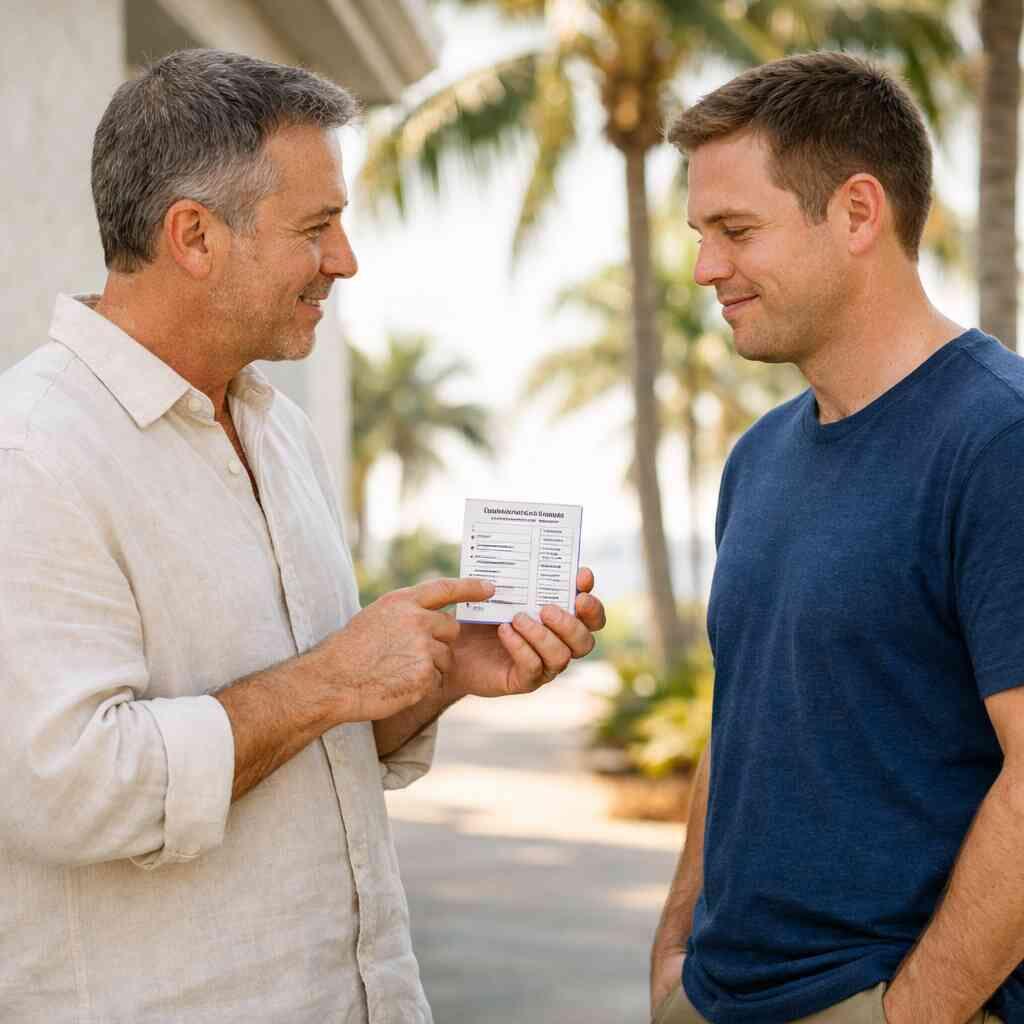
Vivitrol and Suboxone both support recovery, but they work very differently. Vivitrol is a naltrexone injection that blocks opioid effects at the receptor level. Suboxone contains buprenorphine and naloxone, and it partially activates opioid receptors while also reducing misuse risk. That difference matters because cravings, withdrawal, and relapse risk do not behave the same way for every person.
Here is the part most people miss: craving is not just willpower. It is a brain-and-body alarm system that can keep firing long after the last use. Medication-assisted treatment for opioid use disorder can quiet that alarm enough for you to think clearly again. For some people, that means a naltrexone injection for opioid relapse prevention. For others, it means buprenorphine and naloxone for withdrawal symptom management and steadier days.
A client from Palm Beach County once described it this way: “I could white-knuckle mornings, but by afternoon my brain turned into static.” That is a common pattern. The right medication does not erase the work of recovery. It gives you enough stability to do that work.
When fentanyl, heroin recovery, or prescription pill addiction makes medication-assisted treatment more urgent
The urgency rises quickly with fentanyl, heroin, and prescription pill addiction. Fentanyl changes the risk picture because it is so potent and unpredictable. Heroin recovery can also be difficult to stabilize after repeated detox cycles. Prescription pill addiction often looks quieter from the outside, yet the withdrawal and relapse cycle can be just as intense.
In those cases, medication-assisted treatment for opioid use disorder in South Florida may need to start sooner rather than later. That is especially true when a person has already tried to stop on their own and keeps running into the same wall. A strong plan for opioid rehab in Delray should treat relapse prevention as a medical issue, not a moral one. If you are also looking for fentanyl treatment support near Delray Beach, timing and safety matter more than hype.
Most families ask the same thing: how long is too long to wait? The honest answer is that if opioids are controlling your day, the clock is already working against you. This is where licensed clinicians matter. They can assess overdose risk, withdrawal history, and co-use with alcohol or benzodiazepines before choosing a path.
Why dual diagnosis treatment changes the decision for depression and addiction, anxiety treatment, PTSD treatment, or bipolar disorder therapy
Opioid use rarely travels alone. Depression and addiction often feed each other. Anxiety treatment becomes more complicated when the nervous system is already wired for panic and relief seeking. PTSD treatment and bipolar disorder therapy also change the decision because mood instability can make any medication plan harder to follow.
NIDA and SAMHSA both support the co-occurring disorders model. That means you should not split substance use from mental health into two separate boxes. If the anxiety, trauma, or low mood remains untreated, cravings can grow louder. If the opioid problem stays active, psychiatric treatment can stall. Dual diagnosis treatment for depression and addiction is often the cleaner lens.
We see this in outpatient psychiatry Delray Beach settings all the time. A person may say, “I used to calm down with pills, and now I cannot sleep without them.” That is not weakness. That is a pattern that needs careful medication management for addiction recovery and a real psychiatric evaluation.
What people in Delray Beach rehab settings often miss about medication management for addiction recovery
People often think the medication choice is the whole plan. It is not. The intake process should also ask about sleep, trauma, panic, mood swings, and current triggers. It should review alcohol use, benzos, cocaine, and marijuana too, because combinations change safety. In South Florida, that broader picture matters.
One thing people in Delray Beach rehab settings sometimes miss is that medication works best inside structure. That might mean an outpatient program in Delray Beach with PHP and IOP options. It might also mean family therapy, sober routines, and clear follow-up. Without that wraparound care, even the right medication can underperform.
The coastal setting can help, but it does not cure anything by itself. Atlantic Avenue may be steps away, and the beach may feel calming, yet recovery still needs a plan. Good care uses the environment without romanticizing it. That balance is what makes treatment stick.
The decision map that makes medication-assisted treatment in Delray Beach easier to sort out
When Vivitrol injections fit better for opioid relapse prevention and when Suboxone maintenance makes more sense
Vivitrol often fits better when a person has already completed detox and wants opioid relapse prevention without daily opioid receptor activation. It can also appeal to people who want a non-opioid option and can maintain abstinence long enough to start it safely. Suboxone maintenance often makes more sense when withdrawal has been hard, cravings are strong, or repeated relapse has followed detox. The best choice depends on your pattern, not your preferences alone.
FactorVivitrolSuboxoneMain roleBlocks opioid effectsReduces withdrawal and cravingsDosing styleMonthly injectionUsually daily or as prescribedBest fitAfter detox, stable abstinenceActive stabilization, high relapse riskWithdrawal supportDoes not treat withdrawalHelps manage withdrawal symptomsA common misconception is that one option is “stronger.” That is the wrong frame. The real question is which medication matches your current stage of recovery. In many cases, Suboxone treatment in Delray Beach is better for early stabilization, while Vivitrol may fit later once opioid-free time is established.
How buprenorphine and naloxone work for withdrawal symptom management without replacing one problem with another
Buprenorphine is a partial opioid agonist. That means it attaches to the same receptors but activates them less strongly. This can reduce cravings and withdrawal without the full opioid effect. Naloxone helps discourage misuse, especially if the medication is taken the wrong way. Together, they can make early recovery far more manageable.
People often fear they are “trading one drug for another.” That fear is understandable, but it oversimplifies treatment. The goal is not intoxication. The goal is function, safety, and fewer crises. Buprenorphine and naloxone for withdrawal symptom management can create enough steadiness for counseling, sleep, and daily life to return.
What almost no online guide says is that pacing matters. Too fast, and symptoms rebound. Too slow, and people may lose momentum. That is why licensed clinicians use careful follow-up instead of guessing.
What the intake process should cover if you are comparing outpatient program Delray Beach options, PHP, and mental health IOP
The intake process should not feel like a pop quiz. It should feel like a thoughtful assessment. If you are comparing an outpatient program Delray Beach option with PHP or mental health IOP, ask what gets reviewed on day one. Ask about use patterns, past detox attempts, suicide risk, sleep, trauma history, and current medications. Those details shape the plan.
PHP, or partial hospitalization program, usually offers more structure than IOP. IOP, or intensive outpatient, usually gives more flexibility. The question is not which sounds nicer. The question is which level of care matches your current risk. If you need support all day, IOP may be too light. If you need to keep working, PHP may still be too intense.
Here is a simple checklist:
- Recent opioid use and overdose history
- Past detox symptoms, including benzodiazepine withdrawal
- Depression, anxiety, bipolar symptoms, or PTSD
- Family support and home stability
- Work schedule and transportation
- Need for trauma therapy South Florida services
How insurance verification, self-pay options, and out-of-network benefits can change the timing of care
Insurance can change the pace of treatment more than people expect. A quick insurance verification for Florida rehab and psychiatry can prevent avoidable delays. It can also clarify Aetna, Cigna, Blue Cross Blue Shield, and out-of-network benefits before you miss another week. If you need self-pay options, ask early, not after the stress spikes.
Families sometimes wait because they assume coverage will be complicated. It can be, but that is not a reason to stall. Even a short call can reveal whether you are looking at private rehab, outpatient psychiatry, or a mix of both. The sooner you know the costs, the sooner you can match care to the reality of your life.
Why co-occurring disorders, trauma therapy South Florida, and family therapy should be part of the plan from the start
If trauma sits under the opioid use, medication alone will not hold the line for long. Co-occurring disorders with trauma therapy in South Florida often need a combined plan that includes individual therapy and family support. That is because opioids often became a coping tool before they became a crisis. If you remove the drug but not the pain, the cycle can return.
Family therapy helps in a different way. It gives loved ones language, boundaries, and a plan for what to do during a rough week. Family therapy for long-term recovery planning can also reduce shame, which quietly fuels relapse. In our experience, the biggest mistake is waiting to bring family in until after things break again.
How licensed clinicians use evidence-based treatment to match a medication plan to real life, not theory
Evidence-based treatment means the plan comes from research and clinical judgment, not guesswork. It also means the plan should fit your life. A person working near Boca Raton may need a different schedule than someone in a residential setting. A parent with two kids and a long commute needs practicality, not theory. Evidence-based treatment with licensed clinicians is about making treatment workable enough to sustain.
Clinicians should also think about relapse prevention planning, medication adherence, and psychiatric symptoms together. The best plan fits around meetings, childcare, and triggers after work. It should also fit the realities of South Florida recovery resources and the pace of Delray Beach rehab. If it does not, people drop out.
What happens after the prescription is chosen and how to protect long-term recovery in South Florida
How outpatient psychiatry Delray Beach supports safe medication tapering, cravings management for addiction recovery, and relapse prevention planning
Choosing a medication is not the finish line. It is the beginning of a maintenance phase. Outpatient psychiatry Delray Beach care can support safe medication tapering when the time is right, and it can also track side effects, sleep, mood, and cravings. That follow-up is crucial because recovery rarely moves in a straight line. 
Cravings management for addiction recovery often includes more than medication. It includes trigger planning, hunger and sleep tracking, and support for moments when the old pattern starts whispering again. Some people do best with monthly visits. Others need more frequent contact early on. That is normal. Stability is built, not assumed.
Why aftercare planning, sober living resources, case management, and life skills training matter after detox or rehab
After detox or rehab, the environment changes fast. The body may be calmer, but the routine may still be fragile. That is why aftercare planning and sober living resources in South Florida matter so much. Case management, transportation help, and life skills training can keep a plan from unraveling when life gets messy. Sober living resources also help bridge the gap between treatment and independent living. They reduce isolation and add structure. For some people, that structure is the difference between another relapse and a real run at stability. This is especially true when the person is leaving a residential treatment facility or stepping down from a partial hospitalization program. ### How CBT, DBT, EMDR trauma therapy, group therapy activities, mindfulness meditation, and SMART Recovery fit around medication
Medication works best when therapy teaches new habits. CBT, or cognitive behavioral therapy, helps you spot thought loops that drive use. DBT, or dialectical behavior therapy, helps with distress tolerance and emotion regulation. EMDR trauma therapy can help process traumatic memories that keep the nervous system on edge. Group therapy activities, mindfulness meditation, and SMART Recovery and 12-step alternatives in Delray Beach can all fit around medication.
A person in early recovery often says the same thing: “I can stop using, but I do not know what to do with the empty space.” That empty space is exactly where skills matter. The point is not to pile on tools. The point is to pick a few that you can actually use under stress.
What a practical next move looks like if you are comparing drug rehab near me options, asking about admissions and insurance, or checking whether our medical detox process is the right match
If you are typing drug rehab near me at midnight, keep the next move simple. Compare programs that explain medication management, PHP, IOP, and psychiatric care in plain language. Ask about the admissions path, insurance verification, and whether our medical detox process matches your current withdrawal risk. If you need a center that can treat both substance use and mental health, that matters more than glossy promises.
On the projects-really, the care plans-we see most often, people do better when they stop trying to solve everything in one call. Start with the medication question. Then ask about level of care. Then ask about the next seven days. That sequence lowers panic and gives the plan somewhere to land.
How Delray Beach recovery community resources, family support, and continuing care help turn short-term stabilization into long-term recovery
Delray Beach has a visible recovery community, and that matters. You may find support groups, sober events, and friends who understand the difference between a hard day and a dangerous one. Still, community works best when it is paired with continuing care. Beachside recovery is not a treatment plan by itself.
Family support also changes the long game. Loved ones can help with rides, reminders, and honest check-ins when the urge to isolate gets strong. Continuing care can include psychiatry visits, therapy, and alumni support through RECO Intensive alumni. That kind of follow-through turns short-term stabilization into something sturdier.
*”Reco Integrative Psychiatry stands out for their knowledgeable and compassionate team. They blend traditional psychiatry with holistic approaches, which makes a real difference in their treatment methods. The environment is welcoming and professional, and the support they offer is truly commendable.
Highly recommended!”* – Tatiana R., a 5 star review from RECO Integrated Psychiatry on Google Business Reviews
If you are sorting through Vivitrol, Suboxone, or another medication plan, do not try to do it in a vacuum. Ask for a review that includes mental health, cravings, home life, and insurance. Then take the next concrete step today: call, verify coverage, and get the right level of care on the calendar. You do not have to solve all of this at once, but you do need to start with one clear conversation.
Frequently Asked Questions
How long does detox last at a Delray Beach rehab?
Detox length depends on the substance, how long you used it, and whether alcohol, benzodiazepines, or opioids are involved. Opioid withdrawal often peaks within a few days, but symptoms can linger longer. A good program will assess safety, hydration, sleep, and mental health before recommending the next level of care.
Does RECO Integrated Psychiatry take my insurance?
Coverage depends on your plan, network status, and level of care. The fastest way to find out is insurance verification before admission. Ask about Aetna, Cigna, Blue Cross Blue Shield, out-of-network benefits, and self-pay options so you can compare choices without delay.
What is the difference between PHP and IOP?
PHP, or partial hospitalization program, gives more structure and more treatment hours. IOP, or intensive outpatient, gives more flexibility for work, school, or family duties. Both can support recovery, but the right fit depends on symptom severity, relapse risk, and home stability.
Can I bring my phone to treatment?
Policies vary by program and level of care. Some settings limit phone use early so you can focus on stabilization. Others allow it during set hours. Ask before admission so there are no surprises, especially if you need to manage work or childcare.
Is family involved in the program?
Family involvement often helps recovery, especially when addiction has affected trust at home. Many programs offer family therapy, education, and support planning. The goal is not blame. The goal is clearer communication, safer boundaries, and a steadier home environment.
What if I need help for depression but not addiction?
That still belongs in psychiatric care. Depression can worsen sleep, motivation, and judgment, even without substance use. Outpatient psychiatry can help with evaluation, medication management, and therapy referrals. If opioids are also part of the picture, dual diagnosis treatment may be the safest route.
How do I know if Vivitrol or Suboxone is better for me?
That depends on your withdrawal history, current opioid use, relapse risk, and readiness for detox. Suboxone often helps earlier when withdrawal is active. Vivitrol may fit later after detox and a period without opioids. A licensed clinician should review the full picture before recommending either option.