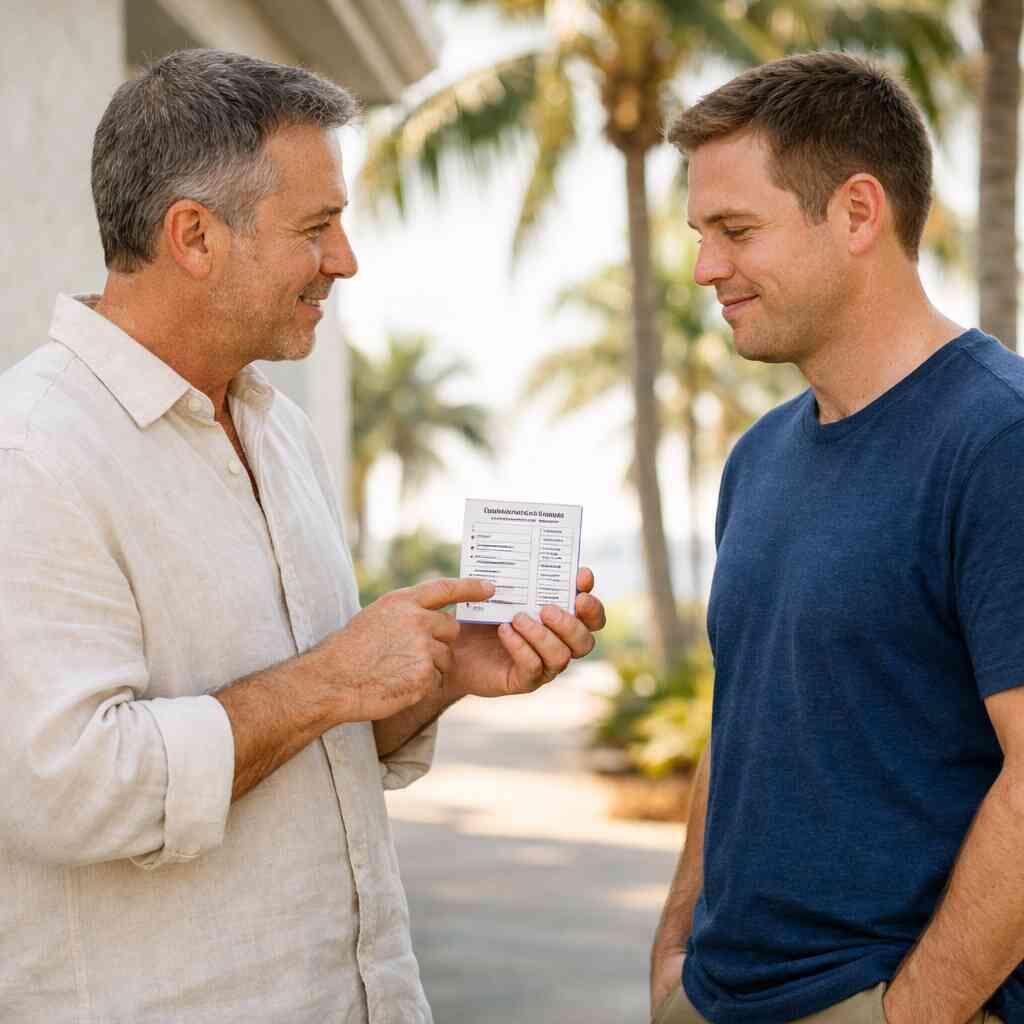
Best 7 Aftercare Planning Tips for RECO Intensive Rehab
Why discharge day can feel more risky than day one The day you leave treatment can feel strangely fragile. Structure disappears fast, and that is when fear, hope, and old habits collide. If you are staring at discharge paperwork and feeling that quiet dread in your chest, that reaction makes sense. Early recovery often needs […]

-
Why discharge day can feel more risky than day one
The day you leave treatment can feel strangely fragile. Structure disappears fast, and that is when fear, hope, and old habits collide. If you are staring at discharge paperwork and feeling that quiet dread in your chest, that reaction makes sense. Early recovery often needs more protection after treatment, not less.
The hidden gap between leaving structure and keeping momentum in early recovery
Inside treatment, your day has rails. Meals, groups, medication check-ins, and sleep all happen on schedule. Outside, the calendar gets loose fast. That gap is where aftercare planning matters most, because cravings often return when routine gets thin. A solid plan turns empty space into supported time.
Here is the part most people miss: recovery rarely breaks because of one huge event. It usually slips when small supports vanish at once. That might mean no ride to therapy, no meeting on the books, or no one watching sleep and mood changes. In South Florida recovery, that gap can show up quickly, especially when work, traffic, and family demands return all at once.
What usually goes wrong when aftercare planning is rushed or vague
Vague plans sound harmless. They are not. “Go to meetings” is not a plan. “Follow up as needed” is not a plan either. Real discharge planning for rehab should name the next appointment, the next level of care, and the person helping you get there.
One client in Delray Beach left treatment with a notebook full of good intentions. The problem was simple: no therapist was scheduled, no medication visit was booked, and the sober living lead had not been confirmed. By the fourth day, the silence felt louder than the treatment center ever had. That is how rushed discharge creates risk.
How a Delray Beach rehab can anchor the next 30 days before cravings get a vote
A strong Delray Beach rehab plan should cover the first month in detail. It should not assume motivation will stay high. It should build around the hours when cravings are most likely to spike. That means morning structure, afternoon support, and evening accountability.
At RECO Integrated Psychiatry, that often includes aftercare planning for RECO Intensive rehab in Delray Beach, with clear follow-up tied to the person’s diagnosis and daily life. That may also include a mental health IOP near Delray Beach, dual diagnosis treatment, or a step-down from a residential treatment facility. The goal is not to overwhelm you. The goal is to keep the gains from treatment from evaporating in a week.
-
The seven-point handoff that turns treatment gains into real-life support
A good handoff is specific. It names where you will go, who you will see, and how often care should happen. It also matches the level of support to your symptoms. That is where many plans fail, because the next step is often chosen by convenience instead of clinical need.
Setting up an outpatient program Delray Beach plan that matches your level of care
An outpatient program Delray Beach plan should fit your current stability. If you still need daily structure, standard weekly visits may be too thin. If you are steadier, they may be enough. The right plan depends on sleep, cravings, home stress, and co-occurring disorders.
For many people, the best fit is a post-rehab support and outpatient follow-up in Delray Beach pathway that starts with close contact and then tapers. That can include case management, medication visits, and therapy. It can also include support for cocaine detox Florida recovery, opioid rehab Delray needs, fentanyl recovery support, or prescription pill addiction recovery. The handoff should feel orderly, not vague.
Choosing between intensive outpatient, partial hospitalization program, or standard outpatient follow-up
People often ask what is PHP vs IOP. The short answer is this: PHP usually offers more hours and more structure. IOP is still intensive, but it is lighter. Standard outpatient follow-up is the least time-intensive and works best after stability improves.
Level of careTypical fitMain benefitPHPHigher support needsMore structure and daily contactIOPModerate support needsBalanced structure and flexibilityStandard outpatientLower immediate riskMaintenance and follow-upIf you need a clearer comparison, how to compare PHP and IOP at RECO Intensive rehab can help frame the decision. A partial hospitalization program may suit someone leaving detox, especially after alcohol rehab, benzodiazepine withdrawal, or heroin recovery. An intensive outpatient aftercare plan can work well when home is stable and symptoms are improving.
Why medication management after rehab matters for dual diagnosis and co-occurring disorders
Medication management after rehab is not a side note. It often protects everything else. If depression, anxiety, ADHD, bipolar disorder, or OCD were present before substance use, they may still be active now. The NIDA co-occurring disorder model supports treating both conditions together, not one at a time.
That is why dual diagnosis treatment for co-occurring disorders matters in aftercare. A psychiatry visit can review side effects, sleep, cravings, and mood shifts. It can also adjust treatment before a rough week becomes a relapse. At RECO Integrated Psychiatry, this may involve medication management after rehab, telepsychiatry for Florida residents, or coordination with the broader RECO network.
-
What actually belongs in an aftercare plan if you want relapse prevention to hold
Aftercare should be concrete. It should read like a working map, not a hope list. The strongest plans include housing, therapy, peer support, and practical daily structure. That mix is what helps relapse prevention hold when life gets loud.
Sober living resources, alumni program support, and the structure that protects early recovery
Sober living resources can be the difference between momentum and drift. They add rules, schedules, and peer accountability. For many people, that structure lowers decision fatigue during the most vulnerable weeks. Alumni program support also helps because it keeps recovery visible after discharge.
If housing is shaky, sober living transition and aftercare planning in Florida should be part of the plan. The same is true for RECO Intensive alumni support. A person leaving inpatient rehab Palm Beach County care may need more than a handshake and a brochure. They may need a place to live, a ride to treatment, and a reason to stay connected.
CBT, DBT, EMDR trauma therapy, and group therapy activities as practical coping tools
Cognitive behavioral therapy, or CBT, helps you spot thought patterns that trigger use. Dialectical behavior therapy, or DBT, teaches distress tolerance and emotion regulation. EMDR trauma therapy can help process traumatic memories that still drive symptoms. These are not abstract ideas. They are practical coping tools.
A strong CBT and DBT coping skills after rehab plan often includes homework, skills practice, and review. Group therapy activities add another layer because they let you practice honesty and feedback in real time. The people who do best are usually the ones who keep using skills outside the room. They do not wait for a crisis to practice.
Family therapy, recovery coaching, and support group referrals that make the plan harder to break
Family therapy helps reduce confusion at home. It also gives loved ones language for boundaries, triggers, and relapse warning signs. Recovery coaching can help with daily accountability, especially when shame makes outreach hard. Support group referrals matter because peers often notice problems before isolation grows.
For many families, family therapy and recovery support after treatment is the missing piece. You may also need support groups and recovery community referrals, whether that means SMART Recovery, 12-step alternatives, or another local option. The best plans make it hard to disappear quietly. That is a good thing.
“I have to thank reco for saving my life. I was on a long downward spiral and just couldn’t stop. I was mentally, emotionally, spiritually, and physically exhausted. Reco is hands down the best treatment center for treatment and therapy/mental health i have been to. I am eternally grateful to reco for giving me a solid start on my recovery journey.”- David B., a 5 star review from our business on Google Business Reviews
-
When symptoms are still loud, which supports need to stay on the table
Some symptoms do not politely step aside when discharge happens. Depression, anxiety, bipolar swings, trauma reactions, and cravings can all stay active. That does not mean treatment failed. It means the aftercare plan needs more care.
Aftercare planning for depression and addiction, anxiety treatment after rehab, and bipolar disorder support
Depression and addiction recovery often overlap. So do anxiety treatment after rehab and bipolar disorder support. If you feel flat, keyed up, or irritable, that may be a clinical signal, not a character flaw. The plan should treat those symptoms directly.
This is where generalized anxiety support after rehab and bipolar disorder support during aftercare become important. Medication, therapy, sleep hygiene, and routine all matter here. The same goes for PTSD treatment and trauma therapy South Florida services. If symptoms are still loud, the plan should stay loud enough to answer them.
When medication-assisted treatment such as Suboxone maintenance or Vivitrol injections may be part of the plan
Medication-assisted treatment can support recovery from opioids and alcohol. Suboxone maintenance may help with opioid cravings and withdrawal stability. Vivitrol injections can help reduce relapse risk for some people with alcohol or opioid use disorders. These medications are not shortcuts. They are tools. 
Medication-assisted treatment guidance supports using medication when it fits the diagnosis and goals. Ongoing treatment engagement also matters in substance use recovery. If you are dealing with fentanyl treatment, heroin recovery, or prescription pill addiction, ask whether medication support belongs in your plan. For some people, it is the bridge that makes therapy usable.
Why trauma therapy South Florida and PTSD treatment often need to continue after discharge
Trauma does not end because detox ends. Many people use substances to blunt hypervigilance, panic, or intrusive memories. When use stops, those symptoms can return with force. That is why trauma therapy South Florida should not be delayed if trauma remains active.
EMDR trauma therapy for PTSD recovery in South Florida can be part of a longer plan, especially after a residential treatment facility or PHP stay. So can paced exposure work, grounding, and sleep support. If you are trying to stop drinking and your nightmares are getting worse, the issue may be trauma, not weakness. Treating both matters.
-
The logistics people forget until the plan starts to wobble
Recovery plans often fail on practical things. Not because people do not care, but because the details pile up. Insurance, rides, schedules, and bills can trip up even a motivated person. Good aftercare planning handles those pieces early.
Insurance verification, out-of-network benefits, and self-pay options before the transition date arrives
Insurance problems create avoidable stress. That stress can become a trigger. Before discharge, verify what is covered and what is not. Ask about out-of-network benefits, deductibles, and self-pay options. Do not wait until the day after discharge.
If you are comparing Florida rehabs that take insurance, insurance verification for Florida rehab and aftercare should happen early. That is especially true if you are looking at private rehab, outpatient program Delray Beach care, or dual diagnosis IOP follow-up. A clear financial plan helps the clinical plan stay intact. It also reduces last-minute panic.
Life skills training, vocational support, nutritional counseling, and case management as recovery stabilizers
Life skills training matters more than people think. Recovery needs basic routines: waking on time, eating enough, paying bills, and planning the day. Vocational support can help if work stress or unemployment is part of the risk. Nutritional counseling can help with energy, mood, and sleep.
Case management ties all of that together. It can help with appointments, forms, and care coordination. That is especially useful for young adult rehab, professional program needs, or someone returning to a busy home in Boca Raton outpatient or West Palm Beach mental health care. Small stabilizers prevent big breakdowns.
How to handle transportation, appointments, and follow-up care across Palm Beach County and South Florida
Transportation sounds minor until it is not. A missed appointment can unravel momentum fast. If you live in Palm Beach County or commute from Broward County, build the route into your plan. Put the address in your phone. Confirm parking. Set ride backups.
If you are in Delray Beach, living near Atlantic Avenue, or commuting from nearby neighborhoods, traffic and timing matter. South Florida recovery often depends on simple logistics done well. That includes intake timing, telepsychiatry when appropriate, and follow-up care across the region. A plan works better when it can survive real life.
-
Why the best aftercare plans are built around real people, not willpower
Willpower is useful. It is not enough. People stay well when support fits their personality, culture, diagnosis, and daily life. That is why a good plan feels personal, not generic.
SMART Recovery, 12-step alternatives, and choosing the right recovery support network
Some people do well in 12-step meetings. Others want SMART Recovery or another skills-based group. The best choice is the one you will actually use. A support network should feel steady, honest, and easy to reach. It should also match your values.
Support groups and recovery community referrals can help you compare options without pressure. In the Delray Beach recovery community, that may include meetings near the coast, church-based groups, or secular alternatives. What matters most is consistency. One group you attend beats five groups you never enter.
Gender-specific treatment, young adult rehab support, veterans addiction help, and LGBTQ plus affirmative care
People need different kinds of support. Gender-specific treatment may help if safety or shame has shaped your recovery. Young adult rehab support can help with identity, work, and peer pressure. Veterans addiction help may need trauma-informed care and service-connected coordination. LGBTQ+ affirmative treatment matters when belonging itself has been a wound.
A strong plan does not force everyone through the same door. It asks what setting helps you stay honest. That may mean women’s rehab support, men’s recovery groups, or a setting shaped for professional stress. The point is fit. Fit lowers friction.
How a coastal recovery environment in Delray Beach can support routine, calm, and accountability
Delray Beach has a specific rhythm. The coastal healing environment is real, but it works best when paired with structure. A walk near the water, a coffee stop on the way to therapy, and a predictable evening routine can all support recovery. Calm helps. So does accountability.
For some people, Delray Beach, Florida becomes part of the plan because the place itself lowers noise. That does not replace clinical care. It supports it. The Atlantic Avenue bustle, nearby nature preserves, and the slower pace after treatment can all reinforce stability.
-
The next decision that keeps recovery moving instead of stalling
The final check before discharge should be simple: do you know exactly what happens next? If the answer is fuzzy, the plan needs more work. That last review protects the progress you fought for. It also gives families a chance to spot gaps before they become problems.
What to confirm before leaving a residential treatment facility or intensive outpatient setting
Before leaving, confirm the next therapy visit, psychiatry visit, and support group plan. Confirm who handles medications, who handles transportation, and what you do if cravings spike. If you are leaving a residential treatment facility, ask what the step-down looks like. If you are leaving intensive outpatient, ask what triggers a return to more support.
A good discharge list should cover:
- appointment dates
- medication refills
- emergency contacts
- relapse warning signs
- housing or sober living plans
- family contact rules
That list may feel basic. It is not. It is the spine of the next phase.
The questions that help families and patients judge whether an aftercare plan is specific enough
Ask direct questions. What happens if sleep breaks down? Who adjusts treatment if depression returns? How often will therapy happen in the first month? Is the plan built for dual diagnosis, or only substance use? Does it include medication management after rehab if needed?
If you are using an intensive outpatient aftercare in Delray Beach pathway, make sure the schedule fits your life. If you need more support, partial hospitalization program step-down in South Florida may be better. If you need less, standard outpatient may work. Specific plans reduce guesswork. Guesswork increases risk.
When to use RECO Intensive alumni, the admissions team, or a psychiatrist follow-up to adjust the plan
Plans change. That is normal. If symptoms rise, housing shifts, or medication no longer fits, reach back out. RECO Intensive alumni support can help with connection and accountability. Admissions can help clarify next steps. A psychiatrist follow-up can adjust the clinical side quickly.
A solid aftercare plan should feel live, not frozen. If you need to revisit it, that is a sign the system is working. Start with one concrete call today. Ask for the next appointment, the next level of care, or the next support group that fits your real life.
Frequently Asked Questions
How long does detox last at a Delray Beach rehab?
It depends on the substance, your health, and prior use patterns. Alcohol, opioids, benzodiazepines, and stimulants can each follow different timelines. Medical detox often lasts several days, but withdrawal monitoring may continue longer. Ask about the medical detox process early, especially if you have a seizure history, heavy use, or co-occurring psychiatric symptoms.
Does RECO Integrated Psychiatry take my insurance?
Coverage depends on your specific plan, network, and benefits. The best next step is insurance verification before admission or step-down care. That helps you understand any out-of-network benefits, deductibles, or self-pay options. If you are comparing Florida rehabs that take insurance, ask for a benefits review in writing.
What is the difference between PHP and IOP?
PHP, or partial hospitalization, gives more hours of treatment and more structure. IOP, or intensive outpatient, is lighter and usually fits people with more stability. Both can support relapse prevention planning after rehab in South Florida. The right level depends on your symptoms, home life, and risk of relapse.
Can I bring my phone to treatment?
Policies vary by program and level of care. Many residential and higher-structure settings limit phone use early on, then add access later. That limits distraction and helps you stay present. Ask during intake so you know the rules before arrival.
Is family involved in the program?
Often, yes. Family therapy and structured communication can be important parts of recovery support after treatment. Family weekend or family sessions may help repair trust and improve boundaries. If family contact is a trigger, the plan should define that clearly.
What if I need help for depression but not addiction?
You can still benefit from psychiatric care. Depression and anxiety can be treated on their own, and dual diagnosis support can help if substance use has also been a concern. RECO Integrated Psychiatry focuses on outpatient psychiatry, medication management, and evidence-based care for complex psychiatric conditions. If you are unsure what level of help fits, a follow-up visit can clarify that.
FAQPage schema hint: Each question above can be marked as a
Questionitem with anacceptedAnswerfield in JSON-LD.